Zinc for Athletes: How It Supports Immune Function and Testosterone Levels
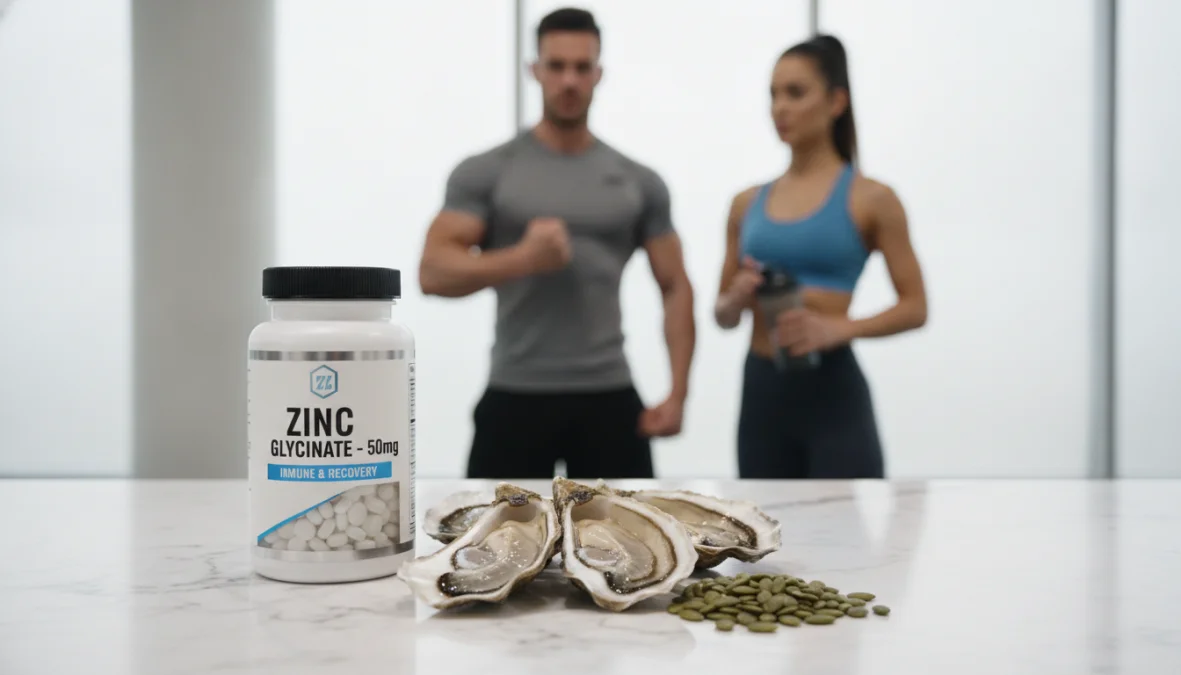
If you’re training hard, eating clean, and still feeling run down—or noticing your gains have plateaued—there’s a good chance you’re overlooking one of the most underrated minerals in sports nutrition. Zinc for athletes isn’t just another supplement to add to your stack; it’s a fundamental micronutrient that directly impacts everything from immune resilience to testosterone production. Whether you’re a weekend warrior or a competitive athlete, understanding how zinc supports your body can be the difference between thriving and just surviving your training.
Why Zinc is Critical for Athletic Performance
Zinc plays a starring role in over 300 enzymatic reactions in your body, many of which are essential for athletic performance zinc optimization. This mineral is crucial for protein synthesis—the very process that rebuilds your muscles after you’ve torn them down in the gym. Without adequate zinc, your body simply can’t repair and build muscle tissue efficiently, no matter how much protein you’re consuming.
Beyond muscle repair, zinc is integral to energy metabolism, helping convert the food you eat into usable ATP. It also supports healthy testosterone levels, immune function, and antioxidant defense—all systems that take a beating when you’re pushing your physical limits.
Here’s the catch: intense exercise dramatically increases zinc losses through sweat and urine. Studies show that athletes can lose up to 30% more zinc than sedentary individuals, and zinc deficiency athletes experience is more common than you’d think. Research indicates that up to 25% of athletes may have suboptimal zinc status, particularly endurance athletes and those in weight-restricted sports. When zinc levels drop, so does performance—you’ll notice reduced strength, slower recovery, and increased susceptibility to illness.
The connection between zinc deficit and diminished performance is well-documented. Low zinc impairs muscle function, reduces VO2 max, and can even compromise the structural integrity of red blood cells, limiting oxygen delivery to working muscles. For athletes serious about optimization, monitoring zinc intake is non-negotiable, much like paying attention to proper hydration strategies.
Zinc’s Dual Role: Immune Support and Testosterone Production
What makes zinc supplementation for athletes so valuable is its dual impact on two critical systems: immune function and hormonal balance. Let’s break down how this mighty mineral works on both fronts.
Strengthening Immune Defense During Intense Training
Heavy training creates a paradox: while moderate exercise boosts immunity, intense or prolonged workouts can temporarily suppress your immune system—a phenomenon called exercise-induced immunosuppression. This is why so many athletes get sick right after competitions or during high-volume training blocks.
Zinc immune support works by maintaining the function of key immune cells, particularly T-cells and natural killer (NK) cells, which are your body’s first line of defense against pathogens. Zinc is essential for the development and activation of these cells, and deficiency directly impairs their ability to respond to threats.
Multiple studies have shown that zinc supplementation reduces the incidence of upper respiratory tract infections in athletes by up to 45%. Even more impressive, when athletes do get sick, adequate zinc status can cut illness duration by nearly half. This means fewer missed training days and better consistency—which, as any coach will tell you, is the real secret to long-term improvement. Just as gut health optimization supports overall immunity, zinc provides targeted immune defense exactly when athletes need it most.
Optimizing Testosterone and Hormonal Balance
The relationship between zinc and testosterone is one of the most researched aspects of mineral supplementation in sports nutrition. Zinc is directly involved in the production and regulation of testosterone, the primary anabolic hormone responsible for muscle growth, strength gains, and recovery.
Studies consistently show that low zinc status correlates with reduced testosterone levels. In one landmark study, young men who restricted dietary zinc for 20 weeks experienced a 75% decrease in testosterone. Conversely, zinc supplementation in deficient athletes has been shown to increase testosterone levels by 30-50% within just a few months.
But zinc’s hormonal benefits go beyond just boosting T levels. This mineral also acts as a natural aromatase inhibitor, reducing the conversion of testosterone to estrogen—helping maintain a favorable testosterone-to-estrogen ratio. Additionally, zinc helps regulate cortisol, the stress hormone that rises during intense training and can interfere with recovery and muscle growth when chronically elevated.
For athletes wondering “does zinc increase testosterone in athletes?”—the answer is yes, particularly if you’re deficient or have suboptimal levels. While zinc won’t turn you into a superhuman if your levels are already adequate, optimizing your zinc status is fundamental to maintaining healthy hormonal balance, similar to how mental training optimizes your psychological performance.
Zinc Supplementation Guide for Athletes
Now that you understand why zinc matters, let’s talk practical application. When it comes to zinc dosage for athletes, the sweet spot typically falls between 15-30mg daily, depending on training volume, body size, and dietary intake. The recommended dietary allowance (RDA) for adults is 11mg for men and 8mg for women, but athletes often need more due to increased losses.
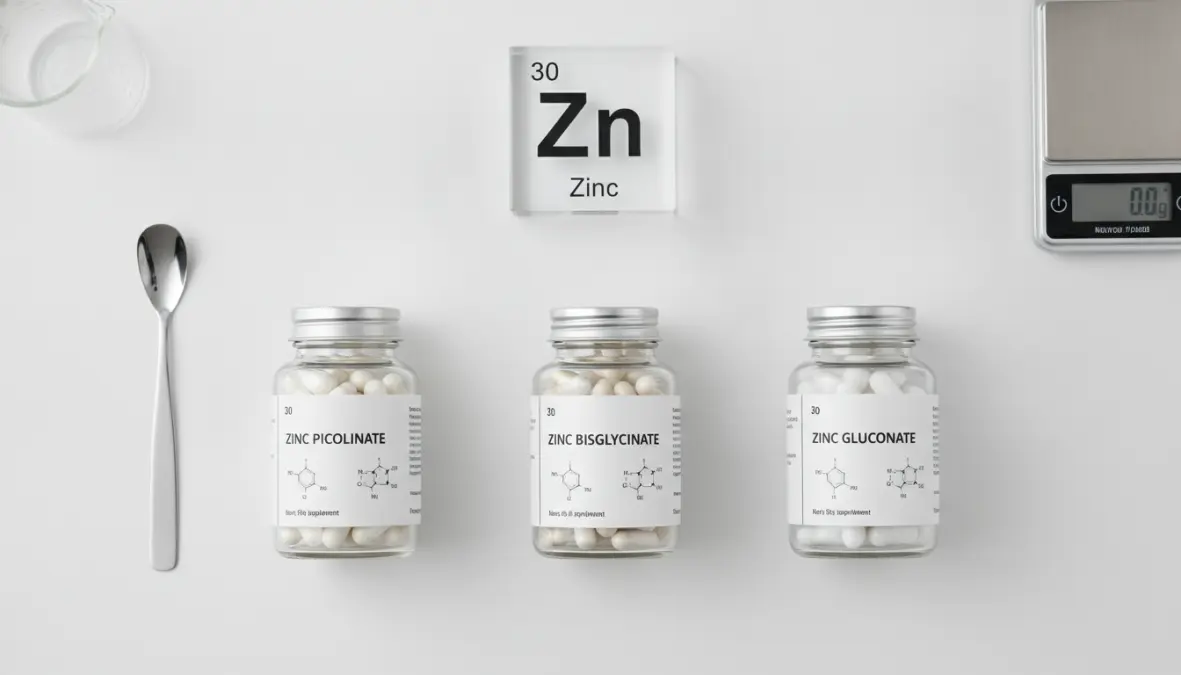
Not all zinc supplements are created equal. The best zinc for sports performance includes highly bioavailable forms like zinc picolinate, zinc bisglycinate, or zinc monomethionine. These chelated forms are absorbed significantly better than cheaper options like zinc oxide or zinc sulfate. If you’re comparing zinc picolinate vs zinc gluconate for athletes, picolinate generally wins for absorption efficiency, though both are decent choices.
Timing matters too. Many athletes ask about the best time to take zinc for athletic performance—generally, taking zinc on an empty stomach maximizes absorption, but it can cause nausea in some people. If that’s you, take it with a small meal, just avoid consuming it with high-calcium foods or supplements, as calcium competes for absorption. Similarly, avoid taking zinc simultaneously with iron or copper supplements.
Speaking of copper: long-term zinc supplementation can deplete copper levels, so if you’re supplementing with higher doses (25mg+) for extended periods, consider a balanced mineral formula or ensure you’re getting adequate copper from diet (shellfish, nuts, seeds). This kind of thoughtful mineral supplementation approach prevents creating new imbalances while correcting deficiencies.
Signs of zinc deficiency in endurance athletes include frequent infections, slow wound healing, loss of appetite, impaired taste or smell, hair loss, and unexplained fatigue. If you’re experiencing multiple symptoms, consider getting your zinc levels tested through blood work before mega-dosing supplements.
Food sources should form your foundation. Oysters are the zinc champions (74mg per serving), but more practical options include beef, pumpkin seeds, chickpeas, cashews, and fortified cereals. Vegetarian and plant-based athletes should pay extra attention, as phytates in grains and legumes can inhibit zinc absorption—check out our plant-based nutrition guide for optimization strategies.
Finally, a word of caution: more isn’t always better. Chronic intake above 40mg daily can actually impair immune function, interfere with copper and iron absorption, and cause gastrointestinal issues. Stick to moderate, consistent doses rather than megadosing.
FAQ
How much zinc should athletes take daily?
Most athletes benefit from 15-30mg of supplemental zinc daily, in addition to dietary sources. If you’re training intensely or sweating heavily, aim for the higher end of this range. Always start with lower doses and increase gradually to assess tolerance.
Can zinc improve athletic performance?
Yes, but primarily by preventing deficiency-related performance decrements. If you’re already zinc-sufficient, additional supplementation won’t create superhuman gains. However, optimizing zinc status supports protein synthesis, testosterone production, and immune function—all of which indirectly enhance performance and recovery.
What are signs of zinc deficiency in athletes?
Watch for frequent colds or infections, prolonged recovery from illness, decreased appetite, impaired sense of taste or smell, skin issues, hair loss, poor wound healing, and unexplained fatigue despite adequate rest. Performance plateaus and reduced testosterone levels can also indicate deficiency.
Should I take zinc before or after workout?
Timing is less critical than consistency. Taking zinc post-workout with a meal containing protein may support recovery processes, but the most important factor is daily intake. Some athletes prefer evening supplementation, as zinc may support sleep quality.
Can too much zinc be harmful for athletes?
Absolutely. Doses above 40mg daily can suppress immune function (the opposite of what you want), cause nausea, interfere with copper and iron absorption, and potentially reduce HDL cholesterol. Always stay within recommended ranges and consider periodic blood work to monitor status.
Optimizing your zinc for athletes strategy isn’t about chasing marginal gains—it’s about ensuring your body has the fundamental building blocks it needs to adapt, recover, and perform. Whether you’re focused on nutrient timing or mobility work, don’t overlook this essential mineral. Test your levels, dial in your supplementation, and give your body what it needs to thrive under the demands you’re placing on it.