Compression Gear for Athletes: The Science Behind Recovery Clothing That Works

You’ve probably seen them at the gym, on the track, or at your local running club: athletes sporting tight-fitting sleeves, socks, and tights that look like they were painted on. But compression gear for athletes isn’t just a fashion statement. There’s genuine science behind these snug garments, and understanding how compression clothing recovery works can help you decide whether it’s worth adding to your training arsenal. Let’s dive into what makes these garments tick and whether they actually deliver on their promises.
How Compression Gear Works: The Science of Athletic Recovery
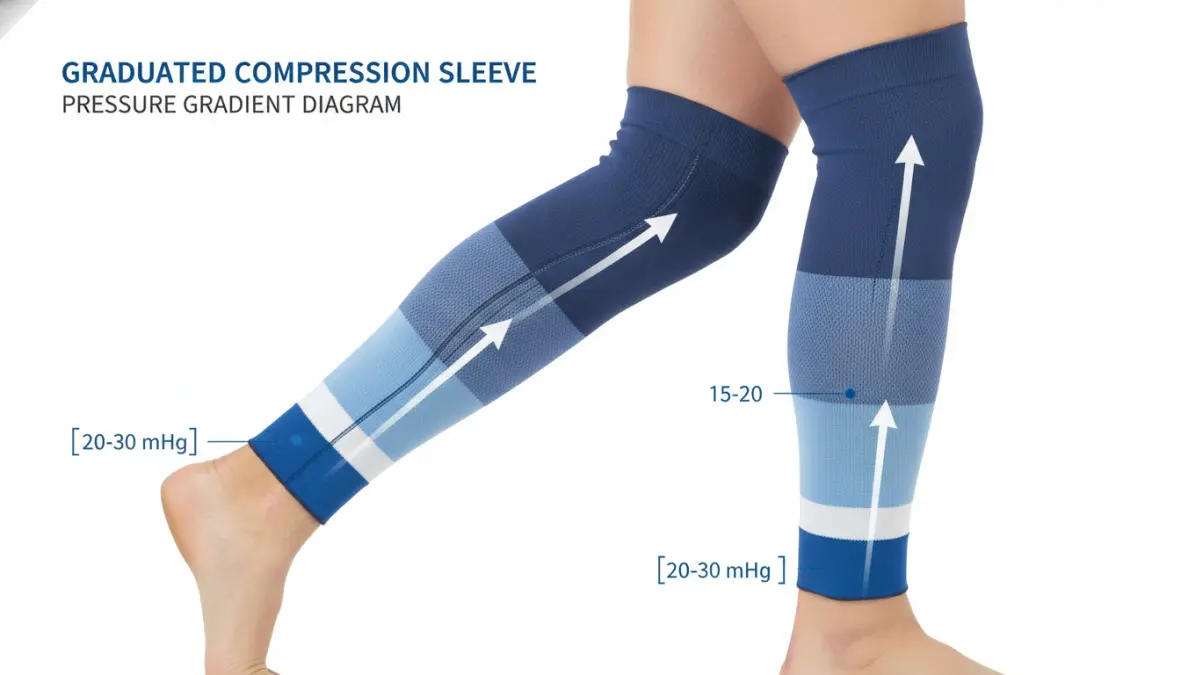
At its core, athletic compression wear applies graduated pressure to your muscles and blood vessels. The key word here is “graduated”—quality compression garments apply stronger pressure at the extremities (like your ankles or wrists) and gradually decrease that pressure as they move toward your core. This design mimics the natural blood flow pattern in your body, encouraging venous return and helping push deoxygenated blood back to your heart.
The pressure is measured in millimeters of mercury (mmHg), the same unit used for blood pressure readings. Light compression typically ranges from 15-20 mmHg, while moderate compression sits at 20-30 mmHg. Medical-grade compression can go higher, but that’s usually overkill for athletic purposes. Research published in the Journal of Sports Sciences suggests that graduated compression between 18-21 mmHg at the ankle provides optimal benefits for athletic recovery without restricting movement during exercise.
The science behind compression clothing for athletes involves several mechanisms working simultaneously. First, there’s the mechanical support that reduces muscle oscillation—that jiggling movement your muscles make during high-impact activities. Less vibration means less microtrauma to muscle fibers. Second, the pressure improves venous return, which is crucial for post-exercise recovery when your muscles are flooded with metabolic waste products. Finally, compression may enhance proprioception, giving you better awareness of your body position during movement.
There’s an important distinction between wearing compression gear athletes use during exercise versus post-workout. During activity, compression can provide muscular support and may reduce perceived exertion. After exercise, the focus shifts entirely to recovery—enhancing blood circulation improvement and facilitating the removal of metabolic byproducts like lactate. Just like optimizing your sleep aids recovery, compression wear targets the physiological cleanup your body needs after hard training.
Physiological Benefits During and After Exercise
So do compression garments help muscle recovery? The answer is nuanced. Muscle recovery clothing delivers several measurable benefits, though not all marketing claims hold up to scrutiny. Let’s examine what actually works.
One of the most studied compression wear benefits is the reduction of delayed onset muscle soreness (DOMS)—that familiar ache that peaks 24-48 hours after intense exercise. A meta-analysis in the British Journal of Sports Medicine found that wearing compression garments for at least 24 hours post-exercise significantly reduced muscle soreness and accelerated recovery of muscle function. The effect wasn’t massive, but it was consistent across multiple studies.
The mechanism involves several factors. Improved muscle oxygenation during wear helps maintain aerobic metabolism, while enhanced lactate removal prevents the buildup of metabolic waste that contributes to fatigue and soreness. The gentle pressure also reduces the inflammatory response by limiting fluid accumulation in muscle tissues—a phenomenon called edema that contributes to that swollen, stiff feeling after hard workouts.
Thermoregulation is another underappreciated benefit. Quality compression fabrics help maintain optimal muscle temperature, keeping muscles warm during cool-downs and preventing the rapid temperature drop that can increase stiffness. This is particularly valuable in colder environments where muscle temperature can plummet quickly after exercise.
What the Research Really Says
Time for some real talk about performance compression gear. The science is mixed, and it’s important to separate genuine benefits from marketing hype. Not every study shows dramatic improvements, and individual responses vary considerably.
A comprehensive review in Sports Medicine examined dozens of studies on sports compression apparel and concluded that while compression garments don’t significantly improve athletic performance enhancement during exercise, they do provide modest but consistent benefits for recovery. The authors noted that benefits of wearing compression gear after exercise are more pronounced than wearing it during activity—contrary to what many athletes assume.
The most robust evidence supports compression for reducing muscle soreness, accelerating recovery of muscle function, and decreasing perception of fatigue. Studies on lactate removal show mixed results, with some research finding improved clearance rates and others showing no difference. The venous return benefits are well-established physiologically, but translating that into measurable performance gains remains challenging.
Importantly, many studies have small sample sizes or lack proper control groups, so treating compression as a miracle recovery tool would be premature. Think of it as one component of a comprehensive recovery strategy, alongside proper nutrition, hydration, and rest.
Choosing the Right Compression Garments for Your Sport
Not all recovery compression garments are created equal. The best compression gear for post workout recovery depends on your sport, training intensity, and personal preferences. Here’s how to navigate the options.
Compression levels matter. Light compression (15-20 mmHg) is suitable for low-impact activities and all-day wear without discomfort. Moderate compression (20-30 mmHg) is the sweet spot for serious athletes—strong enough to deliver physiological benefits without being uncomfortably restrictive. Anything higher typically requires medical supervision and isn’t necessary for athletic recovery.
Materials make a difference too. Most quality athletic compression wear uses a blend of nylon and spandex (elastane) for durability and stretch recovery. Some premium options incorporate merino wool for temperature regulation and odor resistance, which is particularly valuable if you’re wearing compression clothing for faster muscle recovery over extended periods. Look for fabrics with moisture-wicking properties—staying dry enhances comfort during long wear times.
Sport-specific considerations matter more than you might think. Runners benefit most from calf sleeves or full-leg compression that targets the muscles subjected to repetitive impact. Cyclists might prefer compression shorts or bibs that provide support without restricting pedaling motion. Weightlifters often find compression sleeves for arms useful during heavy pressing movements. Team sport athletes might opt for full-leg tights that provide comprehensive lower-body support.
| Compression Level | Pressure (mmHg) | Best For |
|---|---|---|
| Light | 15-20 | Daily wear, travel, low-impact activities |
| Moderate | 20-30 | Post-workout recovery, intense training |
| Firm | 30-40 | Medical use only (requires consultation) |
Key Features in Quality Recovery Compression Wear
How compression wear improves athletic performance depends partly on the quality of construction. When shopping for sports compression apparel, look beyond the price tag and examine these technical features.
Graduated compression design is non-negotiable. Cheap compression garments often apply uniform pressure throughout, which doesn’t leverage the physiological benefits of graduated pressure. Quality brands clearly specify their compression gradient, usually noting the mmHg at the ankle and how it decreases toward the knee or thigh.
Flatlock seams prevent chafing during extended wear—crucial if you’re keeping compression gear on for the recommended 12-24 hours post-exercise. Check the seams carefully; they should lie completely flat against the fabric without raised ridges. Moisture-wicking fabrics keep you dry and comfortable, while some brands add UV protection for outdoor athletes who wear compression during activity.
Proper fit is critical for effectiveness. Compression clothing recovery requires the garment to maintain consistent pressure, which means it should feel snug but never painful or cutting off circulation. If you experience numbness, tingling, or skin discoloration, the compression is too tight. The fabric should recover its shape after washing—quality compression wear maintains its elasticity for 6-12 months of regular use before needing replacement.
Durability indicators include reinforced stitching at stress points, quality elastic waistbands that don’t roll or twist, and fabrics that maintain their compression properties after multiple wash cycles. Many athletes find that investing in a couple of high-quality pieces yields better results than buying multiple cheap alternatives. Similar to how quality mobility work beats rushed stretching, well-made compression gear outperforms poorly constructed bargains.
FAQ: Common Questions About Athletic Compression Gear
How long should I wear compression gear after working out?
Research suggests wearing compression gear athletes use for recovery for 12-24 hours post-exercise delivers optimal benefits. You’ll see the most significant reduction in delayed onset muscle soreness and fastest recovery of muscle function within this timeframe. Some athletes wear compression overnight, while others prefer to wear it during the day following hard training sessions.
Can compression clothing improve athletic performance?
The evidence for performance enhancement during exercise is modest at best. While compression may reduce perceived exertion and muscle vibration, it doesn’t dramatically improve speed, power, or endurance in most studies. The real value lies in recovery—faster bounce-back means you can train harder more consistently, which improves performance over time.
Is there a difference between compression gear for recovery vs performance?
Yes, though many products serve both purposes. Performance compression gear often emphasizes breathability, freedom of movement, and features like strategic ventilation zones for use during activity. Recovery compression garments prioritize graduated compression levels and extended comfort for prolonged wear post-exercise. Some athletes prefer separate pieces for each purpose.
Does compression gear reduce muscle soreness?
Multiple studies confirm that properly fitted muscle recovery clothing with graduated compression (20-30 mmHg) can significantly reduce DOMS when worn for at least 12 hours after intense exercise. The effect is moderate rather than miraculous—expect a noticeable but not complete elimination of soreness. Combined with proper hydration and nutrition, compression becomes part of a comprehensive recovery strategy.
Who shouldn’t wear compression garments?
People with peripheral artery disease, congestive heart failure, or certain circulatory disorders should consult a physician before using compression wear. If you have diabetes with reduced sensation in your extremities, you may not notice if compression is too tight. Pregnant women should seek medical advice before using compression levels above 15-20 mmHg. When in doubt, check with a healthcare provider—especially if you have any cardiovascular concerns.
The science behind compression gear athletes rely on continues to evolve, but the current evidence suggests these garments offer legitimate recovery benefits when used correctly. They’re not magic, but they’re also not just hype. Whether you’re chasing marginal gains or simply want to bounce back faster from tough training sessions, quality compression wear deserves consideration as part of your recovery toolkit—right alongside sleep, nutrition, and active recovery work.