Best Cycling Water Bottles and Cages: Complete Hydration System Guide
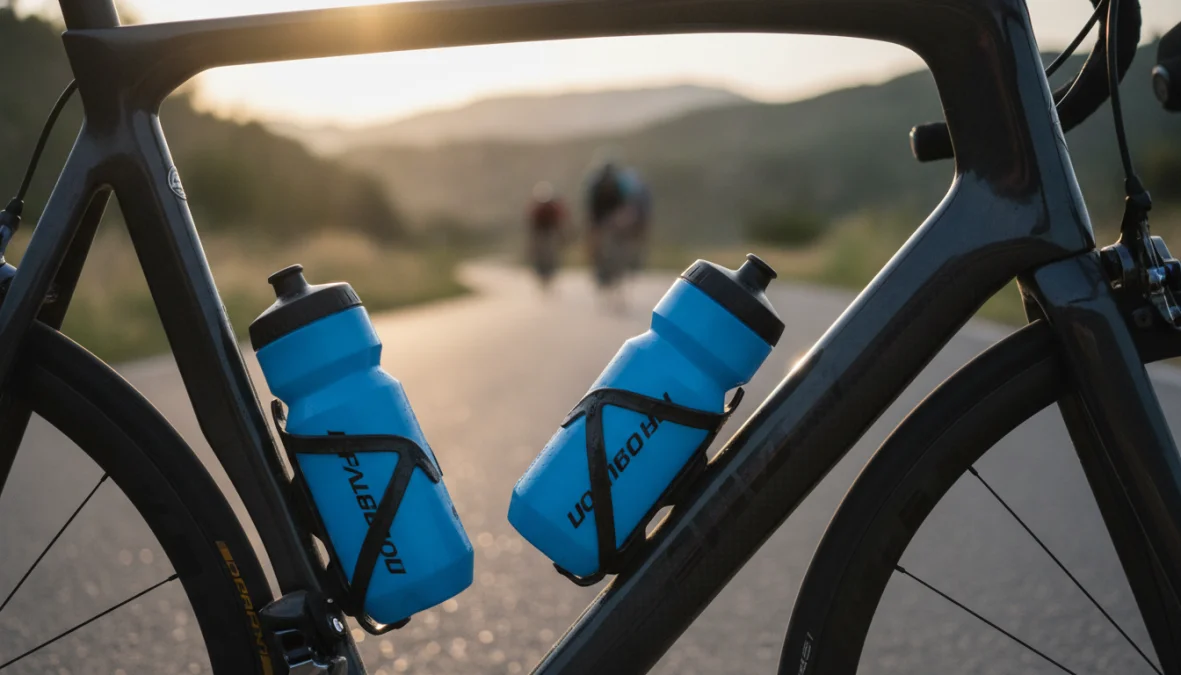
Ever been mid-ride and realized your water bottle is about as accessible as a locked safe? Or maybe you’ve taken a sip only to get a pathetic trickle when you’re desperately thirsty? The right combination of best cycling water bottles and properly mounted cages can make the difference between staying hydrated and bonking halfway through your route. Whether you’re hammering out intervals, tackling century rides, or exploring gravel roads, your bicycle hydration system is one of those cycling gear essentials you absolutely can’t compromise on. Let’s dive into everything you need to know about choosing bottles and cages that actually work.
Understanding Cycling Hydration Systems: Bottles vs Cages
A complete bicycle hydration system isn’t just about grabbing any bottle and shoving it in a cage. It’s about matching the right cycling water bottles with compatible bike water bottle cages that work seamlessly with your riding style and frame geometry.
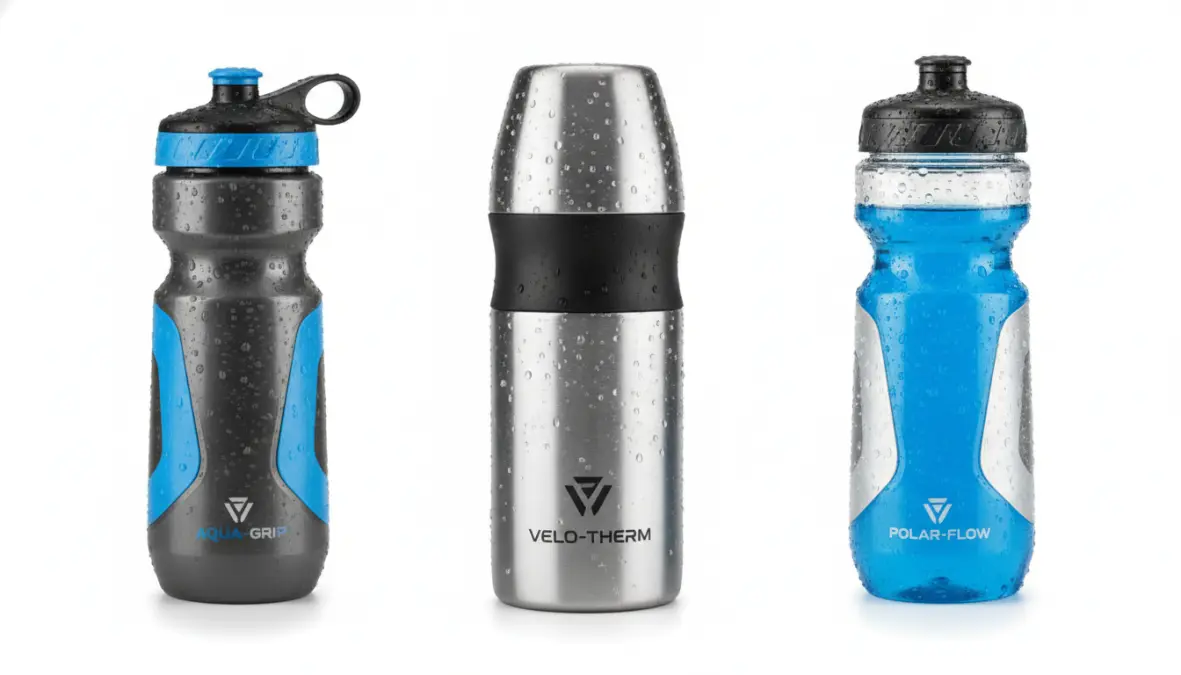
Cycling water bottles come in three main types: standard squeeze bottles (the classic choice), insulated bottles (for temperature control), and rigid bottles (often stainless steel). Squeeze bottles dominate because of their excellent squeeze bottle flow rate—you can get a good gulp without breaking your rhythm. Materials matter too: look for BPA free cycling bottles made from food-grade plastics, or upgrade to stainless steel for durability and eco-friendliness.
Water bottle capacity typically ranges from 500ml (perfect for short rides or racing), 750ml (the sweet spot for most cyclists), to 1L monsters for long endurance efforts. The key is bike frame compatibility—smaller frames might not accommodate larger bottles, especially if you have a compact geometry or full suspension mountain bike.
The bike bottle holder completes the system. Modern cages use various retention methods—some grip from the sides, others from behind. Side-loading cages are lifesavers for small frames or bikes with tight geometry where vertical bottle removal is impossible. Accessibility during rides is crucial: you should be able to grab and return your bottle without looking down or losing balance. For proper hydration on the bike, consider how many bottles you need and the best bottle cage mounting positions—most road bikes have two spots (downtube and seat tube), while mountain bikes might add a third under the down tube.
Best Cycling Water Bottles: Top Picks by Category
When searching for the best cycling water bottles, you’ll quickly discover there’s no one-size-fits-all solution. The best bike bottles depend on your riding discipline, climate, and personal preferences. Here’s how to navigate the options.
For overall versatility, standard squeeze bottles like the CamelBak Podium or Specialized Purist remain hard to beat. They’re dishwasher safe cycling water bottles with excellent flow rates, typically priced $10-15, and available in multiple sizes. The Elite Fly is another favorite among racers—it’s ridiculously lightweight at just 54g for the 550ml version.
If you’re serious about hydration strategies for endurance athletes, combining the right bottles with proper nutrition timing makes all the difference. Check out our guide on Hydration Strategies for Endurance Athletes: Beyond Water to maximize your performance.
Premium Insulated Bottles for Temperature Control
When you need the best insulated water bottles for cycling, you’re looking at insulated cycling bottles with double wall insulation technology that keeps drinks cold for hours—or warm during winter rides.
The Polar Bottle Breakaway is the budget-friendly champion ($12-15), using foam insulation to keep drinks cool for about 2 hours in moderate heat. For serious temperature control, the CamelBak Podium Ice ($18-22) uses aerogel insulation and maintains cold temps for 4+ hours. The ultimate option? The Specialized Insulated bottles ($20-25) with proprietary ThermaPhase technology that actually works.
Stainless steel options like the Klean Kanteen Insulated ($25-35) offer superior thermal performance but weigh significantly more—worth it for bikepacking or commuting, less so for racing. These cycling hydration bottles shine during summer centuries or when transitioning between environments. Speaking of transitions, our guide to transitioning from indoor to outdoor cycling covers hydration considerations when moving from climate-controlled trainer sessions to real-world conditions.
Best Value and Lightweight Options
Not every ride demands premium insulation. For racing, training rides in moderate weather, or when you simply want a lightweight bike water bottle and cage setup, standard bottles deliver.
The Specialized Purist MoFlo ($12) offers excellent flow and self-sealing cap technology, while the Elite Jet ($8-10) provides reliable performance at a bargain price. For racing weight weenies, the Elite Fly mentioned earlier is essentially unbeatable—it’s so light you forget it’s there.
Choose these over insulated options when every gram counts, when you’re doing shorter rides (under 2 hours), or when you have frequent refill opportunities. They’re also perfect for indoor cycling sessions where temperature control doesn’t matter. Most are leak proof cycling bottles when properly closed, though always test before tossing one in your bag.
Choosing the Right Bike Water Bottle Cages
Your bottles are only as good as the cages holding them. Bike water bottle cages range from basic plastic affairs to engineering marvels, and choosing wisely prevents frustrating mid-ride bottle ejections.
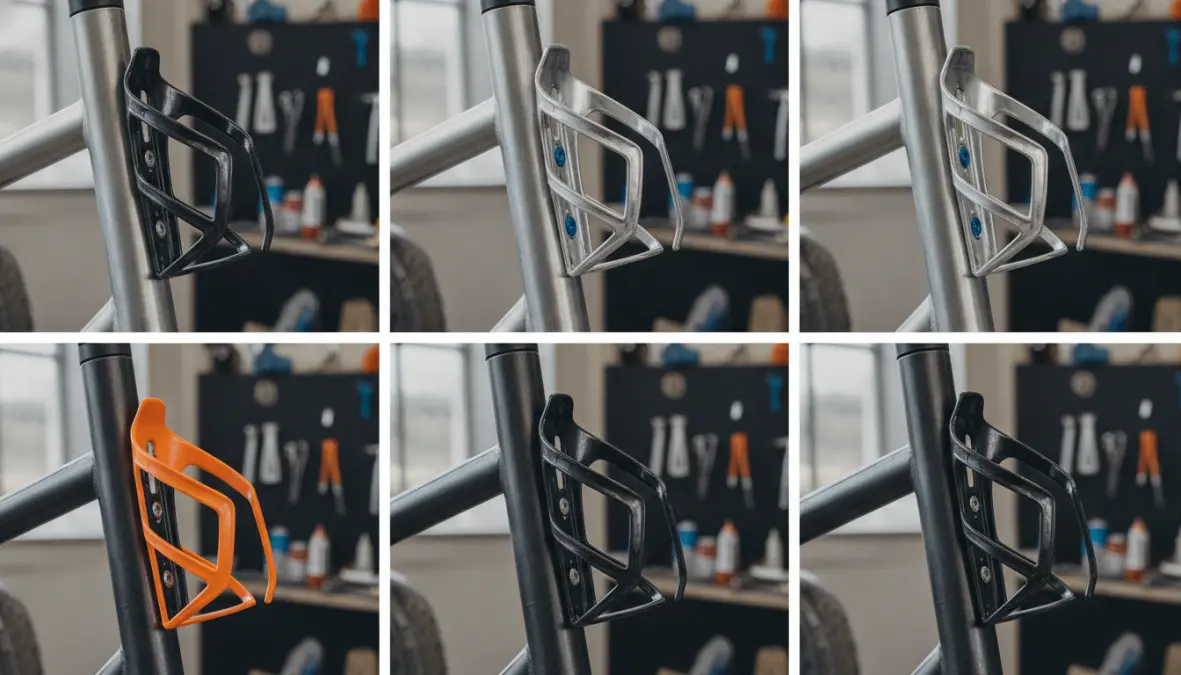
Material matters: aluminum cages ($10-25) offer the best balance of weight, durability, and cost. Carbon fiber options ($40-100+) save 10-20 grams but can crack in crashes—they’re carbon fiber bottle cages for bikes favored by racers chasing marginal gains. Plastic cages ($5-10) work fine but can lose tension over time. For ultimate durability and exotic appeal, titanium cages ($50-150) last forever but at a premium price.
The best water bottle cages for road bikes typically use traditional forward/upward removal, like the Elite Cannibal or Arundel Mandible. These grip securely even on rough roads while allowing easy one-handed access. Mountain bikers need even stronger retention—the Topeak Modula or Blackburn Outpost handle serious trail chatter.
Got a small frame or unconventional geometry? Side-loading cages like the Specialized Zee Cage II or Bontrager Elite Side Load are absolute game-changers, letting you access bottles from the side when vertical clearance is tight. When planning longer adventures, proper cage selection becomes part of your essential gear—our bike packing essentials guide covers hydration system considerations for multi-day trips.
FAQ: Cycling Hydration Systems
How many water bottles do I need for cycling?
For rides under an hour, one 750ml bottle usually suffices. For 1-3 hour rides, carry two bottles or plan refill stops. Longer endurance efforts might require three bottles or supplementing with a hydration pack. Climate matters hugely—hot weather doubles your needs.
What size cycling water bottle is best?
750ml (24oz) is the Goldilocks size for most cyclists—enough capacity for meaningful hydration without excessive weight. Racing? Go 500ml. Epic rides? Max out at 1L if your frame fits them. Always verify bike frame compatibility before buying larger bottles.
Are insulated cycling bottles worth it?
Absolutely, if you ride in hot weather (above 80°F/27°C) or hate warm water. The 4-hour cold retention justifies the extra cost and weight. For temperate conditions or short rides, save money with standard bottles. Winter riders also appreciate insulated bottles to prevent freezing.
How do I clean cycling water bottles?
Most quality bottles are dishwasher safe (top rack), but hand washing with bottle brushes extends life. Use warm soapy water, clean the cap threads thoroughly, and let air dry completely. Weekly deep cleaning with baking soda prevents odors and bacterial growth. This becomes especially important when using electrolyte drinks—proper hydration means more than just water, as detailed in our carb cycling guide.
What’s the difference between road and mountain bike bottle cages?
Mountain bike cages typically feature stronger retention systems to handle rough terrain and prevent bottle ejection. Road bike cages prioritize easy access and lighter weight. However, many modern cages work well for both disciplines—just match retention strength to your terrain roughness.
Can I use any bottle with any cage?
Mostly yes—standard bottle diameter is pretty universal. However, some specialty bottles (especially insulated stainless steel) have wider bodies that don’t fit narrow cages. Oversized 1L bottles might not work with compact cages. Always check compatibility, especially when buying premium cages or unusual bottle shapes.
Getting your hydration system dialed might seem like a small detail, but it’s these seemingly minor choices that transform good rides into great ones. Whether you’re building base fitness with our spring training program or analyzing performance with a power meter, staying properly hydrated with the right bottles and cages keeps you performing at your best. Invest in quality hydration gear—your body will thank you mile after mile.