Best Cycling Base Layers: Complete Guide to Moisture Management for All Seasons
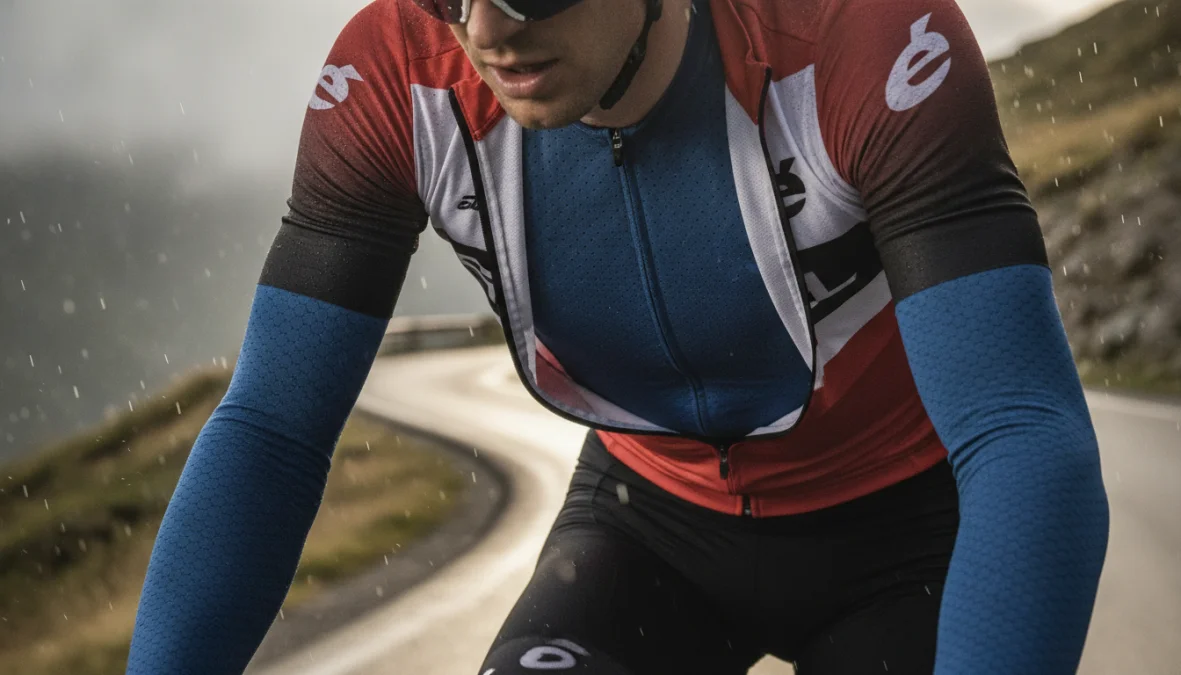
You’re halfway through a winter ride when that familiar sensation hits—cold sweat clinging to your skin, making you feel colder than the actual temperature outside. Or maybe it’s summer, and you’re overheating because your jersey is soaked through within the first 20 minutes. Sound familiar? The right cycling base layer can transform these miserable experiences into comfortable rides, regardless of the season. Understanding the best cycling base layers and how they manage moisture isn’t just about comfort—it’s about maintaining performance and enjoying every pedal stroke.
Why Cycling Base Layers Matter: The Science of Moisture Management
The magic of the best cycling base layers lies in their ability to manage moisture efficiently. When you ride, your body produces sweat to cool down—that’s natural. The problem occurs when that moisture sits against your skin, either making you cold in winter or preventing proper cooling in summer. This is where moisture wicking base layers become essential.
Moisture wicking and breathability work together but aren’t the same thing. Wicking refers to the fabric’s ability to pull sweat away from your skin and spread it across the outer surface where it can evaporate. Breathability describes how well air can pass through the fabric. The best breathable cycling layers excel at both, creating a microclimate that keeps your core temperature stable—what we call thermoregulation.
The materials matter significantly here. Merino wool naturally regulates temperature, resists odor, and continues wicking even when wet. Synthetic fabrics like polyester or polypropylene dry faster and are typically more durable and affordable. Blends combine the best of both worlds. When you’re building your base fitness or pushing hard intervals, the right material makes all the difference in maintaining consistent performance.
Best Cycling Base Layers by Season: Winter vs Summer
The golden rule of base layers? There’s no one-size-fits-all solution. Your body’s needs shift dramatically between seasons, and the best base layers for cycling adapt accordingly. Let’s break down what works when temperatures drop and when the mercury rises.
Winter Cycling Base Layers: Warmth Without Bulk
When considering cycling base layers winter options, you’re looking for that sweet spot between insulation and moisture management. The best thermal cycling base layers trap warm air close to your body while still moving moisture outward—crucial because damp skin loses heat 25 times faster than dry skin.
Look for heavier fabric weights (typically 200-260 gsm for merino or medium to heavyweight synthetics) that provide insulation without creating bulk under your jersey. The wicking fabric becomes even more critical in cold conditions because that moisture will freeze if it doesn’t evaporate or get pulled away quickly.
Top winter performers include merino wool options like the Smartwool Merino 250, which excels in temperatures from 25-45°F. For synthetic lovers, the Craft Active Extreme 2.0 offers exceptional wicking in the coldest conditions. The Castelli Flanders Warm combines both materials for rides below freezing, while the Rapha Merino Base Layer provides versatility for those variable winter days.
In your winter layering system, the base layer is your foundation. Pair it with an insulating mid-layer and a windproof outer shell for rides below 40°F. When training indoors during winter, you might opt for a lighter base layer since ventilation is often limited.
Summer Cycling Base Layers: Maximum Breathability
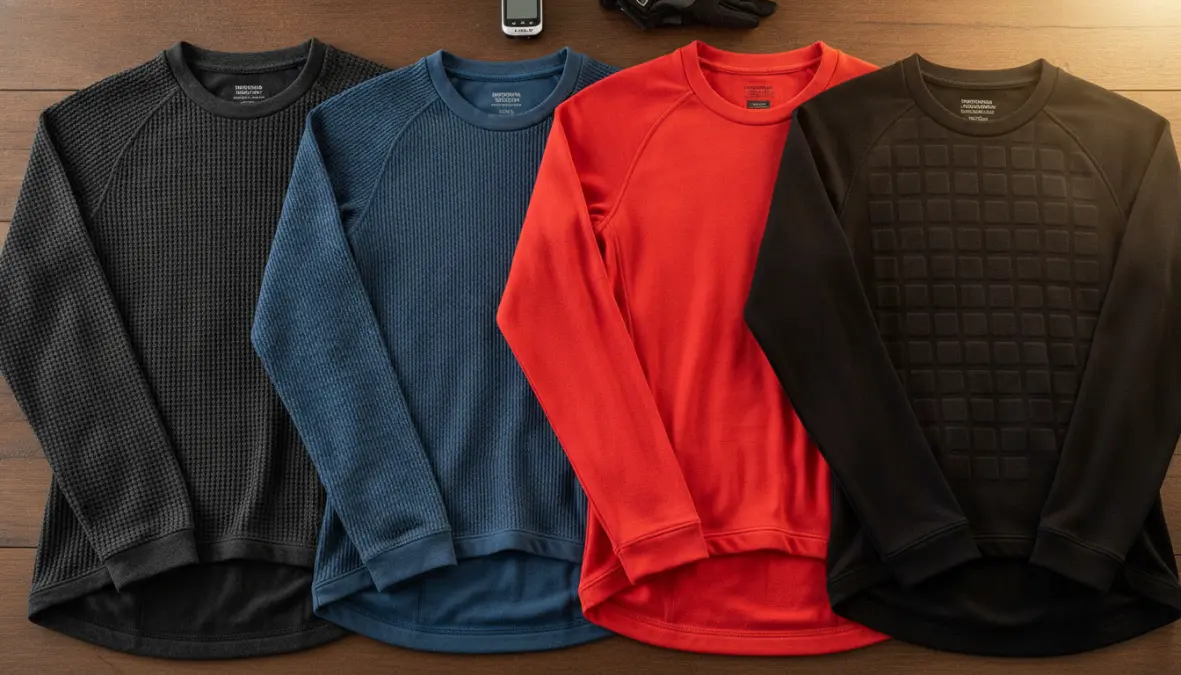
Here’s a controversial opinion: summer cycling base layers might be even more important than winter ones. Many cyclists skip them entirely in hot weather, but the best moisture wicking base layers for summer cycling actually help you stay cooler by managing sweat more effectively than riding in just a jersey.
Lightweight, minimal base layers (often 100-150 gsm or even lighter mesh constructions) create a thin moisture management layer between your skin and jersey. They pull sweat away immediately, allowing for better sweat evaporation and airflow. This is essential for temperature regulation when you’re cycling in extreme heat.
The Assos Summer Skin Layer uses a mesh construction that’s nearly weightless but incredibly effective. The Castelli Pro Mesh offers strategic zones of different mesh densities for targeted cooling. For budget-conscious riders, the dhb Aeron Mesh Base Layer delivers performance without breaking the bank. The Craft Cool Mesh Superlight works brilliantly for rides above 80°F.
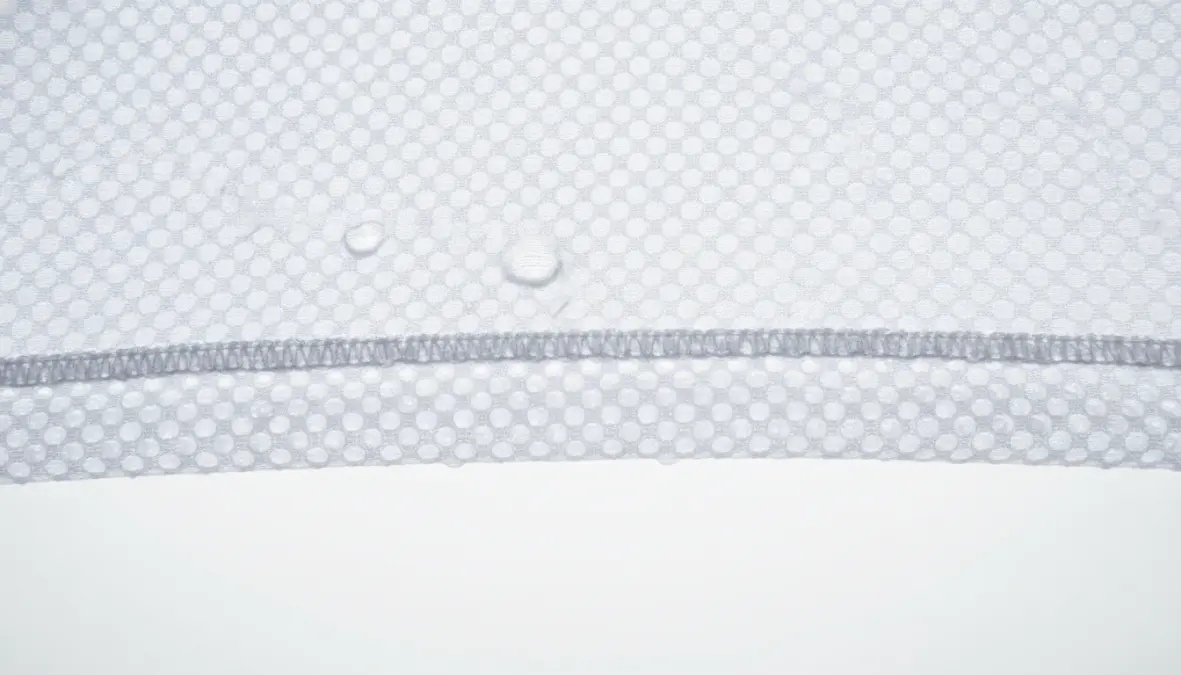
Mesh versus solid construction comes down to personal preference and riding intensity. Mesh provides maximum airflow for high-intensity rides or extremely hot conditions, while solid lightweight fabrics offer more coverage and can feel more comfortable for some riders. Check out our guide on summer cycling gear essentials for complete hot weather layering strategies.
How to Choose the Best Base Layer for Your Riding Style
Selecting the best base layers for cycling requires matching the product to your specific needs. Start with fit—base layers should be snug but not restrictive, sitting close to your skin without bunching. A loose base layer can’t wick effectively because it doesn’t maintain contact with your skin.
Sleeve length matters more than you might think. Sleeveless works great for hot weather or high-intensity efforts. Short-sleeve provides versatility for spring and fall. Long-sleeve is your go-to for winter and can work year-round if you choose lightweight fabrics. Consider how you’ll use it when deciding.
Material selection deserves careful thought. Merino wool vs synthetic cycling base layers each have advantages. Merino naturally resists odor (huge for multi-day tours or when you can’t wash immediately), provides excellent thermoregulation, and feels soft against skin. However, it’s more expensive, dries slower, and requires more careful washing. Synthetics dry faster, cost less, are more durable, and often provide better compression, but they can develop odor and don’t regulate temperature as naturally.
Construction details like flatlock seams or seamless designs prevent chafing during long rides. If you’re spending hours in the saddle, these seemingly minor features become major comfort factors.
Budget ranges typically fall into three categories: entry-level ($20-40), mid-range ($40-80), and premium ($80-150+). The good news? Even entry-level options from reputable brands significantly outperform cotton or regular athletic wear.
One often-overlooked consideration: compatibility with cycling underwear or your chamois. Your base layer should work seamlessly with your shorts or bibs without creating pressure points or bunching that could cause saddle discomfort.
FAQ: Common Questions About Cycling Base Layers
Do I really need a base layer for cycling?
While not absolutely mandatory, a quality base layer dramatically improves comfort and performance. In winter, it’s essential for warmth and moisture management. In summer, it actually helps you stay cooler by improving sweat evaporation. The answer to “do you need a base layer for cycling in summer” is: you’ll ride more comfortably with one.
What’s the difference between cycling base layers and regular compression shirts?
Cycling-specific base layers are designed with superior moisture management, strategic ventilation, longer cuts to prevent riding up, and materials that work within a layering system. Regular compression shirts focus on muscle support but often trap moisture and overheat.
How should a cycling base layer fit?
It should be snug against your skin without restricting movement or breathing. You shouldn’t be able to pinch more than a small amount of fabric, but it shouldn’t feel uncomfortably tight. The wrong fit compromises wicking performance.
Can I wear the same base layer in winter and summer?
Technically yes, but you won’t get optimal performance. Midweight merino can work across seasons for some riders, but dedicated seasonal options perform significantly better at the temperature extremes. If you’re asking “what to wear under cycling jersey” for different seasons, the answer changes based on conditions.
How do I wash and care for cycling base layers?
Machine wash in cold water with sport-specific detergent, avoiding fabric softeners which damage wicking properties. Air dry when possible, especially for merino. Synthetics can handle low-heat tumble drying. Proper care extends the life of even budget base layers significantly.
Whether you’re transitioning from indoor to outdoor cycling or gearing up for your first century ride, investing in the right base layers transforms your riding experience. Start with one quality option for your primary riding season, learn what works for your body, and build from there. Your skin—and your riding partners who don’t have to hear you complain about being uncomfortable—will thank you.