Summer Cycling Gear Essentials: What to Wear for Hot Weather Rides
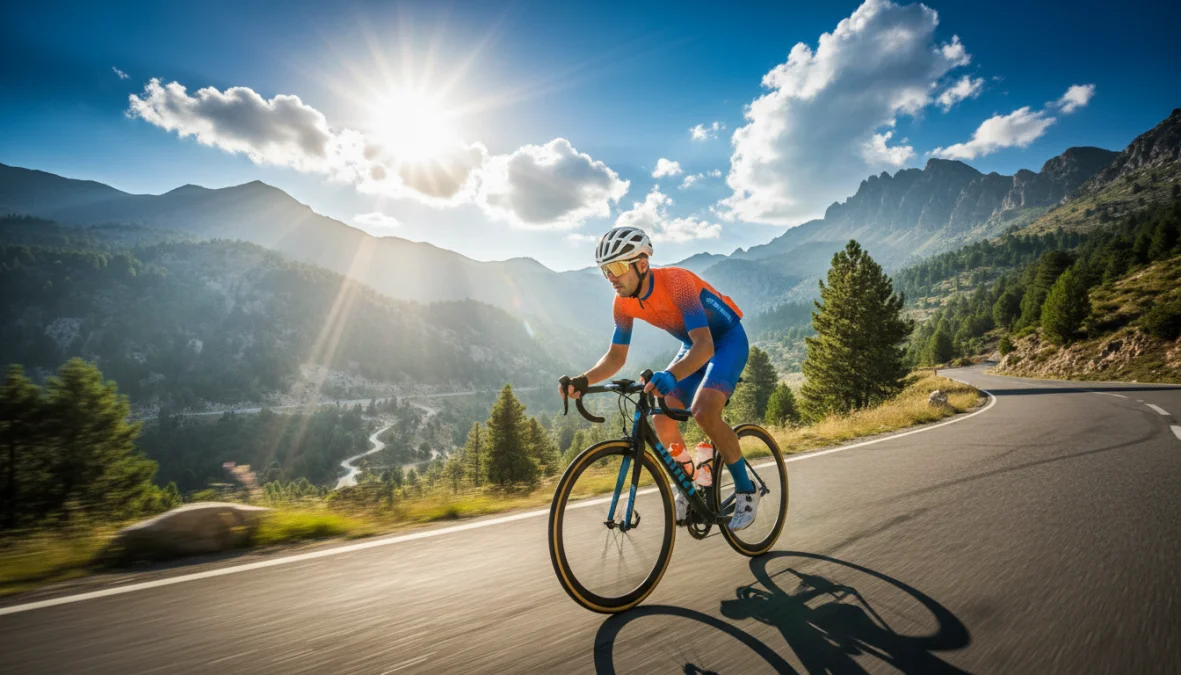
There’s nothing quite like the feeling of summer riding—the sun on your shoulders, the warmth radiating from the pavement, and the freedom of the open road. But let’s be honest: when temperatures soar into the 80s, 90s, or even triple digits, that romantic vision can quickly turn into a sweaty, uncomfortable struggle if you’re not wearing the right gear. The difference between suffering through a ride and actually enjoying it often comes down to choosing the proper summer cycling gear that keeps you cool, comfortable, and protected from the elements.
Whether you’re tackling century rides, commuting to work, or just enjoying weekend spins, understanding what to wear cycling in hot weather can make or break your experience. Let’s dive into everything you need to know about gearing up for those scorching summer rides.
Why Proper Summer Cycling Gear Matters
You might be tempted to just throw on an old cotton t-shirt and shorts for your summer rides, but that approach can actually make things worse. Proper summer cycling gear isn’t just about looking the part—it’s essential for managing your body’s thermal regulation, maintaining performance, ensuring comfort, and keeping you safe on the bike.
When you’re cycling in extreme heat, your body is already working overtime to cool itself down through perspiration. The wrong hot weather cycling apparel can trap heat and moisture against your skin, leading to overheating, chafing, and rapid dehydration. Cotton, for instance, absorbs sweat and stays wet, creating a clammy layer that prevents evaporative cooling. Technical warm weather bike gear, on the other hand, is designed to wick moisture away from your skin, promote airflow, and facilitate the natural cooling process.
Beyond comfort, there are serious safety considerations. Overheating can lead to heat exhaustion or heat stroke, both dangerous conditions that can sneak up on you during long rides. Sun exposure is another major concern—hours in direct sunlight without proper protection can result in painful burns and long-term skin damage. The right gear addresses all these issues while still allowing you to perform at your best, just like how proper nutrition timing can optimize your performance as discussed in our guide to carb cycling for athletes.
Essential Summer Cycling Clothing and Apparel
Now that we’ve established why specialized gear matters, let’s break down exactly what you should be wearing for those hot weather rides. The best cycling clothes for hot weather work as a system, with each piece contributing to your overall comfort and performance.
Jerseys, Bibs, and Base Layers
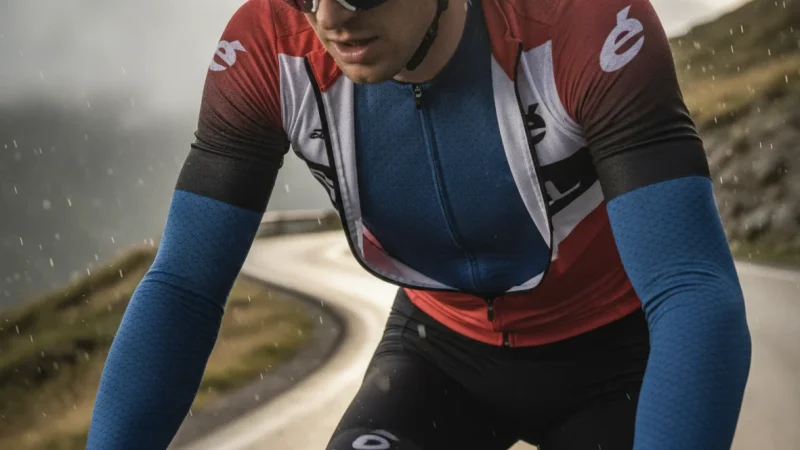
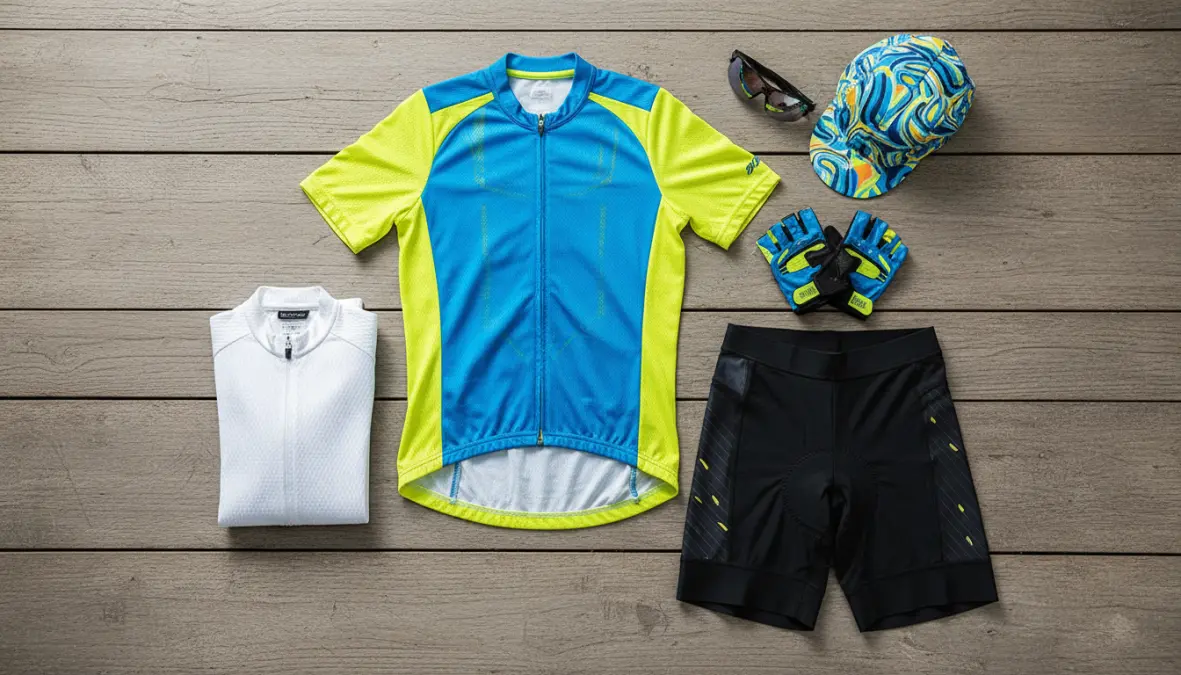
Your jersey is the foundation of any summer cycling outfit. Look for options constructed from lightweight cycling clothing materials like polyester mesh or merino-polyester blends. The best summer jerseys feature aggressive mesh panels across the back, sides, and underarms to maximize airflow. Full-zip designs are preferable because they let you open up the front for extra ventilation when you’re really heating up on climbs.
Sleeveless jerseys offer maximum cooling for the hottest days, though many riders prefer short sleeves for additional sun protection. Some of the best breathable cycling jerseys for summer use laser-cut perforations or ultra-open weaves that feel almost like wearing nothing at all while still providing structure and pockets for your essentials.
For bottoms, padded cycling shorts or bibs with chamois specifically designed for hot weather are crucial. Look for models with reduced padding density (you don’t need winter-weight cushioning in summer) and antimicrobial treatments that help with sweat management. Bibs made from breathable cycling gear fabrics with mesh upper sections keep everything cooler than traditional elastic waistbands.
Here’s where it gets counterintuitive: sometimes wearing an ultralight, sleeveless base layer actually keeps you cooler. These gossamer-thin layers use moisture wicking fabric to pull sweat off your skin before your jersey does, creating a two-stage evaporative cooling system. They’re particularly effective if you tend to sweat heavily or ride in humid conditions.
Protective Gear and Accessories
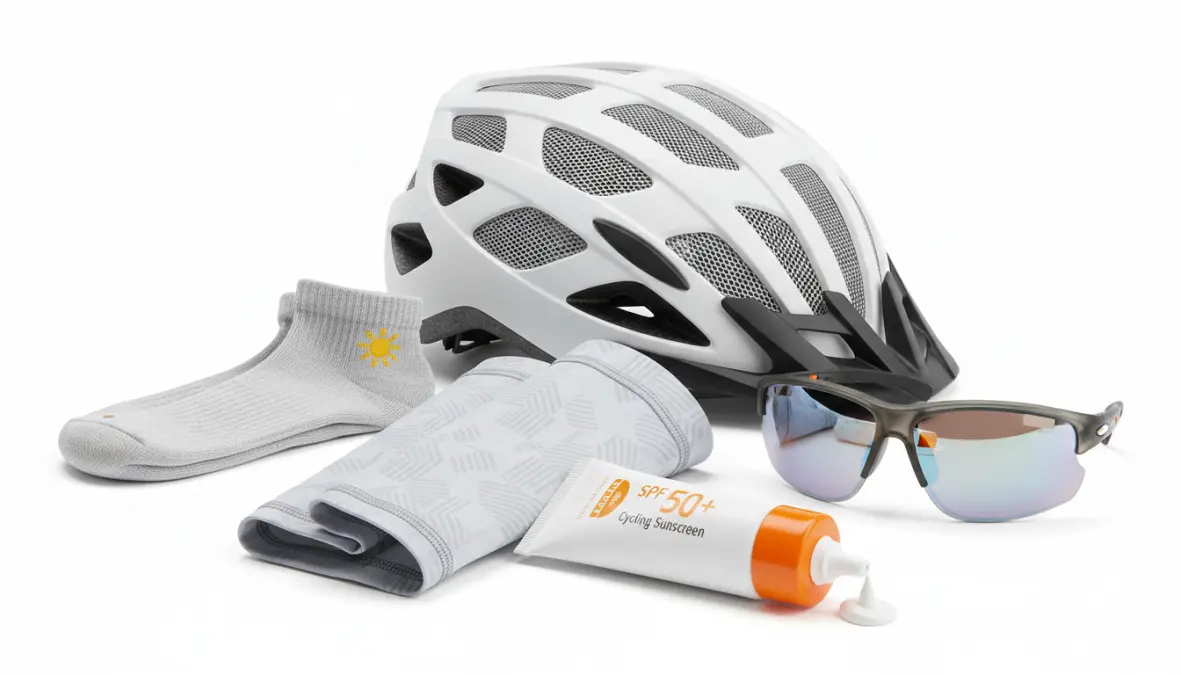
Your summer bike riding essentials extend well beyond jersey and shorts. A ventilated bike helmet with generous air channels is non-negotiable—some riders even use a cycling cap underneath to absorb sweat and provide extra shade. Speaking of shade, quality sunglasses with UV protection shield your eyes from sun, wind, and debris while reducing eye fatigue on long rides.
Lightweight gloves with minimal padding and mesh backs protect your palms during falls while allowing heat to escape. Many riders skip gloves entirely in summer, but if you’ve ever crashed on hot pavement, you’ll appreciate that thin layer of protection.
Don’t overlook your feet—cycling-specific socks made from merino wool or synthetic blends manage moisture far better than cotton. Some riders prefer ankle-length socks, while others opt for mid-calf versions for additional sun protection. For transitional temperatures, arm and leg warmers that you can easily remove and stuff in a pocket are invaluable for cool morning starts that turn into hot afternoons, similar to how you’d layer when transitioning from indoor to outdoor cycling.
Finally, UV protection clothing should extend to sun protection products. High-SPF sunscreen is an essential accessory, particularly for exposed areas like your face, neck, ears, and the backs of your hands. Reapply every couple of hours on long rides.
Key Features to Look for in Hot Weather Cycling Gear
When shopping for summer cycling gear to prevent overheating, certain technical features should guide your decisions. Understanding these characteristics helps you evaluate whether a piece of gear will actually deliver on its cooling promises.
Ventilation and mesh panels are your first line of defense against overheating. Look for generous mesh sections in high-heat zones—the back, underarms, and sides of jerseys, and the upper sections of bibs. Some manufacturers use entire mesh back panels or laser-cut perforations for maximum airflow.
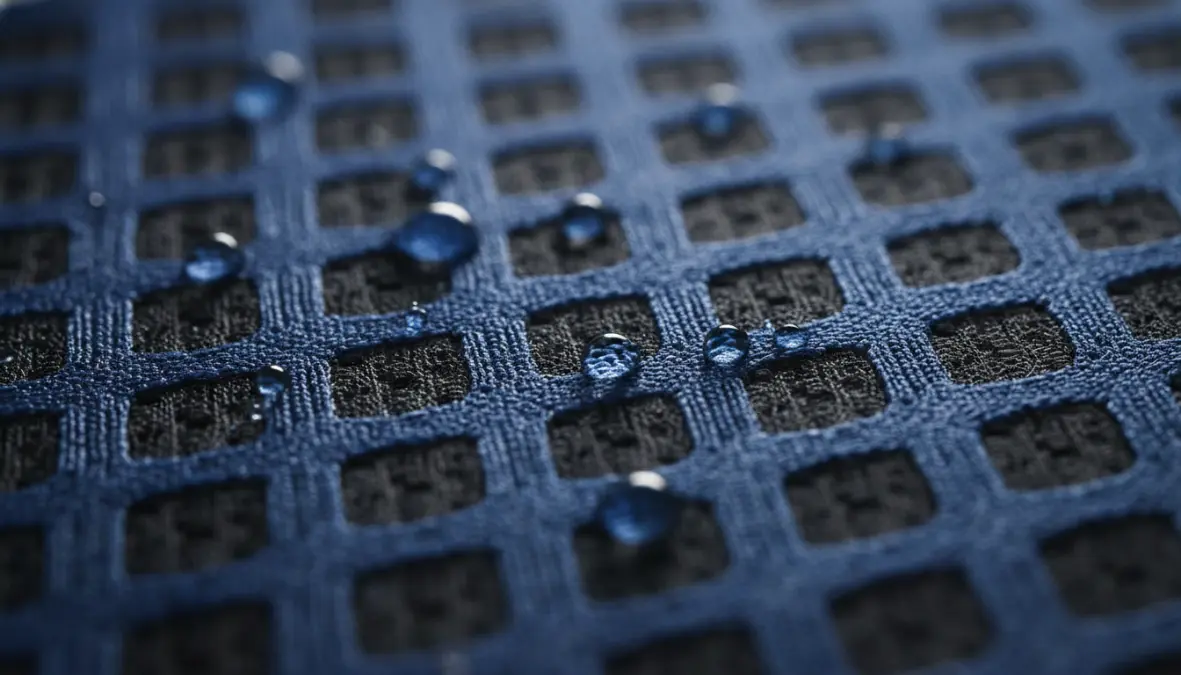
Moisture-wicking properties are essential for effective temperature regulation. Fabrics should pull moisture away from your skin to the garment’s outer surface where it can evaporate. Polyester excels at this, while merino wool blends offer natural odor resistance along with moisture management.
UPF (Ultraviolet Protection Factor) ratings indicate how much UV radiation a fabric blocks. Quality cycling apparel often carries UPF 30-50 ratings, meaning it blocks 96.7-98% of UV rays. This built-in sun protection cycling feature reduces your dependence on sunscreen for covered areas.
Color choice matters more than you might think. Light colors like white, light gray, and pastels reflect more solar radiation than dark colors, keeping the fabric—and you—cooler. However, some riders prefer bright colors for visibility or darker shades that hide sweat stains. The performance difference is real but manageable with proper fabric technology.
Fit is a balancing act in summer. You want garments close enough to the body for aerodynamics and effective moisture wicking, but not so tight they restrict airflow or feel restrictive. Race-fit gear offers the best aerodynamics but can feel constrictive in extreme heat; club or relaxed fits provide more breathing room.
Quick-dry properties ensure that when you do sweat (and you will), the moisture doesn’t linger. The best summer cycling gear for heat dries in minutes, not hours. This is particularly important if you’re stopping for breaks or dealing with variable weather.
Material-wise, prioritize synthetic blends (polyester, nylon, elastane), lightweight merino wool blends (for odor resistance), and avoid cotton entirely. Modern technical fabrics often combine multiple materials to optimize breathability, stretch, durability, and moisture management.
FAQ
What should I wear cycling in 90 degree weather?
In 90-degree heat, opt for a lightweight, highly ventilated jersey with mesh panels, minimal-padding bibs or shorts, and a well-ventilated helmet. Choose light colors, apply sunscreen liberally, and consider a hydration pack or multiple water bottles. Sleeveless jerseys offer maximum cooling, though short sleeves provide better sun protection. An ultralight base layer can actually help with moisture management despite seeming counterintuitive.
What color cycling clothing is best for summer?
Light colors—white, light gray, pastels—reflect more solar radiation and keep you measurably cooler than dark colors. While black and dark blue jerseys look sleek and hide sweat stains, they absorb more heat. That said, modern technical fabrics can mitigate some of this difference, so if you prefer darker colors, prioritize exceptional ventilation and moisture-wicking properties.
Do I need a base layer in summer?
It depends on conditions and your physiology. Many riders skip base layers in extreme heat, but ultralight, sleeveless base layers can actually improve comfort by creating a moisture-wicking system that pulls sweat away from skin before your jersey does. If you’re a heavy sweater or riding in humid conditions, try one—you might be surprised how much cooler you feel.
How do I prevent chafing in hot weather?
Invest in quality padded cycling shorts with antimicrobial chamois designed for summer, apply chamois cream liberally before rides, ensure proper fit (too tight or too loose both cause problems), and stay on top of hygiene—change out of sweaty shorts immediately after rides. Some riders find that reducing chamois thickness in summer helps with both cooling and reducing friction.
Should I wear arm sleeves or sunscreen?
Ideally, use both. Arm sleeves with UPF protection provide consistent sun blocking without the need for reapplication and can actually keep you cooler through moisture wicking and evaporative cooling. However, they don’t protect your hands, face, or neck, so sunscreen is still necessary. Many riders prefer sleeves because they eliminate the greasy feeling of sunscreen and the need to reapply during long rides. Just like optimizing your cycling cadence improves efficiency, the right sun protection strategy makes summer rides more comfortable.
Getting your summer cycling gear right transforms hot weather from a challenge into an opportunity. The open roads, long daylight hours, and perfect conditions for building fitness—as outlined in our spring training guide—are all there for the taking when you’re properly equipped. Invest in quality hot weather cycling apparel, pay attention to how to stay cool while cycling in summer, and remember that proper gear works hand-in-hand with smart nutrition and hydration strategies. Just as recovery nutrition and pre-workout nutrition optimize your performance, the right clothing optimizes your comfort. Now get out there and enjoy those summer miles—you’ve got the gear to handle whatever the thermometer throws at you.