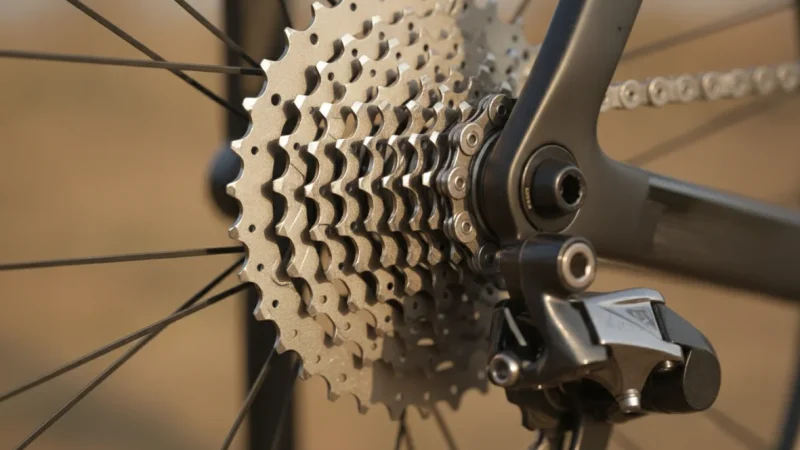
Cycling Wheel Size Guide: 700c vs 650b Performance Differences Explained
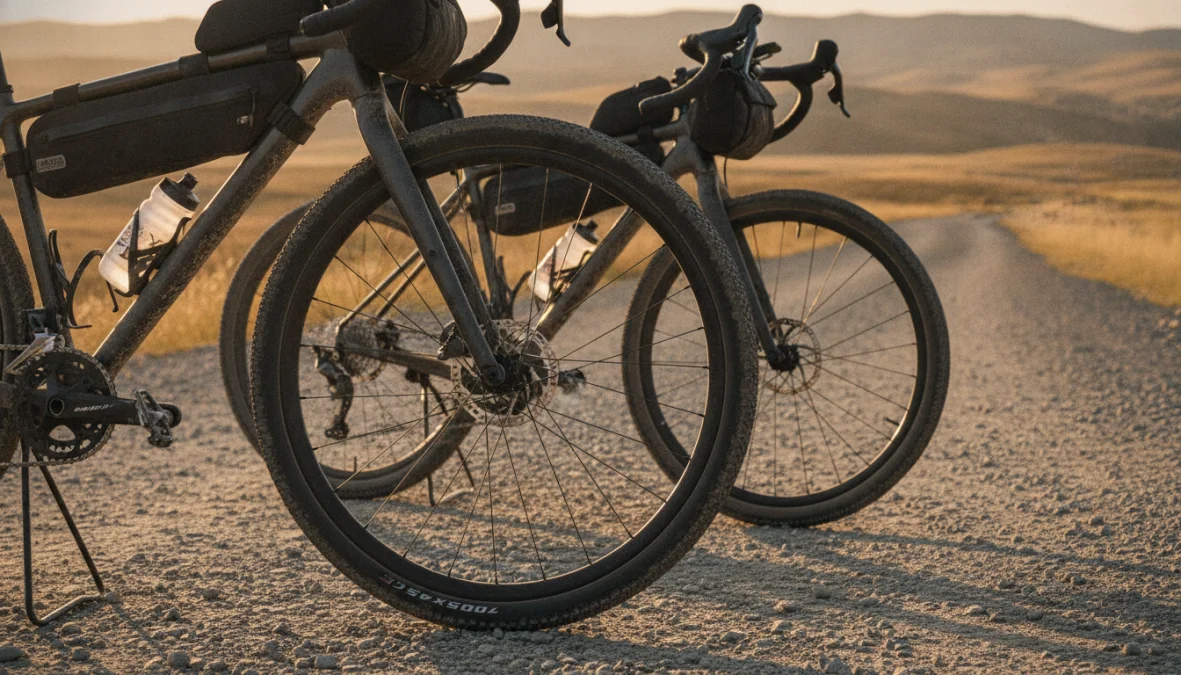
Choosing the right wheels for your bike can feel like deciphering ancient hieroglyphics. You’ve probably seen those cryptic numbers—700c, 650b—stamped on rims and wondered what they actually mean for your ride. Whether you’re building your dream gravel rig, upgrading your road bike, or just trying to understand what makes one wheel roll differently than another, this cycling wheel size guide breaks down everything you need to know about the 700c vs 650b debate without the marketing fluff.
Understanding Bicycle Wheel Sizes: 700c and 650b Explained
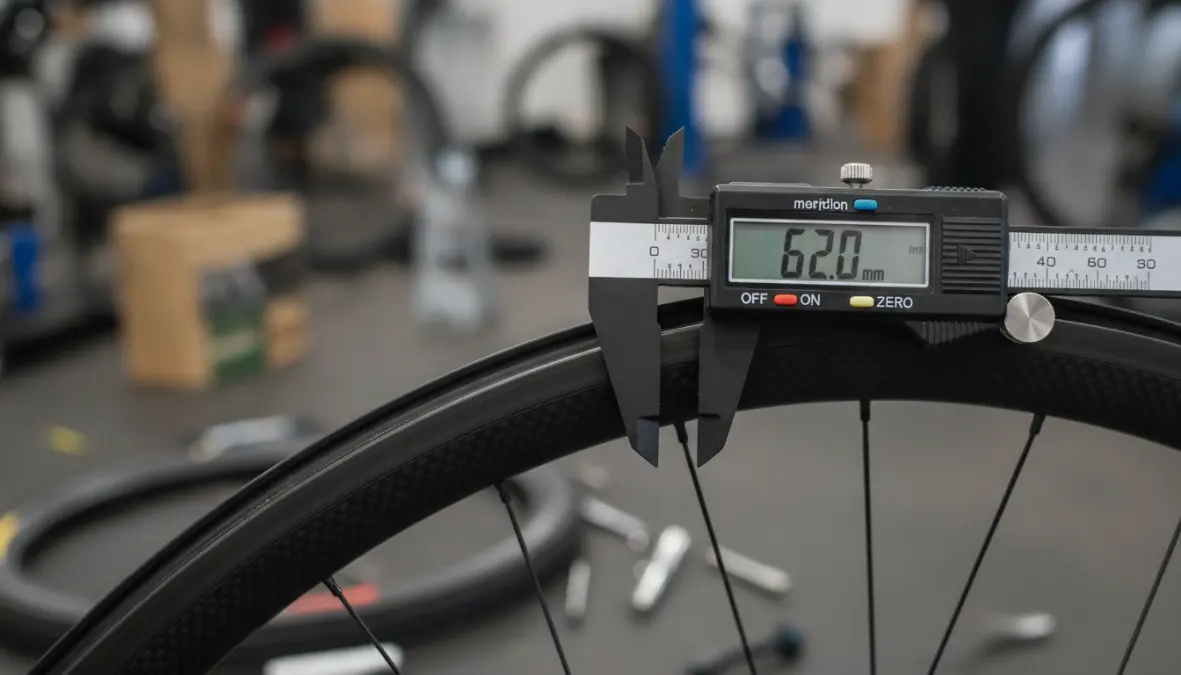
Let’s crack the code on bicycle wheel sizes first. The “c” and “b” designations come from an old French system that’s honestly confusing as hell, but we’re stuck with it. In this cycling wheel size guide, here’s what you need to know: 700c wheels have a rim diameter of approximately 622mm (measured at the bead seat), while 650b wheels measure about 584mm. That’s a 38mm difference in rim diameter—significant enough to change how your bike rides.
If you prefer inches, 700c translates to roughly 29 inches (with tire), while 650b comes in around 27.5 inches. The ETRTO (European Tire and Rim Technical Organization) system uses those millimeter measurements—622 and 584—which you’ll see stamped on quality rims. The actual outer diameter depends on tire width, which is where things get interesting for performance.
Traditionally, road bike wheel size has been 700c almost exclusively. It’s been the standard for decades, from racing bikes to touring rigs. Meanwhile, gravel bike wheels have embraced both options, with 650b gaining serious traction (pun intended) in recent years. Mountain bikers might recognize 650b as 27.5″—yes, it’s the same size, just different naming conventions to keep us all on our toes.
700c vs 650b: Key Performance Differences
Now for the meat of this wheel size comparison. The difference between 700c and 650b wheels goes way beyond just diameter—it fundamentally changes how your bike handles, accelerates, and feels on different terrain.
Speed and aerodynamics favor 700c wheels on smooth pavement. The larger diameter reduces rolling resistance on hard surfaces because the contact patch deforms less with each revolution. If you’re wondering which wheel size is faster 700c or 650b, the answer for pure road racing is clearly 700c. The bigger wheel also cuts through air more efficiently at higher speeds, which is why every professional road racer rolls on 700c. Check out our spring training guide to maximize your speed potential regardless of wheel choice.
But here’s where 650b performance shines: comfort and versatility. With the smaller rim diameter, you can run wider tires at lower pressures while maintaining the same overall wheel diameter as a 700c with narrower rubber. This increased tire volume translates to superior shock absorption on rough roads, gravel, and mixed terrain. A 650b wheel with a 47mm tire offers significantly more cushioning than a 700c with 32mm, making those washboard gravel sections feel almost luxurious.
The 700c wheels advantages include better momentum maintenance—once you’re up to speed, that larger gyroscopic effect keeps you rolling. They also typically offer more tire options since they’ve been the standard for so long. However, benefits of 650b wheels over 700c become obvious when terrain gets rough: better traction and handling on loose surfaces, quicker acceleration from stops, and improved maneuverability on technical descents.
Weight differences are negligible—we’re talking maybe 100-150 grams for a comparable wheelset. What matters more is rolling resistance, which is largely determined by tire pressure and casing quality rather than wheel diameter alone. The comfort vs speed equation really comes down to your terrain and priorities.
Bike geometry plays a crucial role too. Smaller riders often benefit from 650b because it allows proper frame proportions without compromising tire clearance. A size 48cm frame with 700c wheels might have toe overlap issues that disappear with 650b. Conversely, taller riders on large frames typically have no geometric constraints with 700c.
Best Use Cases: Which Wheel Size for Your Riding Style
So should i choose 700c or 650b? If you’re primarily riding smooth tarmac, doing road races, or logging long miles on pavement where speed is priority, stick with 700c. They’re the proven choice for traditional road cycling, and you’ll have endless tire options from 25mm to 32mm+. For group rides and training, 700c keeps you compatible with the pack—check our group ride etiquette guide for more tips.
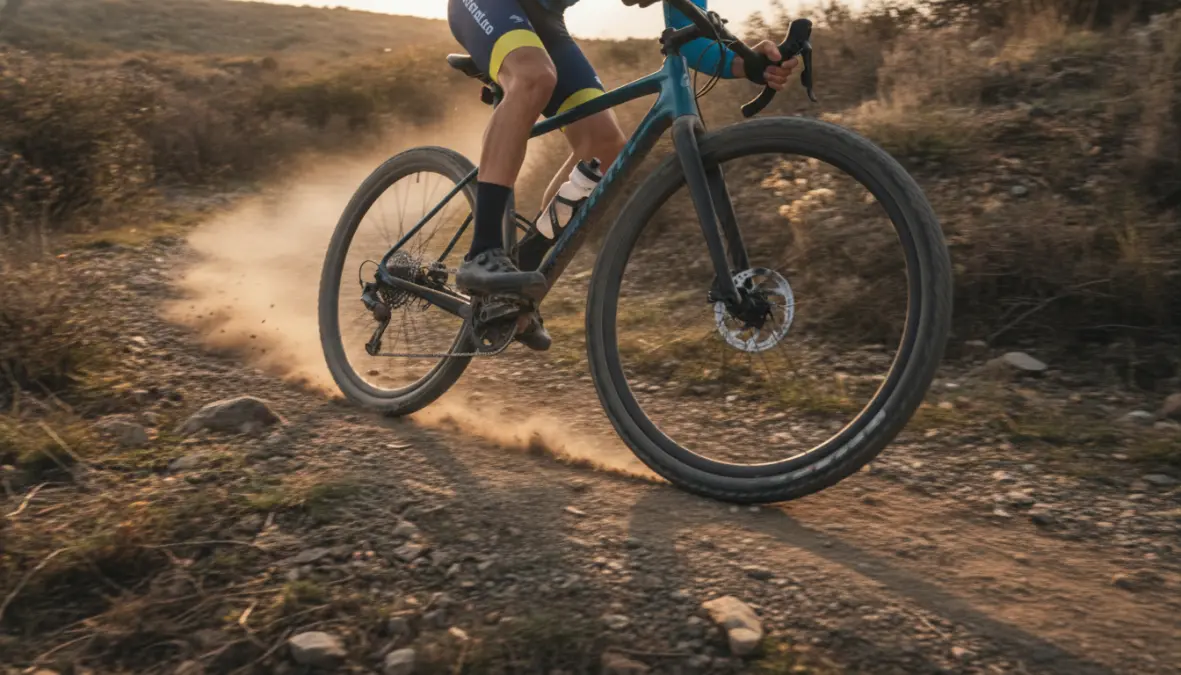
The best wheel size for gravel riding increasingly leans toward 650b, especially if you’re tackling legitimately rough terrain, doing bikepacking adventures, or prioritizing comfort over outright speed. The ability to run 45-50mm tires transforms how your bike handles washboard, rocks, and roots. If you’re planning multi-day adventures, our bikepacking guide pairs perfectly with 650b setups.
Riders under 5’6″ should seriously consider 650b for better proportions and handling. The 650b vs 700c speed comparison shows minimal difference on gravel anyway—comfort and control matter more when you’re bouncing over rocks for hours. Just ensure your frame has adequate clearance; most modern gravel bikes accommodate both sizes, but always verify before buying wheels.
Frequently Asked Questions About Cycling Wheel Sizes
Can I switch between 700c and 650b on the same bike?
Many modern gravel and adventure bikes are designed for both bicycle wheel sizes, but you need to check your frame’s clearance and brake compatibility. With proper tire sizing, you can maintain similar overall diameters—a 650b with 47mm tire approximates a 700c with 32mm. Disc brakes make switching easier since rim brake calipers won’t reach different rim diameters. Always verify your specific frame’s specifications before investing in a second wheelset.
Which wheel size is faster?
For pure speed on pavement, 700c wins due to lower rolling resistance and better aerodynamics at high speeds. However, on rough gravel or mixed terrain, 650b can actually be faster because you maintain better traction and control while running lower pressures. The difference is minimal for most recreational riders—terrain and tire choice matter more than rim diameter alone for real-world speed.
Are 650b wheels better for smaller riders?
Absolutely. Riders under 5’6″ often struggle with proper bike geometry on small frames fitted with 700c wheels, leading to toe overlap and twitchy handling. The smaller 650b diameter allows frame designers to maintain proper proportions and handling characteristics on compact frames. This isn’t just about fit—it’s about creating a bike that actually rides well at smaller sizes with appropriate standover height and stability.
Do 700c wheels fit all road bikes?
Nearly all traditional road bikes use 700c as the standard road bike wheel size, but tire clearance varies dramatically. Older racing frames might only clear 25mm tires, while modern endurance and gravel-oriented road bikes accommodate 32mm or wider. Always check your frame and fork clearance before buying wider tires. Rim brake bikes typically have tighter clearances than disc brake models.
What tire widths work with each wheel size?
With 700c, you’ll commonly find tires from 23mm (racing) to 45mm+ (gravel), though wider options exist. For 650b, the sweet spot is 38mm to 50mm, though narrower and wider options are available. The key is matching tire volume to your riding style and terrain. Generally, 650b shines with larger volume tires (42mm+), while 700c works across the full spectrum. Modern wide rims support lower pressures with both sizes for improved comfort and traction.
Understanding the nuances of this cycling wheel size guide empowers you to make smarter equipment choices for your specific riding. Whether you’re optimizing for speed with 700c or embracing versatility with 650b, both wheel sizes have earned their place in modern cycling. Match your wheels to your terrain, your body, and your goals—and don’t forget to fuel those rides properly with our nutrition guide. Now get out there and enjoy those wheels, whatever size you choose.