Hydration Strategies for Endurance Athletes: Beyond Water
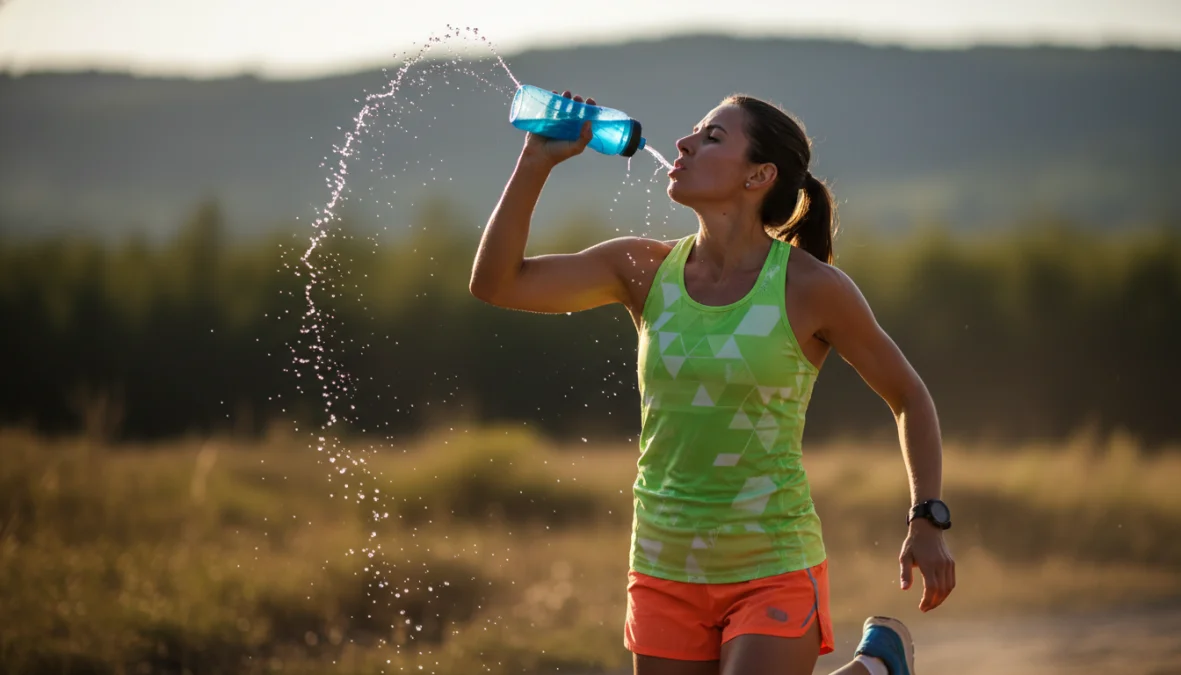
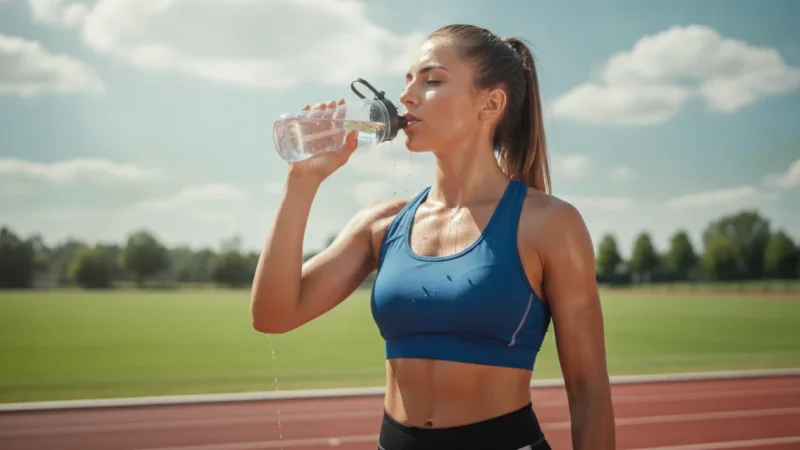
You’ve logged the miles, dialed in your training plan, and perfected your race-day nutrition—but have you truly mastered your hydration game? For endurance athletes pushing their bodies through marathons, ultra-distance events, and Ironman competitions, hydration for endurance athletes goes far beyond simply drinking water. The difference between hitting your personal best and bonking at mile 20 often comes down to how well you manage fluid and electrolyte balance. Let’s dive into the science-backed strategies that separate amateur hydration from professional-level performance optimization.
Understanding Hydration Needs for Endurance Performance
When you’re grinding through those long training sessions, your body becomes a fluid-loss machine. During exercise, your sweat rate can range anywhere from 500ml to over 2 liters per hour, depending on factors like intensity, environmental conditions, and individual physiology. This isn’t just about preventing dehydration in athletes—it’s about understanding how even modest fluid deficits impact your performance.
Research consistently shows that losing just 2% of your body weight through sweat can measurably reduce endurance performance. At 3-4% loss, you’re looking at significant impairment in both physical output and mental sharpness. Your body relies on adequate plasma volume for cardiovascular function and thermoregulation—when fluid levels drop, your heart has to work harder to pump thickened blood, and your ability to dissipate heat through sweating becomes compromised.
The challenge with fluid intake during exercise is that everyone’s sweat rate differs dramatically. A 150-pound runner might lose 1 liter per hour in cool conditions, while a 200-pound athlete in humid heat could lose double that. Factors like genetics, heat acclimatization, and fitness level all influence how much fluid your body sheds during endurance efforts. This is why cookie-cutter hydration advice falls short—you need to understand your personal fluid loss patterns.
Building Your Personalized Hydration Strategy
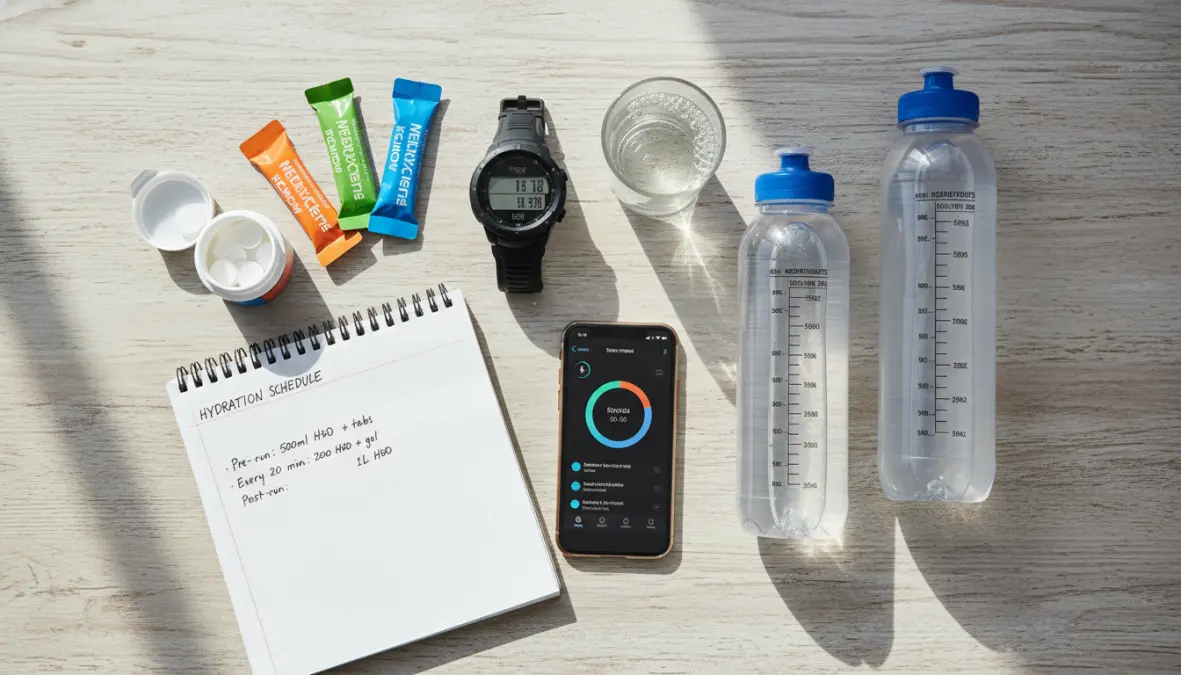
Creating an effective sports hydration strategy requires planning across three distinct phases: before, during, and after exercise. This comprehensive approach ensures you start well-hydrated, maintain optimal fluid balance during activity, and recover properly afterward. Your marathon hydration plan should be as detailed as your training schedule.
Pre-Exercise Hydration Protocol
Starting your event or training session in a well-hydrated state sets the foundation for success. Begin focusing on hydration 24-48 hours before major efforts—this means consistently drinking throughout the day, not chugging water right before the start line. In the 2-4 hours before exercise, aim for 5-7ml of fluid per kilogram of body weight. For a 70kg athlete, that’s roughly 350-500ml.
Use the urine color test as your hydration gauge: pale yellow indicates good hydration, while dark yellow or amber signals you need more fluids. For events lasting over 3 hours, consider pre-loading with sodium-containing fluids to help your body retain water and support plasma volume expansion. This is particularly valuable for ultra marathon runners who’ll be out on the course for extended periods.
During Exercise: Timing and Volume Guidelines
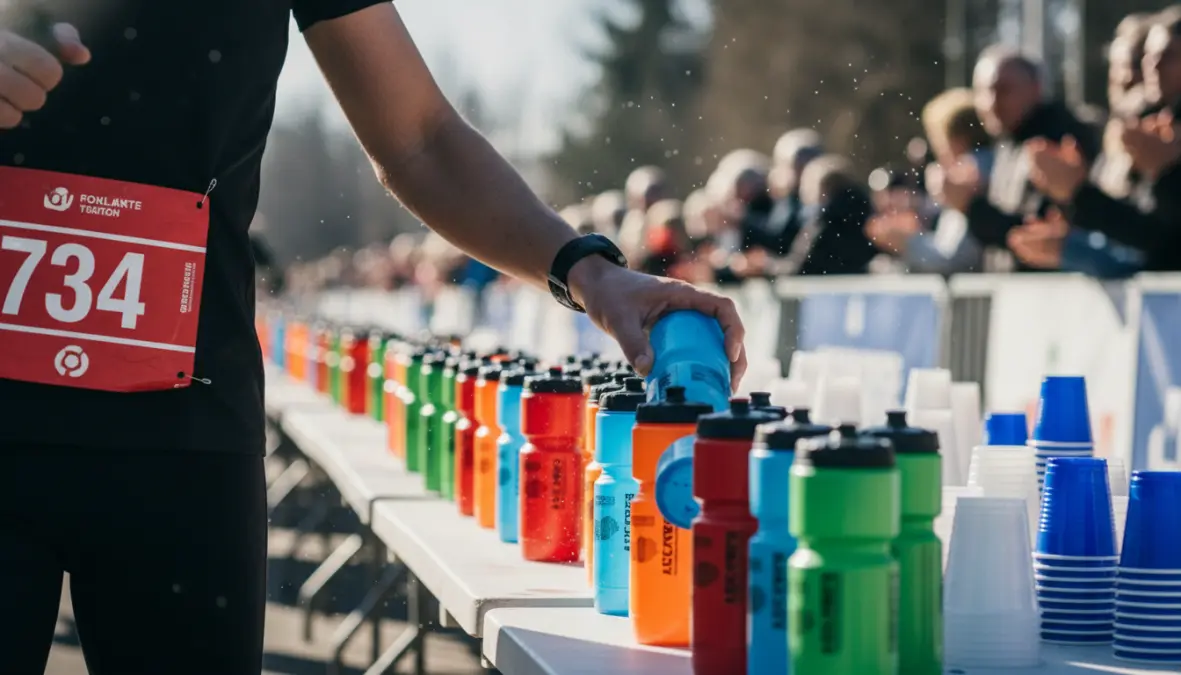
The general guideline for fluid intake during exercise falls between 400-800ml per hour, but this wide range reflects individual variability. Structure your drinking by consuming fluids every 15-20 minutes rather than waiting until you’re thirsty—though newer research suggests that drinking to thirst can be an effective strategy for some athletes, particularly in cooler conditions.
Sport type matters significantly in your hydration timing for runners versus cyclists. Cyclists can typically consume more fluids since they’re not dealing with the stomach jostling that runners experience. In hot and humid conditions, aim toward the higher end of the intake range, but be cautious not to overconsume. Hyponatremia—dangerously low blood sodium from excessive water intake—is a real risk in endurance events. The key question of how much water should endurance athletes drink doesn’t have a one-size-fits-all answer, which is why monitoring your individual response is critical.
Post-Exercise Recovery Hydration
Your hydration work isn’t done when you cross the finish line. To fully restore fluid balance, you need to replace approximately 150% of the fluids lost during exercise over the next 4-6 hours. This accounts for ongoing fluid losses through urination and continued sweating as your body temperature normalizes.
Weigh yourself before and after training sessions to calculate fluid deficits—each kilogram lost represents roughly 1 liter of fluid. Combine your rehydration efforts with carbohydrates and protein to support glycogen stores replenishment and muscle recovery. This integrated approach to endurance athlete nutrition accelerates your return to optimal training readiness.
Electrolyte Replacement: The Missing Piece in Your Hydration Plan
Here’s where many athletes get it wrong: plain water isn’t enough for efforts exceeding 60-90 minutes. When you’re asking about electrolyte drinks vs water for long distance running, the answer becomes clear once you understand sweat composition. Your sweat contains significant amounts of sodium—typically 500-1000mg per liter—along with smaller amounts of potassium, magnesium, and calcium.
Sodium is the star player in electrolyte replacement for athletes. It helps maintain plasma osmolality, supports fluid retention, and prevents the dilutional hyponatremia that can occur when athletes drink large volumes of plain water. When you’re wondering when to drink sports drinks during a marathon, the simple answer is: start early and continue regularly throughout, especially if you’re out there for more than 90 minutes.
Calculating your personal sodium needs requires understanding your sweat sodium concentration. Some athletes are “salty sweaters” who leave white residue on their clothing and need 600-1000mg of sodium per hour. Others lose sodium at lower rates and need less supplementation. The ideal concentration for carbohydrate electrolyte solutions is roughly 300-600mg of sodium per 500ml of fluid, combined with 6-8% carbohydrate content to support energy needs.
Sources of electrolytes include commercial sports drinks, electrolyte tablets, energy gels with added sodium, and even whole food options like pretzels or salted potatoes at aid stations. Recognizing electrolyte deficiency is crucial for performance optimization: watch for muscle cramping, nausea, mental confusion, or persistent fatigue that doesn’t match your effort level. These are warning signs that your sodium balance is off and requires immediate attention.
FAQ: Common Hydration Questions for Endurance Athletes
How much water should endurance athletes drink per hour?
Most endurance athletes should target 400-800ml of fluid per hour during exercise, adjusted for sweat rate, body size, and environmental conditions. Larger athletes in hot weather need amounts toward the higher end, while smaller athletes in cool conditions may need less. Calculate your personal needs through sweat rate testing rather than following generic recommendations.
What are the signs of dehydration during exercise?
The signs of dehydration during endurance events include excessive thirst, decreased urine output, dark urine color, dizziness, elevated heart rate beyond what’s normal for your effort level, reduced performance, and difficulty maintaining pace. Mental symptoms include confusion and poor decision-making. By the time you feel thirsty, you’re already experiencing mild dehydration.
Can you drink too much water during a marathon?
Absolutely. Overhydration leads to hyponatremia, a dangerous condition where blood sodium becomes dangerously diluted. This is a critical concern when learning how to prevent hyponatremia in endurance sports. Symptoms include nausea, headache, confusion, and in severe cases, seizures. Avoid drinking beyond your thirst and ensure you’re consuming electrolytes alongside fluids during long efforts.
What’s better: water or sports drinks for long runs?
For efforts under 60 minutes, water is generally sufficient. Beyond 90 minutes, sports drinks containing both carbohydrates and electrolytes become essential. They support energy delivery, maintain sodium balance, and improve fluid absorption through the gut. The best hydration strategy for ultra marathon runners always includes electrolyte-containing beverages, not plain water alone.
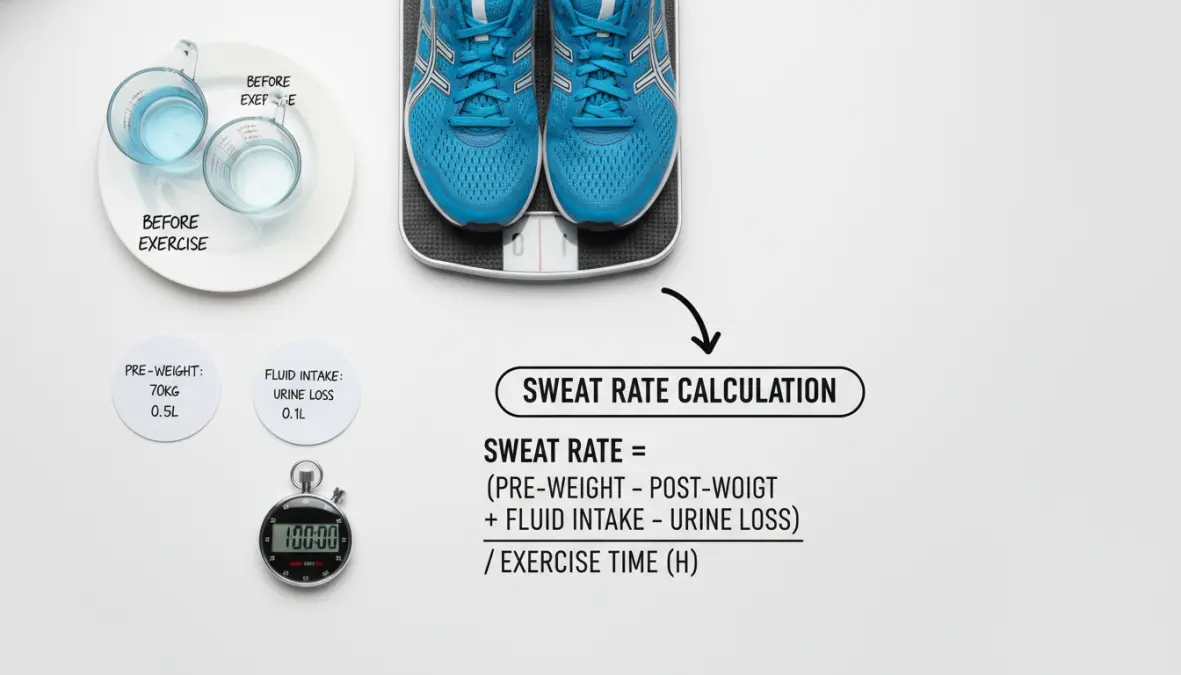
How do I calculate my sweat rate?
The sweat rate calculation is straightforward: weigh yourself naked before exercise, train for exactly one hour at race pace, then weigh yourself again immediately after (towel off but don’t drink). Subtract your post-weight from pre-weight, add any fluid consumed during the hour, and convert to milliliters (1kg = 1000ml). This gives your hourly sweat rate under those specific conditions.
Mastering hydration is a continuous process of experimentation and refinement. Your hydration protocol for ironman training will evolve as you gather data about your body’s responses to different strategies, weather conditions, and intensity levels. Start implementing these evidence-based approaches during training, track your results, and fine-tune your plan before race day. Remember: what you drink, when you drink it, and how much you consume can make the difference between achieving your goals and struggling to the finish. Stay consistent, stay smart, and most importantly—stay hydrated.