
Brick Workouts for Triathletes: Master the Bike-to-Run Transition
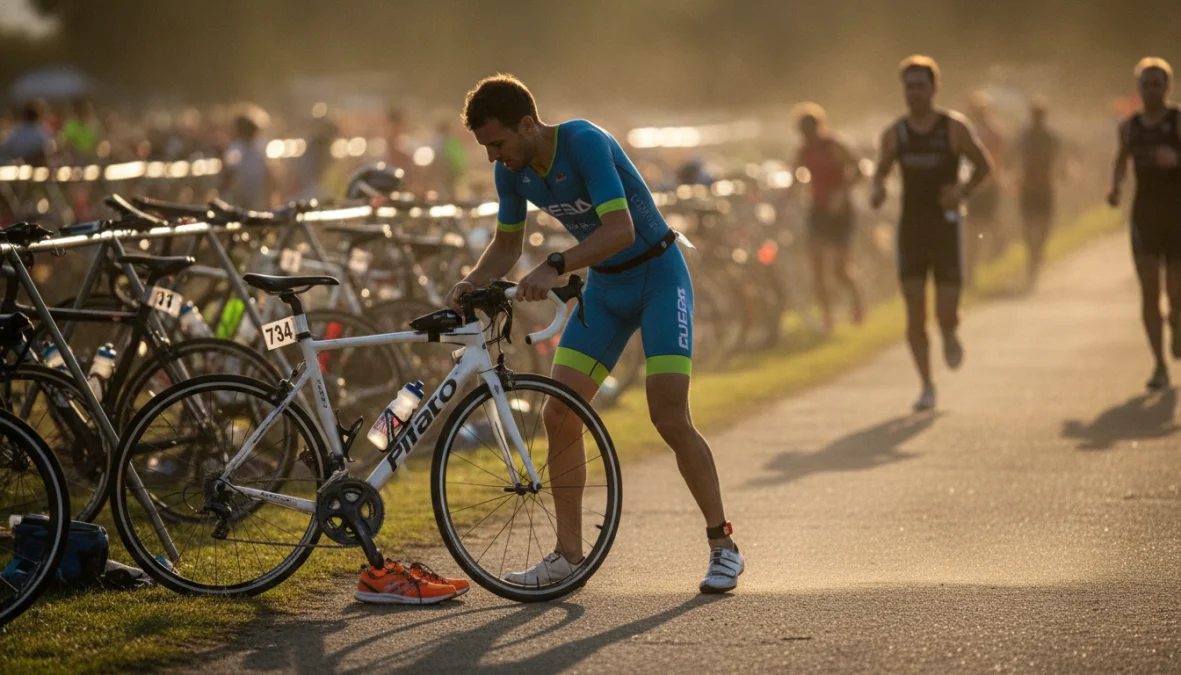
Ever hopped off your bike during a triathlon and felt like your legs turned into concrete blocks? That wobbly, heavy-legged sensation isn’t just in your head—it’s your body screaming for adaptation. That’s exactly where brick workouts triathlon training comes in. These unique sessions simulate the jarring transition from cycling to running, teaching your muscles and mind to handle one of the toughest moments in multisport racing. Let’s dive into why brick sessions are non-negotiable for serious triathletes and how to structure them for maximum race-day payoff.
What Are Brick Workouts and Why They Matter for Triathletes
So, what is a brick workout in triathlon training? Simply put, brick workouts triathlon sessions combine two disciplines back-to-back—typically bike followed immediately by run—with minimal to no rest between them. The name “brick” likely comes from the heavy, stiff feeling your legs get when you start running off the bike, though some claim it stands for “Bike-Run-ICK!”
Unlike training cycling and running separately, triathlon brick training addresses the unique physiological challenge of the bike to run transition. When you’re cycling, your hip flexors are in a shortened position and your running muscles are temporarily “asleep.” Suddenly switching to running requires rapid neuromuscular adaptation—your body needs to recruit different muscle fibers, adjust stride mechanics, and recalibrate your cardiovascular system.
The brick workout benefits are substantial:
- Muscular adaptation: Your legs learn to handle the specific fatigue pattern of cycling followed by running
- Neuromuscular training: Improved leg turnover and running mechanics despite pre-fatigue
- Race simulation: Mental preparation for the discomfort of T2 and the first mile of the run
- Transition efficiency: Practice makes perfect—you’ll nail your transition zone practice and shave precious seconds
- Pacing mastery: Learn how hard you can push on the bike without destroying your run split
For anyone serious about triathlon training, brick sessions are the bridge between individual discipline fitness and actual race performance.

How to Do Brick Workouts: Structure, Intensity, and Progression
Understanding how to do brick workouts properly can make the difference between productive training and just accumulating junk miles. The key is progressive overload—start manageable and build complexity as your body adapts.
Basic Brick Workout Structure for Beginners
If you’re wondering about the best brick workouts for beginner triathletes, keep it simple. Your first bike run brick workout should focus on neuromuscular adaptation rather than crushing intensity.
Entry-level brick format:
- 20-30 minutes easy-to-moderate cycling
- Quick transition (practice changing shoes, putting on race belt)
- 10-15 minutes easy running at conversational pace
Start with just one brick session per week, typically mid-week when you’re not too fatigued. The intensity should be Zone 2-3 (comfortable, sustainable). Your goal isn’t to hammer—it’s to teach your body the specific sensation of running off the bike.
Logistically, you can do this on a stationary trainer at home (set up your running shoes nearby), at the gym, or by cycling to a running path. The simpler the setup, the more likely you’ll actually do it consistently.
Advanced Brick Sessions and Race-Specific Training
Once you’ve got 4-6 basic brick sessions under your belt, it’s time to progress. Advanced brick sessions triathlon athletes use mimic race-day demands more closely.
Intermediate/advanced formats:
- Long bricks: 60-90 minute bike + 20-40 minute run at race pace
- Intensity bricks: Include intervals—example: 45 min with 3×8 min at threshold on bike, then 20 min run with progressive effort
- Multiple transition bricks: Bike-run-bike-run to practice T2 multiple times
- Race-simulation bricks: Full-distance bike followed by target-pace run
For those training for longer distances, understanding how to structure a brick workout for triathlon depends on your A-race. Sprint triathletes might do higher-intensity, shorter bricks. Ironman athletes need those marathon-paced run legs after 3+ hours on the bike.
Timing matters too. Schedule your hardest bricks 6-8 weeks before race day, then taper the intensity (but not necessarily frequency) as you approach race week. Complement your brick training with strength work for cyclists to build resilience.
Mastering the Bike-to-Run Transition: Tips and Common Mistakes
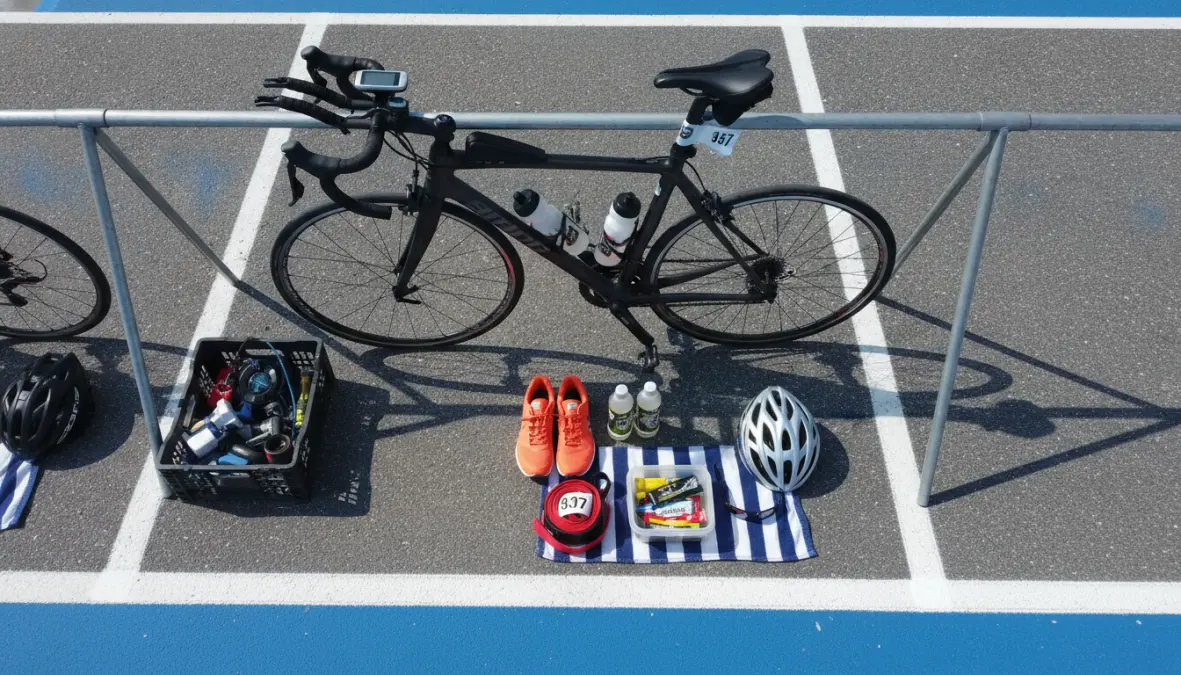
The T2 transition is where races are won or lost—not just in time saved, but in how well you handle those critical first minutes of the run. Your triathlon transition training should address both physical and mental aspects.
Key physiological considerations:
Those heavy legs you feel aren’t weakness—they’re normal. Your hip flexors are tight from cycling, your running muscles need blood flow redirection, and your stride mechanics are temporarily compromised. Combat this by maintaining a higher cadence (90+ rpm) in the final 5-10 minutes of your bike leg. This “spins up” your leg turnover and eases the transition.
During the run start, resist the urge to overcorrect. Yes, you’ll feel slow and awkward for the first 5-10 minutes. That’s expected. Start conservatively—about 10-15 seconds per mile slower than your target pace—and let your body find its rhythm.
Common mistakes to avoid:
- Starting too fast: Adrenaline lies—your legs need time to adapt before you can trust your perceived effort
- Skipping transition practice: Don’t just train the disciplines; practice the actual transition mechanics
- Doing too many bricks: More isn’t better—these are high-stress sessions that can lead to overtraining symptoms if overdone
- Neglecting recovery: Plan active recovery after hard brick sessions
- Ignoring nutrition: Practice your race-day hydration strategy during bricks
Mental strategies matter too. Use mental training techniques to stay present during that uncomfortable first mile. Track your progress with a quality multisport watch to see how your transition times improve.
Frequently Asked Questions
How often should triathletes do brick workouts?
Most triathletes benefit from one brick workout per week during base and build phases. Beginners should start with one every 7-10 days. During peak training (6-8 weeks before race day), you might include two per week—one shorter, high-intensity session and one longer, race-pace effort. Always allow at least 48 hours between brick sessions and other hard workouts.
What’s the ideal duration for a brick workout?
It depends on your race distance. For a brick workout training plan for sprint triathlon, try 30-40 minutes bike + 15-20 minutes run. Olympic distance athletes might do 60-75 minutes + 20-30 minutes. For Ironman, build to 90-120 minutes cycling + 30-60 minutes running. The run portion should never exceed one-third of your bike time for recovery purposes.
Can you do brick workouts on a trainer?
Absolutely! Indoor trainers are perfect for brick sessions—you can control intensity precisely, transition is instant, and weather isn’t a factor. Just set up your running gear nearby, complete your bike portion, and immediately head out for your run. The neuromuscular adaptation happens regardless of whether you’re indoor or outdoor cycling.
Do brick workouts replace regular bike or run training?
No—brick sessions complement your single-discipline training but shouldn’t replace it. You still need dedicated bike sessions for endurance and power development, and solo runs for pacing and running-specific fitness. Think of bricks as race-specific training that ties everything together, not as a substitute for building your aerobic base.
Mastering the bike-to-run transition through smart brick training will transform your triathlon performance. Start conservative, progress intelligently, and remember—those heavy legs at T2 are just your body’s way of asking for more practice. Now get out there and start stacking those bricks!