
Cycling Chamois Cream Guide: Why, When, and How to Use It for Maximum Comfort
There’s nothing quite like the experience of a long bike ride—until friction turns your saddle into an instrument of torture. If you’ve ever cut a ride short because of uncomfortable chafing or dealt with painful saddle sores afterward, you already know why so many cyclists swear by chamois cream. This chamois cream guide will walk you through everything you need to know about this essential cycling product, from what it actually does to how to apply it like a pro.
What Is Chamois Cream and Why Cyclists Need It
Let’s start with the basics. Chamois cream (sometimes called chamois butter) is a specialized lubricant designed to reduce friction between your skin and your cycling shorts’ chamois pad. Unlike regular lotions, cycling chamois cream stays put during hours of pedaling, sweat, and movement, creating a protective barrier that prevents the rubbing that causes skin irritation and saddle sores.
The science is straightforward: when you ride, every pedal stroke creates micro-movements between your body and the saddle. Over thousands of repetitions, this friction damages your skin, creating painful inflammation and sometimes open sores. Anti chafe cream cycling products work by reducing this friction while also providing antibacterial protection to prevent infection in vulnerable areas.
You might wonder: do you really need chamois cream? The answer depends on several factors. Beginners on short recreational rides might get away without it, especially if they’re riding quality cycling shorts padding. However, once you start logging longer distances or increase ride frequency, chamois cream becomes less of a luxury and more of a necessity. Most experienced cyclists won’t even consider rides over 50 miles without it. Just as proper nutrition supports your performance (check out our recovery nutrition guide for post-ride fueling strategies), chamois cream supports your physical comfort during the ride itself.
The difference between chamois cream and chamois butter is mostly marketing—they’re essentially the same product, though some brands use “butter” to emphasize a thicker, more emollient texture. What matters more is finding a formula that works for your skin and riding style.

How to Apply Chamois Cream: Step-by-Step Application Guide
Knowing how to apply chamois cream correctly makes all the difference between effective protection and wasted product. Timing matters: apply chamois cream immediately before you get dressed for your ride, after you’ve showered and dried off completely. Moisture prevents proper adhesion and reduces effectiveness.
Here’s the step-by-step process for how to use chamois cream for cycling:
- Start with clean, dry skin and clean cycling shorts
- Squeeze a dollop about the size of a quarter into your hand (adjust based on ride length)
- Warm the cream between your palms for easier application
- Apply directly to your skin, covering all contact areas: sit bones, inner thighs, and any areas prone to chafing
- Use enough to create a thin, even layer—you should feel a slight slickness but not be dripping
- Put on your cycling shorts immediately afterward
A common question is how much chamois cream to use. For rides under two hours, a quarter-sized amount usually suffices. For long distance cycling adventures lasting four hours or more, double that amount and consider bringing a travel-sized container for reapplication at rest stops.
Common mistakes include applying too little (ineffective protection), applying over dirty skin (increases infection risk), or waiting too long between application and riding (cream absorbs before it can protect). For women, pay special attention to labial areas; for men, focus on the perineum and inner thigh creases.
Direct Application vs Chamois Application
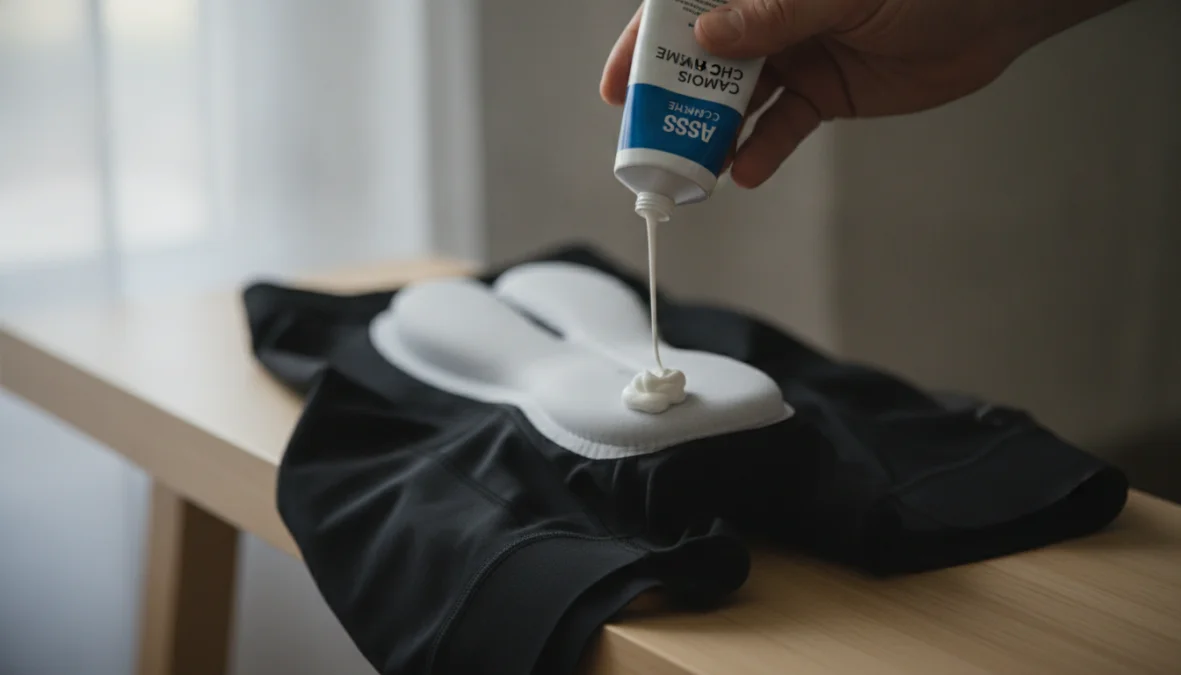
The debate about where to apply chamois cream cycling has two camps: skin application versus chamois application. Most experienced cyclists and bike chamois cream review experts recommend applying directly to skin for several reasons. Skin application ensures the product goes exactly where you need it, allows you to feel the coverage, and prevents product waste in areas of the pad that don’t contact skin.
However, applying to the chamois pad itself has advantages for quick changes during multi-day events or when sharing changing facilities. Some cyclists use a hybrid approach: skin application for primary contact areas and a light chamois application for additional coverage. For beginners, we recommend starting with skin application to develop awareness of your specific friction points—similar to how proper bike fitting teaches you about optimal positioning.

Choosing the Best Chamois Cream: What to Look For
The market offers dozens of options, making choosing the best chamois cream feel overwhelming. Focus on these key factors when selecting a product for saddle sore prevention.
Texture matters significantly. Thicker, butter-like formulas provide more cushioning and last longer, making them ideal for best chamois cream for long rides. Lighter, gel-based creams feel less noticeable but may require reapplication on extended outings. Neither is objectively better—it’s about matching the product to your needs.
For sensitive skin, look for fragrance-free, hypoallergenic formulas. Many riders with allergies prefer natural chamois cream alternatives using plant-based ingredients rather than synthetic compounds. However, natural doesn’t automatically mean better—some natural ingredients like certain essential oils can actually increase skin irritation prevention issues for sensitive individuals.
Price ranges vary wildly, from budget options around $10 to premium formulas exceeding $30. Mid-range products ($15-20) typically offer the best value, with quality ingredients at reasonable prices. Popular options include Chamois Butt’r (classic choice with proven track record), Assos Chamois Creme (premium option with cooling sensation), DZ Nuts (natural formula popular with ultra-distance riders), and Body Glide Anti-Chafe Balm (budget-friendly alternative originally designed for runners but effective for cycling comfort).
Most chamois creams last 12-24 months unopened. Once opened, use within 6-12 months for best effectiveness. If your cream separates, changes color, or develops an off smell, replace it.
Key Ingredients for Effective Saddle Sore Prevention
Understanding ingredients helps you choose wisely. Tea tree oil provides natural antibacterial and antifungal protection, preventing infection in areas where bike seat friction creates skin vulnerability. Aloe vera soothes existing irritation and promotes healing if you’re already dealing with minor chafing. Witch hazel acts as a natural astringent, reducing inflammation and providing a mild cooling effect.
Menthol creates a cooling sensation that many cyclists find soothing, though it can be too intense for sensitive skin or existing irritation. Vitamin E supports skin health and repair, helping your body recover from the repetitive stress of cycling. Some formulas also include shea butter or coconut oil for enhanced moisturizing and friction reduction.
Avoid products with alcohol as a primary ingredient—it dries skin and can sting damaged areas. Similarly, petroleum jelly (Vaseline) works in a pinch but isn’t ideal for anti chafing during cycling because it breaks down with sweat and movement, potentially leaving you unprotected mid-ride.
FAQ: Common Questions About Chamois Cream
How often should I use chamois cream?
Use chamois cream whenever you ride longer than 90 minutes or whenever you experience chafing on shorter rides. Many cyclists use it on every ride regardless of length once they’ve experienced its benefits.
Can I use chamois cream on every ride?
Absolutely. There’s no harm in daily use, and consistent application actually helps maintain healthy skin. Think of it as part of your pre-ride routine, like checking tire pressure or fueling properly (our carb cycling guide covers nutrition timing).
Does chamois cream expire?
Yes. Check the packaging for expiration dates. Even without a printed date, replace opened containers after 12 months or if you notice texture, smell, or color changes.
Can I use regular anti-chafe cream instead?
Generic anti-chafe products like those designed for running can work temporarily, but they’re not formulated for the unique demands of cycling. They often don’t last as long under the specific friction patterns and moisture levels of bike riding.
Should I wash it off after riding?
Yes. Shower as soon as possible after riding, thoroughly washing away all chamois cream, sweat, and bacteria. Leaving it on extends exposure to bacteria and sweat, potentially causing the very problems you’re trying to prevent.
Is chamois cream necessary for short rides?
For rides under an hour on familiar routes with proven comfort, you can probably skip it. However, if you’re trying a new saddle, new shorts, or riding in hot weather that increases sweat and friction, use it even on shorter outings.
Mastering chamois cream use is a simple step that dramatically improves your cycling experience. Whether you’re preparing for spring training rides or tackling your first century, proper application of quality chamois cream keeps you focused on the road ahead rather than discomfort below. Don’t let friction and saddle sores cut your rides short—make chamois cream a non-negotiable part of your cycling kit.