Time Trial Pacing Strategy: How to Distribute Effort for Your Best TT Performance
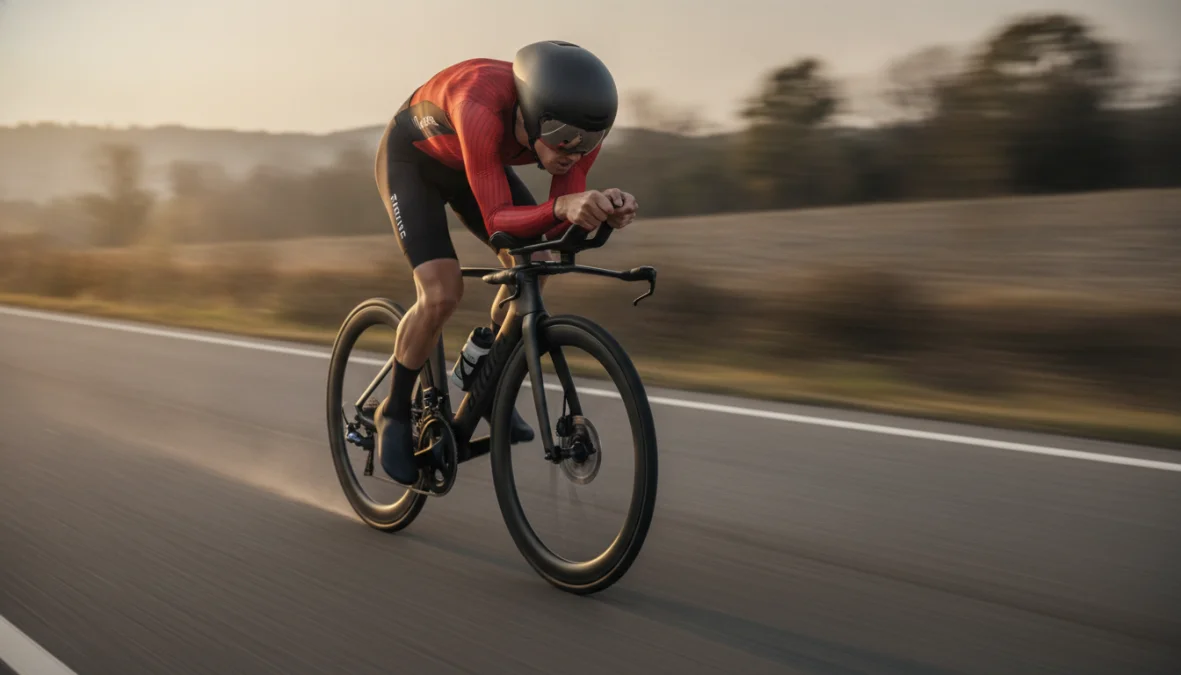
You’ve trained for weeks, your bike is dialed in, and race day finally arrives. But there’s one thing that can make or break your performance more than any piece of equipment or training session: your time trial pacing strategy. Going out too hard is the classic mistake that leaves riders crawling to the finish line, while those who master effort distribution often fly past in the final kilometers. Understanding how to pace a time trial isn’t just about holding back—it’s about deploying your energy in the smartest way possible to achieve your fastest time.
Understanding Time Trial Pacing: Why Even Effort Wins Races
The science behind time trial pacing strategy is surprisingly straightforward: your body produces power most efficiently when effort remains relatively constant. When you surge hard and then back off, you’re not just averaging out the effort—you’re actually paying a physiological penalty. This happens because high-intensity efforts above your lactate threshold produce metabolic byproducts faster than your body can clear them, creating fatigue that persists even when you ease up.
Research consistently shows that even pacing produces faster times than variable efforts with the same average power. This principle of effort distribution cycling means maintaining a steady power output throughout your time trial, rather than starting aggressively and fading. The cumulative fatigue from irregular pacing compounds as the race progresses—those early surges cost you far more in the final kilometers than you gained in the opening minutes.
Think of your energy reserves like a bank account with severe overdraft penalties. Spending too much early doesn’t just deplete your reserves faster; it actually costs you extra through physiological fatigue that disproportionately impacts your ability to sustain power later. This is why the best cycling time trial strategy focuses on sustainable, steady power rather than heroic efforts that feel impressive but destroy your finishing speed.
Building Your Optimal TT Pacing Plan
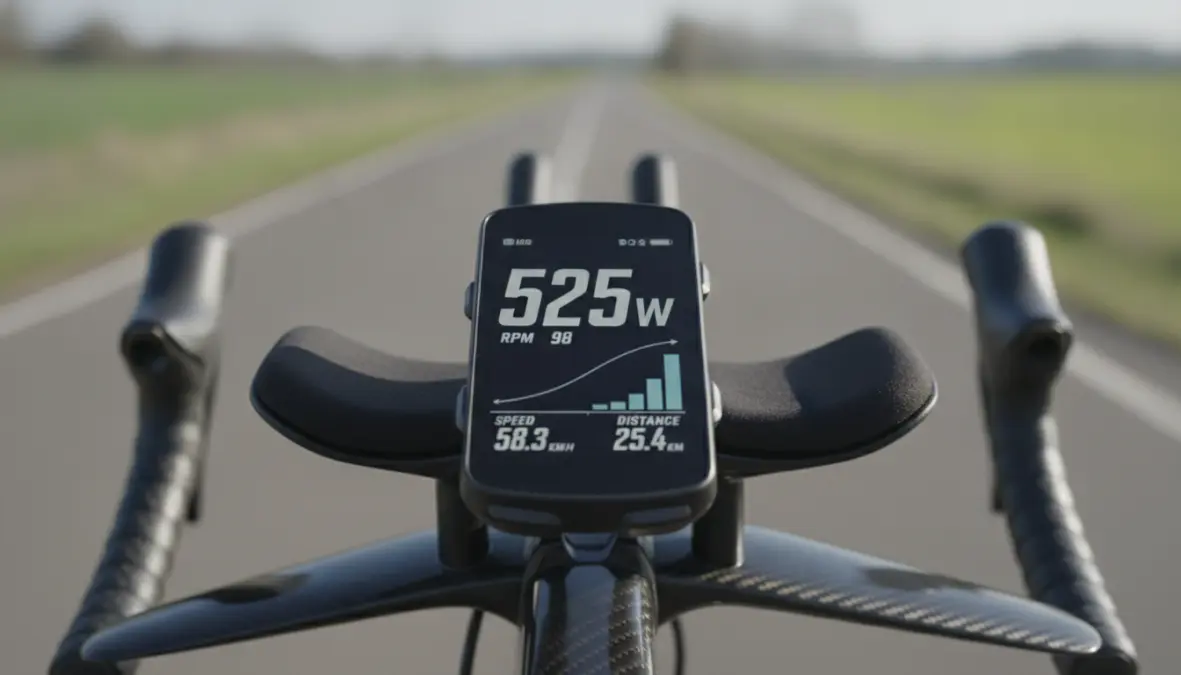
Creating an effective TT pacing plan starts with knowing your functional threshold power (FTP)—the maximum power you can sustain for roughly an hour. This becomes your reference point for all pacing decisions. For a 40km time trial lasting 50-70 minutes for most riders, you’d typically target 90-95% of FTP. Shorter 10-mile efforts might allow 95-100% FTP, while longer events require more conservative targets around 85-90%.
Your power pacing strategy should account for course terrain and conditions. On flat courses, maintaining constant power is straightforward. But hills require adjustment—you’ll naturally produce higher watts climbing and lower watts descending while maintaining the same perceived effort. The key is keeping your effort level steady, even as power output fluctuates slightly. Using a quality power meter and fitness tracker becomes essential for executing this strategy precisely.
Cadence optimization also plays a crucial role. Most riders perform best between 85-95 rpm in their aerodynamic position, though individual preferences vary. Higher cadences reduce muscular strain but increase cardiovascular demand, while lower cadences do the opposite. Practice your target cadence during race simulation sessions to find your sweet spot and train your body to sustain it comfortably.
For practical implementation when learning how to pace a 40k time trial, start conservatively: first quarter at 92% FTP, middle half at 94-95%, final quarter at 96-98% if you have energy remaining. This approach prioritizes energy conservation early while allowing you to finish strong, which is psychologically rewarding and often produces faster overall times.
The Negative Split Approach: When and How to Use It
A negative split time trial means completing the second half faster than the first—an approach that works brilliantly for longer events and riders who tend to start too aggressively. Rather than pure even pacing, this strategy deliberately holds back slightly in the opening portion to ensure you have reserves for a strong finish. The key question of even pacing vs negative split time trial often comes down to personal physiology and race conditions.
To implement negative splitting correctly, you might ride the first 40% of your time trial at 92% FTP, then gradually increase to 95-96% for the middle section, finishing at 98-100% for the final 10-15%. This isn’t the same as being overly conservative—it’s strategic front-loading of your reserves for maximum late-race speed. When wondering about the best pacing strategy for time trials, negative splitting works particularly well in hot conditions, technical courses, or when you’re uncertain about your current fitness level.
Course-Specific Pacing Adjustments
Real-world courses rarely cooperate with textbook pacing plans, which is where smart adjustments separate good performances from great ones. For the pacing strategy for uphill time trial sections, accept that your power will naturally increase while maintaining steady breathing and effort. Don’t try to hold the same watts climbing as you do on the flats—instead, focus on consistent perceived exertion. You can learn more about managing climbs effectively through proper hill climbing techniques.
Descents require a different approach. Many riders ease up completely, but this wastes valuable time. Instead, maintain moderate power output (60-70% FTP) to keep your legs engaged and metabolism active. This active recovery is more effective than complete rest while still banking some time. In technical sections with corners, prioritize smooth lines over maintaining exact power numbers—the time lost in poor cornering far exceeds minor power fluctuations.
Wind conditions demand perhaps the most significant pacing adjustments. Headwind sections require accepting slightly lower speeds for your power output, while tailwinds offer opportunities to exceed your average speed without exceeding target watts. The mistake many riders make is pushing too hard into headwinds, exhausting themselves for minimal speed gains, then not capitalizing enough on tailwind sections where the same power produces dramatically faster speeds.
Common Pacing Mistakes and How to Avoid Them
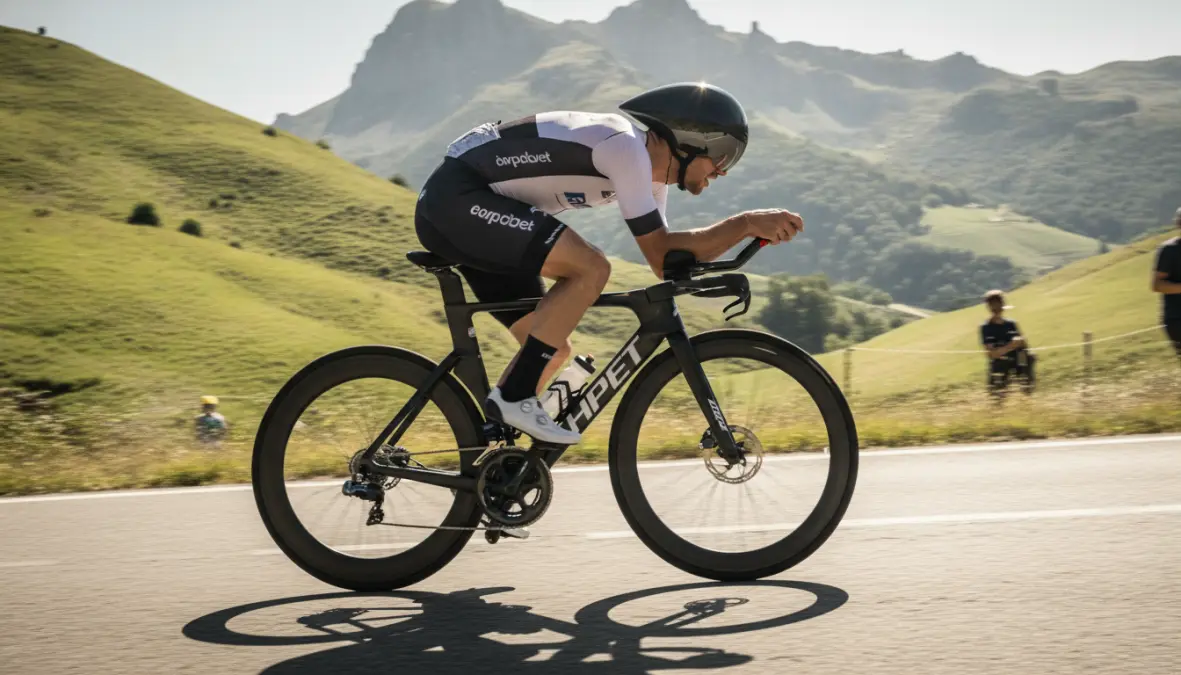
The number one error in time trial pacing is starting too aggressively. The adrenaline rush at the start line makes everyone feel superhuman, but those first five minutes at unsustainable power will haunt you mercilessly later. Discipline in the opening kilometers separates riders who fade from those who finish strong. When considering time trial pacing mistakes to avoid, this tops every list for good reason.
Another critical mistake is racing against other competitors instead of executing your optimal TT pacing plan. When someone passes you ten minutes into a 40km effort, the instinct to chase is overwhelming—but it’s usually wrong. They might be on a different pace strategy, having a great day, or more likely, making the classic mistake of going too hard early. Stick to your numbers and let your power meter training discipline pay off.
Many riders also ignore their data in favor of perceived effort, which becomes increasingly unreliable as fatigue sets in. Your power meter doesn’t lie, but your body will convince you that you’re going harder (or easier) than you actually are. Trust the numbers, especially when they conflict with your sensations. Similarly, prepare your strategy with proper indoor cycling training sessions that simulate race conditions.
Finally, mental fatigue undermines physical pacing. Time trials hurt, and the psychological challenge of maintaining discomfort for an extended period causes many riders to ease up unconsciously. Break the effort into manageable segments, focus on technical execution like maintaining your aero position, and use landmarks or time checks as mental anchors. Adequate recovery and sleep before race day also helps maintain mental sharpness when it matters most.
FAQ: Time Trial Pacing Questions Answered
What power should I target for a 40km time trial?
For most riders, a 40km TT takes 50-70 minutes, placing it right around the functional threshold duration. Target 90-95% of your FTP, depending on your fitness and conditions. Well-trained riders comfortable with their FTP can aim toward 95%, while those less certain should start at 90% and adjust based on how they feel at the halfway point.
Should I start a time trial hard or easy?
Neither extreme works well. Start at your target pace, perhaps even 2-3% below for the first 5 minutes until your physiology settles. The best pacing strategy for time trials involves reaching your sustainable power quickly but not explosively. Think of it as ramping to your cruising speed rather than launching out of a cannon.
How do I pace a hilly time trial?
Focus on even effort rather than even power when learning how to distribute power in a time trial with climbs. Allow your power to rise naturally on climbs while keeping your breathing and perceived exertion steady. Recover slightly on descents but maintain some power output (60-70% FTP) rather than coasting completely. The total normalized power should still hit your target percentage of FTP.
Is negative splitting better than even pacing in time trials?
Both strategies work, but negative splitting offers insurance against starting too hard—the most common pacing error. For riders prone to aggressive starts or in longer events, negative splitting produces more consistent results. However, truly even pacing (constant power output) remains physiologically optimal if you have the discipline to execute it properly. Understanding your heart rate zones can help you gauge your effort level accurately throughout your TT.
Mastering your time trial pacing strategy transforms you from someone who simply suffers through TTs to a rider who controls their performance. The difference between a good time trial and a great one often comes down to discipline in those opening minutes and smart distribution of your finite energy reserves. Practice your pacing in training, trust your power data on race day, and remember that the goal isn’t to start impressively—it’s to cross the finish line knowing you couldn’t have gone any faster.