Zwift Racing Guide: Proven Tactics and Training for Virtual Competition Success
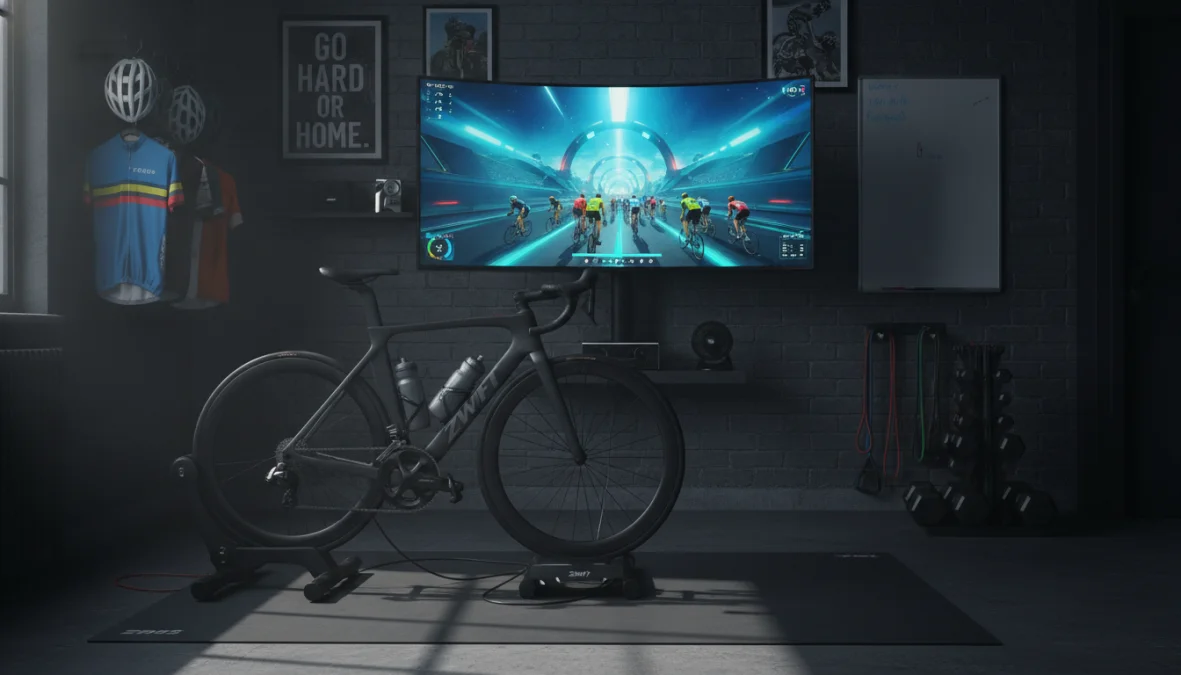
You’re sitting on your trainer, heart pounding, watching the countdown timer tick toward zero. In 30 seconds, you’ll be unleashing watts alongside hundreds of other riders in a virtual peloton. Zwift racing has transformed indoor cycling from a solitary grind into an adrenaline-fueled competitive arena where tactics, training, and smart execution separate the podium finishers from the pack. Whether you’re lining up for your first virtual race or hunting for that elusive category upgrade, this zwift racing guide will give you the strategies and insights to compete at your best.
Understanding Zwift Racing Fundamentals and Race Categories
Before you pin on that virtual number, you need to understand how zwift racing guide categories work. Zwift organizes virtual competitions into four main race categories (A through D) based on your power-to-weight ratio measured in watts per kilogram (w/kg). Category A typically requires 4.0+ w/kg for 20 minutes, B sits at 3.2-4.0 w/kg, C ranges from 2.5-3.2 w/kg, and D accommodates riders below 2.5 w/kg.
Choosing the right category matters enormously. Race too high and you’ll get dropped immediately; race too low and you’ll dominate unfairly (and likely get disqualified by race organizers who review power data). Calculate your Functional Threshold Power (FTP) divided by your weight to find your honest category. Most races display estimated w/kg requirements in the event description.
Zwift offers several race types. Criteriums feature short, punchy laps with frequent accelerations. Road races cover longer distances with varied terrain. Time trials are solo efforts against the clock. Each demands different tactics and equipment choices.
The drafting mechanics in Zwift deserve special attention because they differ from real-world physics. You’ll save approximately 25-40% of your power output when sitting in the draft, depending on pack size. The “double draft” effect means larger groups provide more savings. Unlike outdoor riding, Zwift’s draft extends slightly to the sides, making positioning more forgiving but also creating strategic opportunities for energy conservation that this zwift racing guide will help you exploit.
Essential Race Tactics for Zwift Competitions
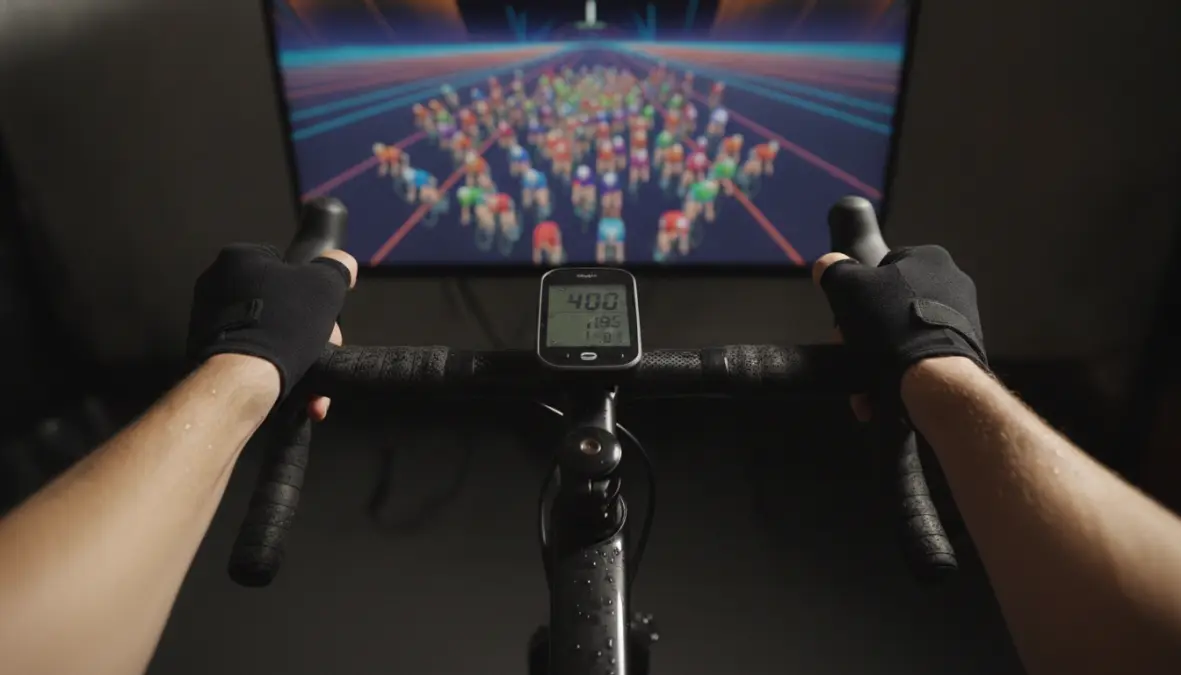
Success in zwift racing guide scenarios requires mastering both pre-race preparation and in-race execution. Your racing tactics begin 15-20 minutes before the start gun with a proper warm-up. Include some threshold efforts and a couple of short sprints to prime your system, similar to techniques outlined in our HIIT training guide.
The first 60 seconds of any Zwift race are absolutely critical. Races typically start at an unsustainable pace as everyone jostles for position. Expect to hit 120-150% of your FTP during this opening chaos. Stay near the front third of the pack but don’t lead—let others do the early work while you conserve energy in the draft.
Energy management separates winners from also-rans in virtual competitions. Monitor your power output constantly. On flat sections, sit comfortably in the draft at 70-80% FTP. When the road tilts upward, you’ll need to increase effort to 90-100% FTP to stay with the group, as drafting benefits diminish significantly on climbs.
Reading the virtual race requires attention to the rider list panel. Watch for sudden power spikes from competitors—these often signal attacks. When you see gaps forming, close them immediately. In Zwift, even small gaps can become insurmountable as the elastic effect amplifies separations.
Power-Up Strategy and Equipment Selection
Zwift’s four power-ups add a gamified element that doesn’t exist outdoors. The draft boost (green) enhances your drafting savings—save this for when you’re struggling to hold wheels. The aero boost (red helmet) reduces your drag on flats and descents—perfect for breakaways or closing gaps. The lightweight (feather) reduces your virtual weight on climbs—deploy this on the steepest gradients. The steamroller gives you increased power—ideal for final sprints or critical attacks.
Strategic power-up use wins races. Don’t waste them early. If the course has one decisive climb, save your feather for that moment. If it’s a flat sprint finish, hold the steamroller or aero boost for the final 500 meters.
Equipment selection matters enormously. For climbing races, choose lightweight frames like the ZWIFT Aero or Specialized Tarmac paired with lightweight wheels. For flat criteriums, prioritize aerodynamics with the Cervélo S5 and deep-section carbon wheels like the Zipp 858. For mixed terrain, the Tron bike (unlocked after climbing 50,000 meters in-game) offers the best all-around performance.
Positioning and Drafting Techniques
Your position in the virtual peloton determines how much energy you conserve. The sweet spot sits in the front third but not at the very front—typically positions 5-15 in a 50-rider race. This placement keeps you safe from crashes (yes, they happen virtually when riders overlap), gives you reaction time when attacks go, and maximizes draft benefits.
In Zwift, you don’t need to worry about crosswinds or echelons, simplifying positioning compared to outdoor racing. However, corners require technique. Zwift automatically slows you slightly through turns, so enter corners near the front of your group and accelerate out to maintain position.
On climbs where drafting diminishes, drift toward the front. On descents where draft matters most, tuck into the pack and recover. This rhythm of advancing and retreating conserves enormous energy over a 40-minute race.
Training Plans and Preparation for Zwift Racing Success
Winning races happens in training long before the start line. A proper zwift racing guide emphasizes structured preparation focused on the physiological demands of virtual competitions.
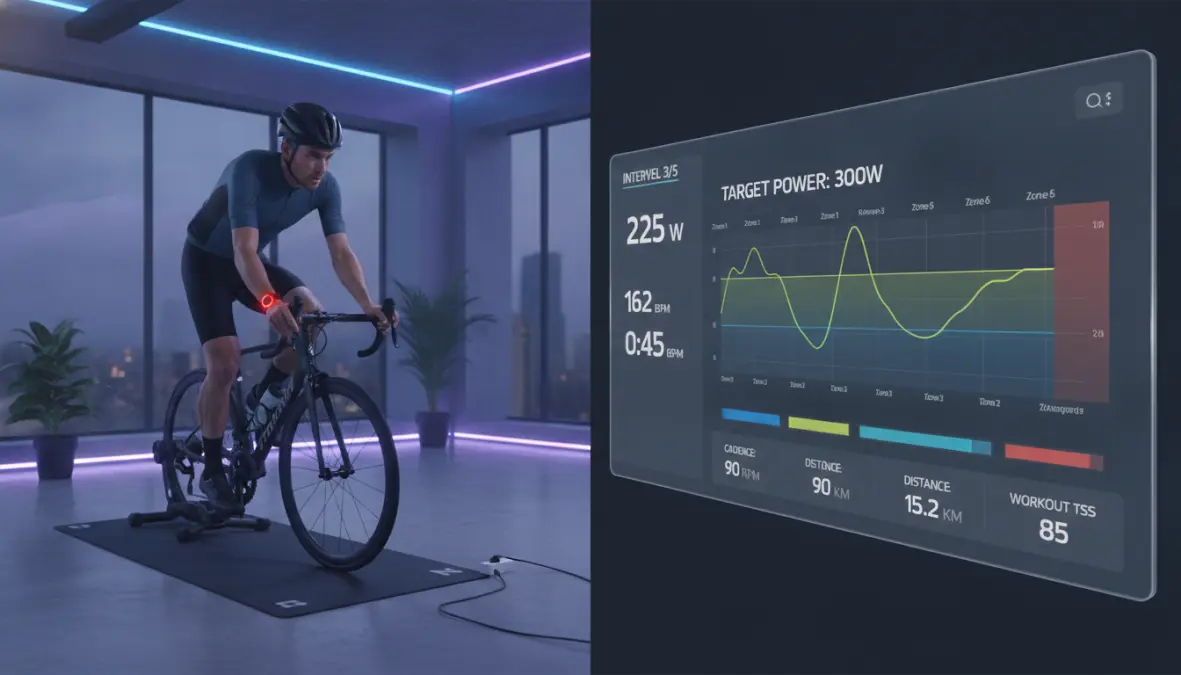
Your training foundation should build FTP through threshold intervals—efforts at 95-105% FTP for 10-20 minutes with equal recovery. Zwift’s built-in workouts like “SST (Short)” and “Over-Unders” perfectly target this zone. Perform these sessions 2-3 times weekly during base training phases, similar to structured approaches in our triathlon training guide.
Racing demands explosive power, so incorporate VO2max intervals—efforts at 110-120% FTP for 3-5 minutes. These hurt, but they prepare you for the surges that define Zwift racing. The “30/30s” workout alternating 30 seconds hard with 30 seconds easy builds this capacity brilliantly.
Don’t neglect sprint training. Even if you’re not a natural sprinter, races often come down to final kicks. Practice 15-20 second all-out efforts from various speeds—from a rolling start and from near-standstill. This builds neuromuscular power and sprint tactics.
Race simulation is invaluable. Join a weekly race or group ride that mimics race intensity. This develops your mental toughness and tactical awareness, skills explored in our mental training guide.
Monitor key metrics post-race: average power, normalized power (which accounts for variability), w/kg during climbs, and power during the final sprint. Use Zwift Companion app or third-party tools like ZwiftPower to analyze your data. Identify where you lost contact or wasted energy, then address those weaknesses in training.
Recovery matters as much as hard training. After intense races, schedule easy spins at 50-60% FTP for 30-45 minutes. Follow a periodized approach with 2-3 weeks of building intensity followed by an easier recovery week. Track your fitness with quality fitness trackers that monitor training load and recovery metrics.
FAQ
How do I choose the right race category on Zwift?
Calculate your 20-minute power divided by your body weight in kilograms to find your w/kg. Match this to category guidelines: A (4.0+ w/kg), B (3.2-4.0), C (2.5-3.2), or D (below 2.5). Always race your honest category to ensure fair competition and meaningful results.
What are the best bikes for Zwift racing?
For climbing courses, use the Specialized Tarmac or ZWIFT Aero with lightweight wheels. For flat races, choose the Cervélo S5 with deep aero wheels like Zipp 858. The Tron bike offers the best all-around performance for mixed terrain once unlocked through the Everest Challenge.
How do power-ups work in Zwift races?
You’ll randomly receive one of four power-ups during races: draft boost (better drafting), aero boost (reduced drag), lightweight (reduced weight on climbs), or steamroller (increased power). Use them strategically—feathers on steep climbs, aero boosts for breakaways, steamrollers for sprints. You can only hold one at a time.
How can I improve my FTP for better race results?
Focus on threshold intervals at 95-105% FTP for 10-20 minutes, performed 2-3 times weekly. Include VO2max work at 110-120% FTP and incorporate race simulations. Consistent training with proper recovery typically raises FTP by 5-10% over 8-12 weeks. Track progress with regular FTP tests every 4-6 weeks.
What’s the best warm-up routine before a Zwift race?
Begin 15-20 minutes before the race with 5 minutes of easy spinning, then build to tempo pace for 5 minutes. Include two 1-minute efforts at threshold and two 15-second sprints with full recovery between. Finish with 2-3 minutes of easy spinning. This primes your cardiovascular and neuromuscular systems for the explosive race start.
Should I race on Zwift differently than outdoor races?
Yes. Zwift races start harder, feature more consistent surges, and eliminate environmental variables like weather. The enhanced drafting means staying in the pack is easier but attacks are harder to follow. Power-ups add tactical complexity. However, fundamental skills like pacing and positioning transfer between platforms, much like principles in our indoor to outdoor cycling transition guide.
Zwift racing offers an incredibly accessible yet deeply competitive platform for cyclists of all levels. By understanding race categories, mastering tactical execution, choosing equipment wisely, and following structured training, you’ll find yourself moving up through the pack and achieving results you never thought possible from your pain cave. Remember that every world-class Zwifter started exactly where you are now—one race, one pedal stroke at a time. See you on the start line.