
Chamois Cream Cycling Guide: How to Prevent Chafing and Saddle Sores on Long Rides
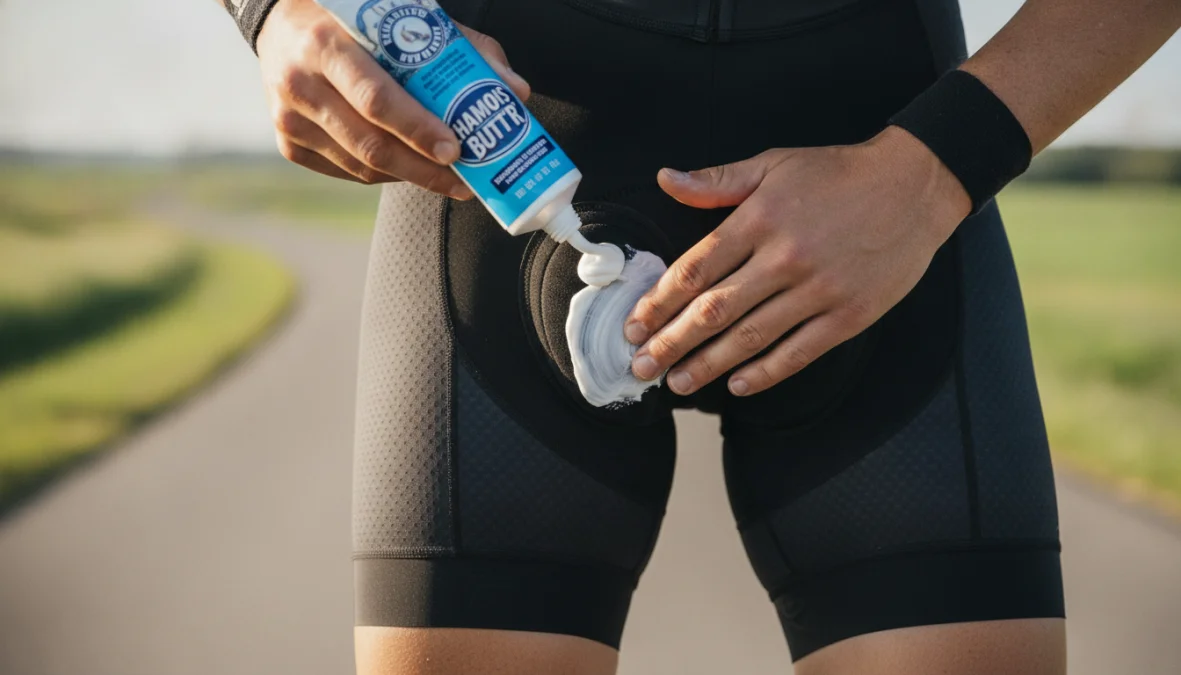
Every cyclist knows that feeling—the subtle discomfort that starts around mile 30 and turns into a full-blown burning sensation by mile 60. Chafing and saddle sores can transform an epic ride into a painful ordeal, but here’s the good news: chamois cream cycling products exist specifically to prevent this misery. Whether you’re tackling your first century ride or preparing for a multi-day tour, understanding how to use bike shorts cream properly can be the difference between finishing strong and limping home early.
What Is Chamois Cream and Why Every Cyclist Needs It
Chamois cream cycling products—also called chamois butter or bike shorts cream—are specialized lubricants designed to reduce friction between your skin and the padded chamois in your cycling shorts. Unlike regular lotions, these formulations create a protective barrier that minimizes skin friction while often incorporating antibacterial and anti-fungal properties to prevent infections that can lead to painful saddle sores.
The difference between chamois butter and cream is mostly terminology—both serve the same purpose, though “butter” typically refers to thicker, more emollient formulations while “cream” might be slightly lighter. Regardless of the name, these padded shorts cream products work by creating a slippery surface that allows your skin to move smoothly against the chamois during thousands of pedal strokes.
When is chamois cream essential? Absolutely for rides exceeding two hours, during hot weather when sweat increases moisture and friction, on multi-day cycling tours, and whenever you’re pushing into endurance cycling territory. The benefits are substantial: prevention of cycling saddle sores, dramatically improved comfort during long rides, reduced perineal irritation, and protection against bacterial infections that thrive in the warm, moist environment created by extended time in the saddle. Even with proper bike fit optimization, friction remains inevitable—chamois cream addresses what positioning alone cannot.
How to Choose and Use Chamois Cream for Maximum Protection
Selecting the best chamois cream requires understanding several key factors. Start with ingredients: look for formulations containing skin-soothing agents like aloe vera, shea butter, or witch hazel. Anti chafe cycling cream products should include antibacterial ingredients such as tea tree oil or menthol, and some offer anti-fungal properties using natural ingredients like lavender or synthetic compounds. Consider whether you prefer natural versus synthetic formulations—natural options work well for chamois cream for sensitive skin, while synthetic products sometimes offer longer-lasting protection.
Consistency matters too. Thicker creams provide more substantial protection for extremely long rides, while lighter lotions feel less intrusive for shorter efforts. Decide between scented and unscented options—many cyclists prefer unscented to avoid potential irritation, though some menthol-based products provide a cooling sensation that enhances comfort in hot conditions, similar to wearing appropriate summer cycling gear.
How to apply chamois cream cycling properly makes all the difference. The quantity needed is surprisingly modest—about a nickel-sized amount for shorter rides, up to a quarter-sized dollop for centuries or ultra-distance events. The debate of where to apply—directly on skin versus on the chamois pad—has advocates on both sides, but most experienced cyclists apply directly to skin (perineal area, sit bones, inner thighs) for more consistent coverage and easier reapplication. Apply 5-10 minutes before riding to let the cream settle.
For rides exceeding four hours, consider reapplying at rest stops. Simply add a small amount to areas experiencing the most friction. Common mistakes include using too much (which creates a slippery mess), applying only to the chamois (which provides uneven coverage), or waiting until discomfort begins (prevention beats treatment every time).
When comparing chamois cream vs body glide cycling products, remember that anti-chafe balms like Body Glide are designed for general athletic use and may not offer the antibacterial protection or moisture management specific to cycling’s unique demands.

Top Chamois Creams: Features and What to Look For
The market offers excellent options across various price points and formulations. Here’s what makes certain products stand out as the best chamois cream for long rides:
Assos Chamois Crème remains a favorite among road cyclists and endurance riders. Its antibacterial formula uses natural extracts and provides excellent long-ride protection. The consistency is medium-thick, making it ideal for prevent saddle sores on century rides. Premium pricing reflects professional-grade quality, and it works exceptionally well with high-end cycling bib shorts.
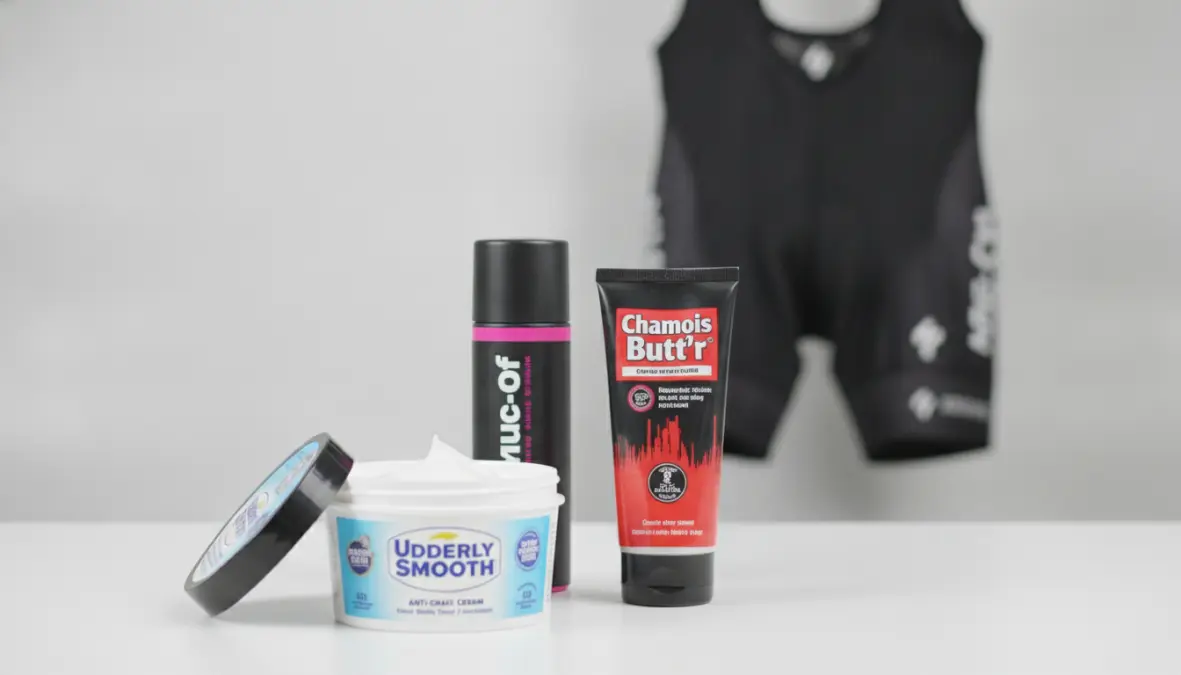
Chamois Butt’r Original offers a lighter, non-greasy feel that appeals to cyclists who dislike heavy creams. It’s pH-balanced, contains no artificial fragrances, and rinses out of shorts easily—a practical consideration for cycling hygiene. Mid-range pricing makes it accessible, and it’s versatile enough for road, gravel, and mountain biking.
DZ Nuts Bliss features all-natural ingredients including shea butter and coconut oil, making it an excellent natural chamois cream alternative for riders with sensitive skin. It provides solid protection while avoiding synthetic chemicals. The slight menthol cooling effect offers welcome relief during hot rides, complementing your moisture management cycling strategy.
Udderly Smooth Chamois Anti-Chafe Cream delivers budget-friendly performance without sacrificing quality. Originally developed for dairy farmers, its proven skin-protection formula translates perfectly to cycling. The larger container size offers excellent value for frequent riders.
Muc-Off Luxury Chamois Cream combines antibacterial and anti-fungal properties with natural ingredients like aloe vera and witch hazel. Its balanced formula works for all cycling disciplines and varying weather conditions, earning it recognition as one of the most versatile options available.
Paceline Chamois Butt’r Her is specifically formulated for women’s anatomy and pH levels, addressing unique needs often overlooked in standard formulations. It’s particularly effective for preventing irritation during long rides and stage races.
Finding your ideal product requires testing. Start with a smaller container, try it on progressively longer rides, and pay attention to how your skin responds. What works brilliantly for your riding buddy might not suit your skin chemistry or riding style.
FAQ: Chamois Cream for Cyclists
How much chamois cream should I use?
Start with a nickel-sized amount for rides under 50 miles, increasing to a quarter-sized dollop for longer efforts. Apply to contact points—sit bones, perineal area, and inner thighs. Too much creates unnecessary mess without additional benefit, while too little leaves gaps in protection.
Can I use chamois cream with any bike shorts?
Yes, chamois cream works with all quality padded cycling shorts, bibs, and even mountain bike liners. However, avoid using it with non-cycling underwear worn under shorts, as this defeats the purpose of the seamless chamois design and can actually increase friction.
What’s the difference between chamois cream and anti-chafe balm?
Chamois cream is specifically formulated for cycling with antibacterial properties, moisture management, and compatibility with technical fabrics. General anti-chafe balms like Body Glide work for multiple sports but lack cycling-specific features and may not prevent the bacterial growth that causes saddle discomfort and sores.
How do I treat saddle sores if they occur?
Stop riding immediately if possible—continuing inflames the condition. Clean the area gently, apply antibiotic ointment, and keep it dry. If the sore appears infected or doesn’t improve within a few days, consult a healthcare provider. Prevention through proper chamois cream use, good cycling hygiene, and addressing any positioning issues is far easier than treatment.
Is chamois cream necessary for short rides?
For rides under an hour with quality shorts and proper fit, chamois cream is optional. However, riders with sensitive skin, those experiencing any chafing, or anyone building volume for training purposes benefit from using it even on shorter outings. Think of it as preventive maintenance rather than only emergency intervention.
Investing in quality chamois cream and learning proper application technique ranks among the smartest decisions any cyclist can make. Combined with well-fitted shorts, proper bike positioning, good hygiene, and appropriate nutrition strategies, chamois cream ensures that saddle discomfort never limits your cycling ambitions. Your future self—comfortably pedaling through mile 80 instead of wincing with every revolution—will thank you.