Cycling Cramping Causes and How to Stop Cramps During Your Ride
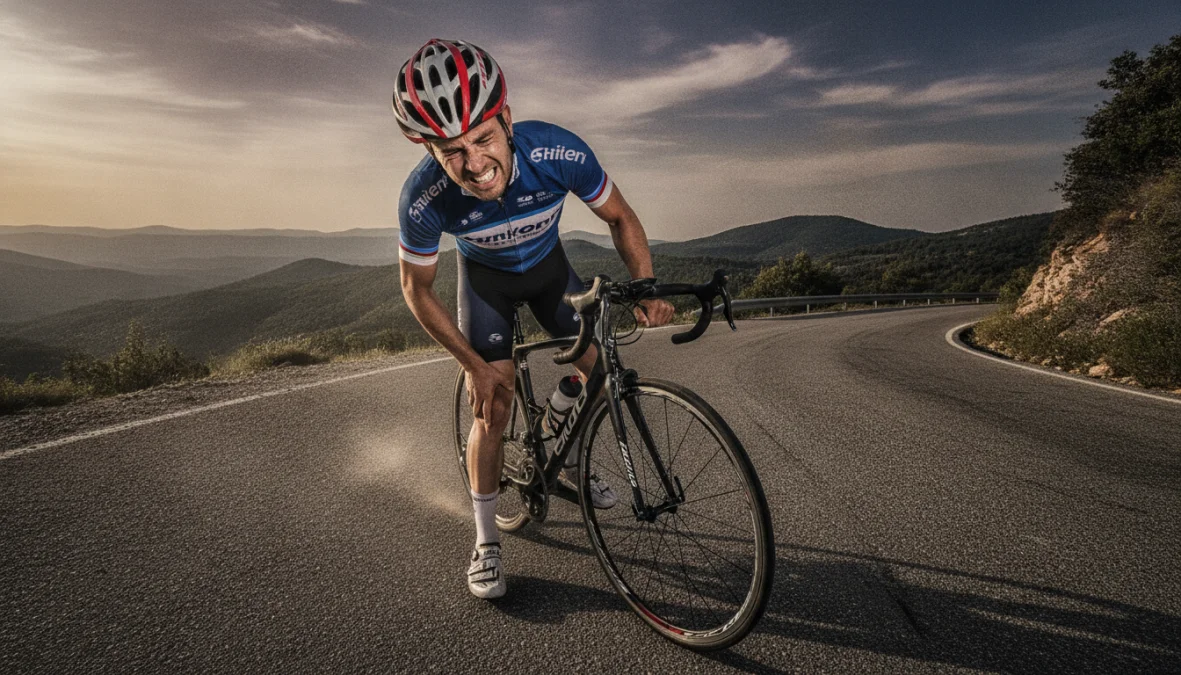
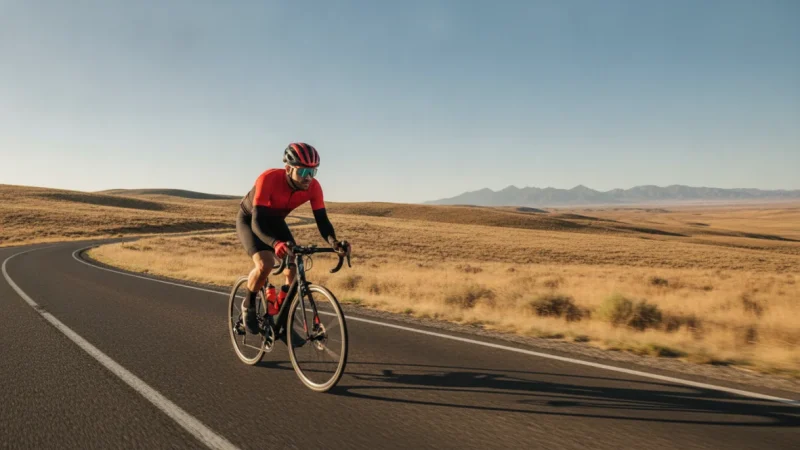
You’re hammering up a climb, feeling strong, then—wham! A sharp, debilitating cramp locks up your quad or calf, forcing you to ease off or even stop. Sound familiar? Cycling cramping causes range from simple dehydration to complex electrolyte imbalances, and understanding what triggers these painful muscle contractions is the first step to keeping them at bay. Whether you’re a weekend warrior or training for your next gran fondo, cramps can derail your ride and your performance. Let’s dive into why they happen and, more importantly, how to stop them in their tracks.
Understanding Cycling Cramping: What Happens and Why
Muscle cramps during cycling are involuntary, painful contractions that typically strike the muscles doing the hardest work: your quadriceps, calves, and hamstrings. When a cramp hits, the muscle fibers contract intensely and refuse to relax, creating that familiar burning, locked-up sensation that can range from mildly annoying to ride-ending.
The cycling cramping causes are multifactorial, but they generally boil down to a few key culprits. Dehydration tops the list—when you’re sweating heavily, you’re losing fluids faster than you can replace them, which impairs muscle function. Closely related is electrolyte imbalance, particularly depletion of sodium, potassium, magnesium, and calcium. These minerals are essential for proper muscle contraction and relaxation, and when their levels drop, your muscles can misfire.
Muscular fatigue is another major trigger. When you push beyond your current conditioning level or maintain an intensity that your muscles aren’t adapted to, the fatigued fibers become more susceptible to cramping. This is especially common during long rides or when you suddenly increase your training volume. Riding at an excessive intensity without proper progression—think jumping into a fast group ride when you’ve been taking it easy—overloads your muscles before they’re ready.
Don’t overlook bike fit issues either. An improper saddle height, cleat position, or handlebar setup can force your muscles to work in mechanically inefficient ways, creating unnecessary strain that predisposes you to cramps. Finally, inadequate conditioning and lack of muscular endurance mean your muscles simply aren’t prepared for the demands you’re placing on them. If you’re interested in building that base fitness properly, check out our Complete Guide to Spring Cycling Training for structured approaches to building resilience.
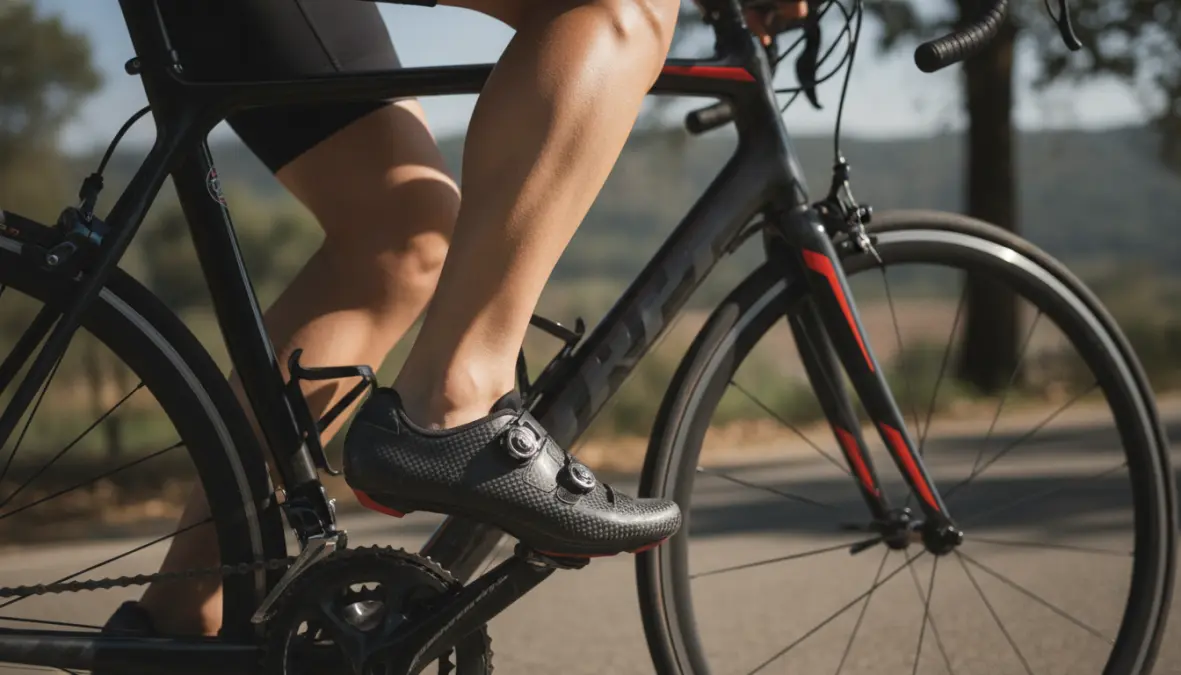
Immediate Solutions: How to Stop Cramping While Riding
When a cramp strikes mid-ride, you need quick, practical solutions to get you back in the saddle. Here’s how to stop cramps during your ride with techniques you can deploy immediately.
Quick Relief Techniques on the Bike
The moment you feel a cramp coming on, ease off the intensity immediately. Shift to an easier gear and reduce your power output to give the affected muscle a chance to recover. If the cramp is severe, don’t be afraid to stop and dismount—safety first.
Once stopped (or while soft-pedaling), gently stretch the cramping muscle. For calf cramps, straighten your leg and pull your toes toward your shin. For quad cramps, pull your heel toward your glutes while standing. Hold each stretch for 20-30 seconds without bouncing. Massage the affected area with firm, kneading pressure to encourage blood flow and muscle relaxation.
Try changing your cadence—if you’ve been grinding a big gear, shift up and spin faster at a higher RPM to distribute the load differently across your muscle fibers. Our guide on Cycling Cadence Training explains how finding your optimal pedaling rate can reduce fatigue. Also, adjust your position in the saddle: stand up, sit further back, or move around to engage different muscle groups and give the cramping muscle a brief respite.
Nutritional and Hydration Interventions
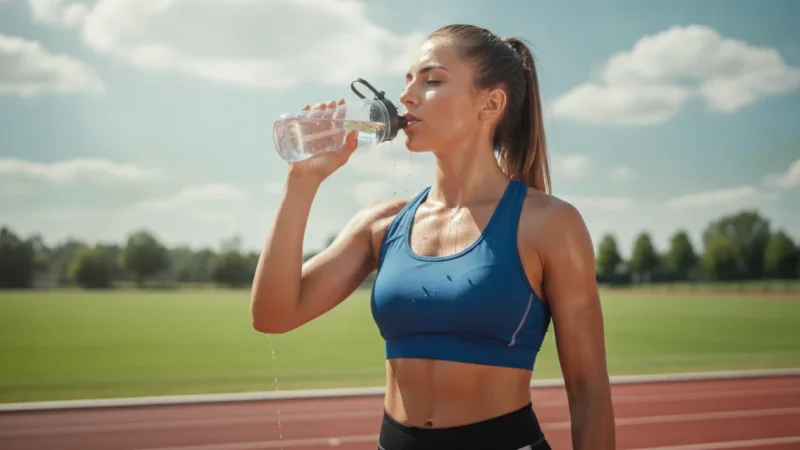
Cramps often signal that your body needs immediate nutritional support. Start by drinking water—take several sips immediately, but don’t chug an entire bottle at once, which can cause stomach discomfort. Better yet, reach for an electrolyte drink containing sodium, potassium, and magnesium. These minerals help restore the balance your muscles need to function properly.
If you’re carrying energy gels, choose ones fortified with sodium and potassium. Some brands specifically market “cramp-buster” formulas with higher electrolyte concentrations. Real food works too: bananas are portable potassium sources, while salted nuts or pretzels can quickly replenish sodium. For longer rides, consider pickle juice or electrolyte tablets—yes, pickle juice sounds odd, but the sodium and vinegar combination has been shown to provide fast cramp relief.
As a general rule, aim to drink 500-750ml per hour of riding, adjusting upward in hot conditions. Speaking of heat, proper clothing can minimize sweat loss—our Summer Cycling Gear Essentials covers how to stay cool and manage hydration in challenging conditions. Timing matters: don’t wait until you’re thirsty or cramping to drink; maintain consistent small sips throughout your ride.
Prevention Strategies: Stop Cramps Before They Start
The best cramp is the one that never happens. Here’s how to prevent cycling cramps through smart preparation and training habits.
Start with a proper warm-up: spend 10-15 minutes gradually increasing intensity before hammering. This primes your muscles, increases blood flow, and prepares your cardiovascular system for the work ahead. Cold muscles are cramping-prone muscles.
Pre-ride hydration and nutrition set the foundation. Begin hydrating 2-3 hours before your ride, consuming 500ml of water or electrolyte drink. Eat a balanced meal containing carbohydrates and some sodium 2-4 hours pre-ride. Our Cycling Nutrition Guide offers detailed strategies for fueling before, during, and after long rides.
During your ride, maintain electrolyte intake from the start—don’t wait until hour three to think about it. Consider supplementing with magnesium (200-400mg daily) and ensuring adequate potassium intake through diet. For detailed strategies on timing your nutrition, explore Carb Cycling for Athletes to optimize your fueling approach.
Progress your training intensity gradually. Follow the 10% rule: don’t increase your weekly mileage or intensity by more than 10% per week. This allows your muscles to adapt without being overwhelmed. Build muscular endurance through specific strength training and longer, steady rides that condition your muscles for sustained effort.
Get a professional bike fit. Proper saddle height, fore-aft position, and cleat alignment ensure your muscles work efficiently within their optimal range of motion. Even small adjustments can dramatically reduce cramping incidents. Poor position doesn’t just cause cramps—it also costs you speed, as explained in our article on Cycling Aerodynamics.
Finally, incorporate post-ride stretching and recovery. Spend 10-15 minutes stretching your quads, hamstrings, calves, and hip flexors after every ride. This maintains flexibility and helps flush metabolic waste products that contribute to cramping.
FAQ: Common Questions About Cycling Cramps
What causes sudden cramps during cycling?
Sudden cramps typically result from a combination of muscular fatigue, dehydration, and electrolyte depletion. When you push harder than your current conditioning allows, especially in hot weather, your muscles can’t maintain proper contraction-relaxation cycles, leading to involuntary spasms.
Should I stop riding when I get a cramp?
It depends on severity. For mild cramps, you can often continue at reduced intensity while stretching and adjusting position. Severe cramps that don’t respond to quick interventions warrant stopping to stretch, massage, and rehydrate. Pushing through severe cramps risks injury and won’t improve performance.
Can bike fit cause cramping?
Absolutely. Improper saddle height (especially too high or too low), incorrect cleat positioning, and poor handlebar reach force your muscles to work inefficiently, creating unnecessary strain that predisposes them to cramping. A professional bike fit often resolves chronic cramping issues.
How much water should I drink to prevent cramps?
Aim for 500-750ml per hour of riding, adjusting based on temperature, humidity, and your individual sweat rate. Weigh yourself before and after training rides to estimate fluid loss—for every kilogram lost, you need about one liter of fluid replacement. Include electrolyte drinks for rides longer than 90 minutes.
Cramping doesn’t have to be an inevitable part of cycling. By understanding the cycling cramping causes—from dehydration and electrolyte imbalances to poor conditioning and bike fit issues—you can take concrete steps to prevent and manage these painful interruptions. Implement these strategies consistently, listen to your body, and you’ll spend more time enjoying the ride and less time pulling over to stretch out another locked-up muscle. Now get out there and ride cramp-free!