Beta-Alanine for Endurance Performance: Science-Backed Dosing Guide
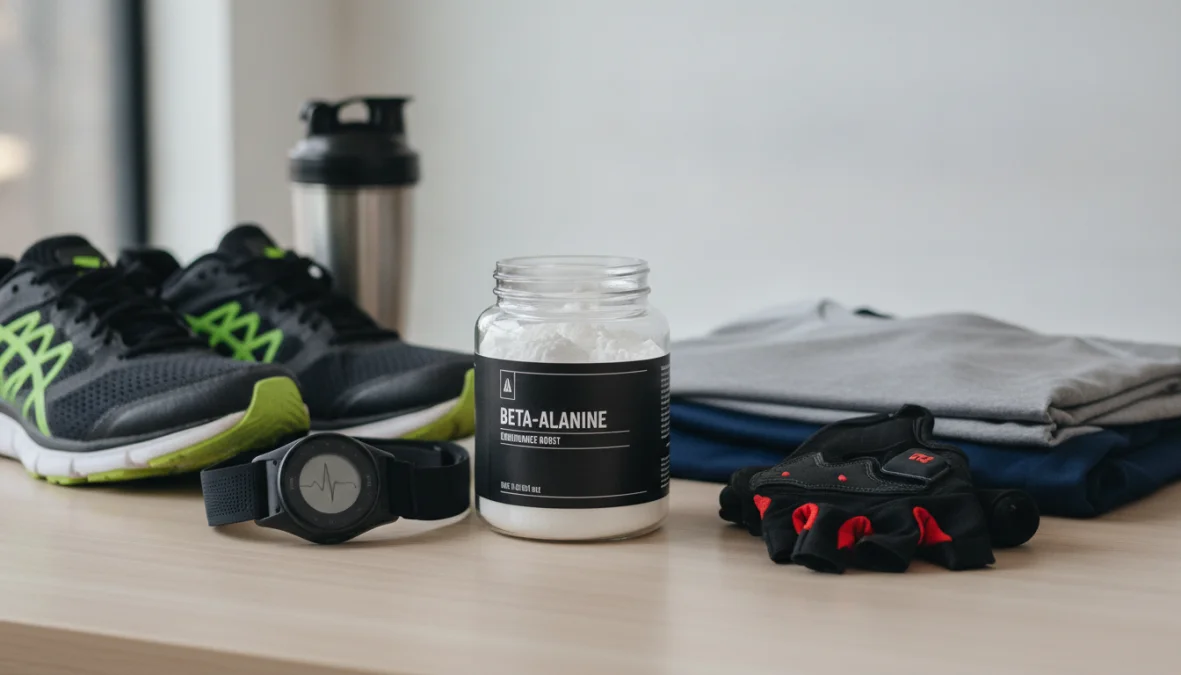
If you’ve ever hit that wall during a tough interval session or felt your legs turn to jelly in the final kilometers of a race, you know the burn. That acidic fire in your muscles isn’t just uncomfortable—it’s your body screaming that the intramuscular pH regulation system is maxed out. Enter beta-alanine, the amino acid supplement that’s been making waves in endurance circles for its ability to help you push harder, longer. Unlike flashy pre-workouts that give you an instant buzz, beta alanine endurance benefits work quietly behind the scenes, building up your muscles’ buffering capacity over weeks. Let’s dig into how this supplement actually works and whether it deserves a spot in your training arsenal.
How Beta-Alanine Enhances Endurance Performance
The magic of beta alanine endurance performance lies in a compound called carnosine. When you supplement with beta-alanine, it combines with another amino acid (histidine) inside your muscle cells to create carnosine. Think of carnosine endurance as your muscles’ built-in shock absorber against acidity. During high-intensity efforts, your muscles produce hydrogen ions that drop the pH and contribute to that burning sensation and eventual performance decline—this is where lactic acid buffering becomes crucial.
Research shows that beta-alanine supplementation can increase muscle carnosine levels by 40-80% over 4-10 weeks. This boost translates to real performance gains, particularly for efforts lasting 1-10 minutes—the sweet spot for sustained high intensity exercise. Studies demonstrate improvements in time to exhaustion ranging from 2.85% to 13%, depending on the exercise protocol and duration. The beta alanine benefits athletes most when their sport involves repeated high-intensity bursts or prolonged efforts at or above lactate threshold.
For endurance athletes, this means better anaerobic performance during those critical moments: the final sprint, attacking on a climb, or maintaining pace when fatigue sets in. Sports like rowing (2K races), track cycling, 1500m-5K running, and swimming events see particularly strong benefits. Marathon runners and ultra-endurance athletes experience more modest gains since their events rely less on the anaerobic energy systems that carnosine protects. However, the ability to handle surges, hills, and finishing kicks still makes beta-alanine relevant even for longer events, especially when combined with proper heart rate zone training.
Beta-Alanine for Running and Cycling Performance
When it comes to beta alanine running performance, the research gets specific and interesting. A study on competitive runners found that 4 weeks of supplementation (6.4g daily) improved 10K time trial performance and increased ventilatory threshold—that point where breathing becomes noticeably harder. Runners reported being able to maintain faster paces with less perceived effort, particularly in the second half of races when muscular fatigue delay becomes critical.
For cyclists wondering about the best time to take beta alanine for cycling, the answer is simple: consistency matters more than timing. That said, beta alanine cycling performance benefits are well-documented. Research on trained cyclists showed improved 4K time trial performance and increased power output during repeated sprint efforts. During criteriums or road races with constant attacks and changes in pace, the enhanced buffering capacity helps you respond to surges without accumulating as much fatigue. This is especially valuable when you’re trying to optimize your training alongside performance testing protocols like FTP assessments.

Optimal Beta-Alanine Dosage and Supplementation Protocol
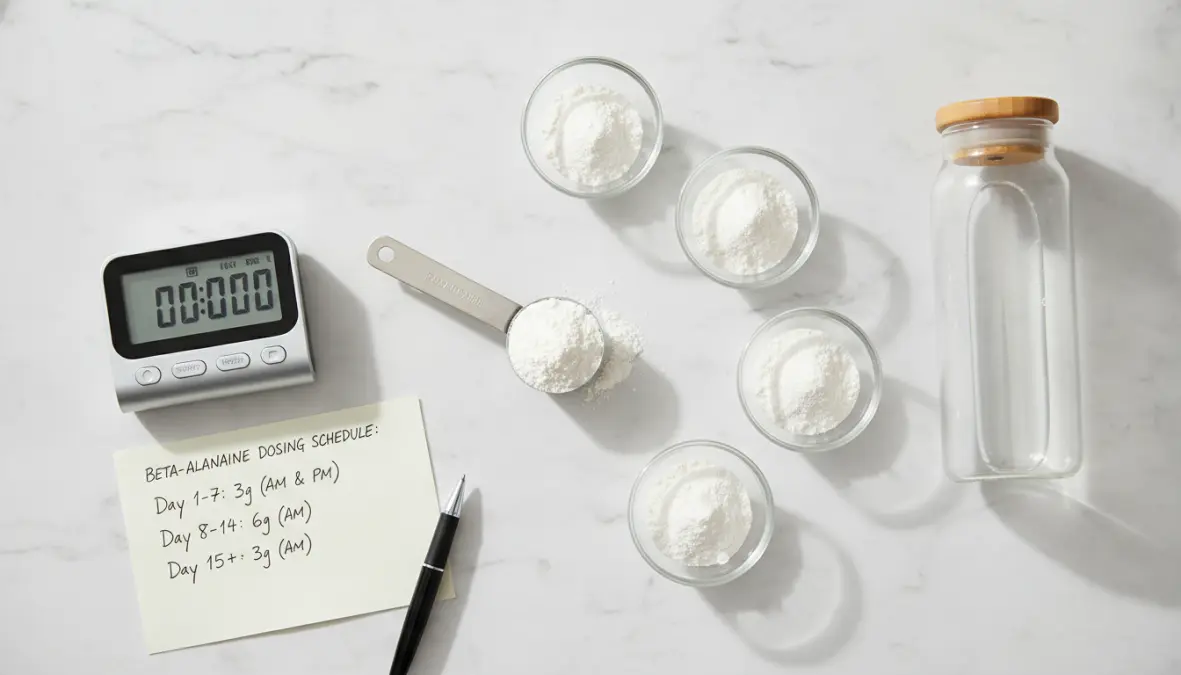
Let’s talk beta alanine dosage—because getting this right makes all the difference. The science consistently points to 3-6 grams per day as the effective range for beta alanine supplementation. Many athletes use a loading protocol: 4-6g daily for the first 4-10 weeks to saturate muscle carnosine stores, then potentially reducing to a maintenance dose of 2-3g daily, though many simply continue at the loading dose year-round.
So how long before beta alanine works endurance athletes can actually feel? Unlike caffeine’s immediate kick (learn more about that in our complete caffeine guide), beta-alanine requires patience. Expect to wait 4 weeks minimum before noticing performance improvements, with optimal benefits appearing around 8-10 weeks. For those asking about beta alanine dosage for marathon training, starting a loading phase 10-12 weeks before your goal race makes sense.
Regarding beta alanine timing, the good news is it doesn’t matter much when you take it—pre-workout, post-workout, or with meals all work fine. What matters is daily consistency. Split your dose into 2-3 smaller servings (1.5-2g each) to minimize the infamous paresthesia tingling—that harmless but sometimes annoying tingling sensation on your skin. Some athletes actually enjoy this feeling as confirmation their supplement is “working,” but if it bothers you, smaller divided doses or sustained-release formulas solve the problem.
Here’s a practical protocol for endurance athletes:
- Weeks 1-4: 4-6g daily, split into 2-3 doses
- Weeks 5-8: Continue 4-6g daily as carnosine levels peak
- Weeks 9+: Either maintain at 4-6g or reduce to 2-3g maintenance dose
- Form: Powder or capsules work equally well—choose based on convenience
Cycling Beta-Alanine: When to Take Breaks
The question of beta alanine cycling (taking breaks from supplementation) is common but often misunderstood. Unlike stimulants where your body develops tolerance, beta-alanine doesn’t require cycling from a physiological standpoint. Once you’ve built up elevated muscle carnosine levels, they decline slowly—studies show it takes about 9-15 weeks for levels to return to baseline after stopping supplementation.
That said, strategic cycling based on your competitive season makes sense. Consider a beta alanine loading phase endurance athletes can use: load aggressively 10-12 weeks before your peak competition period, maintain through the season, then take a break during your off-season or base training phase when high-intensity work is minimal. This approach not only saves money but aligns supplementation with when you actually need enhanced buffering capacity.
For multi-sport athletes working on concurrent training programs, maintaining beta-alanine year-round might make sense if you’re consistently doing high-intensity sessions. The supplement remains safe for long-term use with no documented negative effects from continuous supplementation.
Frequently Asked Questions
How much beta alanine for endurance events like marathons?
While beta-alanine provides modest benefits for pure aerobic efforts, the standard 4-6g daily dose still helps with surges, hills, and finishing efforts. Ultra-endurance athletes may see smaller performance gains than middle-distance athletes, but the supplement remains safe and potentially beneficial when race situations require high-intensity bursts.
Does beta alanine improve running performance better than creatine?
This beta alanine vs creatine for endurance comparison depends on your sport. Beta-alanine excels for efforts of 1-10 minutes and anything requiring sustained high intensity. Creatine shines for short, explosive efforts (under 30 seconds) and strength gains. Many endurance athletes use both since they work through different mechanisms and combine well without interaction.
Can I combine beta-alanine with other supplements?
Absolutely. Beta-alanine stacks well with creatine, caffeine, and other performance supplements. Many athletes combine it with proper hydration strategies for comprehensive performance support. No negative interactions have been documented with common supplements or sports nutrition products.
Are there side effects or safety concerns?
Beta-alanine is remarkably safe. The only notable “side effect” is paresthesia (tingling), which is harmless and diminishes with regular use or smaller doses. Long-term studies show no adverse health effects. It’s naturally occurring in foods like chicken and fish, just in smaller amounts than supplemental doses provide.
Will I feel beta-alanine working during workouts?
Unlike pre-workout stimulants, you won’t feel an immediate effect. The benefits are cumulative—after several weeks, you’ll notice you can sustain harder efforts longer, recover faster between intervals, and maintain pace when fatigue normally hits. The results show up in your training data and race times more than subjective feelings.
Beta-alanine isn’t a magic bullet, but the science backing beta alanine endurance performance is solid. If your training involves regular high-intensity work—whether you’re preparing for a triathlon, working on altitude training adaptations, or simply want to push your limits—this supplement deserves consideration. Give it the 8-10 weeks it needs to work, stay consistent with dosing, and track your performance metrics. The buffering capacity you build might just be the edge that turns a good performance into a great one.