Running Shoe Rotation: Why Training in Multiple Pairs Makes You a Better Runner
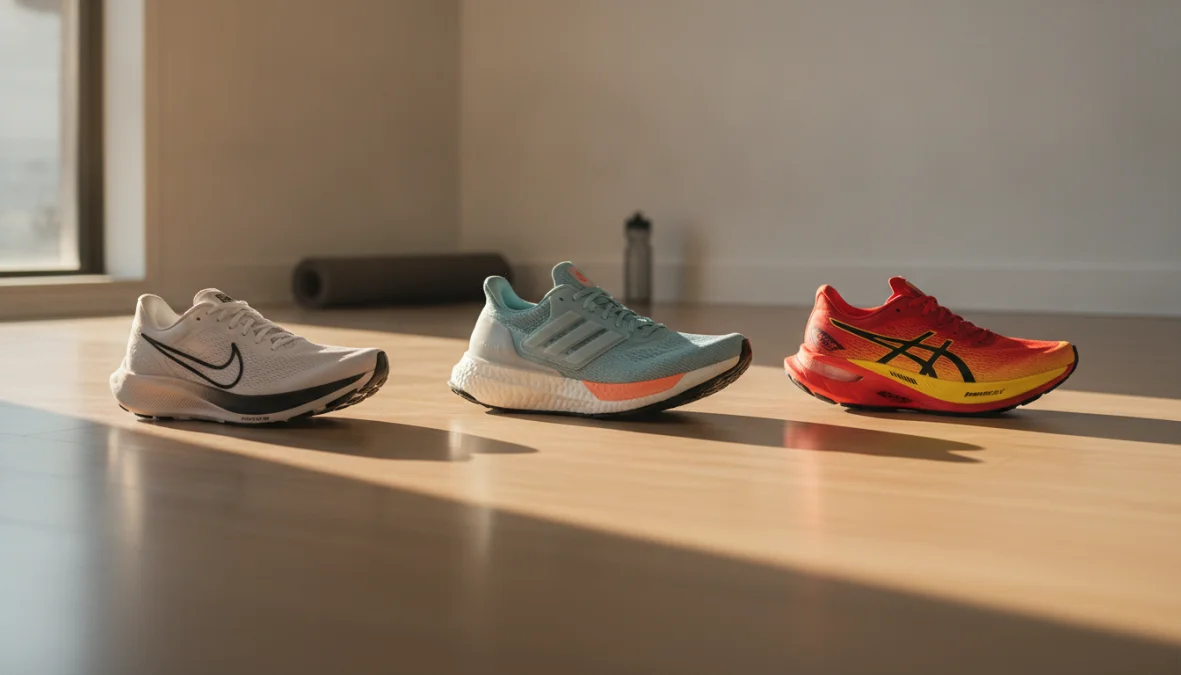
Ever wonder why elite runners seem to have a closet full of kicks? It’s not just because they’re sponsored (though that helps). There’s actual science behind running shoe rotation, and it’s one of the simplest strategies to level up your training while staying injury-free. Whether you’re logging 20 miles a week or training for your first marathon, alternating between multiple running shoes can transform how your body adapts to training load and how long your favorite pairs actually last.
What Is Running Shoe Rotation and Why It Matters
At its core, a running shoe rotation is exactly what it sounds like: alternating between two or more pairs of running shoes throughout your training week rather than beating one pair into the ground. Think of it as a shoe rotation system where different shoes handle different jobs—your daily workhorse, your long-run cushion machine, your speedy tempo partner.
In practice, most serious runners maintain a rotation of 2-4 pairs, each serving specific workout types. A typical setup might include a durable daily trainer for easy miles, a max-cushioned shoe for recovery runs, and a responsive model for speed work. The magic happens when you’re rotating running shoes with different stack heights, heel-to-toe drops, and cushioning systems—your body experiences varied mechanical stress patterns instead of the same repetitive load every single run.
Research suggests the sweet spot for most runners is three pairs in active rotation. This provides enough variety for meaningful biomechanical benefits without turning shoe selection into a morning existential crisis. Plus, it aligns perfectly with how long modern midsole foams need to fully decompress between runs.
Key Benefits of Training in Multiple Running Shoes
The shoe rotation benefits extend far beyond just having options to match your outfit (though that’s a nice perk). A smart training shoe rotation delivers measurable improvements in injury prevention, equipment longevity, performance optimization, and neuromuscular development. Let’s break down why investing in multiple pairs running shoes might be the best training decision you make this year.
Injury prevention through biomechanical variation: Different shoes distribute impact forces differently across your kinetic chain. When you alternate models with varying drops (say, 10mm vs 4mm), stack heights, and stability features, you’re essentially cross-training your feet, ankles, and lower legs. This prevents the repetitive stress patterns that lead to overuse injuries.
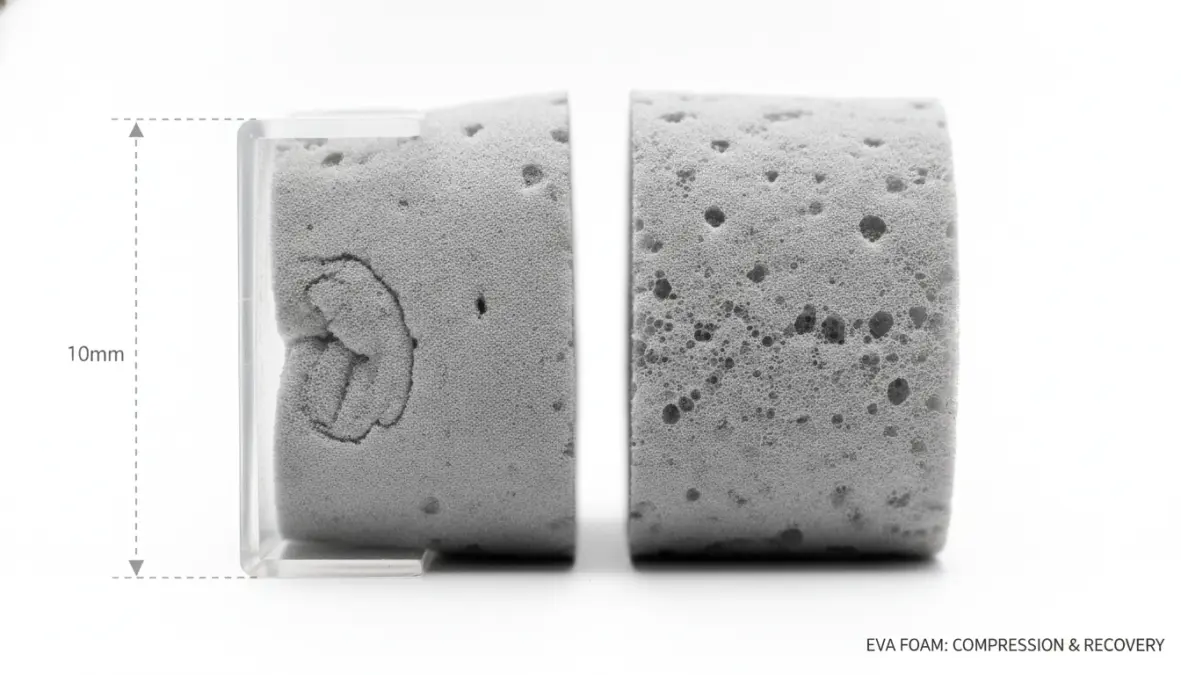
Extended shoe lifespan: Those expensive trainers you just bought? They’ll actually last longer in a rotation. Midsole foams compress during runs and need recovery time—just like your muscles. By giving each pair 24-48 hours between wears, you’re maximizing the material’s resilience and delaying the inevitable breakdown.
Performance optimization: Match the tool to the task. Recovery runs benefit from soft, forgiving cushioning that promotes relaxation. Tempo runs demand responsive, snappy platforms that facilitate quick turnover. Long runs require durable cushioning that protects over extended mileage tracking. A running shoe strategy that pairs specific shoes with specific workouts helps you get the most from each session.
Enhanced muscle adaptation: When you change shoes, you subtly alter your gait mechanics, recruiting muscles and tendons in slightly different patterns. This variation promotes more complete muscle adaptation and creates more resilient, well-rounded runners—similar to how cross-training builds balanced strength.
How Shoe Rotation Reduces Injury Risk
Here’s where things get really interesting. A landmark study found that runners who trained in multiple running shoes experienced a 39% reduction in injury risk compared to those who ran exclusively in one pair. That’s not a marginal improvement—that’s game-changing.
The biomechanical mechanism is straightforward: every shoe, regardless of brand or model, creates a specific stress signature on your body. A high-drop shoe (10-12mm) shifts more load to your quads and knees. A low-drop or zero-drop shoe increases demand on your calves and Achilles. A heavily cushioned maximalist shoe absorbs impact differently than a firmer, more ground-feel option.
When you wear the same shoe every run, these stress patterns become repetitive and concentrated, creating vulnerability points. It’s like doing bicep curls every day and wondering why your elbow hurts. Rotating running shoes distributes these stresses across different tissues and loading patterns, preventing any single structure from becoming overwhelmed. This is particularly crucial for injury prevention when you’re increasing training load or mileage.
Concrete example: alternating between a 10mm drop daily trainer and a 4mm drop tempo shoe helps prevent both patellofemoral pain (common with high drops) and Achilles tendinitis (common with low drops) by ensuring neither structure is constantly overloaded. Similarly to how proper recovery prevents overtraining, shoe rotation prevents overuse.
Extending Your Shoes’ Lifespan Through Rotation
Let’s talk economics. Quality running shoes aren’t cheap, typically ranging from $120-$200 per pair. At first glance, buying multiple pairs seems like a fast track to bankruptcy. But here’s the counterintuitive math: a properly managed rotation actually saves you money.
Modern midsole materials—whether EVA foam, polyurethane, or proprietary blends—undergo compression during runs. This isn’t permanent damage initially; the foam cells need recovery time (24-48 hours) to fully rebound to their original shape. When you run in the same shoes daily, you’re pounding them before they’ve fully recovered, accelerating permanent compression and reducing shoe lifespan.
In a rotation, each pair gets adequate recovery between sessions. Three pairs rotated properly can each last 500-600 miles instead of 350-400 miles when run consecutively. That’s 1,500-1,800 total miles from three pairs versus 1,400-1,600 from four pairs run sequentially. You’re getting more total mileage while maintaining better cushioning integrity throughout each shoe’s life—a smarter running shoe strategy from every angle.
How to Build Your Running Shoe Rotation System
Ready to implement your own shoe rotation system? Start simple and scale based on your training volume and goals. Here’s your practical roadmap for building an effective training shoe rotation.
Starting point: The two-shoe rotation. If you’re new to this concept, begin with two pairs: one daily trainer for easy runs and general mileage, plus one slightly different option (maybe more cushioned for long runs or firmer for tempo work). This minimal rotation still provides biomechanical variation and recovery benefits without overwhelming your decision-making or budget.
The ideal three-shoe setup. For most runners logging 25-50 miles weekly, three pairs hits the sweet spot: a versatile daily trainer (your workhorse for 60-70% of miles), a max-cushioned long-run/recovery shoe, and a responsive tempo/speed shoe. This trio covers all training scenarios while providing meaningful gait variation.
The advanced four-plus rotation. High-mileage runners (50+ miles/week) or those training for specific goals might add a fourth specialized option—perhaps a trail shoe for off-road days, a racing flat for speed sessions, or a carbon-plated super shoe for key workouts and races.
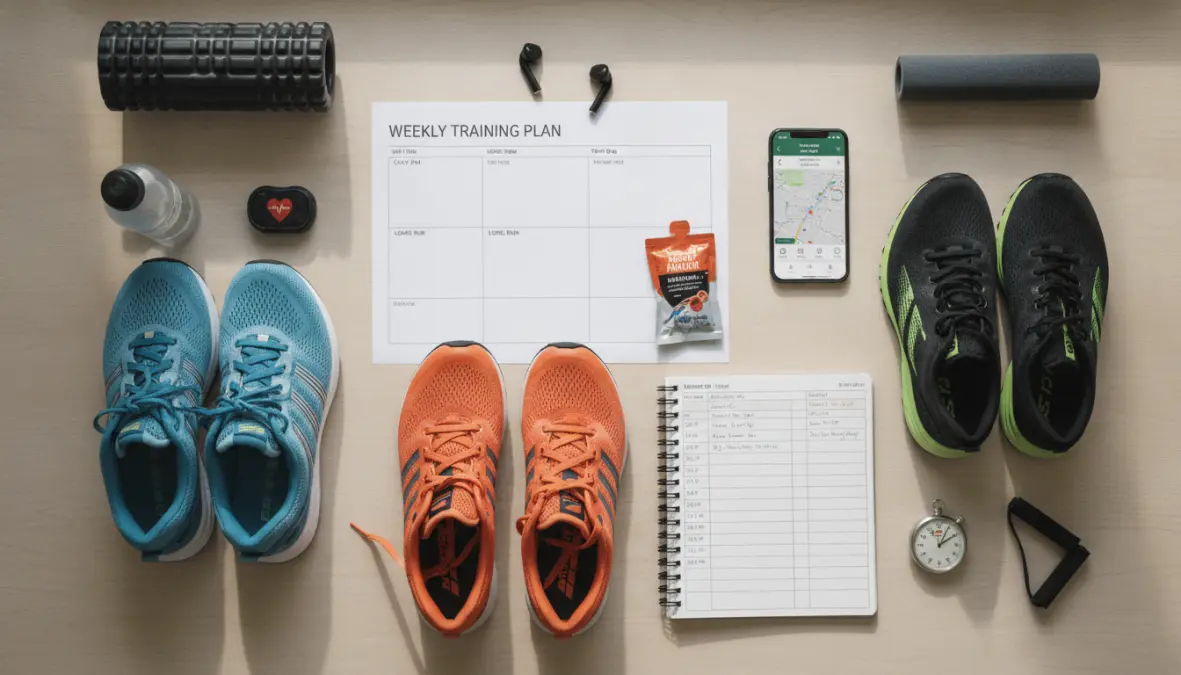
Assigning shoes to workouts: Create simple rules. Daily trainer for easy runs under 10 miles. Max-cushioned shoe for long runs over 10 miles and true recovery days. Tempo shoe for intervals, threshold runs, and race-pace efforts. Track your choices using a fitness tracker or training log to maintain consistency and monitor each pair’s accumulated mileage.
When to introduce new shoes: Don’t replace all your shoes simultaneously. Stagger purchases so you’re always breaking in one new pair while having established options available. Introduce new shoes on easy runs first, never on long runs or hard workouts. This approach maintains rotation continuity while ensuring proper adaptation.
For beginners wondering if this applies to you: absolutely. Even if you’re running three times weekly, alternating two pairs provides protective benefits and helps you learn what shoe characteristics work best for your biomechanics. As your training evolves—perhaps toward multisport challenges—your rotation can grow with you.
FAQ: Common Questions About Running Shoe Rotation
How many pairs of running shoes should I rotate? For most runners, 2-3 pairs provides optimal benefits. Beginners can start with two, while higher-mileage runners (50+ miles/week) may benefit from 3-4 pairs. The key is enough variety for biomechanical variation without making shoe selection complicated.
Do I need expensive shoes for rotation? Not necessarily. While quality matters for injury prevention and comfort, you don’t need premium models for every slot in your rotation. Consider investing in your primary daily trainer and one specialized shoe, then adding a mid-range option for variety. Previous-year models often deliver excellent value.
Can beginners use shoe rotation? Absolutely. Even new runners benefit from alternating between two pairs. It helps you discover preferences while providing protective variation. Start simple with two versatile trainers, then refine your rotation as your training develops and you understand what works for your feet.
How do I track which shoes to use when? Use your training log or running app to note which shoe you wore for each run and track accumulated mileage per pair. Many runners label shoes (A, B, C) and create simple assignment rules: “Shoe A for easy runs, Shoe B for long runs, Shoe C for speed work.” Consistency makes mileage tracking automatic.
Should racing flats be part of my rotation? Racing flats and super shoes (carbon-plated racers) are typically used sparingly—for races, time trials, and occasionally for speed workouts. They’re not designed for daily training volume. Include them in your overall collection, but don’t count them as regular rotation shoes for weekly mileage.
Building a smart running shoe rotation isn’t about collecting shoes—it’s about optimizing your training, protecting your body, and maximizing your investment. Whether you start with two pairs or build toward four, the variety you introduce will pay dividends in how you feel, how you perform, and how long you stay healthy. Just like proper nutrition fuels your training and mental preparation sharpens your focus, a thoughtful shoe strategy creates the foundation for consistent, injury-free progress. Your feet—and your future self—will thank you.