Gravel Cycling Training: Complete Guide to Prepare for Mixed Terrain Rides
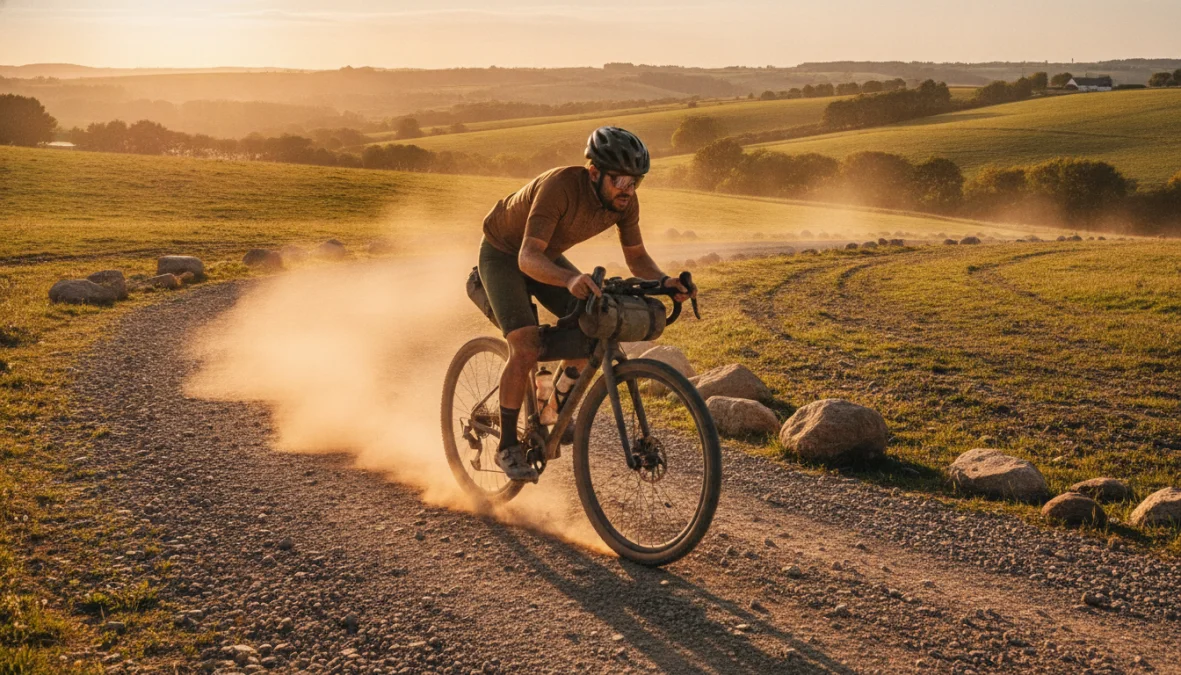
There’s something special about pointing your bike down a gravel road that disappears into the horizon, knowing you’ll encounter everything from smooth hardpack to chunky washboard sections before you’re done. But here’s the thing: rolling out unprepared for the unique demands of mixed terrain is a recipe for suffering. Gravel cycling training requires a different approach than traditional road cycling, blending endurance, power, technical skills, and a healthy dose of mental fortitude. Whether you’re eyeing your first gravel event or looking to level up your performance, understanding how to train specifically for these challenges will transform your riding experience.
Understanding Gravel Cycling Demands and Training Fundamentals
Let’s be clear: gravel cycling training isn’t just road training with dirtier kit. The physiological demands of mixed terrain cycling create a unique challenge that sits somewhere between road racing and mountain biking. You’ll need sustained aerobic endurance for those long stretches of rolling gravel, but also explosive anaerobic power for punchy climbs on loose surfaces and accelerations out of technical sections.
Unlike the relatively predictable power output of road cycling, off-road cycling training demands constant variation. One minute you’re grinding through soft gravel at low cadence, the next you’re spinning fast on hardpack, then suddenly braking hard for a rough descent. This variability means your training needs to address multiple energy systems simultaneously. Your aerobic base must be rock-solid to handle 3-6 hour adventures, while your VO2 max and anaerobic capacity need sharpening for those inevitable surges. Just as importantly, bike handling skills aren’t optional extras—they’re fundamental to riding efficiently and safely on unpredictable surfaces. A rider with superior technical skills can conserve massive amounts of energy compared to someone constantly fighting their bike through loose corners and rocky sections.

Building Your Gravel Bike Training Plan
Creating an effective gravel bike training plan means thinking in phases, typically spanning 8-12 weeks before your target event. This periodized approach, similar to traditional spring cycling training, ensures you peak at the right time while minimizing burnout and injury risk.
The base phase (weeks 1-4) focuses on building aerobic capacity through longer, steady-state rides. Think 2-4 hour sessions at comfortable conversational pace, ideally on gravel or mixed surfaces when possible. This is about preparing for long distance gravel rides by developing the metabolic efficiency and muscular endurance you’ll desperately need when you’re five hours into an epic adventure. During the build phase (weeks 5-9), you’ll layer in structured interval training targeting specific power zones—sweet spot intervals (88-94% FTP) are particularly valuable for gravel racing, as they develop the sustained hard efforts you’ll maintain on climbs and fast sections. Include weekly VO2 max sessions and tempo work to sharpen your top-end fitness.
A typical week during the build phase might include: one long endurance ride (3-5 hours with varied terrain), one sweet spot session (3-4 x 12-15 minutes), one technical skills session, one recovery ride, and 2-3 strength conditioning sessions. The peak phase (weeks 10-12) maintains intensity while reducing volume, incorporating race-specific efforts and focusing on recovery protocols to ensure you’re fresh. Gravel race training benefits enormously from cross-training—cyclocross training during off-season builds phenomenal bike handling and power, while mountain biking sessions develop the technical confidence gravel demands.
Essential Training Components for Mixed Terrain Success
Let’s break down the specific sessions that make a gravel training program effective. Long endurance rides should progressively incorporate more challenging terrain—start on smoother gravel and gradually add rougher sections, steep pitches, and technical descents. These rides aren’t just about time in the saddle; they’re opportunities to practice nutrition timing, test equipment, and develop mental resilience. For cadence work, focus on maintaining efficient pedaling across varying surfaces—you’ll naturally drop cadence on steep loose climbs, but developing the ability to spin smoothly on hardpack sections conserves energy.
Sweet spot intervals are gravel gold because they simulate the sustained hard efforts common in events and adventure cycling preparation. Climbing repeats on gravel roads build both fitness and technical skills—practice seated and standing efforts, experiment with body positioning, and learn how much traction different surfaces provide. Dedicate specific sessions to technical terrain practice: find sections with loose corners, descents with varying surfaces, and practice maintaining momentum through rough patches. Work on descending with weight back and low, cornering with the outside pedal down, and reading terrain ahead to choose optimal lines.
Strength and Off-Bike Conditioning
Here’s where gravel diverges significantly from road cycling: you need serious functional strength. The constant micro-adjustments to maintain control on rough terrain engage your core and stabilizing muscles far more than smooth pavement. A solid strength program 2-3 times weekly should include single-leg exercises (Bulgarian split squats, single-leg deadlifts) to address the asymmetrical forces common in technical riding. Core stability work—planks, dead bugs, bird dogs—translates directly to better bike control when fatigue sets in.
Don’t neglect upper body strength either. Your arms and shoulders take a beating absorbing vibration and controlling the bike through technical sections. Include push-ups, rows, and shoulder stability exercises. Mobility work, particularly for hips and ankles, helps maintain proper positioning during long rides and reduces injury risk. This comprehensive strength conditioning approach is what separates riders who finish strong from those who’re completely cooked in the final hour.

Technical Skills and Race-Day Preparation
All the fitness in the world won’t help if you can’t handle your bike confidently on mixed surfaces. Bike handling skills for gravel require dedicated practice. Cornering technique differs substantially from road—on loose gravel, you’ll need to approach corners wider, brake before turning rather than through it, and weight the outside pedal while keeping your inside knee out for balance. Practice emergency braking on different surfaces to understand your limits. Descending on gravel demands active body positioning: weight shifted back, elbows bent, eyes scanning far ahead for line choice.
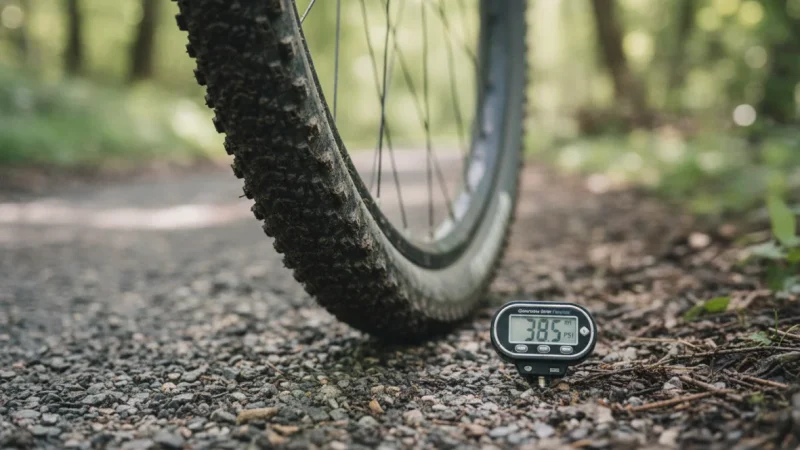
For race-day preparation, dial in your nutrition and hydration strategy during training rides—gravel events often lack the feed zone frequency of road races, so you’ll need self-sufficiency. Check out this nutrition guide for comprehensive fueling strategies. Equipment preparation is critical: test everything during training, from tire pressures to bag setups. If possible, pre-ride sections of your event course to understand what you’re facing. Your tapering strategy should reduce volume by 40-50% in the final week while maintaining some intensity to keep your legs sharp. Mental preparation matters too—visualize yourself handling technical sections smoothly and maintaining composure when things get tough.
FAQ
How long should I train for my first gravel event?
For beginners with a basic fitness foundation, 8-12 weeks of focused gravel-specific training is sufficient for events up to 50 miles. Longer events (100+ miles) benefit from 12-16 weeks. If you’re transitioning from road cycling, you can compress this somewhat, focusing more on technical skills and adapting to terrain variability than pure fitness development.
What’s the main difference between gravel and road training?
Gravel training requires greater emphasis on power variability, technical skills, and functional strength. While road training often focuses on sustained efforts at consistent power, gravel demands rapid transitions between aerobic endurance and anaerobic bursts. You’ll also need dedicated time for bike handling practice that road training typically doesn’t require. Learn more about the differences in this gravel vs road comparison.
How many hours per week should I train for gravel cycling?
This depends on your event distance and current fitness. For recreational 50-mile events, 6-8 hours weekly is adequate. Competitive riders targeting 100+ mile races often train 10-15 hours weekly during peak periods. Quality matters more than quantity—a well-structured 8-hour week beats random 12-hour weeks. Always include at least one full rest day.
Can I train for gravel events on a road bike?
Absolutely, especially during base-building phases. The fitness transfers completely. However, you’ll need some actual gravel riding to develop technical skills and bike-specific handling. If gravel access is limited, incorporate mountain biking or find dirt roads. The final 4-6 weeks before an event should include substantial gravel mileage to adapt mentally and physically.
What’s more important for gravel success: endurance or strength?
Endurance forms the foundation—you can’t finish what you can’t sustain. However, strength (both muscular and functional) determines how efficiently you ride and how fresh you finish. Prioritize endurance in base phases, then layer strength and power. The magic happens when all components work together: endurance to last, strength to control the bike, and power for surges.
The beauty of gravel cycling lies in its unpredictability and the self-sufficiency it demands. Your training should reflect this reality—building not just a powerful engine, but a resilient, skilled rider capable of handling whatever the road (or lack thereof) throws at you. Start with a solid plan, stay consistent, embrace the variety, and you’ll find yourself not just surviving those epic gravel adventures, but absolutely crushing them. Now get out there and find some dirt.