Bib Shorts vs Regular Shorts: Which Cycling Shorts Are Best for You?
You’ve finally decided to upgrade your cycling kit, but now you’re facing a dilemma that every cyclist encounters: bib shorts vs regular shorts. Walk into any cycling shop or browse online, and you’ll find passionate advocates on both sides. Some swear by the superior comfort of cycling bib shorts, while others prefer the simplicity of regular cycling shorts. The truth? Both have their place in your cycling wardrobe, and understanding the differences will help you make the right choice for your riding style.
Understanding the Key Differences: Bib Shorts vs Regular Shorts
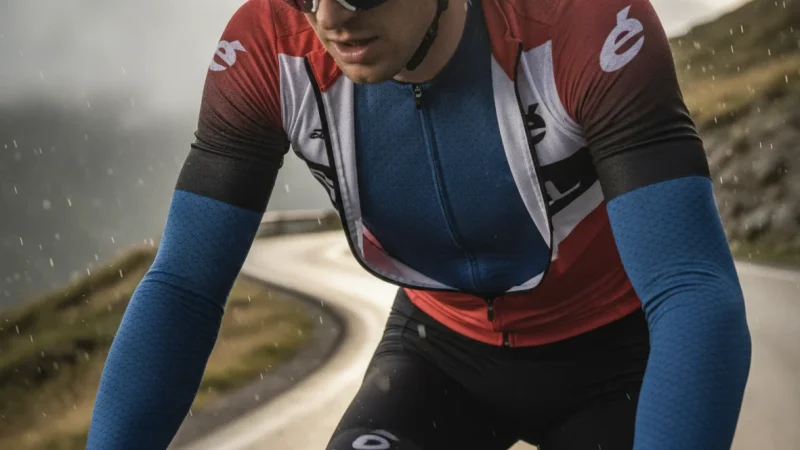
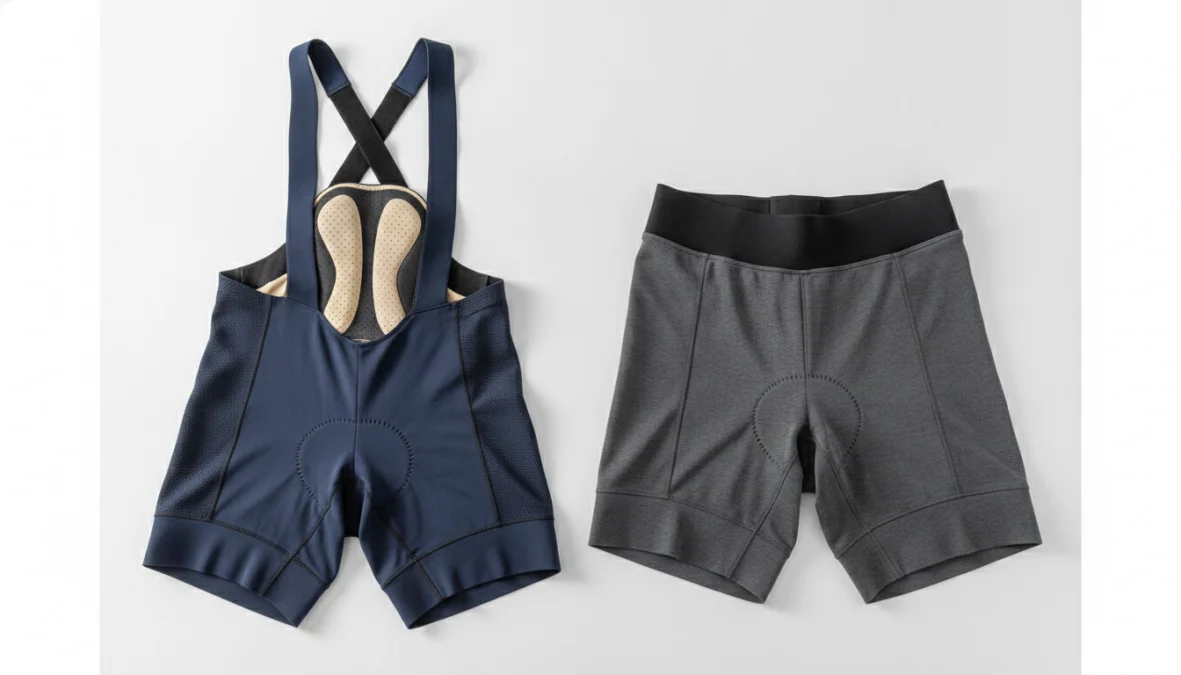
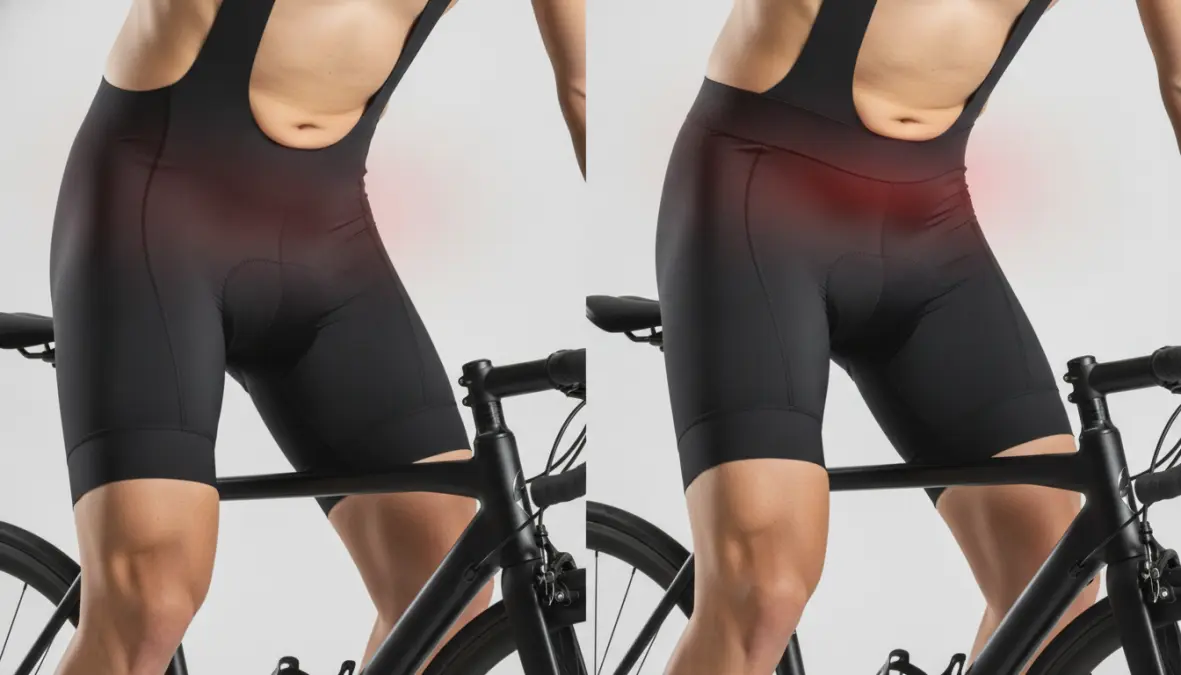
The cycling shorts comparison starts with one fundamental difference: shoulder straps versus an elastic waistband. Cycling bib shorts feature suspender-like straps that go over your shoulders, holding the shorts in place without any pressure around your midsection. Regular cycling shorts, on the other hand, rely on a traditional elastic waistband to stay put, much like any other athletic shorts you might own.
This structural difference isn’t just cosmetic—it fundamentally changes how the shorts interact with your body during a ride. Bib vs regular isn’t just about design preference; it’s about how weight distribution, pressure points, and garment stability affect your cycling experience. When you wear bibs, the weight of the chamois padding and fabric is distributed across your shoulders and torso, while regular shorts concentrate all holding pressure around your waist.
Here’s an interesting bit of cycling history: professional cyclists overwhelmingly choose bibs, and there’s a reason why. Since the early days of road cycling apparel evolution, pros discovered that eliminating waistband pressure during long races significantly improved comfort and performance. Today, if you watch any professional peloton, you’ll see virtually everyone in cycling bibs. But does that mean beginners should follow suit? Not necessarily—and we’ll explore why later.
Comfort and Performance: How Each Style Affects Your Ride
Let’s get into the nitty-gritty of how these two styles actually feel when you’re putting in the miles. Bib shorts comfort and cycling shorts performance are where the rubber meets the road—literally.
Fit, Pressure Points, and Long-Distance Comfort
If you’ve ever wondered are bib shorts more comfortable than regular, the answer often comes down to waistband pressure. During a long ride, that elastic band around your middle can dig in, especially when you’re in an aggressive riding position. Your stomach compresses, you’re breathing hard, and that waistband can feel like it’s cutting you in half. Bibs eliminate this entirely, which is why do cyclists wear bib shorts for serious training and racing.
Another critical advantage: bibs simply stay in place better. Regular shorts can slip down, bunch up, or rotate during a ride, which means your carefully positioned chamois padding might not stay where you need it most for optimal saddle comfort. With bibs, everything remains exactly where it should be, mile after mile. This is particularly important when you’re considering bib shorts vs regular shorts for long rides—the longer you’re in the saddle, the more these small differences compound.
That said, regular shorts have one undeniable advantage: bathroom breaks. The question of bib shorts vs regular shorts bathroom breaks is real, especially for cyclists who drink plenty of fluids (as you should). With regular shorts, you simply pull down and go. With bibs, you’re dealing with shoulder straps, jersey removal, and a generally more complicated process. For some riders, this convenience factor outweighs the comfort benefits of bibs.
Breathability, Temperature Control, and Aerodynamics
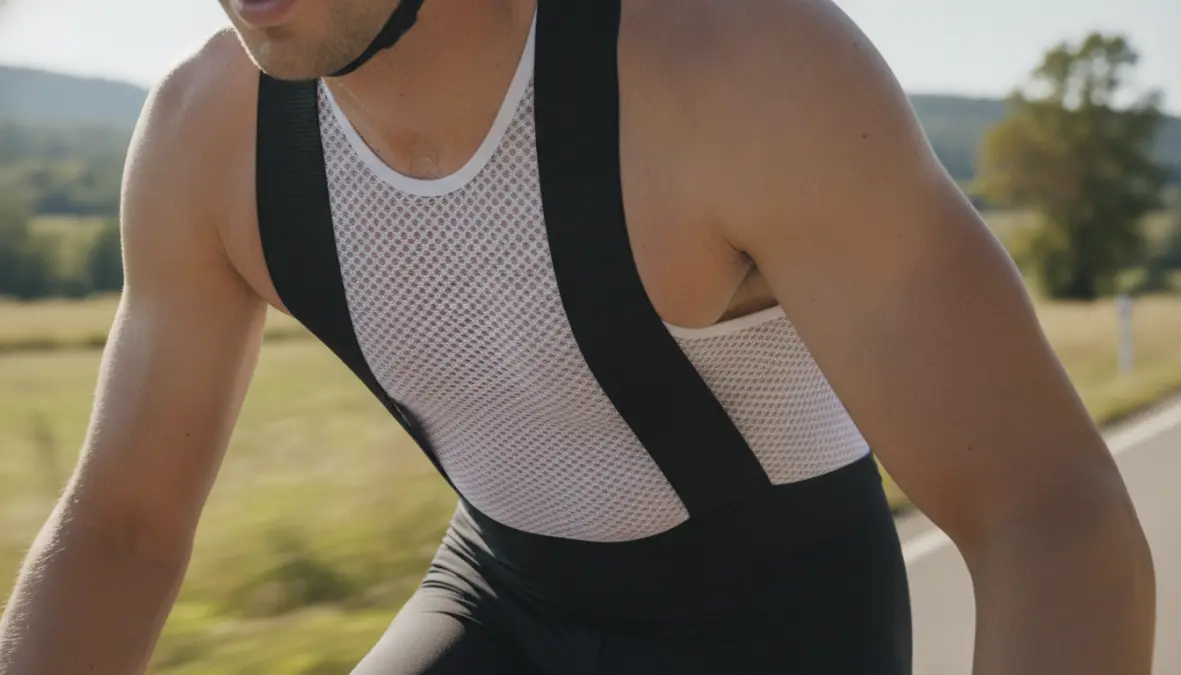
Here’s something many cyclists don’t consider until they’ve experienced both: abdominal ventilation. Regular shorts with their elastic waistband can trap heat and restrict airflow around your midsection. Bibs, with their mesh upper panels, allow much better air circulation and help regulate core temperature—a significant factor when cycling in the heat. The difference becomes particularly noticeable during summer rides or intense interval sessions where body temperature management directly impacts performance.
On the aerodynamic front, the differences are minimal but measurable. The seamless integration of bib shorts with your cycling jersey creates a cleaner, more streamlined silhouette with less fabric bunching—an aerodynamic fit that matters more as speeds increase. Professional riders obsess over these marginal gains, but for recreational cyclists, the aero advantage is negligible compared to comfort considerations.
Performance-wise, do bib shorts improve cycling performance? Indirectly, yes. When you’re more comfortable, you can focus on your pedaling efficiency and power output rather than adjusting your shorts or dealing with discomfort. This becomes increasingly important as you build your cycling fitness through structured programs like spring cycling training, where consistent, comfortable rides help you achieve peak performance.
Choosing the Best Cycling Shorts for Your Needs
So, how to choose between bib and regular shorts? Let’s break down the decision-making process based on your specific cycling situation.
Choose cycling bib shorts if:
- You’re riding distances over 30-40 miles regularly—the comfort benefits compound with time in the saddle
- You experience waistband discomfort or digestive issues during rides
- You’re training seriously and want to maximize comfort during long sessions, perhaps working on metrics like those covered in performance testing protocols
- You prioritize saddle comfort and chamois stability above all else
- You’re willing to invest a bit more (quality bibs typically cost $20-50 more than equivalent regular shorts)
Choose regular cycling shorts if:
- You’re primarily doing shorter rides (under 30 miles) or commuting
- Bathroom convenience is a priority—especially important for riders who hydrate well or have certain medical considerations
- You’re on a tighter budget and want to get started without the premium investment
- You’re still exploring whether cycling is your long-term sport
- You prefer the psychological freedom of less restrictive clothing
The question are bib shorts worth it for beginners deserves special attention. While bibs offer superior comfort, beginners might want to start with quality regular shorts to see if they stick with cycling before investing in premium bibs. However, if you’re committed to the sport from day one and budget allows, starting with bibs can actually prevent developing tolerance for discomfort that you’d otherwise accept with regular shorts.
Regardless of which style you choose, prioritize these quality indicators when shopping for the best cycling shorts:
- Chamois quality: Look for multi-density foam padding with antibacterial treatments and seamless construction
- Fabric composition: High-quality Lycra or nylon blends with 4-way stretch and moisture-wicking properties
- Flat-lock seams: These prevent chafing during repetitive pedaling motions
- Grippers: Silicone leg grippers that stay put without being constrictive
- Panel construction: More panels generally mean better anatomical fit (look for 6-8 panel designs)
Remember that proper nutrition plays a role in comfort too—maintaining steady energy levels with strategies like carb cycling and pre-workout nutrition can prevent the digestive discomfort that sometimes influences the bib shorts vs regular shorts debate.
Final thought: The “best” cycling shorts are the ones you’ll actually wear consistently. Many experienced cyclists own both types—bibs for long weekend rides and events, regular shorts for quick spins and errands. There’s no wrong answer in the bib shorts vs regular shorts debate, only what works best for your body, your riding style, and your cycling goals. Try both if you can, listen to your body, and remember that comfort in the saddle directly translates to more time enjoying the ride.