Time Trial Cycling: Master Pacing Strategies and Aerodynamic Positioning for Peak Performance
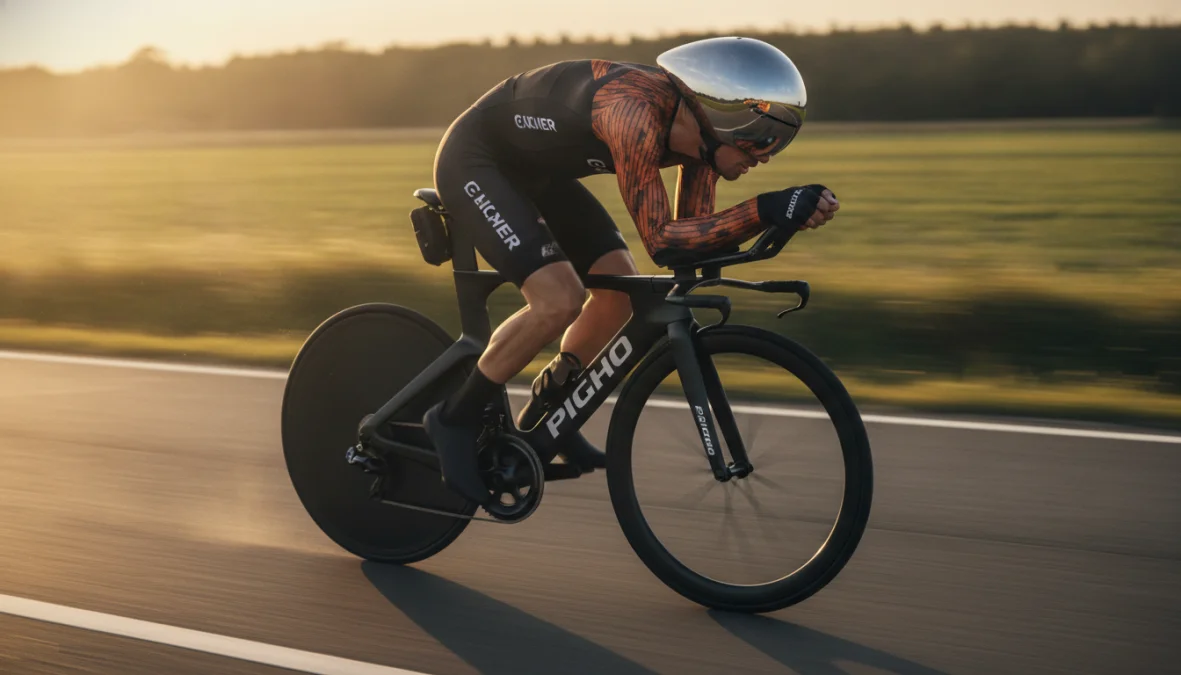
You’re crouched low over pursuit bars, every muscle tensed, watching the seconds tick away as you push your body to the absolute limit. That’s the brutal beauty of time trial cycling—just you, the clock, and the relentless pursuit of speed. Unlike bunch races where tactics and positioning matter, the race of truth demands perfect execution: optimal power distribution, razor-sharp aerodynamics, and mental fortitude that won’t crack when your legs are screaming. Whether you’re chasing personal bests or podium spots, mastering the science behind time trial pacing and aerodynamic positioning separates the contenders from the pretenders.
Understanding Time Trial Pacing: The Science of Power Distribution
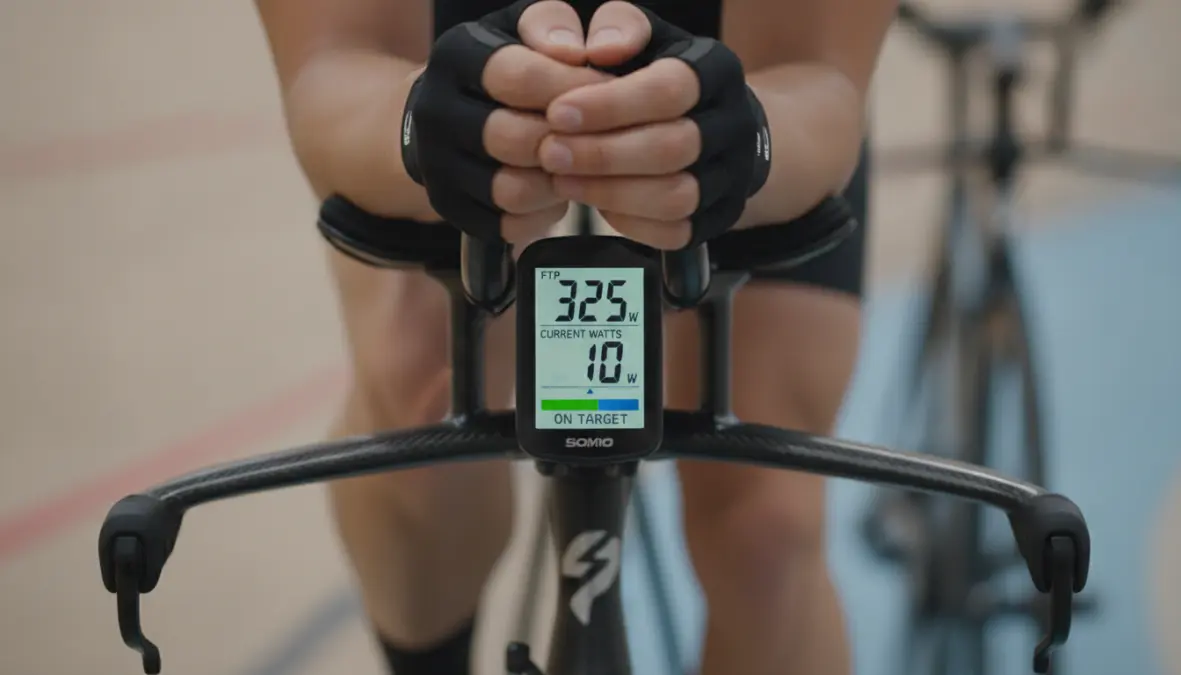
The biggest mistake in time trial pacing isn’t going hard—it’s going hard at the wrong moments. Your body has a finite capacity for sustained effort, and how you distribute that power determines whether you’ll finish strong or blow up spectacularly in the final kilometers. The gold standard? Even pacing based on your FTP threshold—that magical wattage you can sustain for roughly an hour. For most time trials, you’ll target 95-105% of FTP depending on duration, but the key is consistency.
Variable pacing sounds tempting—hammer the flats, ease on climbs—but physiologically, it’s inefficient. Your body burns matches every time you surge, depleting glycogen stores and accumulating lactate faster than steady-state efforts. A power meter becomes your best friend here, providing real-time feedback to prevent that classic rookie error: the adrenaline-fueled sprint start that feels amazing for five minutes until oxygen debt comes collecting. To properly determine your baseline power zones, check out our guide on Cycling FTP Test Protocols for accurate threshold measurement.
Negative split pacing—finishing faster than you started—represents advanced TT cycling strategies. Start conservatively at 95-98% FTP, gauge your reserves at the halfway mark, then gradually increase output in the final third. This approach leverages diminishing course distance against accumulated fatigue, often yielding faster overall times than all-out efforts from the gun. Wattage management isn’t about holding back; it’s about strategic aggression that pays dividends when it matters most.
Course-Specific Pacing Strategies
Not all time trials are created equal, and your cycling power distribution must adapt accordingly. On pan-flat courses, even pacing reigns supreme—lock into your target watts and maintain laser focus. But introduce elevation changes, and the calculus shifts. On climbs, gravity demands more power just to maintain speed, yet overshooting here creates metabolic debt you’ll pay dearly for later. The optimal approach? Accept a slight speed reduction uphill while maintaining consistent power output, then leverage momentum and aerodynamic advantages on descents without soft-pedaling.
For shorter efforts under 20km, you can push closer to 105-110% FTP—the finish line arrives before catastrophic fatigue sets in. Longer 40km+ time trials demand conservative starts around 95-100% FTP. When facing technical sections with tight corners, briefly ease power 50 meters before the turn, maintain momentum through the apex, then smoothly resume target watts. Headwinds and crosswinds wreck pacing plans too—into headwinds, maintain power rather than speed targets, accepting reduced velocity as the temporary cost of smart energy management.
Optimizing Your Aerodynamic Cycling Position for Maximum Speed
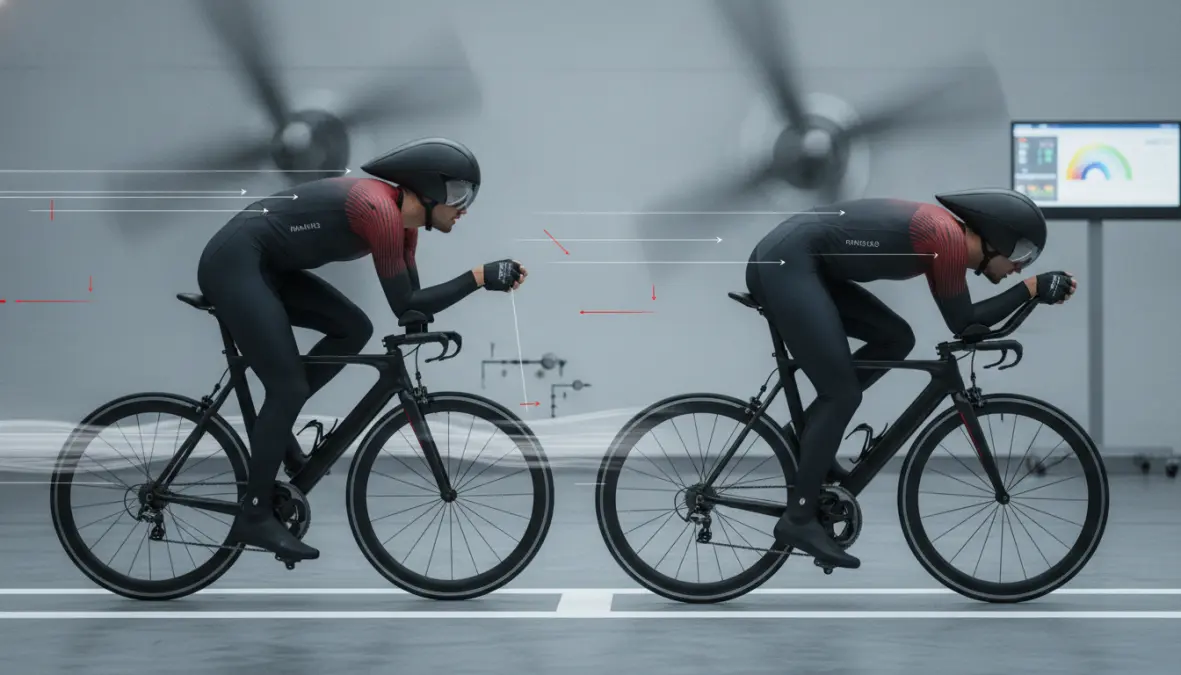
Here’s the hard truth: at 40 km/h, you’re spending roughly 90% of your energy fighting air resistance. That’s why your aerodynamic cycling position matters exponentially more than any component upgrade. The goal? Minimize frontal area and optimize airflow while maintaining sustainable power output. Start with the fundamentals: flat back parallel to the ground, elbows tucked narrow on pursuit bars, head dropped low with eyes barely clearing the horizon. Your time trial bike setup should position you like a human wedge slicing through air.
But extreme aero comes with trade-offs. Crunch too aggressively low and you’ll compress hip angles, restricting breathing and reducing power output—sometimes by 10-15 watts or more. The sweet spot balances drag reduction with physiological efficiency. Optimal angles? Hip angles around 90-100 degrees, knee flexion that doesn’t exceed 40 degrees at top dead center, and ankle positioning that maintains natural pedaling mechanics. Your time trial position vs road position cycling will feel radically different—expect your saddle higher and further forward, stem slammed, and pursuit bars positioned to promote that coveted flat-back profile.
Equipment amplifies position gains. Aero helmets alone can save 30-60 seconds over 40km compared to standard road lids. Skin suits with textured fabrics reduce surface drag, while deep-section wheels cut through air more efficiently (headwinds favor 60-80mm depths, calm conditions can handle full discs). For comprehensive insights on equipment choices and positional refinements, explore our detailed article on Cycling Aerodynamics. Professional wind tunnel testing provides quantifiable CdA coefficient measurements—the ultimate metric combining drag area—but field testing with power data offers practical alternatives for most athletes.
Finding Your Personal Aero-Power Sweet Spot
Your perfect aero position cycling setup isn’t copied from a pro—it’s discovered through systematic testing. Start with a professional bike fit as your baseline, then conduct controlled experiments. Ride two identical time trial efforts at target power: one in your current position, one with minor adjustments (stem lowered 5mm, bars narrowed 10mm). Compare average speeds and perceived exertion. Sustainable power always trumps theoretical aero gains you can’t maintain.
Flexibility and core strength determine position sustainability. Limited hip mobility? You’ll struggle maintaining aggressive angles for 60 minutes. Incorporate yoga, dynamic stretching, and dedicated core work—planks, dead bugs, hollow holds—to build the foundation supporting extended aero positioning. Adaptation takes time; gradually increase training volume in your TT position over 6-8 weeks rather than forcing immediate wholesale changes. Sometimes accepting a slightly higher position that preserves 5 extra watts beats an extreme tuck that looks fast but bleeds power through compromised biomechanics.
Time Trial Training: Building Speed and Endurance for Race Day
Effective time trial training extends beyond simply riding hard. Structured periodization builds the physiological adaptations—elevated FTP, improved lactate clearance, enhanced neuromuscular efficiency—that translate to race-day speed. Your training block should emphasize three key zones: sweet spot intervals (88-94% FTP) for sustainable power development, threshold efforts (95-105% FTP) mimicking race intensity, and occasional VO2max bursts (106-120% FTP) expanding your aerobic ceiling.
Sample weekly structure during build phase: two threshold sessions (2x20min or 3x12min at 95-100% FTP), one sweet spot ride (3x15min at 90% FTP), and one race simulation incorporating your specific event duration at target pacing. Always execute these intervals in your aero position—you’re training position-specific muscular endurance and mental tolerance simultaneously. As race day approaches, implement a 7-10 day taper reducing volume by 40-50% while maintaining intensity, allowing accumulated fatigue to dissipate while preserving fitness.
Mental preparation matters equally. Time trialing demands sustained discomfort tolerance—that willingness to sit in the pain cave for 30-60 minutes without relief. Practice pacing discipline in training: resist the urge to spike power beyond targets, develop sensory awareness linking perceived exertion to actual watts, and rehearse self-talk strategies for inevitable suffering moments. For broader training integration and recovery protocols, consider principles from Functional Training approaches that build supporting strength and mobility. Don’t neglect nutrition either—proper fueling strategies detailed in our Carb Cycling for Athletes guide and Hydration Strategies can yield marginal gains that accumulate into significant advantages.
FAQ: Common Time Trial Cycling Questions
What is the ideal power distribution for a flat time trial?
For flat courses, target even pacing at 95-105% FTP depending on duration. Shorter efforts (<30min) tolerate higher percentages, while 40km+ events require conservative 95-100% starts with potential gradual increases in the final third. Consistency trumps surges.
How much time can an optimized aero position save?
Position refinements can save 1-3 minutes over a 40km time trial compared to suboptimal setups—roughly 60-90 seconds per 10 watts of reduced aerodynamic drag at typical TT speeds. That’s essentially free speed requiring zero fitness improvement.
Should I pace differently in windy conditions?
Absolutely. In headwinds, maintain power targets rather than speed expectations—you’ll go slower but preserve energy. Tailwind sections tempt overpacing; resist the urge to surge dramatically. Crosswinds demand constant micro-adjustments and slightly elevated output to maintain stability and momentum.
How long does it take to adapt to a TT position?
Plan 6-8 weeks of progressive adaptation. Start with 10-15 minute blocks in aero position, gradually extending duration. Initial discomfort in hip flexors, lower back, and neck is normal but should diminish as flexibility and position-specific strength develop.
What’s more important: aerodynamics or power output?
It’s a false dichotomy—you need both. At typical TT speeds, aerodynamic improvements deliver greater time savings per watt reduced than equivalent fitness gains. However, an ultra-aero position that costs 15 watts provides negative returns. Optimize both simultaneously within sustainable biomechanical constraints.
Mastering time trial cycling means embracing discomfort, respecting data, and relentlessly pursuing marginal gains across pacing, positioning, and preparation. The clock doesn’t lie, but it rewards those who blend science with suffering. Now get out there, dial in your position, nail your pacing strategy, and chase those personal bests—the race of truth awaits.