Protein Powder Comparison for Athletes: Whey vs Casein vs Plant-Based Options
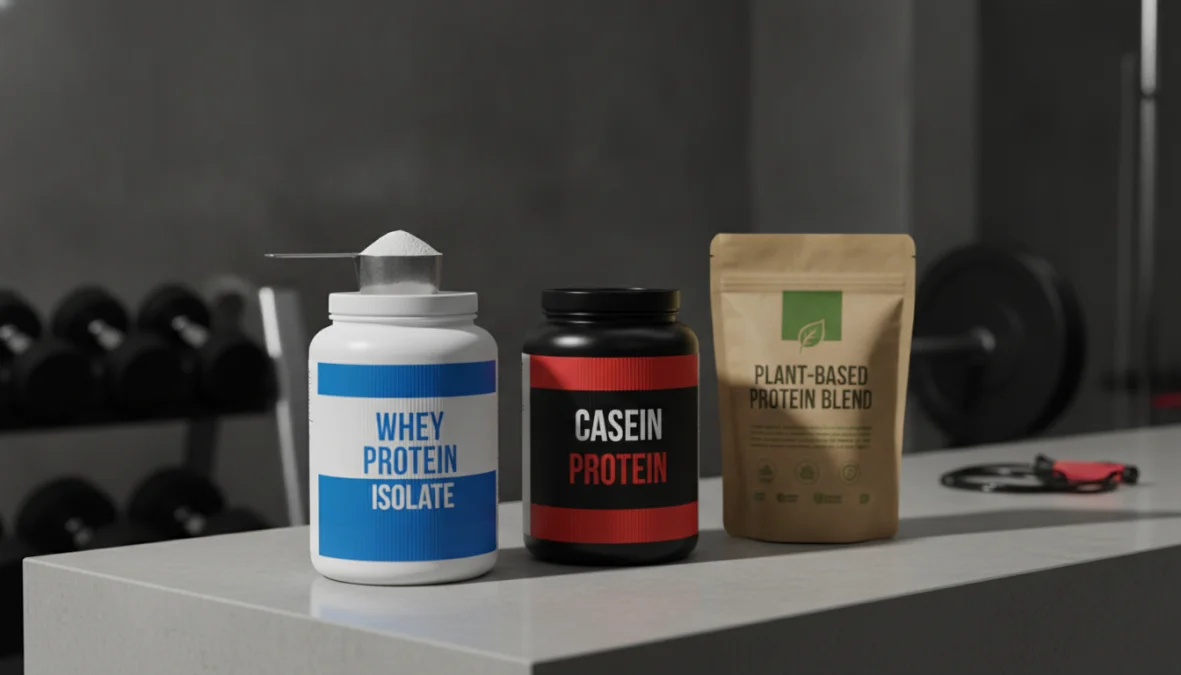
Choosing the right protein powder isn’t just about picking the most popular brand at your local supplement store. As an athlete, your protein choice directly impacts your muscle protein synthesis, recovery time, and overall performance. Whether you’re crushing weights in the gym, logging miles on the trails, or competing in team sports, understanding the protein powder comparison athletes need to make is crucial for optimizing your results.
The three main contenders—whey, casein, and plant-based proteins—each bring unique advantages to your training regimen. Let’s break down what separates these athletic protein supplements and help you make an informed decision that aligns with your goals, dietary preferences, and training schedule.
Understanding the Three Main Protein Types: Whey, Casein, and Plant-Based
When it comes to protein powder comparison athletes should consider, it all starts with understanding where these proteins come from and how they’re processed. Whey and casein are both derived from cow’s milk during cheese production—whey is the liquid portion while casein forms the solid curds. Plant proteins, on the other hand, are extracted from sources like peas, rice, hemp, and soy.
The fundamental difference lies in their amino acid profile and digestibility rate. Whey and casein are complete proteins, meaning they contain all nine essential amino acids your body can’t produce on its own. Plant proteins vary—some like soy are complete, while others need to be combined to provide the full spectrum. This affects bioavailability, or how efficiently your body can use the protein.
Athletes need to pay attention to these factors because timing matters. Fast-digesting proteins trigger rapid muscle protein synthesis, perfect for post workout recovery. Slow-digesting options provide sustained amino acid release, protecting against muscle breakdown during longer periods without food. Your training schedule and goals should drive which type you choose.
Whey Protein: The Fast-Acting Performance Fuel
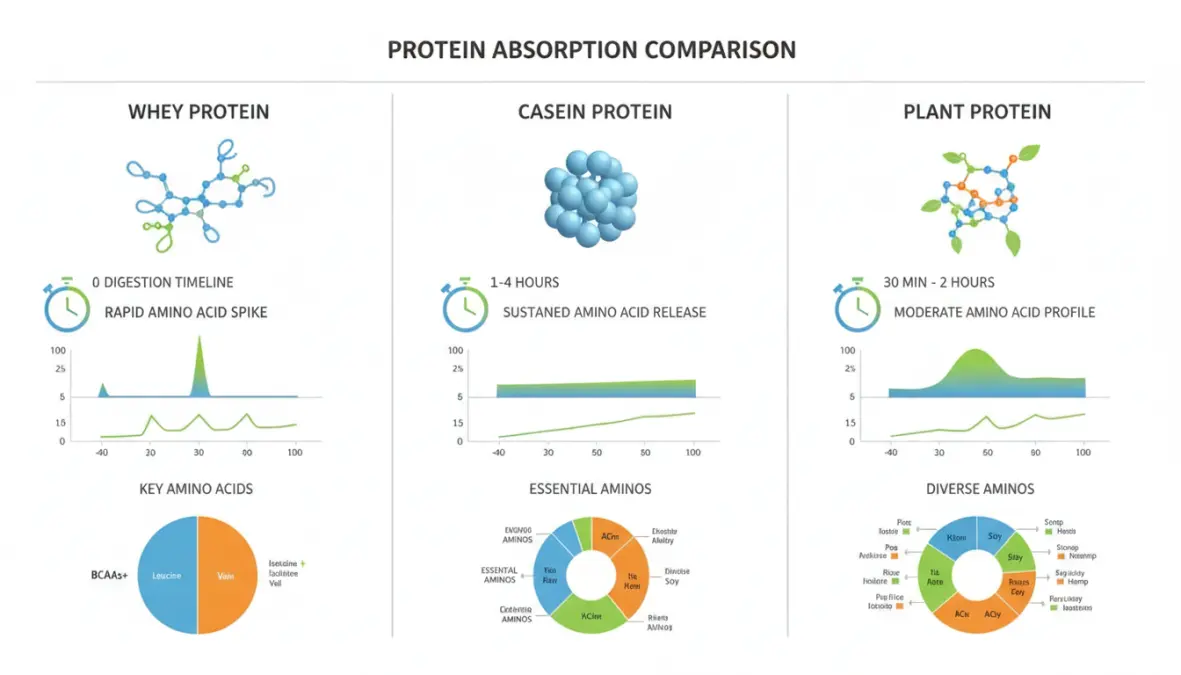
Whey protein is the gold standard for many athletes, and for good reason. When comparing whey vs casein protein, whey’s rapid absorption rate (typically 1-2 hours) makes it ideal for that critical post-workout window. It’s particularly rich in leucine content—the key amino acid that triggers muscle building—containing about 2.5-3 grams per serving.
You’ll find whey in three main forms: concentrate (70-80% protein), isolate (90%+ protein with less lactose and fat), and hydrolysate (pre-digested for even faster absorption). For most athletes focused on casein vs whey muscle building results, whey isolate offers the best balance of purity and value. If you’re looking to maximize muscle mass gain and exercise performance, consuming whey within 30 minutes after training can significantly boost recovery. Pair this with proper carbohydrate timing strategies for optimal results.
Casein Protein: The Slow-Release Muscle Protector
Casein takes the opposite approach to whey. When examining whey vs casein protein differences, casein’s slow digestion (6-8 hours) makes it anti-catabolic—meaning it prevents muscle breakdown rather than rapidly building it. This unique property makes casein perfect for nighttime use or during long periods between meals.
Micellar casein is the most common form, digesting slowly in its natural state. Hydrolyzed casein digests faster but is less common. For athletes concerned about casein vs whey muscle building effectiveness, research shows that while whey may edge ahead for immediate post-workout gains, casein excels at preserving muscle during fasting periods like sleep. Some smart athletes actually use both—whey after training and casein before bed—to cover all bases for muscle protein synthesis throughout the day.
Plant Protein: The Complete Vegan Alternative
Plant-based proteins have evolved significantly, making plant protein for athletes a legitimate contender. Pea protein leads the pack with an impressive amino acid profile and high digestibility. Rice protein complements pea well, while hemp adds omega-3 fatty acids, and soy provides a complete protein similar to animal sources.
The key with vegan protein powder athletes use is choosing blends rather than single-source proteins. A quality blend combining pea and rice, for example, creates a complete amino acid profile that rivals whey. Plant proteins typically digest at a moderate pace and include bonus nutrients like fiber and antioxidants that support overall health. While the leucine content may be slightly lower per serving than whey, you can easily compensate by consuming slightly more. For comprehensive information on plant-based nutrition, check out our complete guide to plant-based protein sources.
Performance Comparison: Which Protein Powder Wins for Athletic Goals?
The best protein powder athletes choose depends entirely on their specific goals and circumstances. For pure muscle mass gain and immediate post workout recovery, whey protein slightly outperforms the competition due to its rapid absorption and high leucine content. However, the margin isn’t as wide as you might think.
For protein comparison bodybuilding enthusiasts make, whey isolate typically tops the charts for lean muscle development. Endurance athletes, however, might benefit more from plant proteins that include additional fiber and micronutrients supporting sustained energy. CrossFitters and team sport athletes often find success with combination strategies—using different proteins at different times.
Consider these factors: whey and casein digest at 10g/hour and 6g/hour respectively, while plant blends fall around 7-8g/hour. BCAA content in whey reaches about 25% of total protein, casein sits at 20%, and quality plant blends achieve 18-22%. Digestibility scores show whey at 95%, casein at 92%, and plant blends at 85-90%. Cost per serving varies widely, but plant proteins often offer the best value. Understanding your body’s needs also relates to micronutrient requirements for complete athletic performance.
Muscle Building and Recovery: Head-to-Head Results
When comparing casein vs whey muscle building effectiveness, studies consistently show both deliver excellent results—just through different mechanisms. Research indicates that whey stimulates muscle protein synthesis by approximately 68% more than casein in the immediate 3-hour post-workout window. However, casein reduces muscle protein breakdown by 34% over longer periods.
The winning strategy for serious athletes? Combining them. A whey-casein stack provides both rapid and sustained amino acid delivery, potentially offering better 24-hour muscle protein balance than either alone. As for plant protein for athletes, recent studies show that when leucine-matched with whey (meaning you consume enough to equal whey’s leucine content), plant blends produce nearly identical muscle building results. The key is consuming adequate amounts and choosing quality blends.
Choosing Your Protein: Matching Powder Type to Athletic Discipline
For bodybuilders and strength athletes, whey isolate post-workout combined with casein before bed remains the classic approach proven to maximize muscle mass gain. If you’re plant-based, a pea-rice blend taken more frequently throughout the day works excellently.
Endurance athletes—runners, cyclists, triathletes—often thrive with plant proteins that provide gentler digestion and additional nutrients supporting sustained performance. The fiber content also supports gut health during long training blocks. For these athletes, understanding proper hydration strategies is equally important.
CrossFit and high-intensity athletes benefit from whey’s rapid recovery support, though many successfully use plant proteins by timing intake strategically around their varied training demands. Team sport athletes with multiple weekly practices often do well with a mixed approach—whey on heavy training days, plant proteins on lighter days. Mental readiness matters too—learn more about building mental toughness to complement your physical preparation.

FAQ: Common Questions About Protein Powder for Athletes
Can you mix whey and casein?
Absolutely! Combining whey and casein is actually a smart strategy many athletes use. Mix them post-workout for both immediate and sustained amino acid delivery, or use whey after training and casein before bed to maximize muscle protein synthesis around the clock.
Is plant protein as effective as whey for muscle building?
When consumed in adequate amounts (often slightly more than whey due to lower leucine density), quality vegan protein powder athletes use produces comparable muscle building results. Choose blends with complete amino acid profiles and consider timing intake around workouts for best results.
How much protein do athletes really need?
Most athletes should aim for 1.6-2.2 grams of protein per kilogram of body weight daily, with strength athletes at the higher end and endurance athletes around 1.4-1.8g/kg. Spread intake across 4-5 servings daily for optimal muscle protein synthesis.
When should I take each type of protein?
Whey shines post-workout when rapid absorption matters most. Casein works best before sleep or during long gaps between meals. Plant proteins offer flexibility—they work well any time, though many athletes prefer them mid-day or on rest days when gentler digestion is appreciated.
Are there side effects to consider?
Most athletes tolerate all three types well. Whey and casein may cause digestive issues for those with lactose sensitivity—choose isolates in this case. Plant proteins can cause mild bloating due to fiber content. Start with smaller servings and gradually increase to assess tolerance.
The protein powder comparison athletes face isn’t about finding a universal winner—it’s about matching the right protein to your specific needs, goals, and preferences. Whether you choose the rapid recovery of whey, the sustained protection of casein, or the clean versatility of plant proteins, consistency in your nutrition plan matters more than any single choice. Experiment with timing, combinations, and amounts while tracking your performance and recovery. Your body will tell you what works best, and with this knowledge, you’re equipped to make an informed decision that supports your athletic journey.