Track Cycling Training: Essential Velodrome Techniques and Workouts for Speed
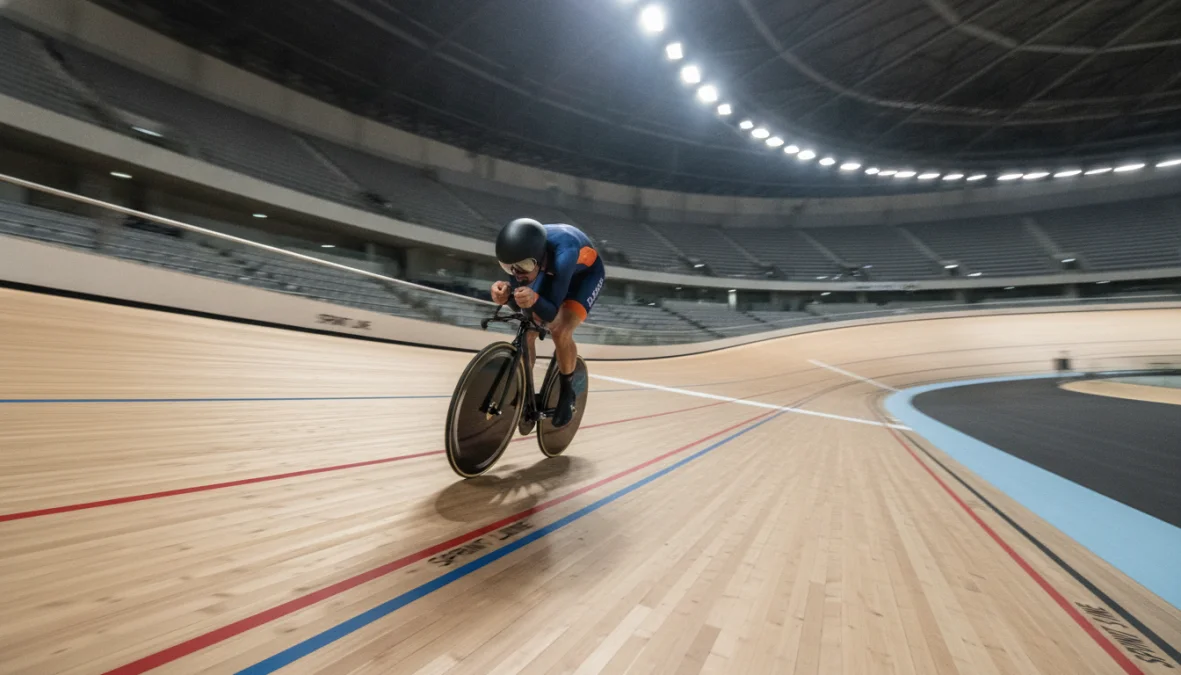
The banked turns of the velodrome represent one of cycling’s most thrilling environments—where speed, precision, and raw power converge on a wooden oval. Whether you’re coming from road racing or starting fresh, track cycling training demands a completely different approach to building speed and mastering techniques that simply don’t exist on outdoor routes. The fixed gear, the banking, the tactical mind games—it’s a unique challenge that rewards dedicated preparation.
Understanding Track Cycling Training Fundamentals
Before diving into specific track cycling training protocols, you need to grasp what makes the velodrome such a different beast. Unlike road cycling, where you can coast and brake freely, track bike training happens on a fixed gear with no brakes—your legs control everything. This fundamental difference changes how you approach speed management, cornering, and even recovery.
The velodrome itself presents unique challenges. Banking angles range from 12 to 50 degrees depending on the track, creating forces your body never experiences on flat roads. The smooth wooden or concrete surface provides incredible grip, but requires precise line selection. Standard tracks measure 250 meters around, though some range from 200 to 400 meters, affecting your pacing strategies for different events.
Aerodynamic positioning becomes even more critical in velodrome training than on the road. You’re constantly fighting air resistance at high speeds in a controlled environment where every watt matters. Your position needs to be aggressive yet sustainable, allowing you to generate maximum power output training while minimizing frontal area. This is where understanding optimal pedaling rate and cadence becomes essential to your performance.
The mental adaptation to indoor cycling training shouldn’t be underestimated. The lack of scenery changes, the constant turning, and the proximity to other riders during races create a different psychological environment. Building comfort with the banking and learning to trust your tires on steep angles takes time and progressive exposure.
Essential Velodrome Techniques and Skills
Mastering cycling track techniques forms the foundation of successful track cycling training. Unlike road cycling where technique develops gradually, the velodrome demands specific skills before you can train effectively or safely.
Mastering Track Positioning and Banking Navigation
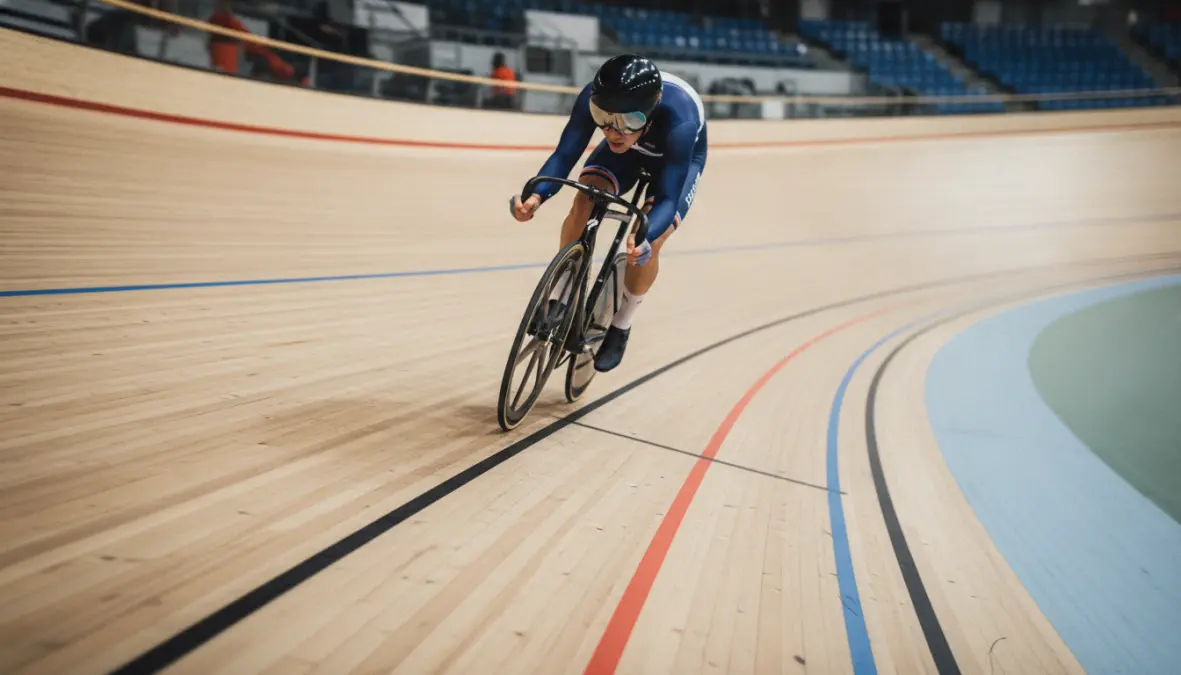
Learning banking techniques starts with understanding the track’s three main lines. The black measurement line marks the official distance, the red sprinter’s line defines the sprint lane during races, and the blue band at the bottom represents the slowest zone. Your training position varies depending on the workout—sprinters often use the blue band for recovery between efforts, while pursuers might maintain position on the black line for consistent pacing.
Ascending and descending the banking smoothly separates beginners from experienced track riders. When climbing the banking, maintain steady pressure through your pedals—never stop pedaling on fixed gear cycling. Look where you want to go, not down at the track. Descending requires equal commitment; hesitation causes wobbling. Lean your bike into the descent while keeping your body relatively upright, allowing gravity and momentum to carry you down naturally.
Speed management in corners becomes instinctive with practice. Higher on the banking, you carry more speed through turns but travel greater distance. Lower positions offer shorter routes but require precise speed control. Finding your optimal line depends on your discipline—sprinters might dive low then sweep high, while pursuit riders maintain consistent middle positions.
Drafting and Race Tactics on the Track
Drafting on the velodrome differs significantly from road racing. The confined space and constant turning create unique slipstream dynamics. In madison race strategy, partners must perfect the timing of exchanges while one rider benefits from the draft. Position yourself 6-12 inches behind the lead wheel—closer than road drafting due to the controlled environment and predictable lines.
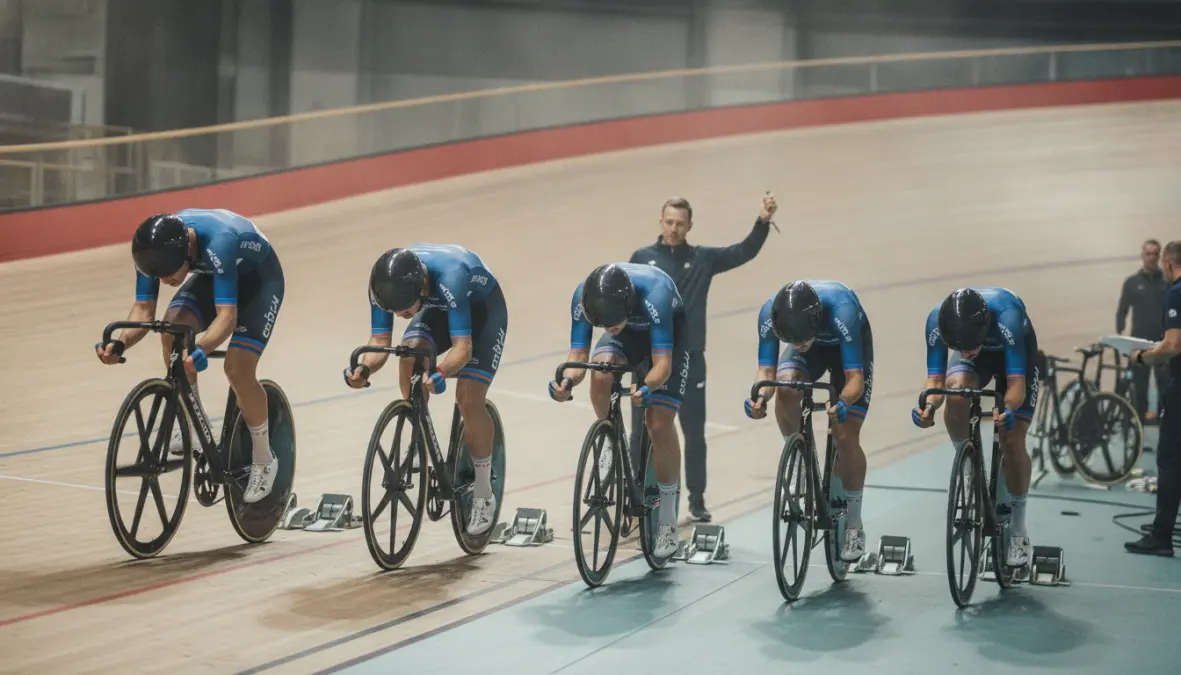
Strategic positioning during races requires split-second decisions. In keirin training, understanding when to launch from behind the motorpacer determines success. For match sprints, controlling the front while managing speed without crossing the red line demands exceptional bike handling. Team pursuit tactics emphasize perfectly timed rotations where each rider pulls for precise durations before swinging up the banking.
Space management becomes critical in bunch races. Unlike roads where you can spread wide, the track limits your options. Learning to hold your line while others surge around you, knowing when to cover attacks, and timing your own moves for maximum effect—these tactical elements require as much practice as physical conditioning. Much like descending techniques on the road, confidence comes from progressive skill building.
Track Cycling Workouts for Different Disciplines
Effective track cycling workouts vary dramatically based on your target events. While all track riders need a foundation of power and speed, the specific energy systems and durations change your training approach entirely.
Sprint Training Protocols
For those wondering how to train for track cycling sprint events, the focus shifts to explosive power and neuromuscular development. Your track cycling sprint workout routine should prioritize quality over volume. Standing starts develop the raw power needed for match sprints and time trials—perform 6-8 efforts of 15-20 seconds from a complete standstill, focusing on maximum acceleration. Rest 5-7 minutes between efforts to ensure full recovery.
Flying 200-meter intervals represent the gold standard for sprint cycling training. After a rolling start building speed, hit maximum velocity for exactly 200 meters. Elite men target sub-10 seconds, while women aim for sub-11 seconds. Perform 4-6 of these per session, with 10-15 minutes recovery. The key is absolute maximum effort—anything less than 95% defeats the purpose.
Max power efforts complement sprint-specific work. Use 10-second all-out efforts with 2-3 minutes rest, performed in sets of 5-6 repetitions. This develops the phosphocreatine energy system crucial for explosive acceleration. Periodization matters: build volume during base phases, then shift to intensity as competition approaches. Monitoring your efforts with quality fitness tracking helps prevent the overtraining that plagues many track cyclists.
Endurance and Pursuit Training Sessions
Pursuit cycling training demands sustained threshold power and exceptional pacing discipline. A typical velodrome training plan for beginners in pursuit events starts with threshold intervals—4-6 minutes at 95-100% of functional threshold power, repeated 4-6 times with equal rest. These build the sustained power output needed for individual pursuit (4km for men, 3km for women) and team pursuit events.
Tempo efforts develop the aerobic base supporting pursuit performance. Ride 20-40 minutes at 80-85% threshold power, maintaining consistent position and cadence. These sessions teach pacing control essential for events where going out too hard costs valuable seconds in the final kilometer. Cadence drills during tempo work—varying between 90-110 RPM—improve pedaling efficiency at race pace.
Lactate tolerance work separates good pursuers from great ones. Perform 2-3 minute efforts at 105-110% threshold, with short recoveries of 2-3 minutes. The goal is maintaining form and power output while your legs scream. Weekly structure might include: Monday—sprint work, Tuesday—threshold intervals, Wednesday—recovery, Thursday—tempo, Friday—lactate tolerance, Saturday—race simulation or rest, Sunday—long aerobic ride. This approach, similar to building base fitness for peak performance, creates the foundation for sustained speed. Proper nutrition timing around these intense sessions maximizes adaptation and recovery.
The velodrome rewards those who commit to mastering its unique demands. Whether you’re targeting sprint glory or pursuit perfection, combining proper technique development with discipline-specific workouts creates the foundation for track cycling success. Start with the fundamentals, progress gradually with banking confidence, and structure your training around your specific events. The oval awaits—and with dedicated preparation, you’ll find speed you never knew you had.