Best Cycling Jerseys: The Complete Guide to Fabrics, Fit and Performance Features
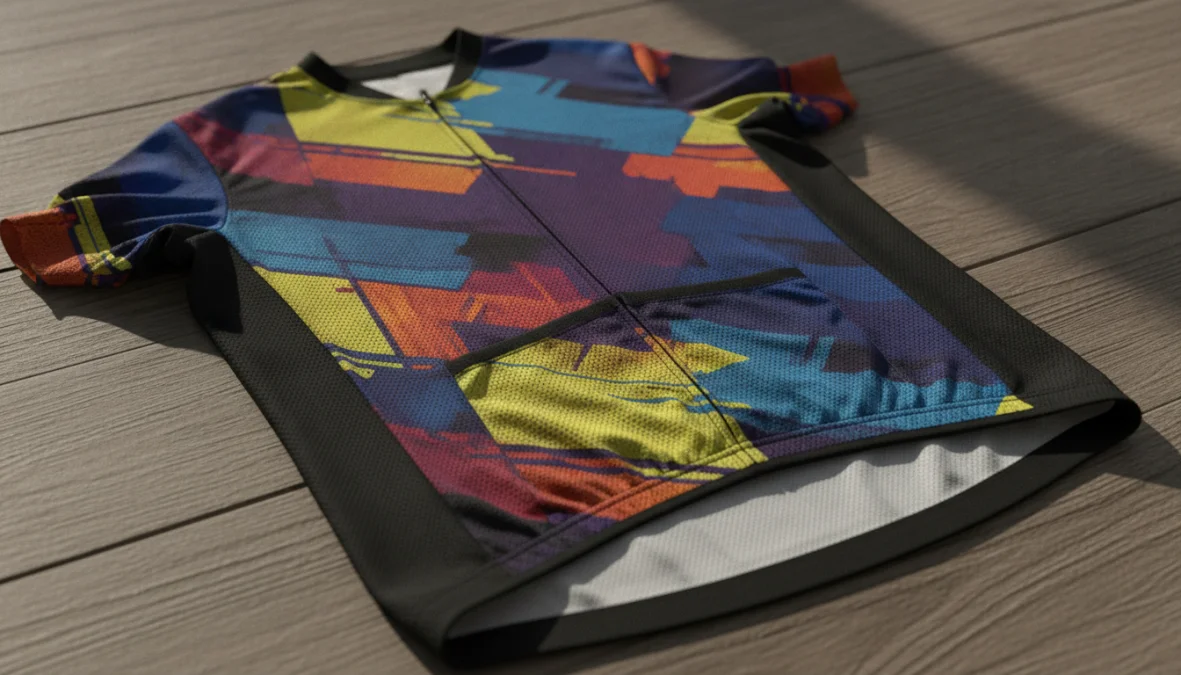
There’s nothing quite like the feeling of a perfectly chosen cycling jersey on a long summer ride—lightweight fabric dancing in the breeze, moisture wicking away before it becomes a distraction, and a fit that feels like a second skin. But walk into any bike shop or browse online, and you’ll quickly realize that finding the best cycling jerseys isn’t as simple as grabbing the flashiest design. From cutting-edge cycling jersey fabrics to the nuances of fit and those performance features that separate the mediocre from the magnificent, there’s a lot to consider. Let’s break down everything you need to know to find your perfect jersey.
What Makes the Best Cycling Jerseys: Fabric Technology and Performance
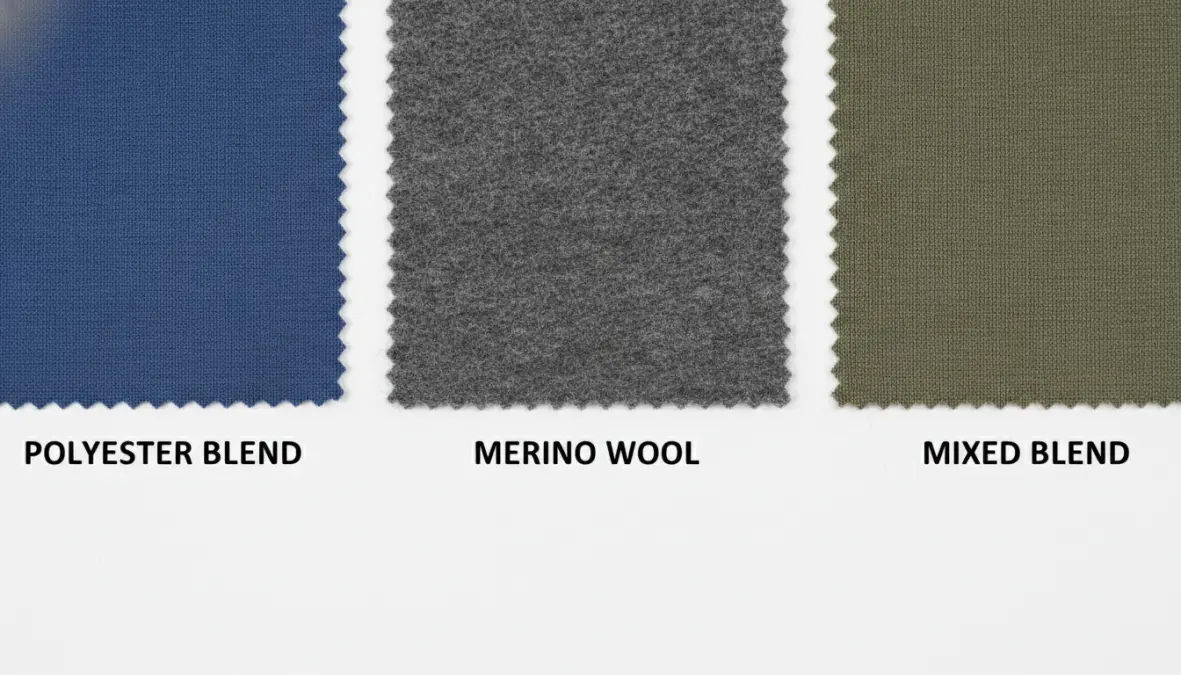
The foundation of any great cycling jersey is the fabric. Modern performance cycling apparel has evolved far beyond basic cotton t-shirts, incorporating sophisticated materials that manage moisture, regulate temperature, and enhance durability. The most common fabric you’ll encounter is polyester blend—typically a combination of polyester with elastane or spandex for stretch. These synthetic fabrics excel at moisture wicking, pulling sweat away from your skin and allowing it to evaporate quickly on the fabric’s outer surface.
Merino wool has also gained serious traction among cyclists who appreciate its natural properties. Unlike synthetics, merino regulates temperature exceptionally well, keeping you cool in heat and warm when temperatures drop. It’s naturally antimicrobial, meaning less odor even after long rides. The downside? It’s typically more expensive and can be less durable than synthetic alternatives. Many manufacturers now offer merino-synthetic blends that capture the best of both worlds.
When considering what fabric is best for cycling jerseys, think about your primary riding conditions. For hot weather cycling, lightweight polyester blends with maximum breathability reign supreme. For variable conditions during spring training rides, merino or merino-blend jerseys offer more versatility.
Moisture Management and Breathability Explained
The science behind moisture wicking jerseys is fascinating. These fabrics work through capillary action—tiny spaces between fabric fibers pull moisture away from your skin and spread it across a larger surface area where it can evaporate. The most breathable cycling jerseys take this further with strategically placed mesh panels and ventilation panels in high-sweat zones like the underarms, sides, and back.
Breathable cycling clothing isn’t just about comfort—it’s performance-critical. When sweat accumulates on your skin, your body works harder to cool itself, wasting energy you could be putting into the pedals. Quality best cycling jerseys for hot weather feature open-weave fabrics or laser-cut perforations that maximize airflow while maintaining the jersey’s structural integrity.
Fabric Weight and Seasonal Considerations
Fabric weight, measured in grams per square meter (GSM), dramatically affects how a jersey performs. Lightweight summer cycling jerseys typically range from 100-150 GSM, offering maximum breathability and quick-drying properties. Mid-weight jerseys (150-200 GSM) work better for spring and fall, providing more warmth without sacrificing too much ventilation. The relationship between fabric weight and performance is direct: lighter fabrics reduce weight and improve breathability but may sacrifice durability and UV protection.
Getting the Right Fit: How Best Bike Jerseys Should Feel
Even the most advanced fabric technology won’t help if your jersey doesn’t fit properly. The cycling jersey fit directly impacts both comfort and performance, affecting everything from aerodynamics to how effectively the fabric manages moisture. Understanding how to choose cycling jersey size starts with knowing the three main fit categories and which works best for your riding style.
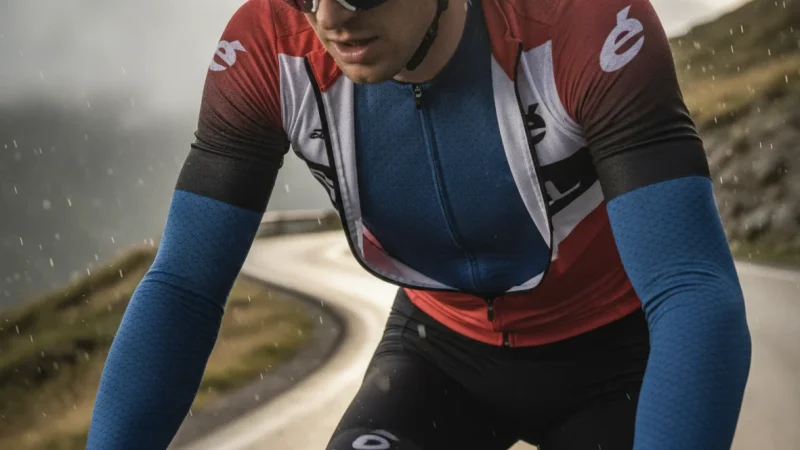
Road cycling jerseys traditionally lean toward tighter fits than casual cycling wear, and for good reason. A properly fitted jersey eliminates excess fabric that would flap in the wind, creating drag and noise. The sleeves should end mid-bicep without constricting, and the back should be longer than the front to accommodate your riding position—this prevents the jersey from riding up when you’re bent over the handlebars.
When evaluating best fitting cycling jerseys for men or women, pay attention to shoulder construction. Quality jerseys often feature raglan sleeves that follow the natural line of your shoulders, eliminating uncomfortable seams and improving mobility. The collar should sit comfortably without choking, and any zippers should operate smoothly without catching fabric.
Race Fit vs. Club Fit vs. Relaxed Fit
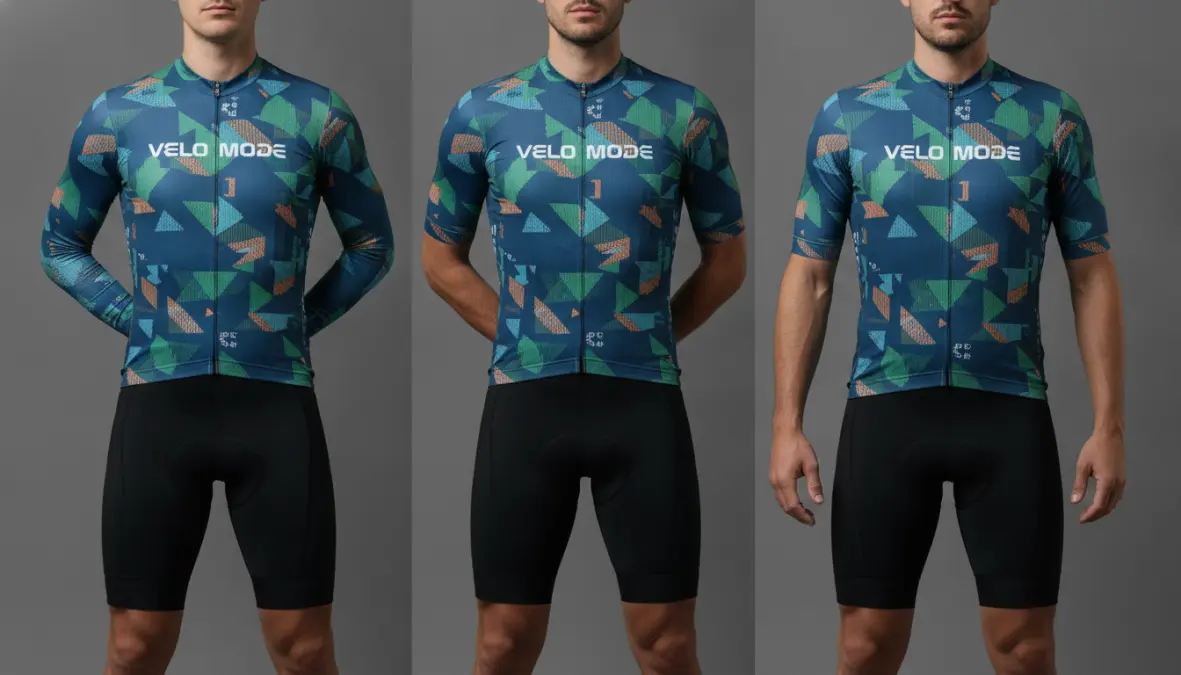
Race cut or “pro fit” jerseys are the tightest option, designed for maximum aerodynamics and an aerodynamic fit that hugs every contour. These work best for competitive riders, those with lean physiques, or anyone prioritizing speed over casual comfort. The snug fit also optimizes moisture-wicking performance since the fabric maintains constant contact with your skin.
Club fit (sometimes called “performance fit”) strikes the middle ground—fitted enough to reduce drag and look sharp, but with enough room to accommodate different body types comfortably. This is the sweet spot for most recreational and enthusiast riders who want performance without feeling vacuum-sealed.
Relaxed fit jerseys prioritize comfort and casual style over aerodynamics. They’re ideal for touring, commuting, or riders who simply prefer a looser feel. While you’ll sacrifice some efficiency, you’ll gain comfort and versatility—these jerseys often transition better off the bike too.
Essential Performance Features in the Best Cycling Jerseys
Beyond fabric and fit, the best bike jerseys distinguish themselves through thoughtful design details. Rear pockets are non-negotiable for most riders—the standard is three pockets across the lower back, sized to hold energy gels, a phone, keys, and perhaps a lightweight jacket. Some jerseys add a fourth zippered pocket for valuables. The key is that pockets should be positioned to distribute weight evenly without sagging when loaded.
Zipper choice matters more than you might think. Full-length zippers offer maximum ventilation control—crucial when temperatures fluctuate or intensity varies. Partial zippers reduce weight and cost but limit your ability to dump heat quickly. Look for zippers with a garage at the top (a fabric covering that prevents neck chafe) and quality pulls that won’t snag.
The bottom hem typically features a silicone gripper or elastic band to keep the jersey in place without riding up. Quality performance cycling apparel uses wide, soft grippers that hold securely without feeling restrictive. Flatlock or seamless construction prevents chafing during long rides—particularly important in areas where your arms move repetitively or where straps from bibs or shorts might create friction points.
Reflective elements enhance safety for early morning or evening rides, while some jerseys incorporate antibacterial treatments to reduce odor. For riders who use indoor cycling apps, look for jerseys with maximum ventilation since indoor riding typically generates more heat with less airflow.
FAQ: Common Questions About Choosing Cycling Jerseys
How tight should a cycling jersey fit?
A properly fitted cycling jersey should feel snug but not restrictive. You should be able to move your arms freely and breathe comfortably. When standing upright, there should be minimal excess fabric, but it shouldn’t feel like compression wear. The true test is on the bike—in your riding position, the jersey should lie smooth without bunching or gapping.
What fabric is best for hot weather cycling?
Lightweight polyester blends (100-120 GSM) with mesh ventilation panels offer the best cycling jerseys for hot weather performance. These fabrics provide superior moisture wicking and quick-drying properties. Look for open-weave constructions and light colors that reflect heat rather than absorbing it.
Do expensive cycling jerseys make a difference?
Generally, yes. Premium jerseys use advanced fabrics with better moisture management, more durable construction, superior fit, and thoughtful design details. While budget jerseys work fine for occasional riding, serious cyclists notice significant comfort and performance differences during long rides. The investment pays off in durability too—quality jerseys maintain their shape and function through many more wash cycles.
How do I care for performance cycling jerseys?
Always wash cycling jerseys in cold water with gentle detergent, avoiding fabric softeners that clog moisture-wicking fibers. Turn them inside out to protect external fabrics and prints. Air dry whenever possible—heat from dryers degrades elastic fibers and can damage technical fabrics. Proper care extends jersey life significantly and maintains performance properties.
What’s the difference between road cycling jerseys and mountain bike jerseys?
Road jerseys prioritize aerodynamics, close fit, and rear pockets. Mountain bike jerseys typically feature more relaxed fits for better mobility during technical riding, more durable abrasion-resistant fabrics, and sometimes front pockets for easier access. Road jerseys also tend to use lighter, more breathable fabrics since sustained efforts generate more heat than the interval nature of trail riding.
Finding the best cycling jerseys comes down to matching fabric technology, fit, and features to your specific riding style and conditions. Whether you’re chasing PRs, enjoying weekend club rides, or exploring new routes, the right jersey transforms your experience from merely functional to genuinely enjoyable. Invest time in understanding these elements, and you’ll find that perfect jersey that makes every ride better. Now get out there and put those wheels to work—and don’t forget proper recovery afterward!