Bike Chain Maintenance: Complete Cleaning and Lubrication Guide
There’s nothing quite like the smooth, silent glide of a well-maintained bike chain. But let’s be honest—most of us only think about our chain when it starts screaming for attention with that telltale grinding noise. The truth is, proper bike chain maintenance is one of the simplest yet most impactful things you can do for your ride. Whether you’re wondering how to clean a bike chain at home or searching for the best way to lubricate bicycle chain, this guide will walk you through everything you need to keep your drivetrain running like new.
Why Regular Bike Chain Maintenance Matters
Your chain is the hardworking heart of your bicycle drivetrain maintenance routine, and neglecting it costs you in more ways than one. A well-maintained chain can last 3,000-5,000 miles, while a dirty, poorly lubricated one might barely make it to 1,500 miles before needing replacement. That’s a significant difference that directly impacts your wallet—especially when you consider that a worn chain accelerates wear on your cassette and sprockets, which are considerably more expensive to replace.
Beyond longevity, bike chain maintenance dramatically affects your bike performance. A clean, properly lubricated chain delivers up to 98% drivetrain efficiency, while a dirty chain can lose 5-10 watts of power to friction. That might not sound like much, but over a long ride or race, those watts add up to real fatigue in your legs.
So how do you know when it’s time for some chain care? Listen for grinding or squeaking noises, feel for resistance when pedaling that wasn’t there before, or simply look at your chain—if you can see a thick coating of grime and grit, it’s overdue. These are clear signals that your chain is crying out for attention. Regular maintenance isn’t just about following a schedule; it’s about responding to what your bike is telling you. For more comprehensive bike maintenance tips, check out our complete cycling maintenance schedule.
How to Clean Your Bike Chain: Step-by-Step Methods
Learning how to clean a bike chain at home doesn’t require a professional workshop. You’ll need a few basic supplies: a quality degreaser, chain cleaning brushes or an old toothbrush, clean rags, and optionally a chain cleaning tool. Having the right equipment makes bicycle chain cleaning quick and effective, turning what seems like a messy chore into a satisfying 15-minute routine.
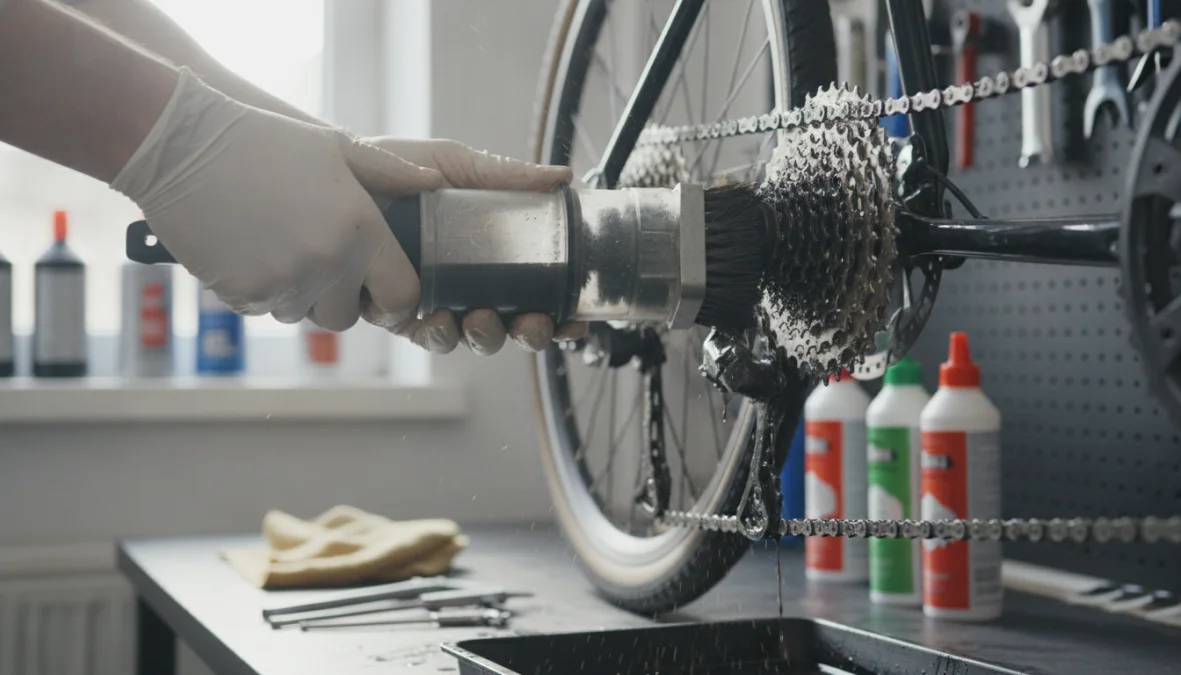
The on-bike quick clean method works great for regular maintenance. Position your bike on a stand or flip it upside down. Apply degreaser to the chain while rotating the pedals backward, letting the product penetrate for a minute. Use a brush to scrub the chain, paying attention to the rollers and side plates. A chain cleaning tool—a clamshell device filled with degreaser that you run the chain through—makes this process even easier. Rotate the pedals through several complete rotations, then wipe everything clean with rags. This method is perfect for weekly cleaning or after dusty rides.
The rag and degreaser method requires minimal equipment. Simply wrap a rag around the chain, apply degreaser, and pull the chain through while pedaling backward. Rotate to a clean section of the rag frequently. This technique is surprisingly effective for light to moderate grime and is the go-to for many experienced cyclists.
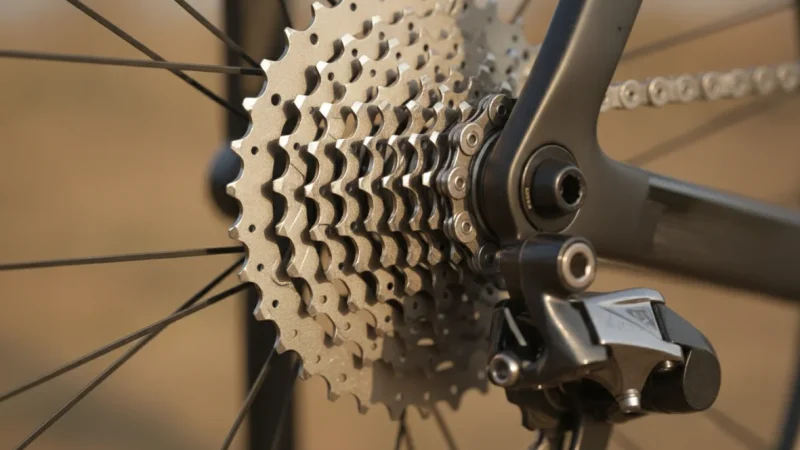
For the deep clean method, you’ll need to remove the chain using a chain tool (or quick-link pliers if your chain has a master link). Soak the chain in degreaser in a jar or chain cleaning bath for 20-30 minutes, agitating occasionally. This dissolves stubborn grease and grit that on-bike methods can’t reach. After soaking, scrub with a brush, rinse with clean degreaser or isopropyl alcohol, dry thoroughly, and reinstall. Don’t forget to clean your cassette and sprockets while you’re at it—a clean chain on dirty cogs defeats the purpose.
Regarding frequency: how often should you clean bike chain? Road cyclists in dry conditions might clean every 200-300 miles, while mountain bikers or those riding in wet, muddy conditions may need to clean after every ride. A good rule of thumb: if your chain looks dirty, it is dirty.
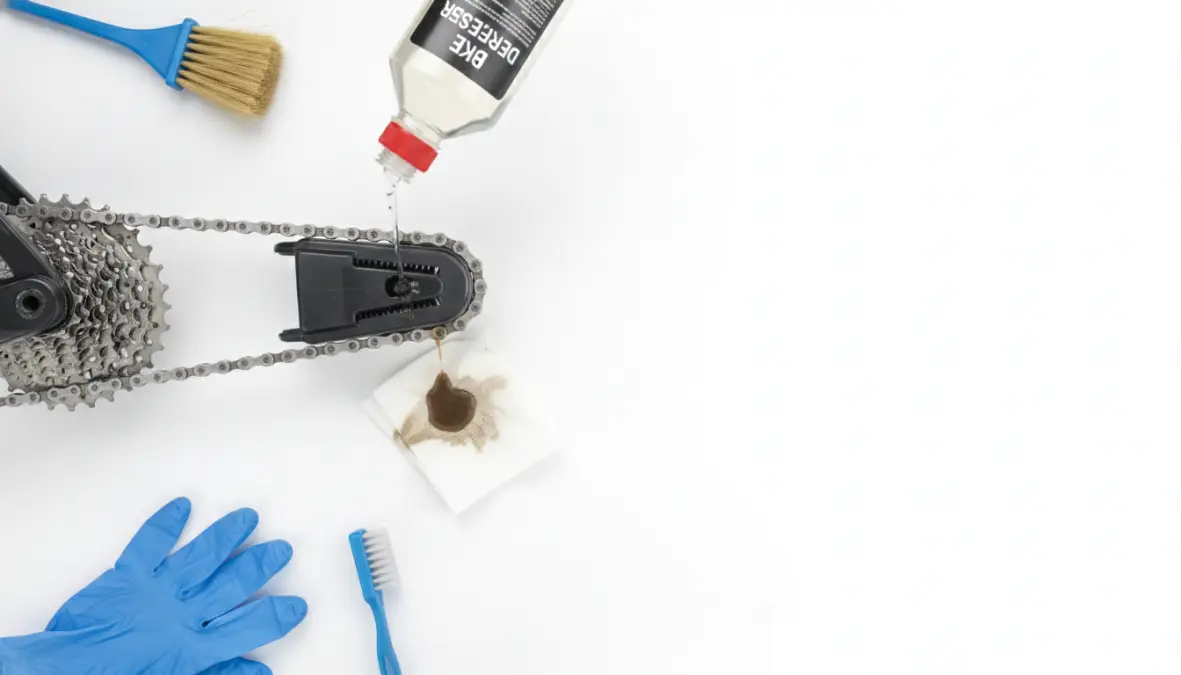
Quick Clean vs Deep Clean: When to Use Each Method
Use the quick clean for regular weekly maintenance, after dry rides, or when you notice light dust accumulation. It takes 10-15 minutes and keeps chain wear at bay during normal riding conditions. Reserve the deep clean for monthly or seasonal overhauls, after particularly muddy or wet rides, before long tours or events, or when you notice performance degradation despite regular cleaning. If you’re preparing your bike for the season ahead, our guide on transitioning from indoor to outdoor cycling includes essential maintenance steps. The deep clean addresses grime that accumulates inside the chain rollers where quick methods can’t reach, significantly extending chain longevity.
Chain Lubrication Guide: Choosing and Applying the Right Lube
Cleaning is only half the battle—proper lubrication is where your chain lubrication guide becomes critical. Choosing what lubricant to use on bike chain depends entirely on your riding conditions. Wet lubricants are thick, sticky formulas designed for rainy weather, muddy trails, and high-humidity environments. They resist water washout but attract more dirt in dry conditions. Dry lubricants are lighter, wax-based formulas perfect for dry, dusty climates. They don’t attract as much grime but wash off more easily in wet conditions. Wax-based lubricants offer the cleanest operation and excellent longevity but require more frequent application and work best when applied to a completely clean chain.
Here’s the best way to lubricate bicycle chain following this step by step chain cleaning guide: First, ensure your chain is completely dry after cleaning—any remaining moisture or degreaser will prevent proper lube penetration. Apply lubricant one drop at a time to the inner surface of each link while slowly rotating the pedals backward. One drop per roller is sufficient; more is wasteful and counterproductive. After applying to the entire chain, continue rotating the pedals backward for 30 seconds to help the lube penetrate the rollers and pins. Let the chain sit for at least 15-30 minutes (or overnight for wax-based lubes) to allow penetration. Finally, wipe off all excess lubricant from the outer surfaces with a clean rag—this step is crucial because surface lubricant only attracts dirt without providing any benefit.
For bicycle drivetrain maintenance, frequency matters. In dry conditions, lubricate every 100-150 miles or when the chain sounds dry. In wet or muddy conditions, you may need to lube after every ride. If you’re planning extended adventures, proper chain care becomes even more critical—check our bike packing essentials guide for maintaining your bike on multi-day trips.
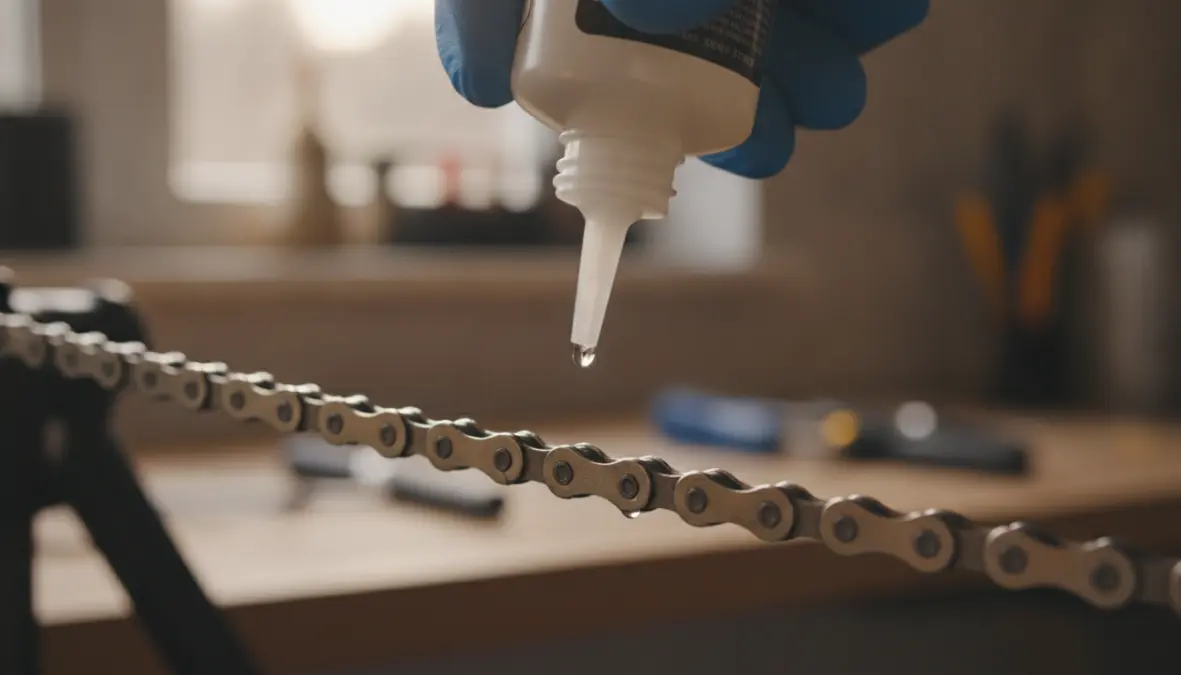
Common Lubrication Mistakes to Avoid
Steer clear of these frequent errors: Over-lubrication is the number one mistake—excess lube on the outside of the chain acts like a dirt magnet, creating grinding paste that accelerates wear. Lubricating a dirty chain seals in abrasive particles against metal surfaces. Not removing excess after application leaves sticky residue that collects debris. Using WD-40 as a lubricant is problematic—while great as a cleaner or water displacer, it’s too light and evaporates quickly, leaving your chain unprotected. Finally, using the wrong lube type for conditions (dry lube in the rain or wet lube in the desert) compromises both protection and cleanliness.
FAQ: Bike Chain Maintenance Questions Answered
How often should I clean my bike chain?
It depends on conditions, but generally every 100-200 miles for road cycling in dry weather, or after every muddy ride for mountain biking. Visual inspection is your best guide—if the chain looks dirty or sounds noisy, it needs cleaning. Regular commuters should aim for weekly quick cleans.
Can I use WD-40 on my bike chain?
WD-40 is excellent for cleaning and displacing water, but it’s not a proper chain lubricant. It’s too thin and evaporates quickly, leaving your chain vulnerable to wear. Use it to clean or remove rust from bike chain, but always follow with proper bike-specific lubricant.
How do I know when my chain needs replacing?
Use a chain wear indicator tool to measure elongation. Replace when it reaches 0.5% wear for 11/12-speed chains or 0.75% for 10-speed and lower. Visible signs include skipping gears under load, difficulty shifting, or measuring 12 full links at over 12⅛ inches instead of exactly 12 inches.
Should I remove the chain to clean it?
Not necessary for regular maintenance. On-bike cleaning is sufficient for most situations and preserves the chain’s installation. Remove the chain only for deep seasonal cleaning or when you notice persistent grime that on-bike methods can’t eliminate. If your chain has a master link, removal is easier.
What’s the best chain lube for wet conditions?
Wet-formula lubricants with heavier, water-resistant bases work best. Look for products specifically labeled “wet” or “all-weather.” They’ll stay on your chain during rainy rides and protect against corrosion, though you’ll need to clean more frequently as they attract more dirt than dry lubes.
Mastering bike chain maintenance transforms your riding experience. A clean, well-lubricated chain shifts smoothly, pedals efficiently, and lasts significantly longer—saving you money and frustration. The 20 minutes you invest in regular chain care pays dividends in performance and component longevity. Whether you’re a weekend warrior or daily commuter, these techniques are essential skills every cyclist should master. Just like proper positioning prevents injury (learn more in our bike fitting guide), proper maintenance prevents mechanical headaches. Get out there, keep that drivetrain clean, and enjoy the silent satisfaction of a perfectly maintained ride.