Race Wheel Selection: When Carbon Aero Wheels Are Worth the Investment
Staring at your current wheelset and wondering if those sleek carbon aero wheels you’ve been eyeing will actually make you faster? You’re not alone. Race wheel selection is one of the most debated topics in competitive cycling, and for good reason—wheels can be a significant investment that either transforms your racing performance or sits in your garage reminding you of poor financial decisions. The truth is, carbon aero wheels can absolutely be worth every penny, but only if you’re racing in the right conditions and at the right level. Let’s cut through the marketing hype and figure out when upgrading makes sense for your racing goals.
Understanding Carbon Aero Wheels: Performance Benefits and Real-World Impact
The science behind carbon aero wheels isn’t just marketing fluff—it’s backed by solid wind tunnel testing and real-world data. At 40 km/h (25 mph), a quality set of aero wheels can save you 15-30 watts compared to traditional box-section aluminum wheels. That might not sound like much, but over a 40km time trial, those watt savings translate to roughly 60-90 seconds—enough to move you up several places on the results sheet.
The aero wheel benefits come from two main factors: reduced drag and improved airflow management. Deep-section carbon rims slice through the air more efficiently, and modern designs optimize performance across various yaw angles (the angle at which wind hits the wheel). Unlike the old days when aero wheels only worked in perfect headwinds, today’s designs deliver drag reduction in crosswinds too—often performing better at 10-15 degree yaw angles than straight-on winds.
But aerodynamics isn’t the only advantage in racing wheels comparison. Carbon wheels typically offer superior lateral stiffness, meaning more of your power goes into forward motion rather than flex. When you’re sprinting for the line or attacking on a climb, that stiffness matters. The carbon vs aluminum wheels debate often focuses on weight, but the real performance difference comes from this combination of aero efficiency and stiffness. High-quality carbon rims also provide better braking performance in dry conditions (especially with disc brakes) and maintain speed more efficiently once you’re up to pace. If you’re serious about cycling aerodynamics, wheels are typically the second-best investment after optimizing your position.
When Carbon Aero Wheels Are Worth It (And When They’re Not)
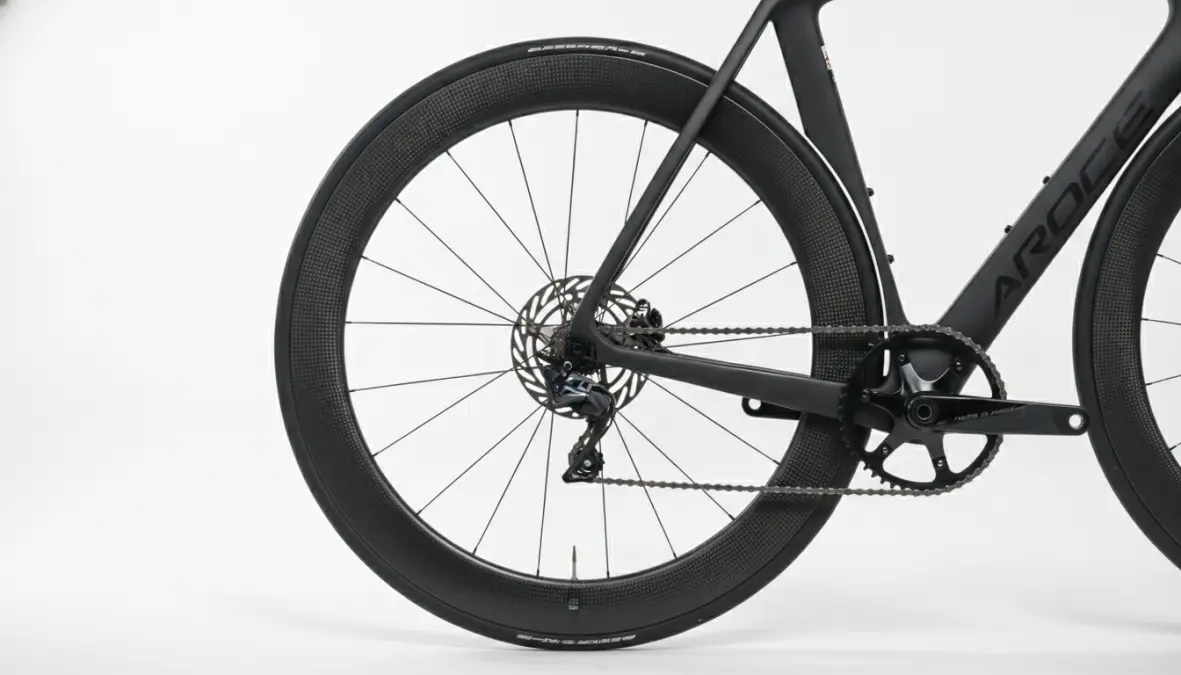
Here’s the million-dollar question: when are carbon aero wheels worth the money? The answer depends on several critical factors. Your race wheel selection should be driven by the type of racing you do, your current performance level, and the courses you typically ride.
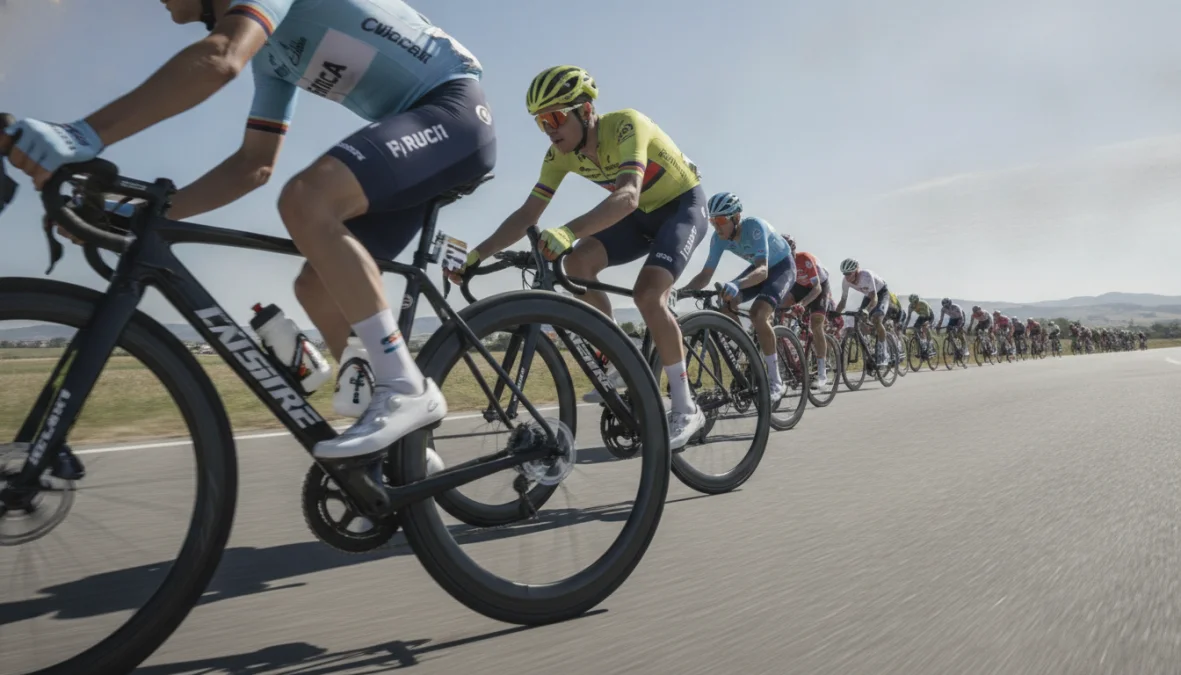
If you’re regularly hitting speeds above 35 km/h (22 mph) for extended periods, the aerodynamic advantages compound significantly. Cat 1-3 racers, competitive triathletes, and time trialists will see measurable gains that directly impact results. At these speeds and power outputs, the question of aero wheels worth it becomes a clear yes—you’re in the range where marginal gains actually matter.
However, if you’re riding Cat 4-5 races where average speeds are lower, or you’re an amateur racer focused more on finishing than podiums, the cost-benefit equation shifts. A race wheel upgrade might deliver less impact than improving your fitness, nutrition, or bike handling skills. Budget considerations matter too—spending $2,000 on wheels when you’re riding a $1,000 bike doesn’t make strategic sense.
Your body weight and power output also play crucial roles in carbon wheelset selection. Heavier riders (over 85kg/185lbs) benefit more from stiffer, more robust carbon wheels, while lighter climbers might prioritize low rotational weight over pure aero gains. If you’re producing 250+ watts at threshold, you’ll notice aero benefits more than someone holding 180 watts.
Race Disciplines Where Aero Wheels Provide Maximum Advantage
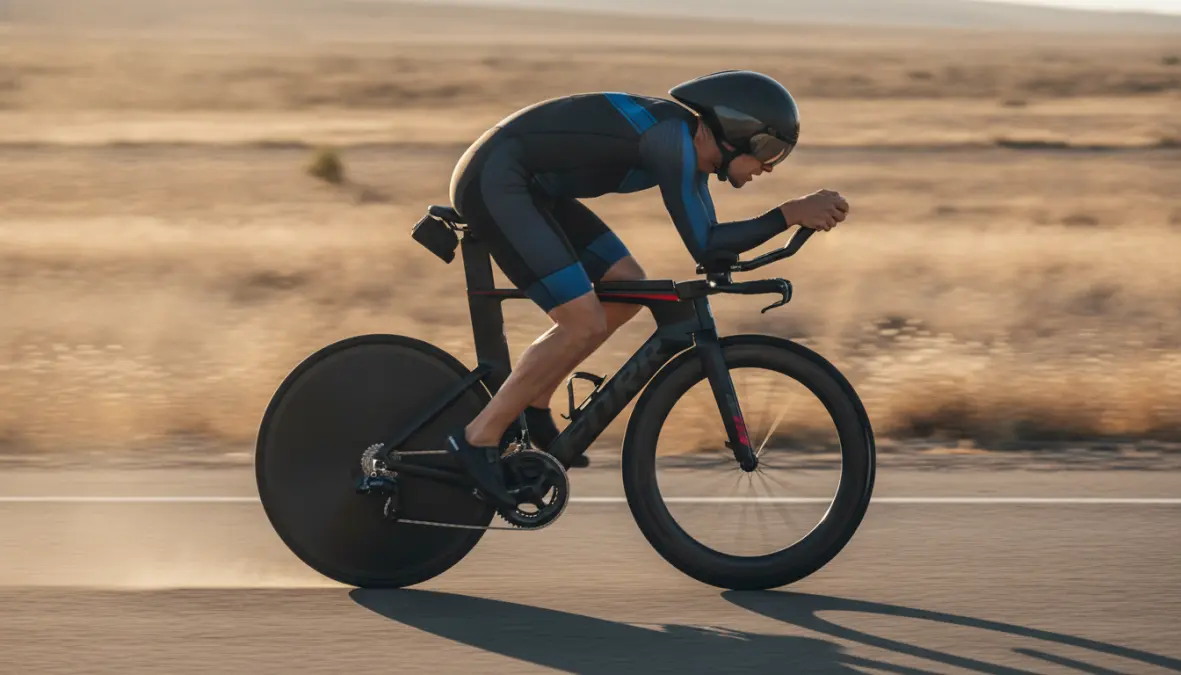
Certain disciplines offer maximum return on your wheel investment. Time trials and triathlons top the list—these are sustained, high-speed efforts where wheelset aerodynamics deliver consistent gains throughout the entire race. If you’re wondering how to choose race wheels for triathlon, prioritize deeper rim depth (60-80mm front, 80-90mm rear) if you can handle the crosswind stability challenges.
Flat road races and criteriums on fast courses also reward aero wheels, especially if the course features long straightaways or sustained tempo riding. Track racing is another no-brainer—the controlled environment eliminates crosswind concerns, and every watt matters when you’re pushing maximum speeds. In these scenarios, asking are expensive carbon wheels worth it for amateur racers depends on your competitive goals, but even mid-pack racers will benefit from the speed maintenance and acceleration characteristics. For those new to structured racing, check out this triathlon training guide before investing in premium equipment.
When to Stick with Aluminum or Avoid the Upgrade
Not every racing scenario justifies carbon aero wheels. Technical criteriums with constant braking and cornering neutralize aero advantages—you’re rarely at steady speed long enough to benefit. Mountain stages and hilly races present a different question: carbon aero wheels vs lightweight climbing wheels. On sustained climbs over 6%, raw weight typically matters more than aerodynamics, making lightweight aluminum or shallow carbon wheels smarter choices.
Extreme crosswind conditions can make deep-section wheels downright dangerous, especially for lighter riders or those inexperienced with handling aero wheels. If your local races frequently feature exposed, windy sections, consider what depth aero wheels should i buy—something in the 40-50mm range offers aero benefits with manageable handling.
Entry-level racers should prioritize other upgrades first: proper fit, quality tires, training consistency, and race experience all deliver better ROI than wheels. Understanding group ride etiquette and pack positioning will make you faster than any equipment upgrade.
Key Factors in Carbon Wheelset Selection for Racing
Once you’ve decided carbon aero wheels make sense for your racing, the carbon wheelset selection process involves several technical considerations. Rim depth is your first major decision. Shallower wheels (30-40mm) offer easier handling and versatility across conditions—great for all-around racing. Mid-depth options (50-60mm) hit the sweet spot for most racers, balancing aero gains with manageable crosswind handling. Deep wheels (70-90mm) maximize aerodynamics but require experience and favorable conditions.
The weight versus aerodynamics trade-off matters for racing wheels comparison. A 1,400g wheelset might feel snappier on punchy climbs than a 1,600g set, but if the heavier wheels save 10 watts at race pace, the aero advantage outweighs the weight penalty in most scenarios. Do the math for your typical race profile—do carbon wheels make you faster in races depends on whether you’re climbing or riding flat.
Internal rim width affects tire performance and aerodynamics. Modern race wheels typically feature 19-21mm internal widths, optimized for 25-28mm tires—the current standard for balancing rolling resistance, comfort, and aerodynamics. Make sure your wheelset supports tubeless setup for better puncture resistance and lower rolling resistance.
Brake type fundamentally changes your options. Disc brake wheels eliminate rim wear concerns and perform consistently in all weather, while rim brake carbon wheels have improved dramatically but still require attention to braking technique in wet conditions. Hub quality impacts long-term reliability—look for sealed cartridge bearings and reasonable service intervals.
Budget-wise, entry carbon wheelsets ($1,000-1,500) from reputable brands offer solid performance, mid-range options ($1,500-2,500) deliver noticeable refinement and lighter weight, while high-end wheels ($2,500+) provide ultimate performance and typically include crash replacement programs. Consider warranty coverage and customer service—wheels take abuse in racing, and responsive support matters. Don’t forget to pair your wheel upgrade with proper hydration strategies and nutrition optimization for complete race-day performance.
FAQ: Race Wheel Selection and Carbon Aero Wheels
How much faster do carbon aero wheels make you?
Carbon aero wheels typically save 15-30 watts at 40 km/h compared to standard aluminum wheels, translating to 60-90 seconds over a 40km time trial. The exact benefit depends on your speed, power output, and wheel choice. At lower speeds (under 30 km/h), the advantage diminishes significantly.
Are carbon wheels worth it for amateur racers?
They’re worth it if you’re consistently competitive (top 20% finishes), racing disciplines where aero matters (time trials, flat road races, triathlons), and can maintain speeds above 35 km/h. If you’re racing recreationally or in technical courses with constant braking, invest in training and skills development first.
What depth aero wheels for racing?
For all-around racing: 50-60mm offers the best balance. Time trials and flat courses: 60-80mm front, 80-90mm rear. Hilly or windy conditions: 40-50mm. Lighter riders or crosswind concerns: stick to 50mm or less. Test ride different depths if possible before committing.
Carbon vs aluminum wheels: which is better for racing?
Carbon wins for sustained high-speed racing (time trials, road races, triathlons) due to superior aerodynamics and stiffness. Aluminum makes sense for budget-conscious racers, technical criteriums, training wheels, or riders prioritizing durability over marginal gains. Carbon provides measurable advantages but at significantly higher cost.
Do aero wheels make a difference in climbing?
On sustained climbs over 6%, weight matters more than aerodynamics, and the advantage of aero wheels diminishes. However, on rolling terrain or climbs under 5%, modern aero wheels (especially lighter models) can still provide net benefits. For pure mountain stages, lightweight wheels (sub-1,400g) trump aero every time.
The bottom line on race wheel selection is this: carbon aero wheels are powerful tools that deliver real, measurable performance gains—but only when matched to the right rider, discipline, and conditions. If you’re racing at a competitive level in appropriate disciplines, investing in quality aero wheels will likely improve your results more than almost any other equipment upgrade. But if you’re just starting out or racing in conditions that negate aero advantages, patience and strategic planning will serve you better than rushing into an expensive purchase. Evaluate your racing honestly, consider your typical courses and conditions, and make the choice that aligns with your actual needs rather than aspirational goals. For more insights on maximizing your performance, explore tips on cycling in challenging conditions and recovery strategies that complement your equipment investments.