
BCAAs for Athletes: When and How to Use Branched-Chain Amino Acids

Walk into any gym locker room and you’ll likely hear athletes debating supplements. Among the most discussed? BCAA for athletes. These branched-chain amino acids have become a staple in many training bags, but the real question isn’t whether they’re popular—it’s whether you actually need them and how to use them right. Let’s cut through the marketing hype and get to what actually matters for your performance.
What Are BCAAs and Why Athletes Need Them
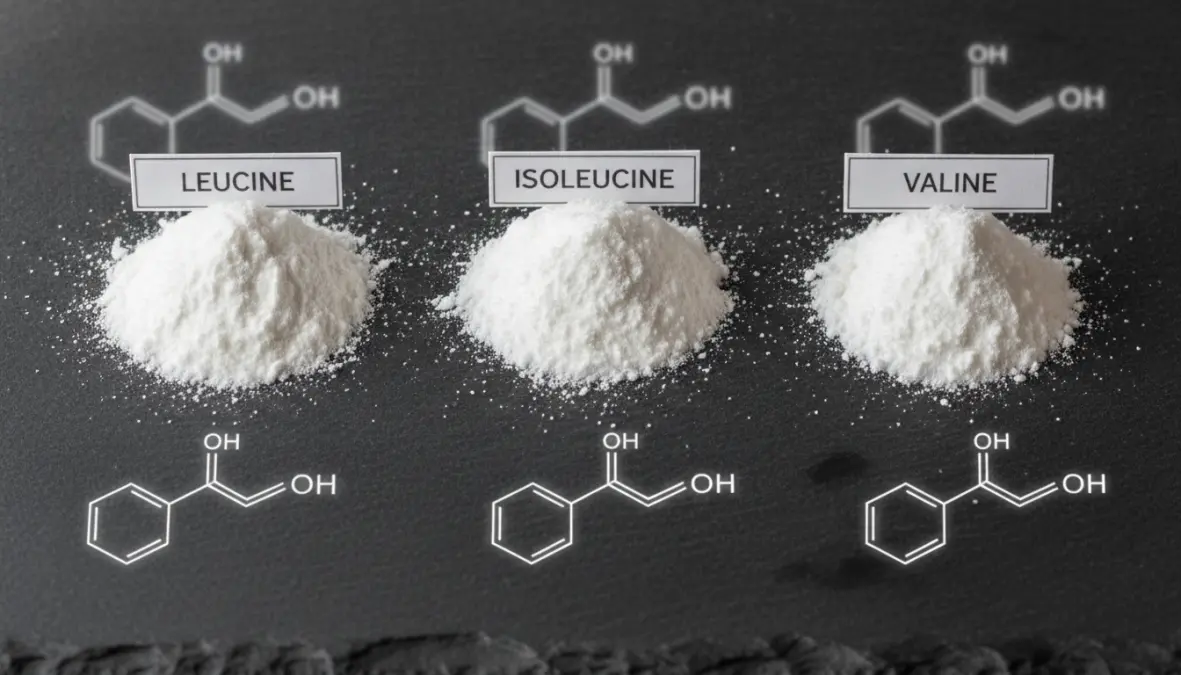
When we talk about branched chain amino acids, we’re referring to three specific amino acids: leucine, isoleucine, and valine. Unlike the other 17 amino acids your body uses to build protein, these three are considered essential—meaning your body can’t manufacture them on its own. You’ve got to get them from food or bcaa supplements.
What makes BCAAs special isn’t just that they’re essential. It’s where and how your body uses them. While most amino acids get processed in your liver, BCAAs head straight to your muscles, where they play a direct role in muscle protein synthesis—the process your body uses to repair and build muscle tissue after training.
Here’s an important distinction: BCAAs aren’t complete proteins. A complete protein source like chicken, eggs, or whey contains all nine essential amino acids. BCAAs are just three of them. So why isolate these three? Because they make up roughly 35% of your muscle tissue and are particularly important during and after exercise when your muscles are under stress.
Athletes have significantly higher protein and amino acid needs than sedentary folks. When you’re training hard—whether that’s endurance training or strength work—your body breaks down more muscle protein. Adequate BCAA availability helps shift the balance from breakdown to recovery and growth. This is especially relevant during intense training phases or calorie restriction, when muscle breakdown prevention becomes critical.
BCAA Benefits and Optimal Timing for Athletic Performance
The science behind bcaa benefits is pretty compelling when you look at the right studies. First, BCAAs have been shown to reduce exercise-induced muscle damage and soreness—that dreaded DOMS (delayed onset muscle soreness) that makes walking downstairs feel like torture two days after leg day. While they won’t eliminate soreness entirely, many athletes report noticeable improvements in recovery time.
During prolonged exercise, especially endurance sessions, your body can actually use BCAAs as fuel. When glycogen stores run low, having circulating BCAAs available can help spare muscle tissue from being broken down for energy. This makes them particularly valuable for athletic performance supplements during long training sessions.
Perhaps most importantly, leucine—the star player among the three BCAAs—acts as a trigger for muscle protein synthesis. It essentially tells your body “hey, it’s time to build and repair muscle.” This signaling role makes bcaa timing particularly important, which brings us to the eternal debate.
Pre-Workout vs Post-Workout vs Intra-Workout
When asking when to take bcaa for athletes, you’ll find passionate advocates for each timing strategy. Let’s break down the practical differences.
Pre-workout supplementation (30-60 minutes before training) ensures BCAAs are already circulating in your bloodstream when you start exercising. This can help reduce muscle breakdown during your session and provide readily available fuel for intense efforts. This approach works well for early morning training when you might be training in a fasted state.
Intra-workout consumption—sipping BCAAs during your session—is popular among endurance athletes and those doing long training sessions. It maintains elevated BCAA levels throughout exercise, supporting sustained energy and potentially reducing perceived fatigue. Many athletes find this particularly effective for sessions exceeding 90 minutes, similar to strategic approaches discussed in carb cycling protocols and endurance hydration strategies.
Post-workout timing capitalizes on the anabolic window when your muscles are primed for nutrient uptake. Taking BCAAs immediately after training can kickstart recovery and muscle repair. However, if you’re consuming a complete protein source like whey within an hour of finishing, additional BCAAs might be redundant—something worth considering when planning your overall workout nutrition.
The verdict? For most athletes, intra-workout or pre-workout timing provides the most noticeable benefits, especially during demanding sessions. Post-workout is fine, but a complete protein source might be more beneficial at that point.
BCAA Dosage Recommendations for Different Athletes
So how much bcaa should athletes take? Research suggests an effective range of 5-20 grams per serving, with most athletes finding their sweet spot around 10-15 grams. The optimal ratio appears to be 2:1:1 (leucine:isoleucine:valine), though some formulas use higher leucine ratios like 4:1:1 or even 8:1:1 to maximize the muscle-building signal.
BCAA dosage should be personalized based on several factors. Strength and power athletes who prioritize muscle growth might lean toward the higher end (15-20g), especially during intense training phases. BCAA dosage for endurance athletes typically falls in the 5-10g range, often consumed during extended sessions lasting over 90 minutes.
Your body weight matters too. A general guideline is 0.1-0.2 grams per kilogram of body weight. A 70kg athlete would take 7-14 grams per dose. Frequency also plays a role—you can split your daily intake across multiple training sessions or concentrate it around your most demanding workout of the day.

How to Choose and Use BCAA Supplements Effectively
Shopping for bcaa supplements can be overwhelming given the dozens of options lining supplement store shelves. BCAAs come in three main forms: powder (most popular and cost-effective), capsules (convenient but often requiring 5-10 pills per serving), and ready-to-drink liquids (expensive but ultra-convenient).
When reading labels, prioritize products that clearly state the amount of each individual BCAA and the ratio. Avoid proprietary blends that hide actual dosages. Look for third-party testing certifications (NSF Certified for Sport, Informed-Sport) if you’re a competitive athlete subject to drug testing. Quality matters—cheaper products sometimes contain fillers or don’t deliver the stated amounts.
BCAAs play well with other supplements. They won’t interfere with creatine, caffeine, or beta-alanine. However, timing them with complete protein sources deserves thought. If you’re consuming whey protein—which already contains about 25% BCAAs—adding more might be unnecessary unless you’re training multiple times daily or in extreme conditions similar to those discussed in altitude training protocols.
Here’s the honest truth about whether do athletes need bcaa supplements: if your diet already provides 1.6-2.2g of protein per kilogram of body weight from high-quality sources (meat, fish, eggs, dairy, or complete plant-based proteins), you’re likely getting sufficient BCAAs from food. Supplementation becomes more valuable during fasted training, calorie restriction, plant-based diets with incomplete proteins, or extremely demanding training periods.
Side effects are rare but can include gastrointestinal discomfort if you take too much at once. Start with lower doses (5g) and increase gradually. Some people experience mild fatigue if taking BCAAs on an empty stomach—pairing them with a small amount of carbohydrate can prevent this.
Practically speaking, consistency matters more than perfection. If you choose to use amino acid supplementation, make it part of your routine. Track how you feel and perform over several weeks. Monitor recovery markers like soreness, training readiness, and performance metrics you might already be tracking with fitness trackers. Remember that no supplement replaces proper nutrition, adequate sleep, and smart training—foundations that also support aspects like mental performance and injury prevention.
BCAAs aren’t magic, but when used strategically by athletes with specific needs—particularly during intense training, competition periods, or challenging dietary situations—they can provide meaningful support for recovery and performance. The key is understanding your individual context, timing them appropriately, and integrating them thoughtfully into your broader nutrition strategy rather than viewing them as a standalone solution.