Best Cycling Bib Shorts: Why Bibs Are Better Than Regular Shorts
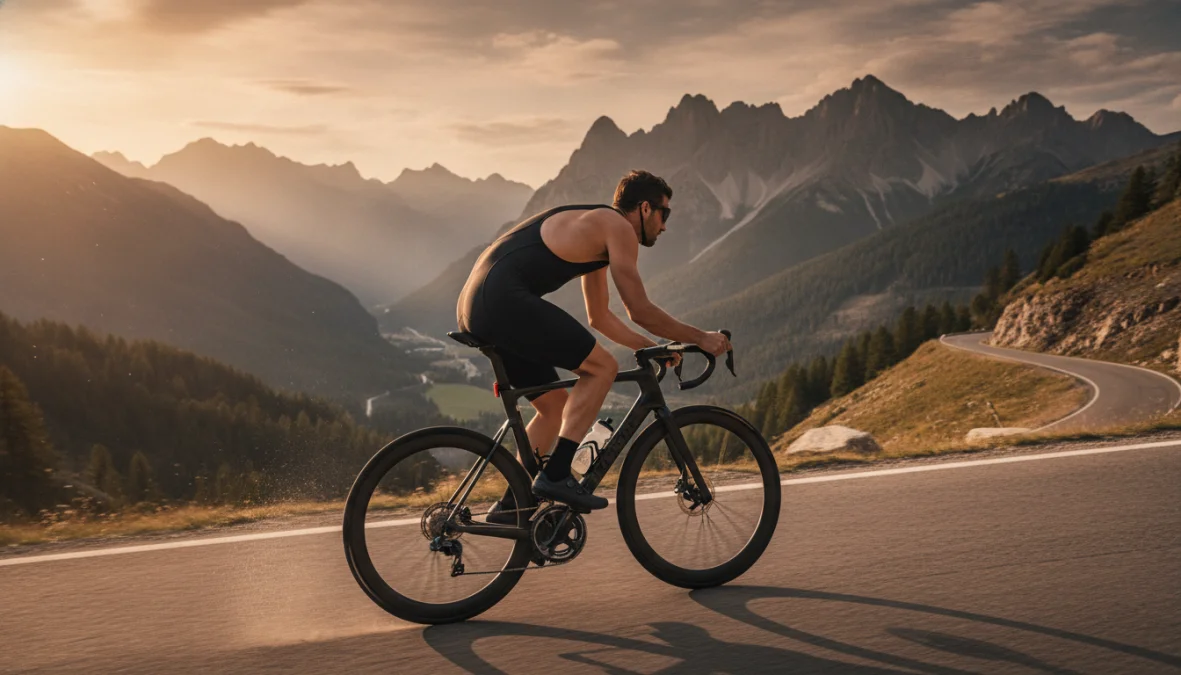
If you’ve ever been on a long ride and found yourself constantly tugging at your shorts or dealing with an uncomfortable waistband digging into your stomach, you’re not alone. The difference between cycling bib shorts and regular cycling shorts isn’t just about style—it’s about fundamentally better comfort, performance, and ride quality. Once you understand why are bib shorts better than regular cycling shorts, you’ll wonder why you didn’t make the switch sooner.
Why Cycling Bib Shorts Are Superior to Regular Shorts
The debate over bib shorts vs regular shorts comes down to one simple truth: cycling shorts with straps eliminate the problems that traditional waistband shorts create. With regular shorts, that elastic waistband needs to be tight enough to keep everything in place, which means it’s constantly compressing your midsection. On longer rides, this creates a pressure point that can restrict breathing, cause digestive discomfort, and leave you with red marks that last for hours.
Padded cycling bibs solve this immediately. The shoulder straps distribute all the holding power across your upper body, meaning zero waistband pressure. Your core can expand and contract naturally as you breathe, and there’s no bunching or rolling during climbs or aggressive riding positions. The chamois padding stays exactly where it should be—centered and stable—rather than shifting around as you move.
There’s also a significant aerodynamic advantage. Because bib shorts don’t need that thick elastic waistband, they create a smoother transition from jersey to shorts. Professional riders universally choose bibs for this reason, and when you’re trying to maintain speed on long rides or working on your cycling aerodynamics, every little improvement counts. The straps also keep everything locked in place during out-of-saddle efforts, sprints, or technical descents—no slippage, no adjustment breaks, just consistent saddle comfort mile after mile.
Types of Cycling Bib Shorts: Finding Your Perfect Fit
Not all best cycling bibs are created equal, and understanding the differences helps you find the right match for your riding style and body. The first major distinction is between cycling bib shorts men and cycling bib shorts women. While they might look similar, women’s bibs feature anatomically specific chamois designs with different padding density and placement to accommodate female anatomy. The shoulder strap systems also differ—women’s versions often have wider, more comfortable straps and bra-friendly designs that don’t interfere with sports bras or create uncomfortable overlap.
Within each category, you’ll find different quality tiers:
- Entry-level bibs (typically under $80): Basic Lycra construction, simpler chamois padding, fewer panels, standard straps. Great for beginners or recreational riders doing shorter distances.
- Mid-range options ($80-150): Better fabrics with compression properties, multi-density chamois, more anatomical panel construction, improved breathability. Ideal for regular riders and weekend warriors.
- Premium cycling bibs (over $150): Advanced materials like Italian lycra shorts, antibacterial treatments, seamless construction, gradient compression, high-end chamois with multiple foam densities, laser-cut gripper bands, and ultralight mesh straps.
You’ll also encounter specialized designs: endurance bibs with extra padding for those seeking the most comfortable cycling bib shorts for century rides; racing bibs that prioritize aerodynamics and minimal weight; and gravel-specific versions with more durable fabrics. Understanding your primary riding style—whether you’re focused on indoor training or planning multi-day adventures—helps narrow down which type serves you best.
How to Choose the Best Cycling Bib Shorts
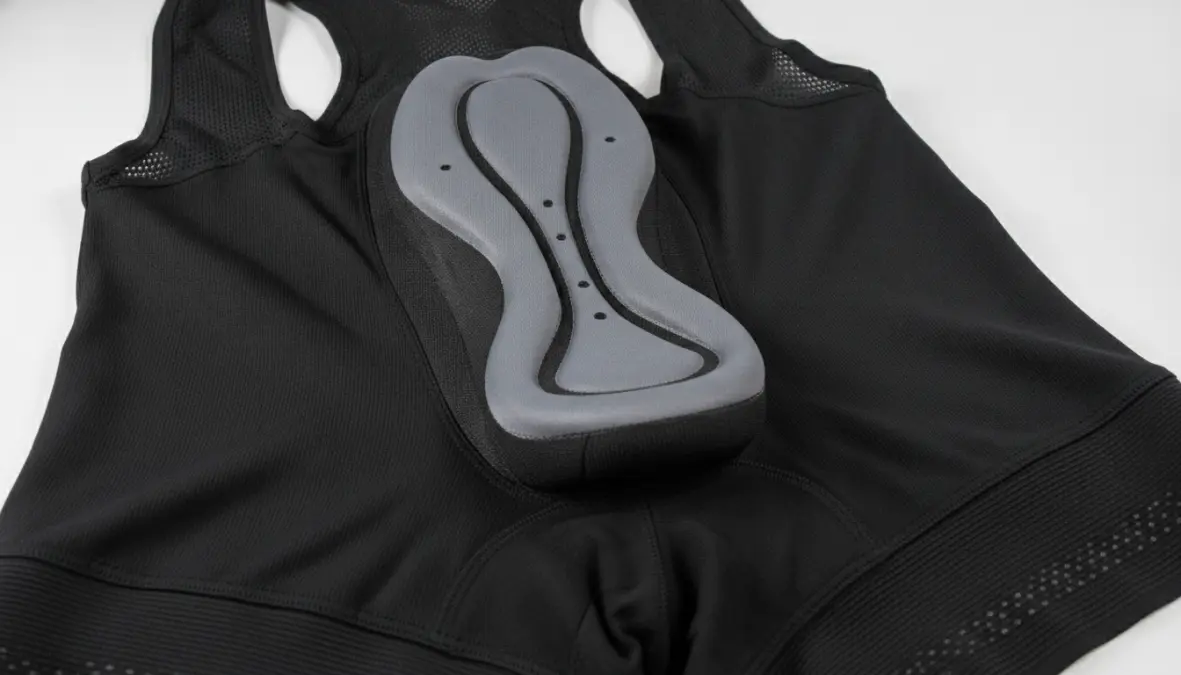
When evaluating best cycling bib shorts for long rides, start with the chamois. This is the single most important component of your cycling kit. A quality chamois uses multiple foam densities—softer where you need cushioning, firmer where you need support. Look for seamless construction that won’t create friction points, and check that the padding extends far enough forward and back to protect you in both upright and aggressive positions. The difference between bib shorts and regular cycling shorts is most obvious here: because bibs hold the chamois in perfect position, manufacturers can optimize pad placement without worrying about waistband interference.
Fabric construction matters enormously. Premium cycling apparel uses 6-8 panels (or more) cut and sewn to create an anatomical, three-dimensional fit. More panels mean better bike fit that moves with you rather than against you. Flatlock stitching prevents chafing, while the fabric itself should offer gradient compression—tighter around muscles for support, looser where flexibility matters. Breathability keeps you comfortable when the temperature rises during spring training rides, while proper moisture wicking prevents that clammy feeling.
The gripper system at the leg opening should be silicone-based rather than just elastic. Quality grippers keep the shorts in place without creating tourniquet-tight pressure. Shoulder straps should be wide enough to distribute pressure (narrow straps dig in), made from breathable mesh, and adjustable if possible. Some premium options feature drop-tail designs or side zippers for easier bathroom breaks—an important consideration when you’re asking yourself are cycling bib shorts worth it on hour four of a ride.
Price-wise, expect to invest at least $100-120 for genuinely good road cycling gear that will last multiple seasons with proper care. Speaking of maintenance: always wash bibs in cold water without fabric softener (which breaks down lycra), air dry them (heat damages elastic fibers), and never wear underwear underneath—the chamois is designed for skin contact, and adding layers creates friction and defeats the padding’s purpose.
FAQ
Are bib shorts worth it?
Absolutely. If you ride regularly for more than an hour at a time, bibs provide superior comfort, better pad stability, and eliminate waistband pressure. Most cyclists who switch to bibs never go back to regular shorts.
How tight should cycling bib shorts be?
They should feel snug but not restrictive. You want compression without cutting off circulation. If you see wrinkles when standing, they’re too loose; if you struggle to breathe or see skin bulging around edges, they’re too tight. The fabric should feel like a second skin.
Can you wear underwear with bib shorts?
No. The chamois is designed to sit directly against your skin. Wearing underwear creates additional seams and friction points that cause chafing. Always go commando in bibs.
How do you go to the bathroom in bib shorts?
For men, it’s relatively simple—the fly in most cycling jerseys provides access. For women, some bibs feature side zippers or drop-tail designs, but many riders simply pull straps off shoulders. It takes an extra moment but becomes routine quickly.
What’s the difference between cheap and expensive bib shorts?
Premium bibs use better chamois (multi-density foam, antibacterial treatments), superior fabrics (Italian lycra with better compression and durability), more anatomical panel construction, and refined details like laser-cut grippers and seamless straps. Cheap bibs work for short rides but won’t provide the same comfort or longevity for serious cyclists.
Making the jump to quality cycling bib shorts represents one of the smartest investments in your cycling kit. Whether you’re logging miles on cadence training rides or fueling properly with strategic nutrition, the right bibs transform your ride quality from the saddle up. Once you experience the benefits of wearing cycling bibs—no waistband, perfect pad position, and all-day comfort—you’ll understand how do cycling bib shorts work to make every ride better. Your body will thank you, mile after mile.