Cycling Nutrition Guide: What to Eat Before, During and After Long Rides
You’ve probably felt it during a long ride—that sudden wave of fatigue, the legs that won’t push another pedal stroke, the mental fog that makes even familiar roads feel challenging. Most cyclists blame conditioning, but often the real culprit is nutrition. Whether you’re training for your first century or simply want to enjoy longer weekend rides without hitting the wall, understanding cycling nutrition can transform your performance. This cycling nutrition guide will walk you through exactly what to eat before, during, and after your rides to maximize energy, prevent bonking, and recover faster.
Pre-Ride Nutrition: Setting the Foundation for Performance
Getting your pre ride nutrition right sets the tone for everything that follows. Think of it like fueling up your car before a road trip—you wouldn’t start with an empty tank. The timing and composition of what to eat before cycling can make the difference between a strong ride and an early bonk.
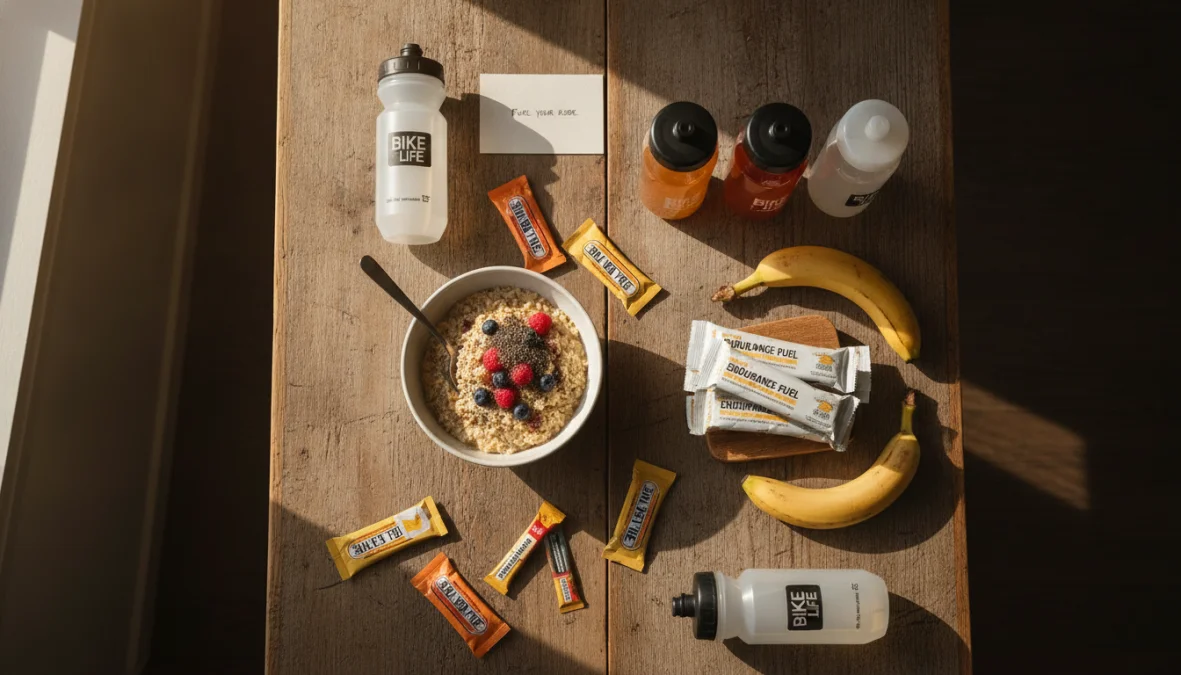
For rides longer than 90 minutes, aim to eat a substantial meal 2-3 hours before you clip in. This meal should be rich in complex carbohydrates (oatmeal, whole grain toast, rice), include moderate protein (eggs, Greek yogurt, lean meat), and keep fats relatively low since they slow digestion. A classic example: oatmeal topped with banana and a tablespoon of almond butter, plus scrambled eggs on the side.
If you’re wondering what to eat before a long bike ride when you have less time, focus on easily digestible options 30-60 minutes before departure. A banana with peanut butter, a small smoothie, or even a couple of energy bars work well. The key is building up your glycogen stores without feeling uncomfortably full.
Common mistakes? Eating too much fiber (hello, bloating), consuming heavy, fatty foods that sit in your stomach, or trying new foods on important ride days. For cycling nutrition for beginners, stick with tested options. Also, adjust portions based on ride intensity—a casual 30-mile spin doesn’t require the same fuel as a hilly century. If you’re building base fitness, check out our Complete Guide to Spring Cycling Training for how nutrition fits into your overall training plan.
During the Ride: Maintaining Energy and Hydration
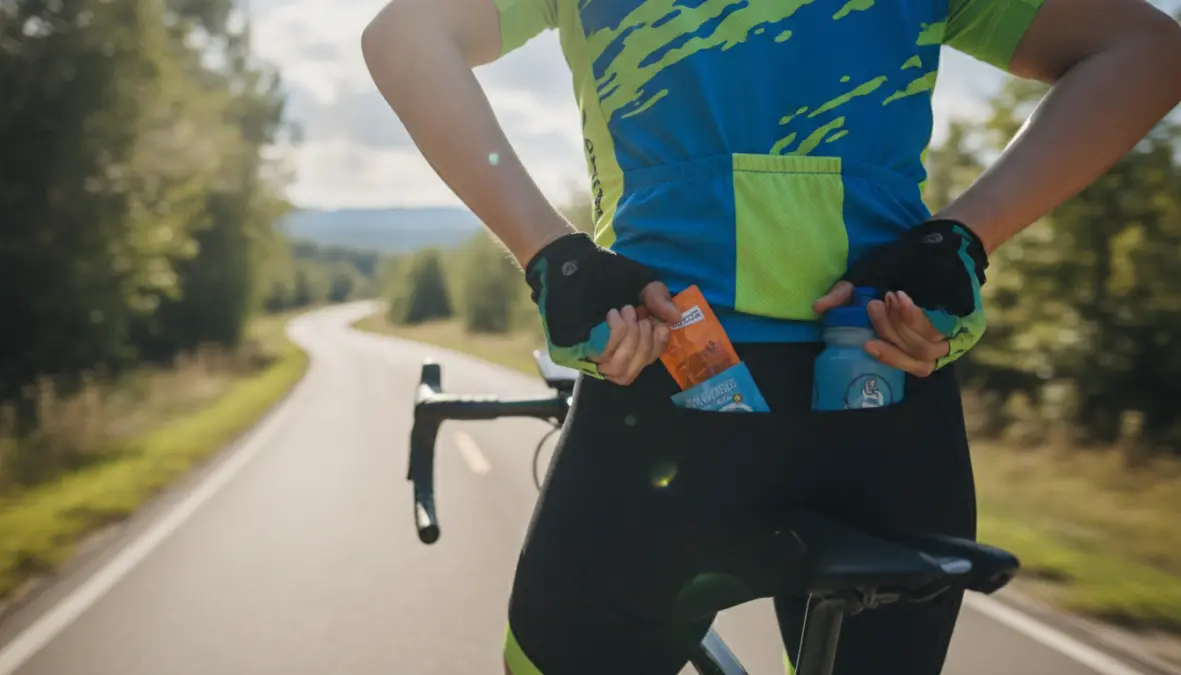
Once you’re rolling, your body becomes a furnace burning through fuel. For rides under 90 minutes at moderate intensity, you can often rely on your pre-ride meal and water. But for endurance cycling nutrition, you’ll need to consume 30-60 grams of carbohydrates per hour for moderate efforts, scaling up to 90 grams for intense rides or races.
The best foods to eat during cycling are those your gut can handle while pedaling. Energy gels deliver quick-absorbing carbs (usually 20-25g per packet), energy bars provide sustained release, and real food options like fig bars, dates, or small peanut butter sandwiches offer both fuel and psychological satisfaction. Many cyclists use a combination—gels for intense sections, real food during easier stretches.
When learning how to fuel for long distance cycling, start consuming nutrition early—around 30-45 minutes into your ride, before you feel hungry. Waiting until you’re depleted makes recovery harder. Set a timer or use landmarks to remind yourself to eat every 20-30 minutes.
Cycling hydration deserves equal attention. The general rule is 250-500ml of fluid every 15-20 minutes, adjusted for weather, intensity, and your individual sweat rate. This is where understanding your body becomes crucial.
Hydration Strategy for Different Conditions
Your hydration needs vary dramatically with conditions. In hot weather (above 75°F/24°C), you’ll need more fluid and electrolyte replacement becomes critical. Sweat doesn’t just contain water—you’re losing sodium, potassium, and magnesium that plain water can’t replace. Sports drinks or electrolyte tablets help maintain this balance and prevent cramping.
To calculate your sweat rate, weigh yourself before and after a one-hour ride (naked, after toweling off). Each pound lost equals roughly 16 ounces of fluid. In cooler conditions, you’ll sweat less, but don’t ignore hydration entirely—dehydration sneaks up on you. Signs to watch for include dark urine, headaches, dizziness, and decreased performance. For summer riding tips, including managing heat and hydration, visit our Summer Cycling Gear Essentials guide.
Post-Ride Recovery: Optimizing Nutrition for Faster Recovery
The work doesn’t stop when you unclip. Post ride recovery nutrition for cyclists determines how quickly you bounce back for your next ride. Within 30-60 minutes after finishing—the so-called anabolic window—your muscles are primed to absorb nutrients and rebuild.
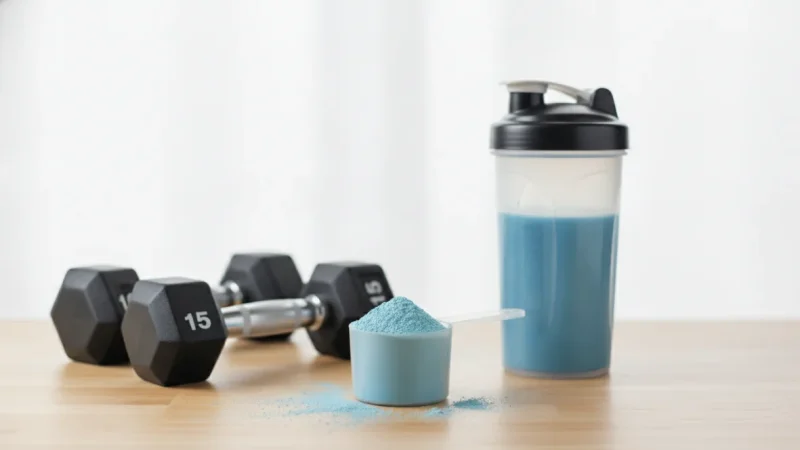
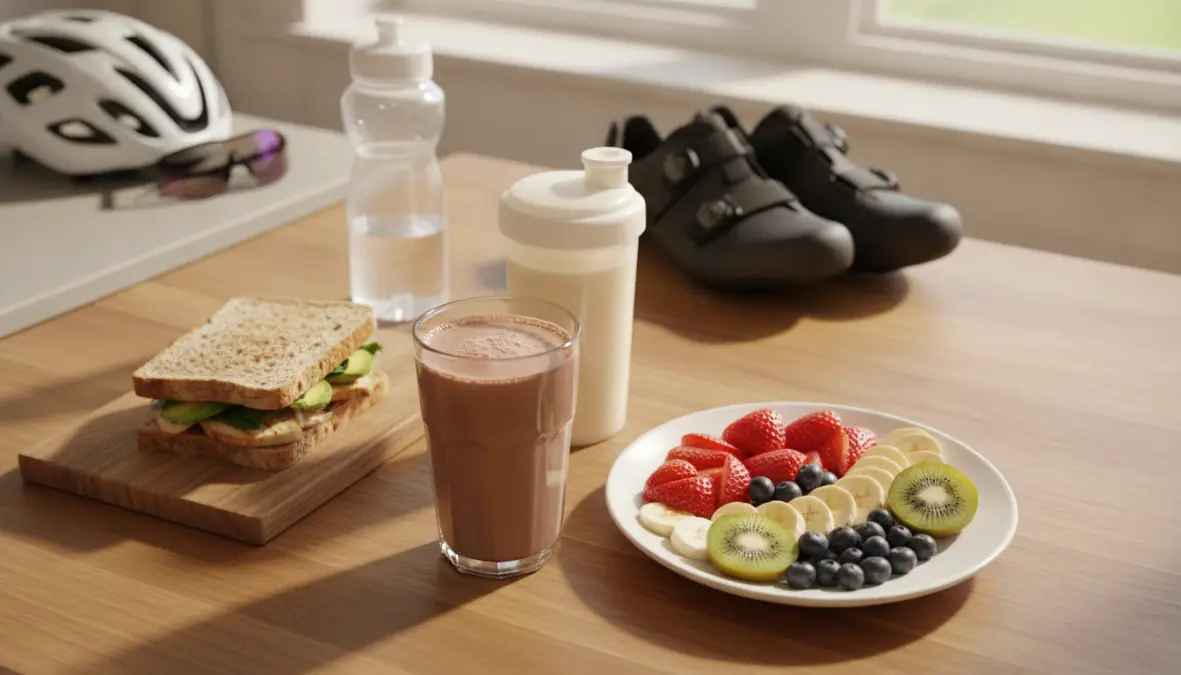
Target a 3:1 or 4:1 ratio of carbohydrates to protein. For example, after a hard 2-hour ride, consume 60-80 grams of carbs with 15-20 grams of protein recovery. Practical options include chocolate milk (surprisingly effective), a recovery shake with banana and protein powder, or a turkey sandwich with fruit.
Your cycling diet plan should include proper post ride recovery food as a non-negotiable habit. Beyond immediate refueling, focus on rehydration—drink 150% of the fluid you lost through sweat. If you weighed one pound lighter post-ride, drink 24 ounces of fluid over the next few hours.
For athletes following plant-based diets, excellent protein sources exist beyond whey powder. Check our comprehensive guide on Plant-Based Protein Sources for Athletes for complete options. Regular riders training 4-5 times weekly should think about weekly nutrition periodization—matching intake to training load, with higher carbs on hard days and moderate amounts on recovery days. For more on recovery timing and strategies, see our Recovery Nutrition Guide.
FAQ
What should I eat 30 minutes before cycling?
Stick with easily digestible carbohydrates: a banana, a small bowl of applesauce, a piece of white toast with honey, or half an energy bar. Avoid fiber, fat, and protein at this point, as they slow digestion and can cause discomfort.
How much water should cyclists drink per hour?
Aim for 16-32 ounces (500-1000ml) per hour, split into smaller doses every 15-20 minutes. Exact needs depend on temperature, humidity, your fitness level, and effort intensity. In hot conditions, include electrolytes beyond plain water.
What is the best recovery food after a long bike ride?
Focus on the 3:1 or 4:1 carb-to-protein ratio. Excellent choices include chocolate milk, a smoothie with banana and protein powder, Greek yogurt with granola and berries, or a chicken and rice bowl. Timing matters—eat within 30-60 minutes post-ride.
Do I need energy gels for rides under 90 minutes?
Generally no. If your pre-ride nutrition was adequate and you’re riding at moderate intensity, water is sufficient for rides under 90 minutes. Save gels for longer efforts or high-intensity sessions where glycogen depletion happens faster.
Can I cycle on an empty stomach?
For easy, short rides (under 60 minutes at low intensity), fasted riding can work and may even improve fat adaptation. However, for bonking prevention on longer or harder rides, always fuel beforehand. What works for recovery spins doesn’t apply to endurance efforts or intervals.
Mastering nutrition for cyclists isn’t about perfection—it’s about consistency and learning what works for your body. Start experimenting with these strategies on training rides, keep notes on what feels good, and adjust accordingly. Your legs will thank you, mile after mile.