Cycling Helmet Technology Explained: MIPS, WaveCel, and Safety Standards Compared
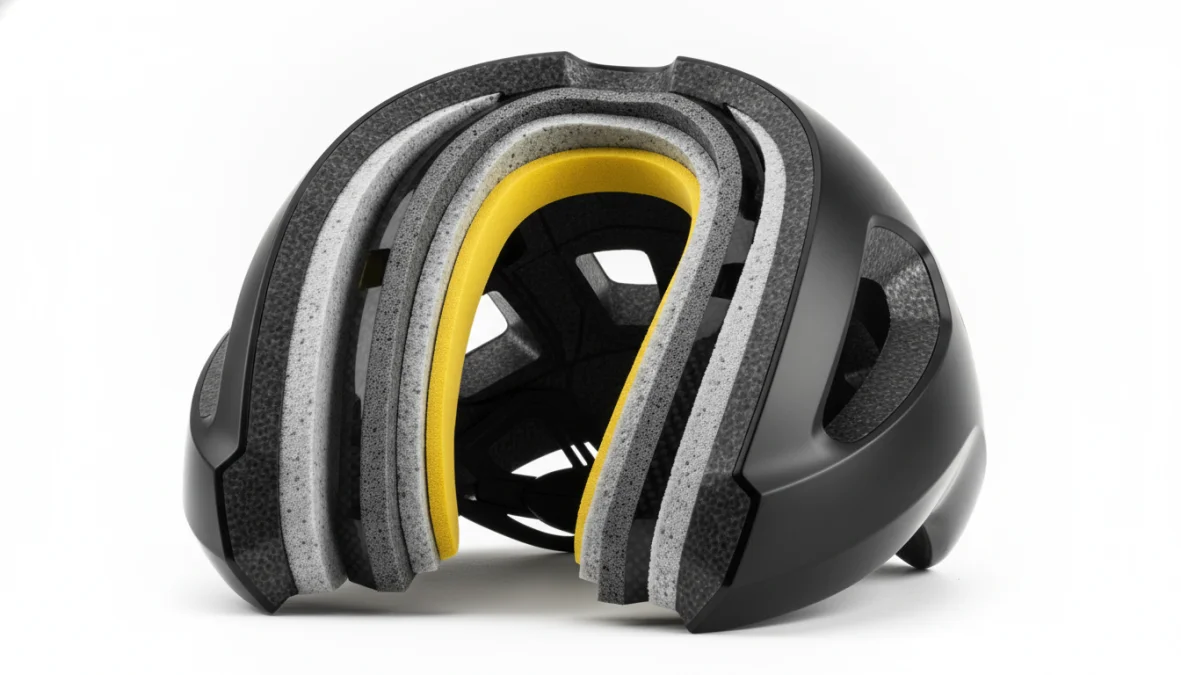
You’ve probably heard horror stories about cycling crashes—maybe you’ve even experienced one yourself. While modern cycling helmets look sleek and aerodynamic, what’s happening inside them has evolved dramatically. Traditional foam-only helmets were designed primarily for straight-on impacts, but research has revealed that rotational forces during angled crashes cause the most serious brain injuries. That’s where cycling helmet technology like MIPS and WaveCel enters the picture, fundamentally changing how helmets protect your brain during the split-second chaos of an accident.
Understanding Advanced Cycling Helmet Technology: How Modern Systems Protect Your Brain
Here’s something most cyclists don’t realize: the majority of bike crashes involve rotational impact rather than purely linear forces. When your helmet hits the pavement at an angle—which happens in about 70% of real-world accidents—your head experiences a twisting motion that can cause severe brain injuries, even if the helmet’s outer shell remains intact.
Traditional EPS foam helmets excel at absorbing linear impacts (straight-on collisions), but they do little to address rotational forces. Studies show that these rotational forces cause diffuse axial injuries, where brain tissue stretches and tears as your skull rotates inside the helmet. According to research, concussions and traumatic brain injuries account for approximately 60% of cycling-related fatalities, making brain protection technology more critical than simple impact absorption.
Modern cycling helmet technology addresses this gap by incorporating systems specifically designed to reduce rotational acceleration. Two leading technologies—MIPS and WaveCel—approach this challenge differently, but both aim to redirect and absorb the rotational energy that traditional helmets miss entirely. Just as you’d optimize your nutrition with proper carbohydrate timing, choosing advanced helmet technology means optimizing your safety for the specific risks you face.
MIPS Technology: The Multi-Directional Impact Protection System
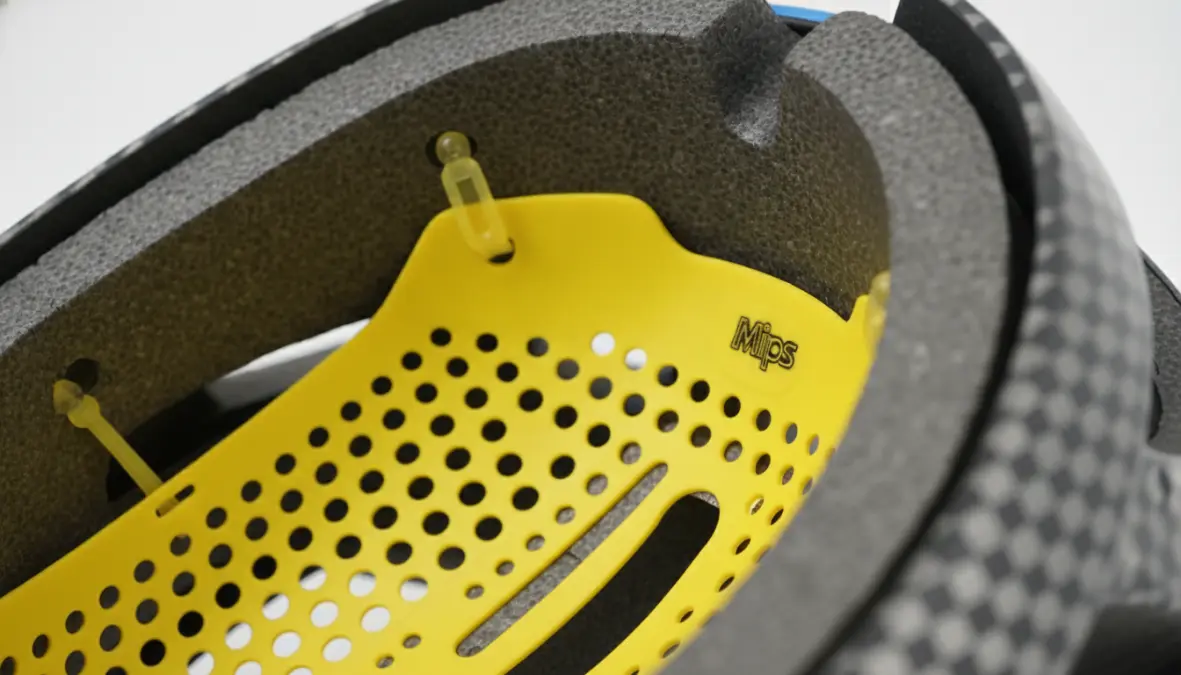
Developed by Swedish neurosurgeon Hans von Holst and biomechanics researcher Peter Halldin, MIPS (Multi-Directional Impact Protection System) uses an elegantly simple concept: a low-friction liner that allows 10-15mm of rotation between your head and the helmet’s outer shell during impact.
The slip-plane technology consists of a thin yellow layer—typically visible inside the helmet—that slides independently during angled impacts. This movement redirects rotational forces away from your brain, reducing rotational acceleration by up to 40% according to laboratory testing. Think of it like the crumple zones in modern cars: controlled movement in one area prevents catastrophic damage elsewhere.
MIPS technology adds approximately $20-40 to helmet costs, making it accessible across various price points. Major brands including Giro, Bell, POC, Specialized, and Bontrager incorporate MIPS into hundreds of models, from $60 commuter helmets to $300+ professional-grade options. Independent testing by Virginia Tech consistently ranks MIPS-equipped helmets among the highest-rated for safety performance.
WaveCel: The Cellular Structure Alternative
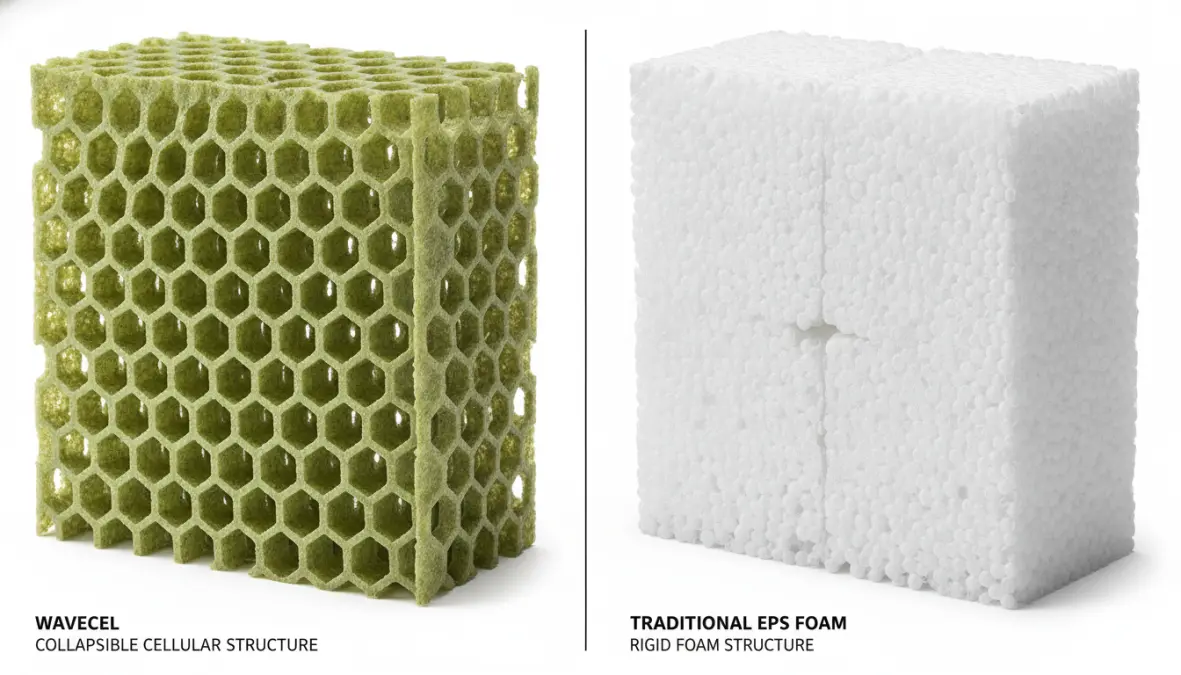
WaveCel, developed by orthopedic surgeon Dr. Steve Madey and biomechanical engineer Dr. Michael Bottlang, takes a completely different approach. Instead of a slip-plane, WaveCel uses a collapsible structure made of interconnected plastic cells that line the helmet’s interior.
This cellular structure responds to impacts through three sequential mechanisms: it flexes to redirect forces, crumples to absorb energy like a car’s crumple zone, and finally glides to reduce friction. According to the Legacy Research Institute’s studies, WaveCel reduced concussion risk by 98% compared to non-WaveCel helmets in laboratory testing—though these claims have sparked debate within the scientific community about testing methodologies.
Currently, WaveCel is primarily found in Bontrager helmets (Trek’s component brand), which limits consumer choice compared to MIPS’s widespread adoption. WaveCel helmets typically cost $150-300, positioning them at the premium end of the market. The technology adds slightly more bulk and weight compared to MIPS, though most riders find the comfort difference negligible. The main advantage? WaveCel provides comprehensive coverage across the entire helmet interior, while MIPS only activates during rotational impacts.
Cycling Helmet Safety Standards and Certifications You Need to Know
Before any helmet certification sticker gets applied, helmets undergo rigorous testing that might surprise you. Understanding these safety standards helps you make informed purchasing decisions beyond marketing hype.
In the United States, the Consumer Product Safety Commission (CPSC) requires helmets to withstand impacts at various points using a drop test onto both flat and curbstone-shaped anvils. Helmets must limit peak acceleration to 300g and prevent the test headform from experiencing more than 150g for longer than 2 milliseconds. The CPSC standard also includes retention system strength tests (those chin straps must hold) and positional stability requirements.
European cyclists rely on EN 1078 certification, which uses similar drop-test methodologies but with slightly different impact velocities and coverage areas. Australian and New Zealand helmets follow AS/NZS 2063, while specific cycling disciplines often require additional certifications. Mountain bikers, for example, might look for ASTM F1952 (downhill) or ASTM F2032 (BMX), which test for higher-impact scenarios and extended coverage areas.
Here’s the catch: these standard testing protocols primarily measure linear impact protection, not the rotational forces that MIPS and WaveCel address. That’s why independent resources like Virginia Tech Helmet Ratings provide valuable consumer guidance—they test helmets using methodologies that include rotational impact scenarios, giving you a more complete safety picture. Whether you’re riding in extreme heat or tackling technical descents, certified helmets provide baseline protection that advanced technologies enhance.
Choosing the Right Helmet Technology: What Cyclists Should Consider
The best helmet isn’t necessarily the most expensive or technologically advanced—it’s the one you’ll actually wear consistently. Here’s how to navigate your helmet selection based on real-world factors.
Start with your cycling discipline. Road cyclists prioritizing aerodynamics might choose ventilated MIPS helmets that balance cycling helmet technology with minimal weight. Mountain bikers tackling technical terrain benefit from extended rear coverage with either MIPS or WaveCel protection. Commuters riding in traffic should prioritize visibility features alongside rotational impact protection, since urban crashes often involve angular impacts with vehicles.
Budget matters, but not how you might think. A $70 MIPS-equipped helmet provides significantly better rotational protection than a $200 helmet using only traditional EPS foam. That said, premium helmets often combine advanced technology with better ventilation, lighter materials, and superior fit systems—features that encourage consistent use.
Fit trumps everything. A poorly fitting helmet with MIPS offers less protection than a perfectly fitted traditional helmet, because a helmet that moves around during impact can’t protect effectively. Spend time getting measured, try multiple brands (head shapes vary), and ensure the helmet sits level on your head with the front edge about an inch above your eyebrows.
Remember helmet lifespan: replace your helmet every 3-5 years regardless of visible damage, as UV exposure and foam degradation reduce protection over time. After any crash involving head impact, replace immediately—the foam compresses permanently and won’t protect effectively in subsequent impacts. Unfortunately, you cannot retrofit older helmets with MIPS or WaveCel; these technologies must be integrated during manufacturing. Just as you’d update your training approach with optimized cadence techniques, periodically updating your safety equipment makes sense.
FAQ: Common Questions About Cycling Helmet Technology
Is MIPS really worth it?
Yes, particularly for the modest price increase. Independent testing shows MIPS reduces rotational acceleration by 20-40%, addressing the primary cause of serious brain injuries. Since MIPS-equipped helmets start around $60, the technology is accessible across most budgets and provides measurable safety improvements.
How does WaveCel compare to MIPS?
Both technologies reduce rotational forces, but through different mechanisms. WaveCel’s manufacturer claims superior performance (98% concussion reduction), though independent comparative testing remains limited. MIPS offers wider brand selection and proven track record, while WaveCel provides comprehensive interior coverage. Either technology represents a significant upgrade over traditional helmets.
Do all helmets meet the same safety standards?
No. While all helmets sold in specific regions must meet local baseline standards (CPSC in the US, EN 1078 in Europe), discipline-specific helmets often exceed these minimums. Downhill mountain bike helmets, for instance, meet more stringent impact standards. Check for multiple certifications if you ride varied terrain.
How often should I replace my helmet?
Replace every 3-5 years under normal use, immediately after any crash involving head impact, or if you notice visible damage like cracks, dents, or delamination. Environmental factors like heat exposure (think cycling in extreme temperatures) and UV radiation accelerate foam degradation.
Can older helmets be upgraded with new technology?
Unfortunately, no. MIPS, WaveCel, and similar technologies must be integrated during manufacturing. The slip-plane or cellular structures require precise positioning and integration with the helmet’s energy-absorbing foam. When your current helmet reaches end-of-life, that’s your opportunity to upgrade to advanced protection technology.
Your brain is irreplaceable, and modern cycling helmet technology provides unprecedented protection against the rotational forces that cause the most serious injuries. Whether you choose MIPS, WaveCel, or wait for the next innovation, prioritizing helmets that address both linear and rotational impacts represents one of the smartest investments in your cycling safety. The technology only works when you’re wearing it, so find a helmet that fits perfectly, feels comfortable, and matches your riding style—then make it as automatic as clipping in before every ride.