Sweet Spot Training for Cyclists: Maximum Gains in Minimum Time

You know that feeling when you’re crushing a ride but not completely wrecking yourself? That’s the magic zone cyclists call the “sweet spot” – and it might just be the most efficient training approach for busy riders looking to boost their functional threshold power without spending hours in the saddle. Sweet spot training cycling has become increasingly popular among amateur and professional cyclists alike because it delivers serious fitness gains while respecting your schedule and recovery needs.
What is Sweet Spot Training and Why It Works
Sweet spot training zones sit comfortably between 88-93% of your functional threshold power (FTP), placing them right in that Goldilocks zone where you’re working hard enough to create meaningful adaptations without completely frying your legs. Unlike tempo training cycling, which hovers at a gentler 75-85% FTP, sweet spot sessions dig deeper into your lactate threshold without crossing into the red zone of all-out efforts.
The beauty of this approach lies in its efficiency. When you’re riding in these cycling power zones, you’re accumulating significant training stress while keeping fatigue manageable. Think of it as getting champagne gains on a beer budget of recovery time. Physiologically, you’re improving your body’s ability to process lactate, enhancing mitochondrial density, and pushing up your aerobic endurance ceiling – all the good stuff that makes you faster on the bike.
Compared to polarized training cycling, which emphasizes lots of easy riding (Zone 2) with occasional VO2 max intervals at the top end, sweet spot focuses more on that productive middle ground. For time-crunched cyclists juggling work, family, and riding, sweet spot sessions deliver maximum bang for your training buck. A well-executed 90-minute sweet spot workout can provide similar benefits to several hours of base training cycling at lower intensities.
How to Structure Your Sweet Spot Training Plan
The key to effective sweet spot training cycling is consistency and progression. Most cycling training plans incorporate 2-3 sweet spot sessions per week, strategically placed with adequate recovery between efforts. A typical week might include two sweet spot workouts, one easy recovery ride, and perhaps a harder VO2 max or threshold session if you’re preparing for specific events.
When learning how to do sweet spot training for cycling, start with manageable intervals and build gradually. Here are proven sweet spot intervals structures:
- Beginner: 2×15 minutes at 88-90% FTP (5-minute recovery between intervals)
- Intermediate: 2×20 minutes or 3×15 minutes at 90-92% FTP (5-7 minute recovery)
- Advanced: 3×20 minutes or even 2×30 minutes at 88-93% FTP (5-10 minute recovery)
Always include a solid 15-20 minute warm-up before diving into your intervals, gradually ramping up through your zones. The best sweet spot workouts for cyclists typically last 60-90 minutes total, including warm-up and cool-down. For a sweet spot training plan for beginners, start with just one session per week for 3-4 weeks before adding a second.
A balanced weekly schedule might look like this: Monday (rest or easy spin), Tuesday (sweet spot intervals), Wednesday (endurance ride), Thursday (sweet spot or tempo session), Friday (recovery), Saturday (longer endurance ride or group ride), Sunday (sweet spot or skills work). This approach integrates well with periodization training principles, where you’d focus on sweet spot work for 4-8 week blocks during base and build phases.
How long should sweet spot intervals be? Start with 15-minute efforts and progress to 20-30 minutes as your fitness improves. The total time in zone matters more than individual interval length – aim for 30-60 minutes of cumulative sweet spot time per session. Remember to complement your cycling work with strength training for cyclists to build overall power.
Sweet Spot vs Polarized Training: Which Approach for You?
The sweet spot training vs threshold intervals debate often leads to the bigger question: sweet spot or polarized? Polarized training cycling follows the 80/20 rule – 80% of training volume at easy, conversational pace (Zone 1-2) and 20% at high intensity (Zone 4-5+), with minimal time in the middle zones.
Choose sweet spot when you have limited training time (less than 10 hours per week), during off-season base building, or when you need steady, predictable progression. It’s fantastic for building your foundation before race season. Polarized approaches work better when you have more hours available (12+ per week), during peak race preparation, or if you respond well to high-intensity work and truly easy recovery days.
Many successful cyclists combine both approaches throughout their annual plan, using sweet spot during spring base building and switching to more polarized training as events approach. This is where understanding concurrent training becomes valuable.
Common Mistakes and Tips for Success
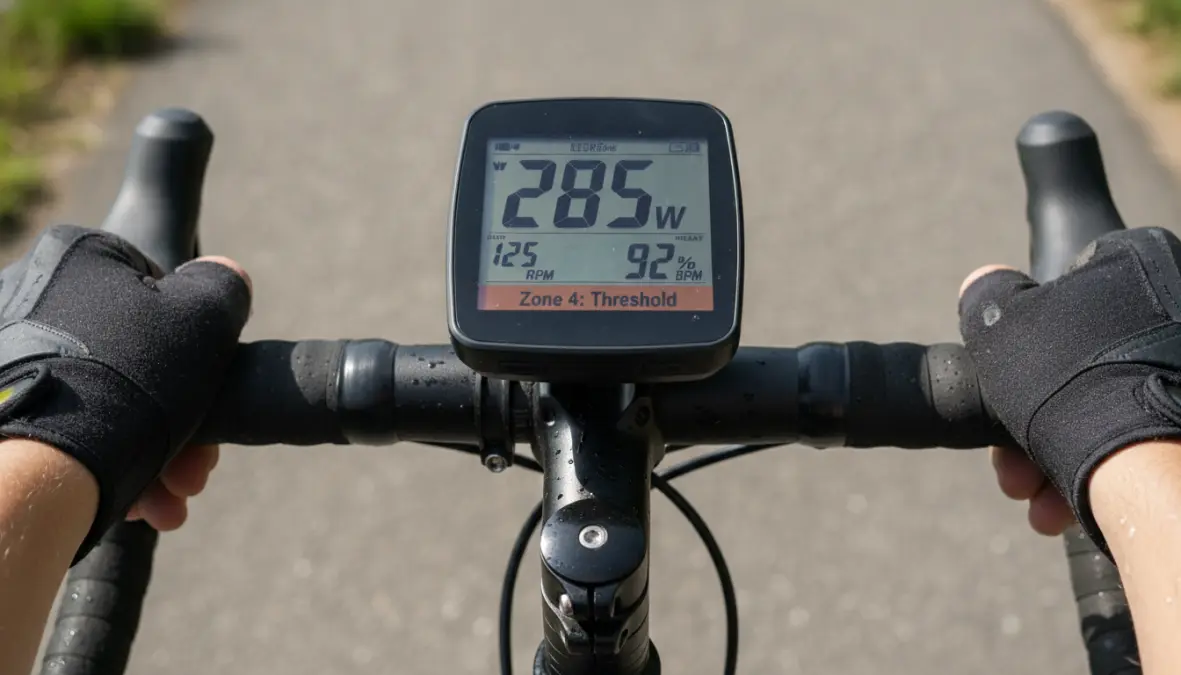
The biggest error cyclists make? Going too hard. Sweet spot means 88-93% FTP, not “as hard as I can hold for 20 minutes.” Creeping above 93% transforms your sweet spot session into a threshold workout, dramatically increasing fatigue and recovery time. Use a power meter – trying sweet spot training without a power meter is like baking without measuring ingredients.
Other frequent pitfalls include piling on too much volume too quickly (increase training stress score gradually, about 5-10% per week), skipping recovery days, and never retesting your FTP. Your functional threshold power changes – retest every 4-6 weeks to ensure your zones stay accurate and you’re not training at outdated percentages.
Best practices for success include a proper warm-up (seriously, don’t skip this), respecting your cycling power zones precisely, and combining your training with smart pre-workout nutrition. Pay attention to signs of overtraining: persistent fatigue, elevated resting heart rate, mood changes, or declining performance despite consistent training.
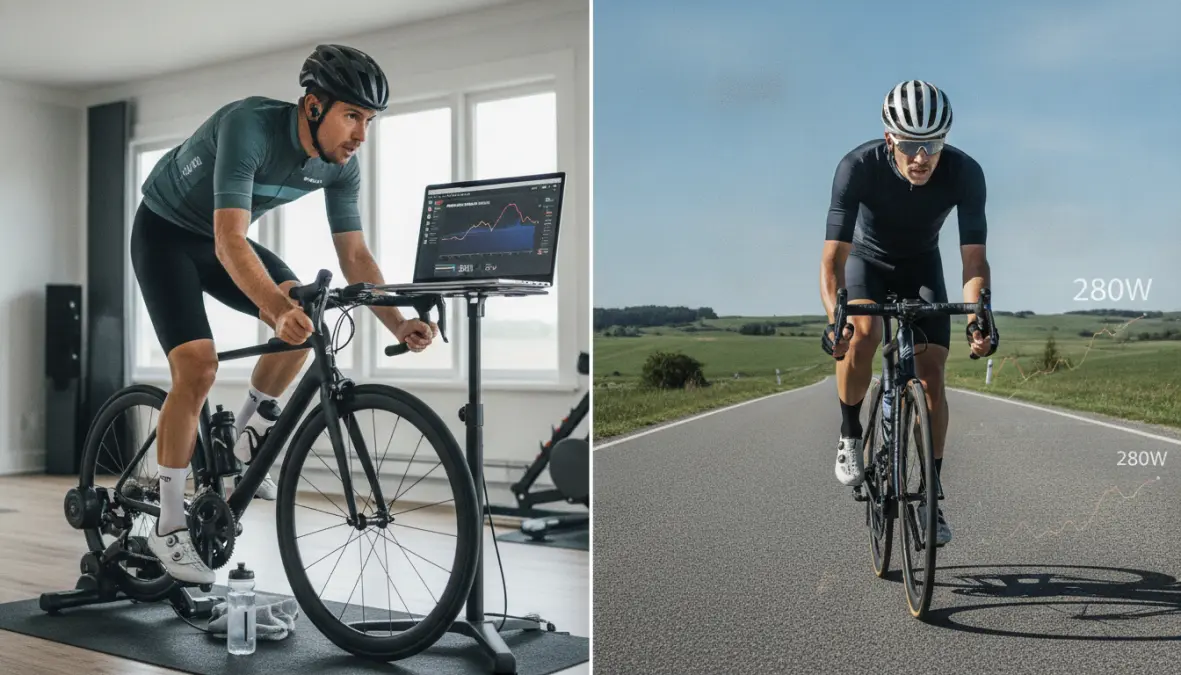
Indoor vs outdoor: Sweet spot intervals work beautifully on a trainer where you can nail your watts consistently. Outdoors requires flatter terrain or steady climbs – rolling hills make maintaining steady power challenging. Don’t forget to work on your cycling cadence during these efforts, typically maintaining 85-95 rpm.
FAQ
How long should sweet spot intervals be?
Start with 15-minute intervals for beginners, progressing to 20-30 minutes as fitness improves. Total time in zone should range from 30-60 minutes per session, split into 2-3 intervals with recovery between.
Can beginners do sweet spot training?
Absolutely! Beginners should start conservatively with one session per week of 2×15 minutes at the lower end (88-90% FTP). Build gradually over 4-6 weeks before adding a second weekly session or extending interval duration.
How often should I do sweet spot workouts per week?
Sweet spot training twice a week is ideal for most cyclists, though competitive riders might include three sessions. Always allow at least one recovery day between sessions and avoid consecutive days of sweet spot work.
Is sweet spot training better than threshold training?
Not necessarily better, but more sustainable. Sweet spot offers significant benefits of sweet spot training cycling with less fatigue than true threshold work, allowing higher training volume and more frequent sessions. Threshold intervals (95-105% FTP) have their place but require more recovery.
Can I do sweet spot training without a power meter?
It’s challenging but possible using heart rate or perceived exertion. However, power is far more accurate and responsive. If using heart rate, expect a 5-10 minute lag before reaching target zone, and know that heart rate drift makes longer intervals harder to gauge accurately.
Sweet spot training cycling offers a proven path to higher FTP and better race performance without the soul-crushing fatigue of constant threshold work. Whether you’re building winter fitness or preparing for your first gran fondo, incorporating sweet spot sessions into your cycling training plans can transform your riding in just a couple months. Start conservative, stay consistent, and watch your watts per kilogram climb steadily upward.