Antioxidants for Athletes: Recovery Benefits and Best Food Sources

You crush your workout, hit a new PR, and feel invincible—until the next morning when your muscles scream at you. That soreness? It’s partly due to oxidative stress, a natural byproduct of intense exercise. While your body creates free radicals during training, antioxidants athletes consume can help manage this cellular damage and support faster recovery. But here’s the catch: timing and dosage matter more than you’d think, and going overboard might actually hurt your performance gains.
Why Athletes Need Antioxidants: Understanding Exercise Oxidative Stress
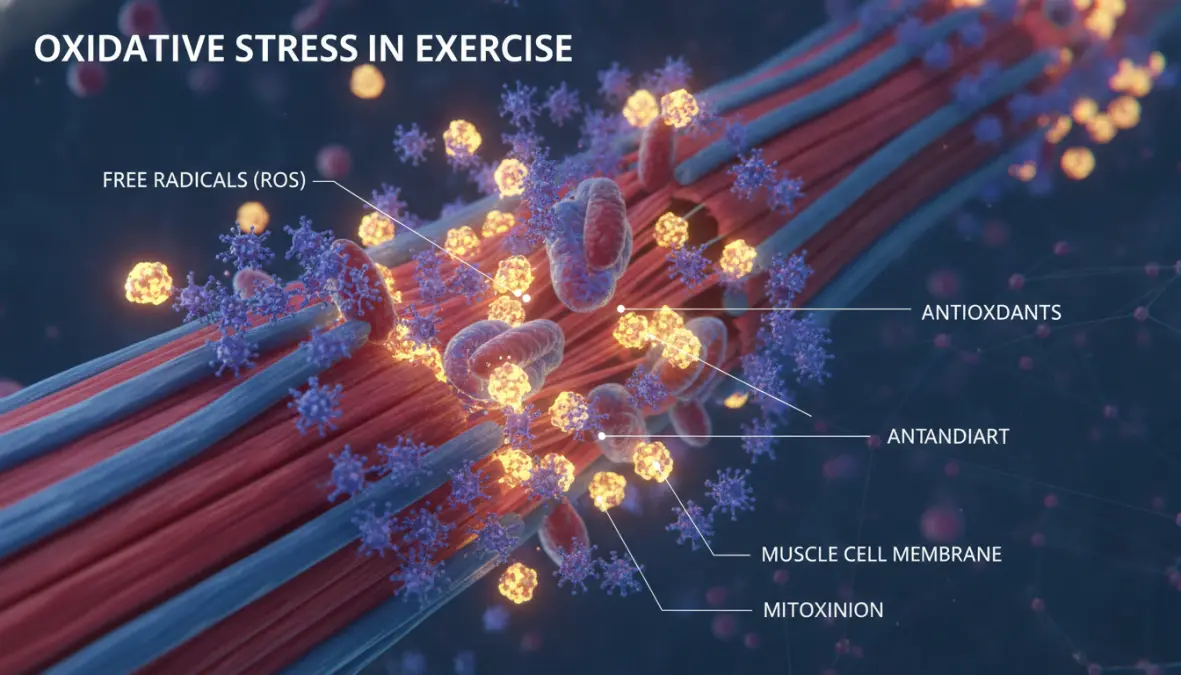
When you push through that final sprint or crank out another rep, your muscles demand more oxygen—sometimes up to 20 times more than at rest. This oxygen surge triggers exercise oxidative stress, creating unstable molecules called free radicals that can damage cell membranes, proteins, and DNA.
Here’s where it gets interesting: not all oxidative stress is bad. Low-to-moderate levels actually signal your body to adapt, becoming stronger and more efficient. Think of it as a hormetic response—like how lifting weights creates micro-tears that rebuild stronger. The problem arises during intense training blocks or overtraining, when free radical production overwhelms your body’s natural defenses, leading to oxidative damage that slows recovery and weakens immune function.
Athletes face a unique challenge compared to sedentary folks. While regular training boosts your body’s endogenous antioxidant systems (like glutathione and superoxide dismutase), the sheer volume of training creates higher oxidative loads. Distance runners, CrossFitters, and endurance athletes particularly need strategic antioxidant support because prolonged efforts generate more free radicals than short, explosive activities.
Recovery Benefits: How Antioxidants Support Athletic Performance
Strategic use of antioxidants for recovery offers several key benefits for athletes. They help reduce inflammation after tough workouts, potentially cutting down that DOMS (delayed onset muscle soreness) that makes stairs your enemy. By neutralizing excess free radicals, post workout antioxidants protect cellular structures, allowing faster tissue repair and reducing recovery time between sessions.
But timing is everything. Research suggests that flooding your system with high-dose antioxidant supplements immediately before or during training might actually blunt training adaptations. Why? Because those reactive oxygen species (ROS) you’re trying to eliminate are precisely what trigger beneficial adaptations like improved mitochondrial function and enhanced antioxidant enzyme production.
The sweet spot? Consume best antioxidants for athletes primarily through whole foods throughout the day, with strategic supplementation reserved for particularly intense training periods or competition phases. Save the antioxidant-heavy meals for 2-3 hours post-workout, allowing your body time to initiate its natural adaptation response. This approach supports muscle recovery without interfering with performance gains, similar to strategies outlined in our complete guide to recovery nutrition.
Key Antioxidants for Athletic Recovery
Different antioxidants serve distinct functions in your recovery arsenal:
- Vitamin C: Supports collagen synthesis for connective tissue repair, reduces cortisol post-exercise. Target: 200-500mg daily from food sources.
- Vitamin E: Protects cell membranes from lipid peroxidation, particularly important for endurance athletes. Target: 15-30mg from nuts and seeds.
- Beta-carotene: Precursor to vitamin A, supports immune function often compromised by heavy training. Found in orange and yellow vegetables.
- Selenium: Component of glutathione peroxidase, a powerful endogenous antioxidant. Just 2-3 Brazil nuts provide your daily needs.
- Polyphenols: Plant compounds that reduce exercise-induced stress and inflammation. Abundant in berries, dark chocolate, and green tea.
- Flavonoids: Subcategory of polyphenols with anti-inflammatory properties, found in citrus, berries, and onions.
Best Antioxidant-Rich Foods for Athletes
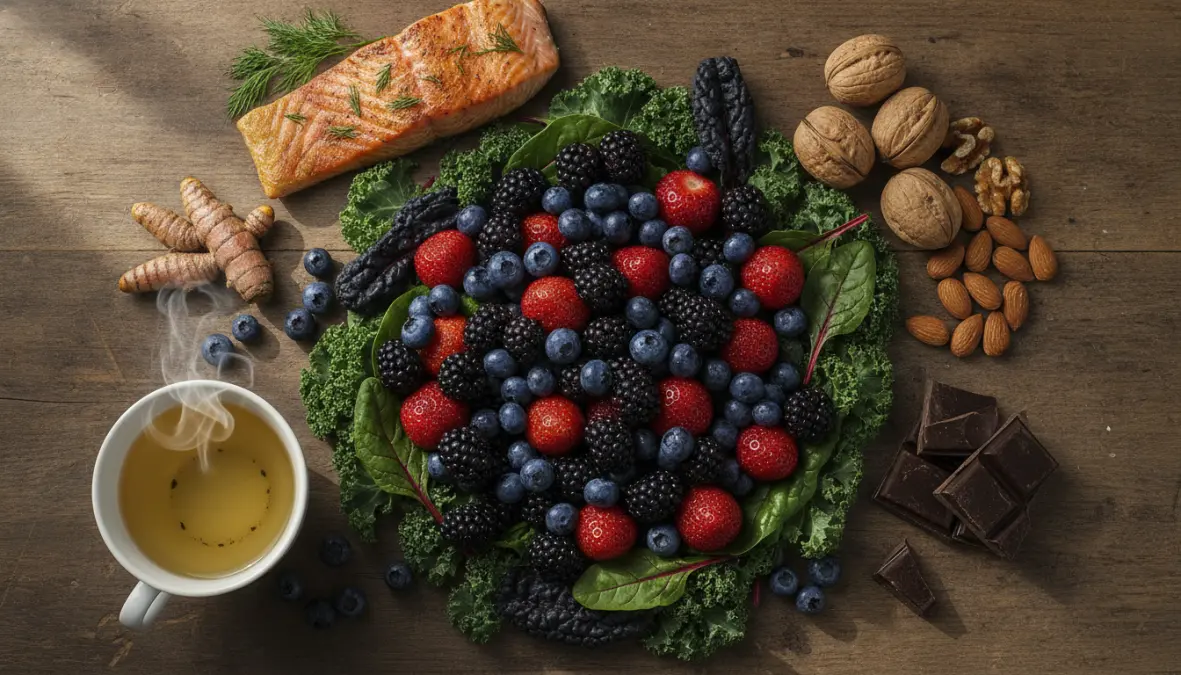
Forget expensive supplements—the antioxidant rich foods in your kitchen pack more punch than any pill. Here’s how to build your antioxidant arsenal through sports nutrition antioxidants from whole food sources:
Berries: Blueberries, strawberries, and blackberries top the charts with anthocyanins that combat inflammation reduction. Toss a cup into your post-workout smoothie or oatmeal. Studies show natural antioxidant sources for runners like tart cherry juice can reduce muscle damage and improve sleep quality.
Leafy Greens: Spinach, kale, and Swiss chard deliver vitamin C, E, and beta-carotene. Add a handful to omelets or blend into smoothies—you won’t taste them alongside banana and berries.
Nuts and Seeds: Almonds, walnuts, and flaxseeds provide vitamin E vitamin C, selenium, and omega-3s. A quarter-cup makes an ideal pre-workout snack paired with fruit. For plant-based athletes, these also contribute essential proteins.
Spices: Turmeric (curcumin) and ginger are potent anti-inflammatories. Add turmeric to scrambled eggs or golden milk; grate fresh ginger into stir-fries or tea.
Green Tea: Rich in EGCG catechins that support fat oxidation and recovery. Drink 2-3 cups daily, but avoid right before workouts to prevent interference with iron absorption.
Dark Chocolate: 70%+ cacao contains flavanols that improve blood flow and reduce oxidative stress. One to two squares post-dinner satisfies cravings while delivering athletic performance benefits.
Fatty Fish: Salmon and mackerel provide astaxanthin, a carotenoid with powerful antioxidant properties, plus omega-3s for inflammation management, complementing anti-inflammatory dietary strategies.
When considering athlete recovery supplements, prioritize whole foods first. Most athletes get sufficient antioxidants from a varied diet rich in colorful plants. Reserve supplementation for periods of extreme training stress, travel, or limited food access.
Sample Antioxidant-Rich Meal Plan for Athletes
Here’s how to distribute the best antioxidant foods for muscle recovery throughout your day:
Breakfast: Greek yogurt with mixed berries, walnuts, and a drizzle of honey. Green tea on the side.
Pre-Workout Snack: Banana with almond butter (light on antioxidants to avoid blunting adaptation).
Post-Workout (within 30 min): Protein smoothie with spinach, frozen cherries, banana, and plant protein. This timing addresses when to take antioxidants for recovery most effectively.
Lunch: Quinoa bowl with grilled salmon, roasted sweet potato, kale, and tahini dressing.
Dinner: Grass-fed beef or tempeh stir-fry with broccoli, bell peppers, onions, ginger, and turmeric over brown rice.
Evening Snack: Dark chocolate square with herbal tea.
This approach ensures consistent antioxidant intake while supporting the antioxidant timing for endurance athletes needed for optimal recovery, similar to principles in nutrient timing strategies.
FAQ
When is the best time to take antioxidants?
Consume antioxidant-rich foods throughout the day, but emphasize them 2-3 hours post-workout rather than immediately before or during training. This timing supports recovery without interfering with beneficial oxidative signaling that triggers training adaptations.
Do athletes need antioxidant supplements?
Most athletes obtain sufficient antioxidants from a colorful, whole-food diet. Consider supplementation only during intense training blocks, competition periods, or when traveling with limited access to fresh produce. High-dose supplements may actually impair training adaptations.
Can too many antioxidants harm performance?
Yes. Excessive antioxidant supplementation, especially vitamins C and E in high doses around training, can blunt the adaptive response to exercise. This reduces improvements in mitochondrial function, insulin sensitivity, and endogenous antioxidant production. Food sources rarely pose this risk.
What are signs of excessive oxidative stress?
Watch for prolonged muscle soreness (beyond 48-72 hours), frequent illness, persistent fatigue despite adequate rest, declining performance, and slow wound healing. These suggest your antioxidant defenses can’t keep pace with training demands, signaling a need to reduce volume or increase recovery support through nutrition and sleep optimization.
The bottom line? Antioxidants are powerful allies in your recovery toolkit, but like most things in sports nutrition, more isn’t always better. Focus on eating the rainbow, time your intake strategically, and remember that some oxidative stress is exactly what makes you stronger. Your body is smarter than any supplement bottle—trust it, fuel it well, and watch your performance soar.