Cycling Arm Warmers and Leg Warmers: Complete Guide to When and How to Use Them
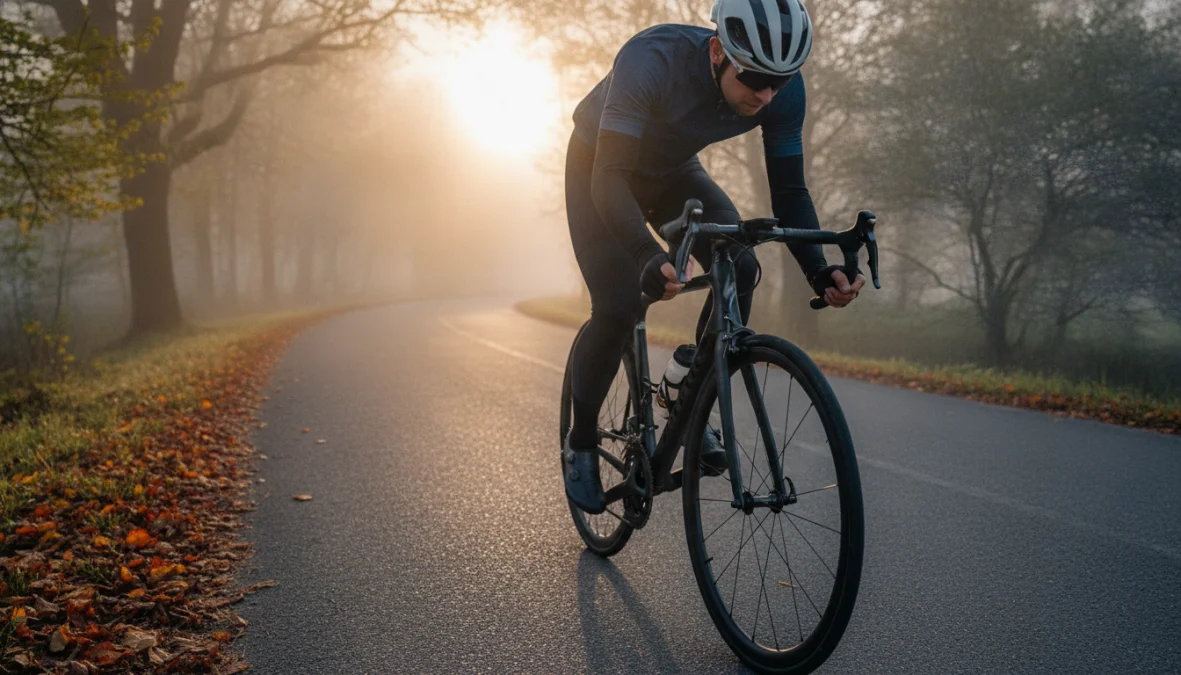
Picture this: you’re heading out for an early morning ride, and it’s a bit chilly—but you know that in an hour or two, the sun will warm things up considerably. Do you dress for the cold start and risk overheating later, or go light and suffer through the first kilometers? This is where cycling arm warmers and leg warmers become absolute game-changers. These simple yet incredibly effective cycling accessories offer the flexibility to adapt to changing conditions without carrying an entire wardrobe in your jersey pockets.
Why Cycling Warmers Are Essential Gear for Every Cyclist
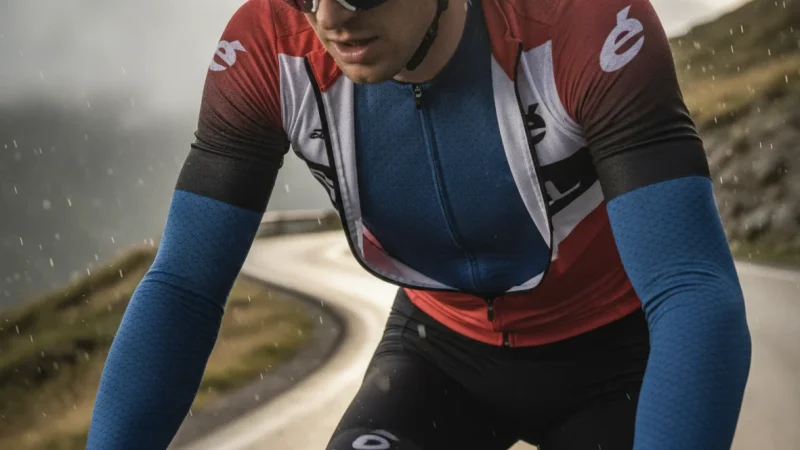
Cycling warmers—both arm warmers cycling and leg warmers cycling varieties—are essentially tubular fabric sleeves designed to provide extra insulation for your limbs. Unlike full garments, they can be easily removed and stowed away when temperatures rise, making them one of the most versatile pieces of thermal cycling gear you can own.
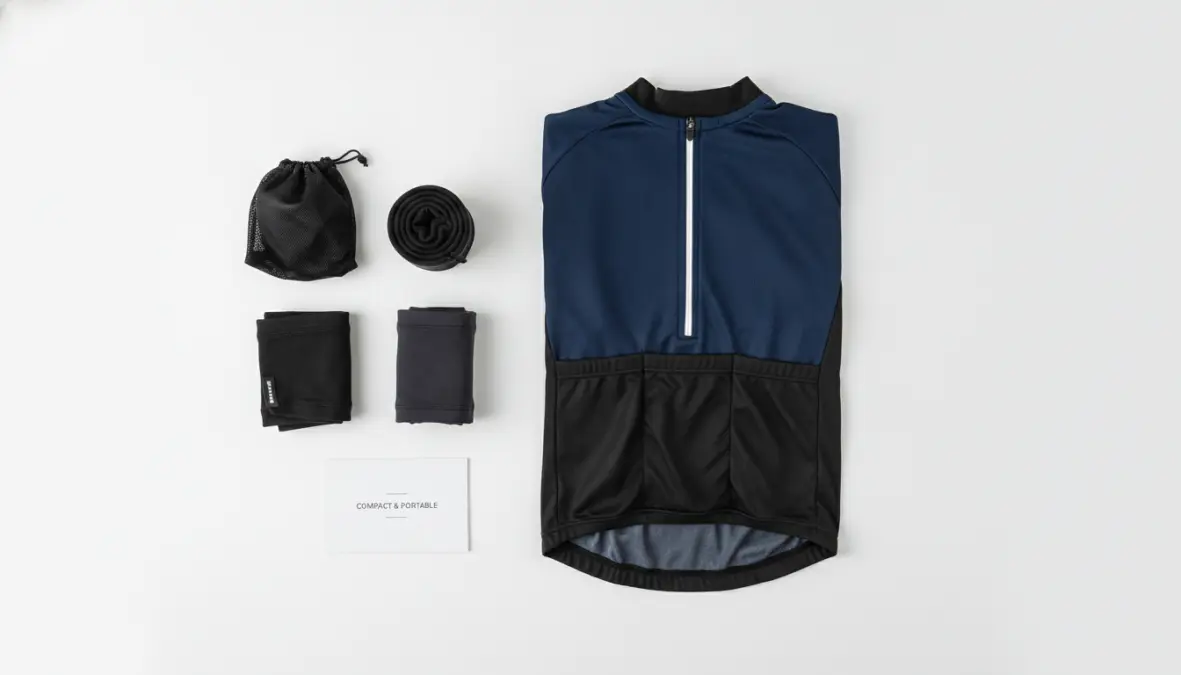
The cycling warmers benefits are substantial. First, they’re incredibly portable—a pair of arm warmers rolls up to about the size of an energy bar and fits easily in your jersey pocket. Second, they’re economical: instead of buying multiple jerseys and tights for different temperature ranges, you can extend the versatility of your existing cycling apparel collection significantly. A short-sleeve jersey combined with arm warmers covers a much wider temperature range than either piece alone.
Warmers truly shine during transitional seasons—spring and fall—when morning temperatures might be in the single digits Celsius, but afternoon rides can reach the high teens. They’re also perfect for those early outdoor rides after winter training, when you’re getting back into variable weather conditions.
Material matters significantly. Basic lycra warmers provide light coverage and sun protection, fleece-lined versions offer serious thermal insulation for colder conditions, and water-resistant materials add protection against light rain and road spray. Understanding these options helps you select the right warmers for your typical riding conditions.
When to Use Arm and Leg Warmers: Temperature Guidelines and Conditions
Understanding when to wear cycling arm warmers and leg warmers comes down to knowing the right temperature ranges and conditions. Here’s your comprehensive cycling arm warmers guide for temperature-based decisions:
Arm warmers are typically most useful between 10-18°C (50-64°F). Below 10°C, you’ll likely want a long-sleeve jersey or jacket; above 18°C, short sleeves alone are usually sufficient. Leg warmers have a slightly cooler sweet spot: 8-15°C (46-59°F). Below this range, consider full tights; above it, shorts alone work well.
However, these aren’t absolute rules. The cycling warmers temperature guidelines should be adjusted based on several factors:
- Wind conditions: A 15°C day with strong headwinds feels significantly colder, especially on descents. Wind protection is crucial.
- Humidity and rain: Damp conditions require water-resistant warmers or consideration of full waterproof gear instead.
- Ride intensity: High-intensity intervals generate more body heat than steady endurance pace.
- Ride duration: Longer rides often start cold and warm up considerably.
- Personal preference: Some riders run warmer or colder than others.
For spring cycling training, consider this practical temperature guide:
- 15-18°C: Arm warmers only, shorts, short-sleeve jersey
- 12-15°C: Arm warmers, consider knee warmers or leg warmers depending on wind
- 8-12°C: Both arm and leg warmers, possibly add a cycling gilet for core warmth
- Below 8°C: Consider full long-sleeve jersey and tights instead of warmers
The beauty of warmers lies in their removability. If you start a ride at 8°C that will reach 16°C by midday, you can begin with both arm and leg warmers, remove the leg warmers first as you warm up, then the arm warmers later, storing everything in your pockets. This flexibility is impossible with full garments and exemplifies proper layering for cycling.
Arm Warmers vs Leg Warmers: Which to Use First
When temperatures are borderline and you’re deciding between arm or leg warmers only, arm warmers generally take priority. Your arms are more exposed to wind while riding, and the upper body tends to feel temperature changes more acutely. Additionally, arm warmers are easier to remove and stow mid-ride without stopping.
Leg warmers become essential when temperatures drop below 12°C or when facing long descents where your legs aren’t generating as much heat. For longer rides like centuries, having both options available gives you maximum adaptability to changing conditions throughout the day.
How to Choose the Best Cycling Warmers: Sizing, Fit and Features
Knowing how to choose cycling arm warmers starts with getting the sizing right. The best cycling arm warmers should fit snugly without restricting circulation or causing discomfort. Too loose, and they’ll slide down during your ride (a common frustration); too tight, and they’ll restrict movement and blood flow.
For cycling warmers sizing, measure the circumference of your upper arm at its widest point and the length from your wrist to your shoulder. Most manufacturers provide sizing charts, but generally, if you’re between sizes, size down for arm warmers (they should be quite snug) and size up for leg warmers (which need more room for muscle movement).
Key features to look for include:
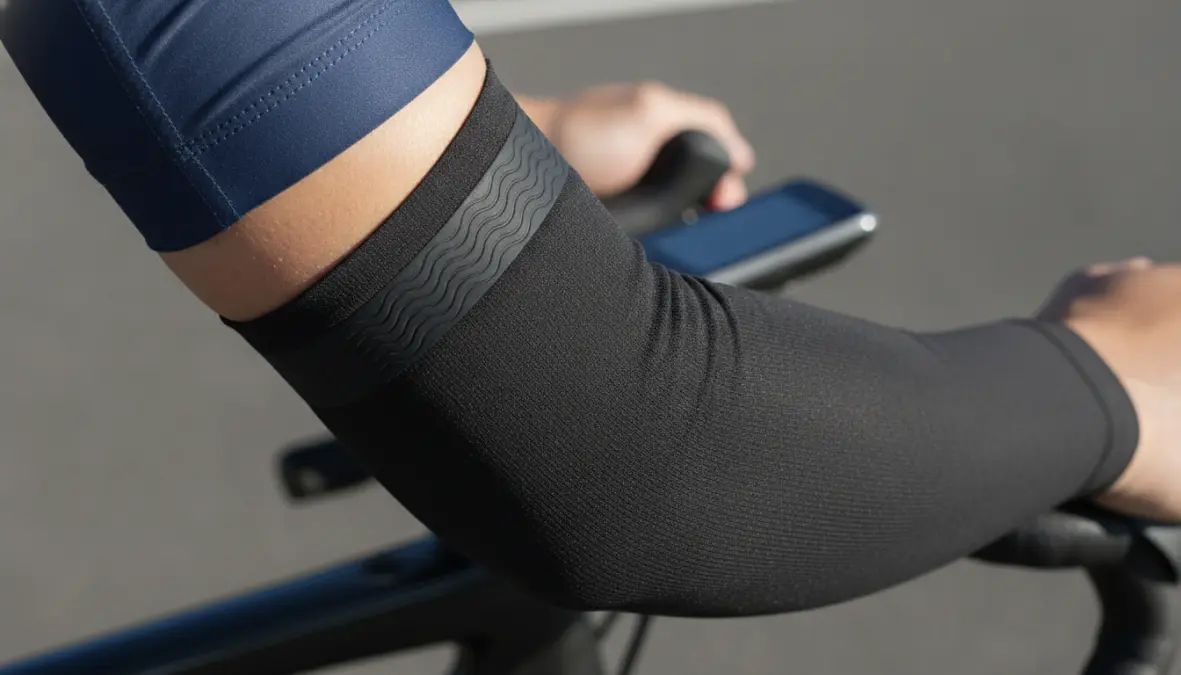
- Gripper elastics: Silicone or rubber bands at the top prevent sliding. This addresses the common concern of how to keep arm warmers from sliding down.
- Correct length: Arm warmers should overlap slightly with your jersey sleeve; leg warmers should reach from ankle to mid-thigh with overlap under your shorts.
- Moisture-wicking fabric: Keeps you dry and comfortable as you sweat.
- Reflective elements: Crucial for visibility during early morning or evening rides.
- Flatlock seams: Prevent chafing during long rides.
Understanding how to put on cycling leg warmers properly is important: they should go under your shorts, not over. This prevents them from sliding down and provides a cleaner, more professional look. Arm warmers simply slide up your arms, overlapping with your jersey sleeves.
When removing warmers mid-ride, pull them down (or off entirely), roll them up tightly, and tuck them into your jersey pockets. A helpful tip for multi-day cycling adventures is to carry a small stuff sack for storing removed layers more neatly.
Price ranges vary from budget options around €15-25 to premium warmers at €40-60. While expensive warmers often feature better fabrics, superior grippers, and more durability, mid-range options typically offer excellent value for most cyclists. Invest more if you ride frequently in variable conditions or want features like water resistance or merino wool blends.
FAQ: Common Questions About Cycling Arm and Leg Warmers
Do arm warmers really work?
Absolutely. Quality arm warmers can make a 5-8°C difference in comfort, effectively extending your short-sleeve jersey’s temperature range significantly. They provide genuine thermal insulation while maintaining breathability, unlike simply wearing a long-sleeve base layer under a short-sleeve jersey.
Should cycling leg warmers go over or under shorts?
Always under your shorts. This prevents them from sliding down during your ride and creates a more aerodynamic, professional appearance. The elastic of your shorts helps hold the leg warmers in place at the top.
How tight should cycling arm warmers be?
They should feel snug—like a gentle compression—but not restrictive. You should be able to bend your arm comfortably, and there shouldn’t be any noticeable bunching of fabric. If you see marks on your skin after removal, they’re likely too tight. If they slide down during riding, they’re too loose.
Can you wear arm warmers and a jacket together?
Yes, this combination works well for colder conditions, typically below 8°C. The arm warmers provide an extra insulation layer under the jacket sleeves. This layering approach, combined with proper cycling base layers, offers excellent wind protection cycling for challenging conditions. Just ensure your jacket sleeves aren’t too tight to accommodate the extra layer. For nutritional strategies during cold-weather training, check out our carb cycling guide for athletes.
How do you keep leg warmers from sliding down?
Choose warmers with quality gripper elastic at the top, ensure you’re wearing the correct size (they should be quite snug), and always wear them under your shorts so the shorts’ leg elastic provides additional hold. Some riders also use a small amount of body adhesive spray on their thighs for extra security during long rides.
Mastering the art of using arm and leg warmers transforms your cycling experience, especially during those beautiful but unpredictable transitional seasons. These simple pieces of thermal cycling gear offer unmatched versatility, allowing you to start rides in comfort and adapt to changing conditions without carrying excess weight or making uncomfortable compromises. Whether you’re tackling summer heat that cools on descents or navigating spring’s temperature fluctuations, having quality warmers in your kit means you’re prepared for whatever the ride brings. Invest in a good pair—your future self will thank you on that next chilly morning start.