Cycling Pump Guide: CO2 vs Mini Pump vs Track Pump – Which One Do You Need?
You’re out on a beautiful ride, miles from home, when you hear that dreaded hiss. A flat tire. Whether you fix it in 30 seconds with a CO2 cartridge or spend ten minutes working a mini pump depends entirely on what’s in your saddle bag. But here’s the thing: choosing the right cycling pump isn’t just about emergency repairs. It’s about having the right tool for every situation, from pre-ride pressure checks to roadside puncture repair. This cycling pump guide breaks down the three essential bicycle pump types every cyclist should know about, helping you understand which pump belongs in your workshop, which goes on your rides, and why many cyclists swear by having all three.
Understanding Different Bicycle Pump Types
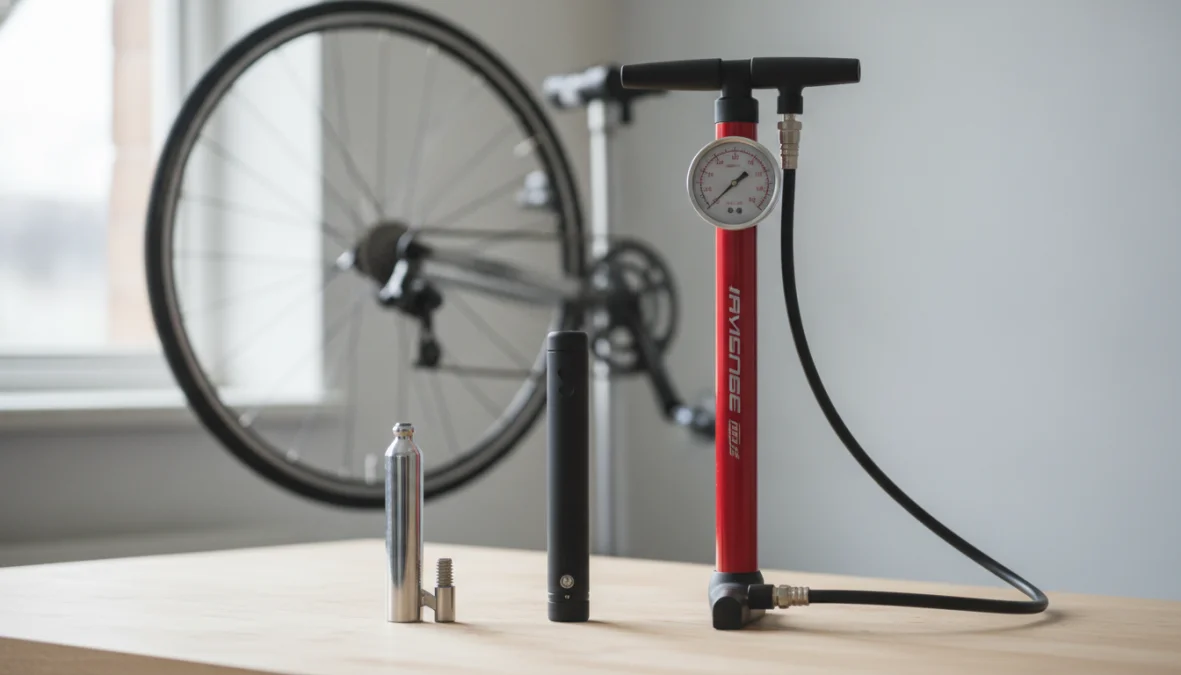
When it comes to bike tire inflators, there’s no one-size-fits-all solution. The three main bicycle pump types each serve distinct purposes, and understanding their roles is the foundation of any solid cycling pump guide. CO2 inflators are compact cartridge-based systems that deliver instant inflation—perfect for racing or when speed matters most. Mini bike pumps are portable, reusable hand pumps that fit in your jersey pocket or mount to your frame, offering unlimited uses but requiring physical effort. Track pumps (also called floor pumps) are large, stable workshop tools that make achieving precise tire pressure effortless before every ride.
Here’s the key insight: these aren’t competing options—they’re complementary tools. Most experienced cyclists own a floor pump for home use and carry either a mini pump or CO2 inflator (sometimes both) on rides. Your choice depends on your riding style, distance, and personal preference. Road racers prioritize speed with CO2, bikepackers value the reliability of mini pumps, and everyone appreciates a quality track pump at home. The best approach? Build a pumping strategy that covers all scenarios, from daily maintenance to emergency roadside situations.
Cycling Pump Comparison: CO2 vs Mini Pump vs Track Pump
Let’s dive deep into this cycling pump comparison to understand exactly what each portable bike pump and stationary option brings to the table.
CO2 Inflators: Fast Emergency Inflation
A CO2 inflator is the speed demon of tire inflation. Thread a cartridge onto the valve, press the lever, and your tire inflates to riding pressure in literally seconds. This makes CO2 the best pump for road cycling races where every second counts. They’re incredibly lightweight (often under 20 grams without the cartridge) and take up minimal space. Most models work with both Presta valve and Schrader valve systems, offering excellent pump compatibility.
But there are significant downsides. CO2 cartridges are single-use, meaning each flat costs you a few dollars. The gas escapes through rubber faster than regular air, so you’ll need to re-inflate within a day or two. The cartridges get extremely cold during discharge (enough to cause frostbite), and they’re useless once you’ve exhausted your supply. For emergency bike pump options, CO2 is unbeatable for speed, but you need to carry enough cartridges for multiple flats and consider the ongoing cost.
Mini Bike Pumps: Reliable Portable Solution
The mini bike pump is the dependable workhorse that never lets you down. Unlike CO2, a quality mini pump provides unlimited inflation capacity—you can fix five flats or fifty, as long as your arms hold out. For anyone asking “CO2 vs hand pump for cycling,” mini pumps win on reliability and cost-effectiveness. There’s no recurring expense, no risk of running out, and they work in any temperature.
The tradeoff? Time and effort. Getting a road tire to 100+ PSI with a mini pump takes several minutes of vigorous pumping, and you’ll definitely feel it in your arms and shoulders. They’re also bulkier than CO2 systems, though modern designs have become impressively compact. For touring cyclists, bikepackers, or anyone on long solo rides where self-sufficiency matters, a mini pump is essential. Many riders use them as backup even when carrying CO2. If you’re planning multi-day cycling adventures, a reliable portable pump for long rides is non-negotiable.
Track/Floor Pumps: Home Workshop Essential
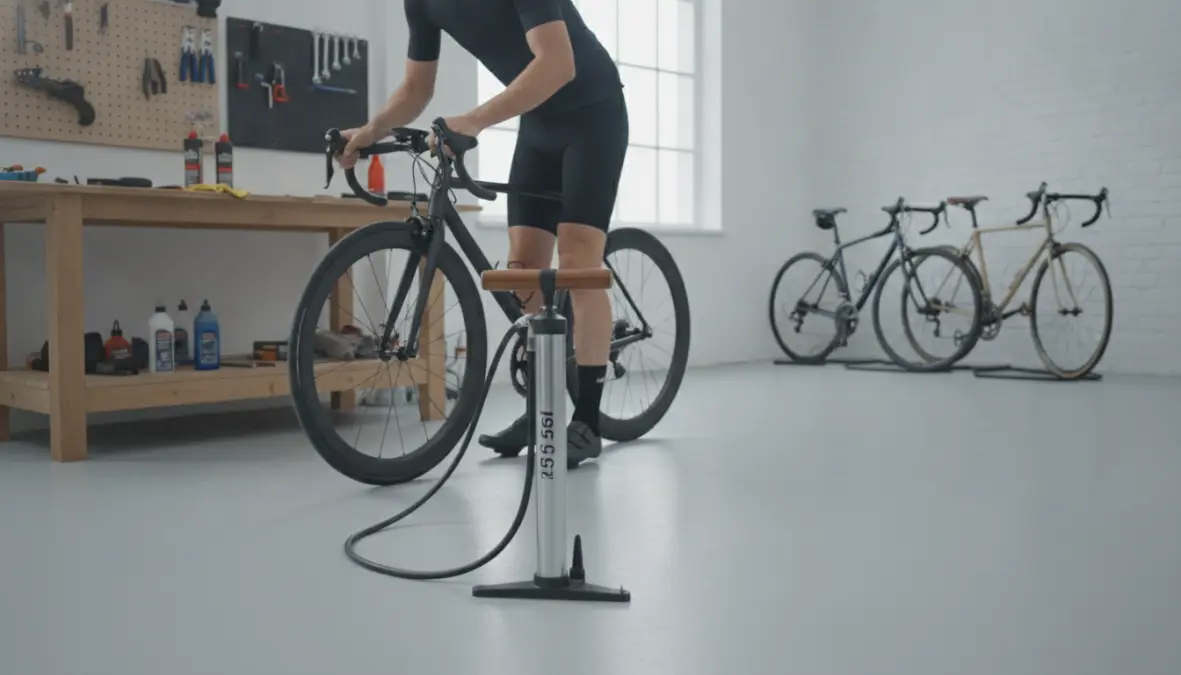
A track pump (or floor pump) is what you’ll use 90% of the time for actual tire inflation. These large, stable pumps feature a long barrel, comfortable handle, and sturdy base that lets you achieve proper tire pressure with minimal effort. Most include an accurate gauge for precise PSI readings—critical because even 10 PSI can significantly affect ride quality and puncture resistance. High-quality floor pumps can inflate a road tire to 120 PSI in under a minute with easy, rhythmic strokes.
The obvious limitation: floor pumps aren’t portable. They’re strictly for home or workshop use, making them useless for roadside repair or puncture repair during rides. However, they’re absolutely the best track pump for home use for pre-ride checks and regular maintenance. Proper tire inflation before every ride prevents flats and improves performance—something worth remembering when you’re training for a century ride. Most floor pumps offer excellent pump compatibility with reversible or dual heads that accommodate both Presta and Schrader valves effortlessly.
Which Cycling Pump Should You Choose?
Now for the practical part of this cycling pump guide: matching the right bicycle pump types to your specific needs. Here’s a strategic approach based on common cycling scenarios:
Road Cyclists: Invest in a quality floor pump with an accurate gauge for home use (check pressure before every ride). For rides, carry a CO2 inflator with 2-3 cartridges for speed, plus a small mini pump as backup. This combination gives you the speed of CO2 with the security of unlimited inflation if needed.
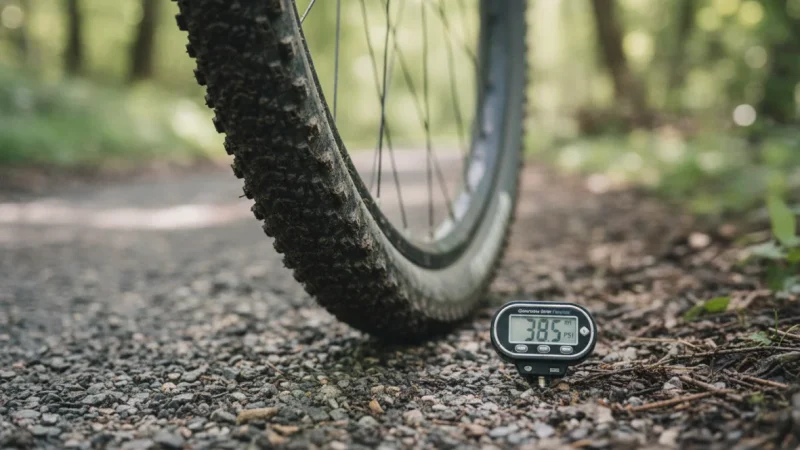
Mountain Bikers: Floor pump at home is essential for dialing in lower PSI with precision (tire pressure makes a huge difference off-road). On trails, a mini pump is more reliable than CO2 in dusty, muddy conditions, and the lower pressures required are easier to achieve by hand.
Commuters and Casual Riders: A basic floor pump handles all your needs at home. Carry a simple mini pump for peace of mind—commuting routes usually aren’t far from help, so speed isn’t critical.
Racers and Performance Riders: Track pump for pre-race prep, CO2 only during events. Every second matters in competition, making CO2 the clear choice despite the cost. Just like optimizing your power data or nutrition strategy, having the right equipment matters.
Touring and Bikepacking: Floor pump at home, mini pump mandatory on rides. You need self-sufficiency in remote areas where you can’t rely on disposable cartridges. Consider a slightly larger mini pump that’s easier to use over long inflation sessions.
When considering how to choose a bike pump, the universal recommendation is this: buy the best floor pump you can afford for home use—you’ll use it constantly and a quality gauge ensures proper inflation. For portable options, your choice between CO2 and mini pump depends on whether you prioritize speed or unlimited capacity. Many cyclists simply carry both for complete coverage.
Getting your tire inflation strategy right is just one piece of cycling preparedness. Whether you’re transitioning to outdoor riding or building base fitness, having the right pump setup means one less thing to worry about when you’re focused on the ride itself. Now get out there—with properly inflated tires and the confidence that you’re covered for whatever the road throws at you.