Protein Timing for Muscle Recovery: Does the Anabolic Window Really Exist?
You’ve just crushed an intense workout. Your muscles are screaming, sweat is dripping, and someone hands you a protein shake with an urgent look: “Drink this NOW or you’ll waste your entire session!” Sound familiar? The panic around protein timing muscle recovery has dominated gym conversations for decades, but is this urgency justified by science, or is it just another fitness myth we’ve been sold?
Let’s dive into what research actually says about the infamous anabolic window and whether you really need to sprint to the locker room with a shaker bottle in hand.
Understanding the Anabolic Window Theory
The anabolic window is a concept that’s been drilled into athletes’ heads since the early bodybuilding days. According to this theory, there’s a critical 30-60 minute window immediately after your workout when your muscles are supposedly primed like sponges, ready to absorb nutrients and maximize muscle protein synthesis. Miss this window, the theory warns, and you’re essentially throwing your gains down the drain.
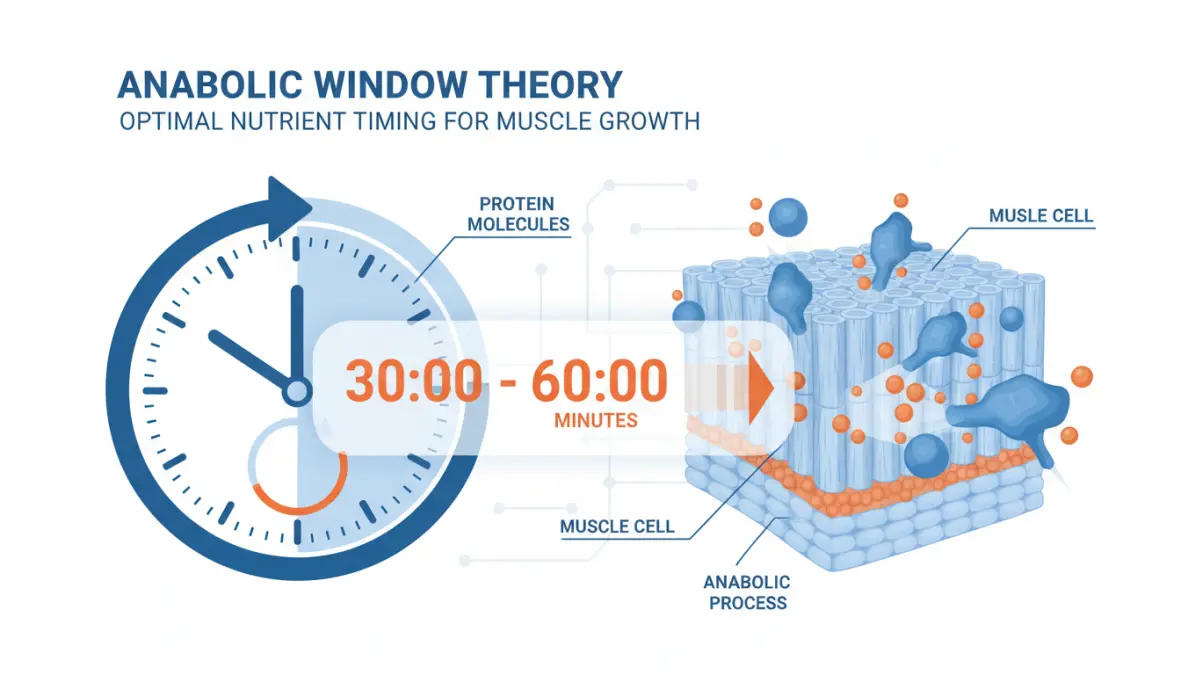
This idea originated from early exercise physiology research focused primarily on muscle glycogen replenishment rather than protein synthesis. As bodybuilding culture exploded in the 1980s and 90s, supplement companies jumped on this concept, marketing post workout protein shakes as absolutely essential for anyone serious about building muscle. The message was clear: consume protein immediately after training or suffer suboptimal results.
The theory suggested that resistance training creates a unique metabolic state where amino acid availability and nutrient uptake are dramatically enhanced, but only for a brief period. This created an entire industry around post-workout nutrition and established timing as the holy grail of resistance training nutrition.
What Research Actually Shows About Protein Timing Muscle Recovery
Here’s where things get interesting. Modern research has painted a much more nuanced picture of protein timing muscle recovery than the traditional anabolic window theory suggests. Recent meta-analyses and systematic reviews have examined does the anabolic window really exist, and the answer is: it’s complicated.
Key findings from recent studies include:
- Extended sensitivity window: Muscle protein synthesis remains elevated for 24-48 hours after resistance training, not just 30-60 minutes
- Total intake matters most: Daily protein consumption (1.6-2.2g per kg bodyweight) is significantly more important than precise timing
- Pre-workout nutrition affects timing: If you’ve eaten protein 3-4 hours before training, the urgency for immediate post-workout protein decreases dramatically
- Training state matters: Fasted training may benefit more from immediate protein intake compared to fed-state training
A landmark study by Schoenfeld and Aragon found that when optimal protein intake is met throughout the day, the difference between consuming protein immediately versus several hours post-workout is minimal for muscle hypertrophy. The researchers concluded that the “window” is more like a “garage door” that stays open much longer than previously believed.
What really influences recovery and muscle growth? Let’s break it down:
- Total daily protein: The foundation of muscle building, trumping timing in most scenarios
- Protein quality: Leucine content and complete amino acid profiles matter significantly
- Distribution throughout the day: Spreading protein across 3-5 meals optimizes synthesis better than one or two large doses
- Training volume and intensity: Higher quality training creates longer-lasting anabolic signals
For more comprehensive strategies on post-exercise nutrition, check out our complete guide to recovery nutrition, which covers the full spectrum of workout nutrition timing considerations.
Practical Protein Timing Guidelines for Optimal Recovery
So when to take protein for muscle recovery? Let’s get practical. While the strict 30-minute rule is exaggerated, protein timing isn’t completely irrelevant either. Here’s when timing actually matters and when you can relax:
When timing is more critical:
- Fasted training: If you train first thing in the morning without eating, consuming protein within 1-2 hours post-workout becomes more important
- Multiple daily sessions: Athletes training twice daily benefit from strategic timing to maximize recovery between sessions
- Advanced athletes: Elite competitors squeezing out marginal gains may benefit from optimized timing
- Very lean individuals: Those with lower body fat may have reduced amino acid reserves
When timing is less critical:
- You’ve consumed a protein-rich meal 3-4 hours before training
- Your total daily protein intake meets recommendations (1.6-2.2g/kg)
- You’re a recreational athlete focused on general fitness
- You maintain consistent daily protein distribution across meals
For best time to consume protein after workout, aim for within 3-4 hours post-training as a reasonable guideline. This gives you flexibility while still capitalizing on elevated muscle sensitivity. Regarding how long after workout to eat protein, research suggests anywhere from immediately to 4-5 hours post-exercise produces similar results when total daily intake is adequate.

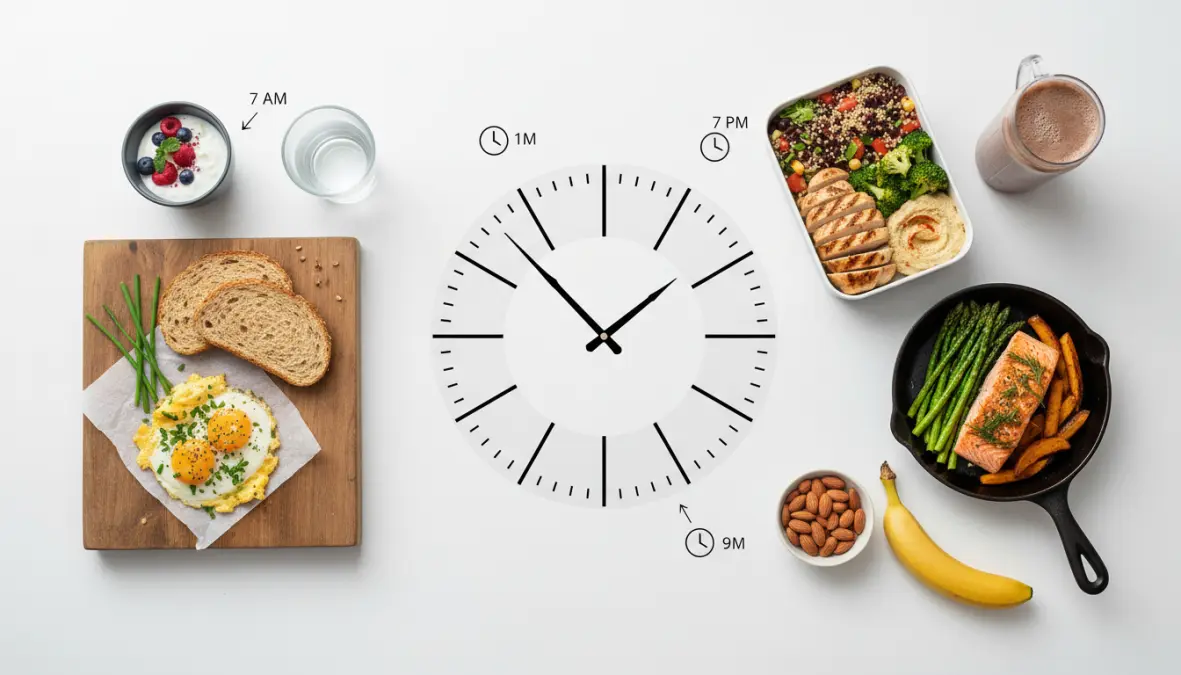
Practical recommendations: Consume 20-40g of high-quality protein per meal, distributed across 3-5 meals daily. Include a protein source before bed to support overnight recovery. If you’re exploring plant-based protein sources, ensure adequate leucine content and amino acid completeness.
The bottom line? Don’t stress obsessively about protein shake timing for muscle building. Focus on convenience, consistency, and total intake. If chugging a shake immediately post-workout fits your schedule, great. If you prefer a whole-food meal an hour later, that works too. For those doing intense protocols like HIIT training, coordinate your recovery nutrition around your energy demands rather than arbitrary time windows.
FAQ
How soon after working out should I consume protein?
While the traditional 30-minute window is exaggerated, consuming protein within 3-4 hours post-workout is a reasonable guideline. If you trained fasted, aim for the earlier end of this range. If you ate protein before training, you have more flexibility.
Is the 30-minute anabolic window real?
Not in the strict sense. Muscle protein synthesis remains elevated for 24-48 hours after resistance training. The “window” is much longer than originally believed, making immediate post-workout consumption less critical than once thought.
Does protein timing matter if I eat enough protein daily?
For most people, total daily protein intake (1.6-2.2g/kg bodyweight) matters significantly more than precise timing. Timing provides marginal benefits primarily for fasted training, multiple daily sessions, or elite athletes optimizing every variable.
What’s more important: total daily protein or timing?
Total daily protein intake wins decisively. Research consistently shows that meeting your daily protein needs distributed across multiple meals trumps any specific timing strategy. Get your total intake right first, then optimize timing if desired.
The anabolic window might not be the emergency situation we once believed, but that doesn’t mean protein timing muscle recovery is completely irrelevant. Think of it as one tool in your nutrition toolbox—helpful in specific situations, but not the make-or-break factor for muscle growth. Focus on consistent total protein intake, quality sources, and reasonable distribution throughout the day. Your muscles will thank you far more for hitting your daily targets than for stressing about consuming protein within minutes of your last rep. Train hard, eat consistently, and let science guide your strategy rather than gym mythology.