Electrolyte Balance for Athletes: When Water Isn’t Enough

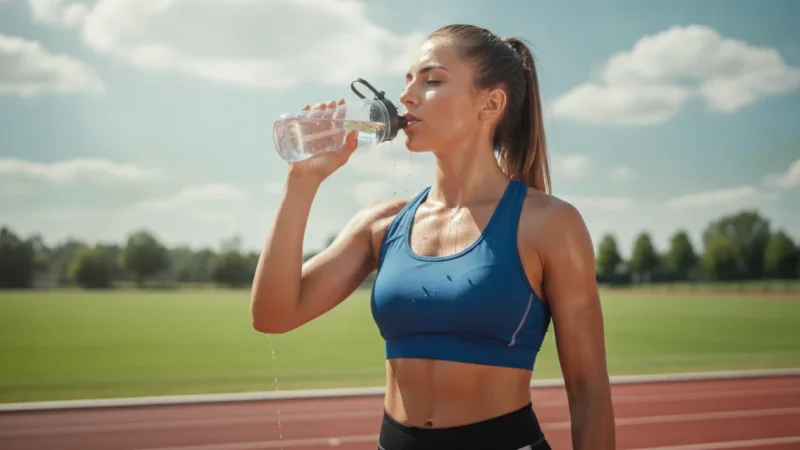
You’ve just crushed a long training session. Your shirt is drenched, you’re gulping down water like there’s no tomorrow, and you feel pretty good about staying hydrated. But here’s the thing: electrolyte balance for athletes goes way beyond just drinking water. In fact, over-hydrating with plain water during intense or prolonged exercise can actually work against you, diluting critical minerals your body desperately needs to function. Let’s dive into why water alone isn’t always enough and how to nail your electrolyte game.
Why Electrolyte Balance Matters More Than Hydration Alone
When we talk about sports hydration electrolytes, we’re discussing essential minerals that carry electrical charges in your body—primarily sodium, potassium, magnesium, and calcium. These aren’t just fancy additions to sports drinks; they’re fundamental to how your body operates during athletic performance.
Electrolytes regulate muscle contractions, facilitate nerve transmission, and maintain fluid balance between your cells and bloodstream. When you’re pushing through a tough workout, your muscles need these minerals to contract and relax properly. Without adequate electrolyte balance, even well-hydrated athletes can experience performance drops, muscle cramps, and worse.
Here’s where the hydration vs electrolytes athletes debate gets interesting: drinking only water during intense activity can lead to hyponatremia, a dangerous condition where blood sodium levels drop too low. Studies show that endurance athletes can lose 500-2000mg of sodium per liter of sweat, depending on individual sweat rates and environmental conditions. When you replace that sweat loss with plain water, you’re essentially diluting your blood’s electrolyte concentration.
Research from sports science laboratories indicates that sweat loss during moderate to high-intensity exercise can range from 0.5 to 2.5 liters per hour. The minerals in that sweat don’t magically replenish themselves—your body needs external sources to restore balance. This is particularly crucial for activities lasting longer than 60-90 minutes, where glycogen depletion and electrolyte depletion occur simultaneously. For more comprehensive information on staying properly hydrated, check out our guide on Hydration Strategies for Endurance Athletes: Beyond Water.
Recognizing and Preventing Electrolyte Imbalance in Athletic Performance
Understanding athlete electrolyte needs starts with recognizing when things go wrong. Electrolyte imbalance sports scenarios present with several telltale signs that every athlete should know.
Common signs of electrolyte imbalance in athletes include:
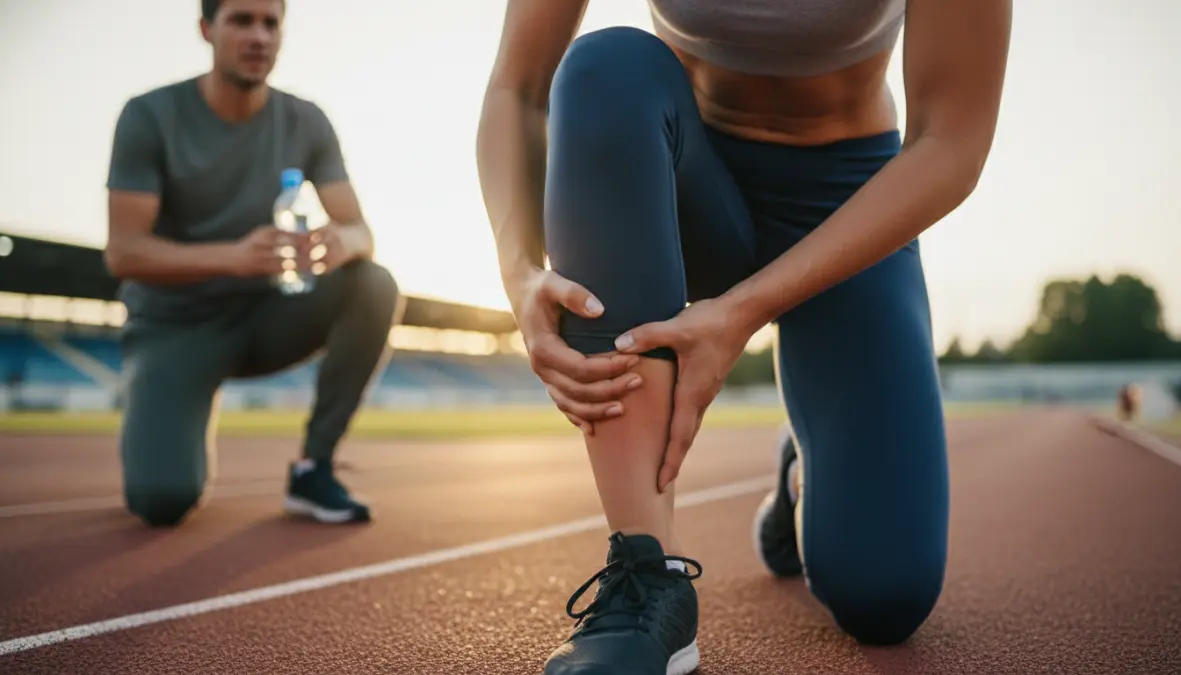
- Muscle cramps—especially in the calves, hamstrings, or feet during or after exercise
- Unusual fatigue or weakness despite adequate rest
- Nausea or vomiting during training
- Mental confusion or difficulty concentrating
- Persistent headaches
- Irregular heartbeat or palpitations
- Dizziness or lightheadedness
Several factors determine when do athletes need electrolytes not just water. Exercise duration is critical—activities exceeding 60 minutes significantly increase electrolyte needs. Intensity matters too; high-intensity intervals trigger greater sweat rates than steady-state cardio. Environmental temperature and humidity amplify sweat production, sometimes doubling or tripling electrolyte loss.
Individual sweat rate varies dramatically between athletes. Some people are “salty sweaters” who lose significantly more sodium than others—you might notice white salt residue on your skin or clothing after workouts. Endurance athletes training for marathons, triathlons, or ultra-events face different demands than basketball players doing 90-minute practices, though both need electrolyte strategies.
For how to maintain electrolyte balance during exercise, start by observing your body’s signals. Weigh yourself before and after training sessions to calculate fluid loss (1 kg weight loss = approximately 1 liter of fluid lost). Note when cramps occur and under what conditions. Consider a professional sweat test for precise sodium loss measurements, especially if you’re training for major endurance events.
Effective Electrolyte Replacement Strategies for Athletes
Understanding electrolyte replacement for athletes means moving from theory to practical application. Let’s break down actionable strategies that work.
Timing and Dosage for Optimal Results
Electrolyte supplementation athletes should follow differs based on workout length and intensity. For sessions under 60 minutes at moderate intensity, water alone typically suffices for most athletes. Once you cross the 60-90 minute threshold, especially in warm conditions, electrolyte intake becomes essential.
Pre-workout electrolyte loading isn’t usually necessary unless you’re training early morning after fasting or you know you’ll be in extreme heat. During exercise lasting 1-3 hours, aim for 300-600mg of sodium per hour, along with 100-200mg of potassium and 50-100mg of magnesium. For ultra-endurance events (3+ hours), these numbers may need to increase to 500-1000mg sodium hourly, depending on your sweat rate.
Post-workout dehydration prevention requires replacing both fluids and electrolytes. A good rule: consume 150% of the fluid you lost through sweat within 2-4 hours after training, ensuring it contains adequate sodium potassium magnesium to restore cellular function. This supports muscle recovery and prepares you for your next session. Just as proper nutrition matters for recovery, as discussed in our Plant-Based Protein Sources for Athletes guide, electrolyte timing significantly impacts adaptation.
Sources and Supplement Options
When considering the best electrolytes for athletes, you have multiple options. Commercial sports drinks provide convenience but often contain excessive sugars and artificial ingredients. Look for products with at least 200-300mg sodium per serving and a balanced sodium-to-potassium ratio.
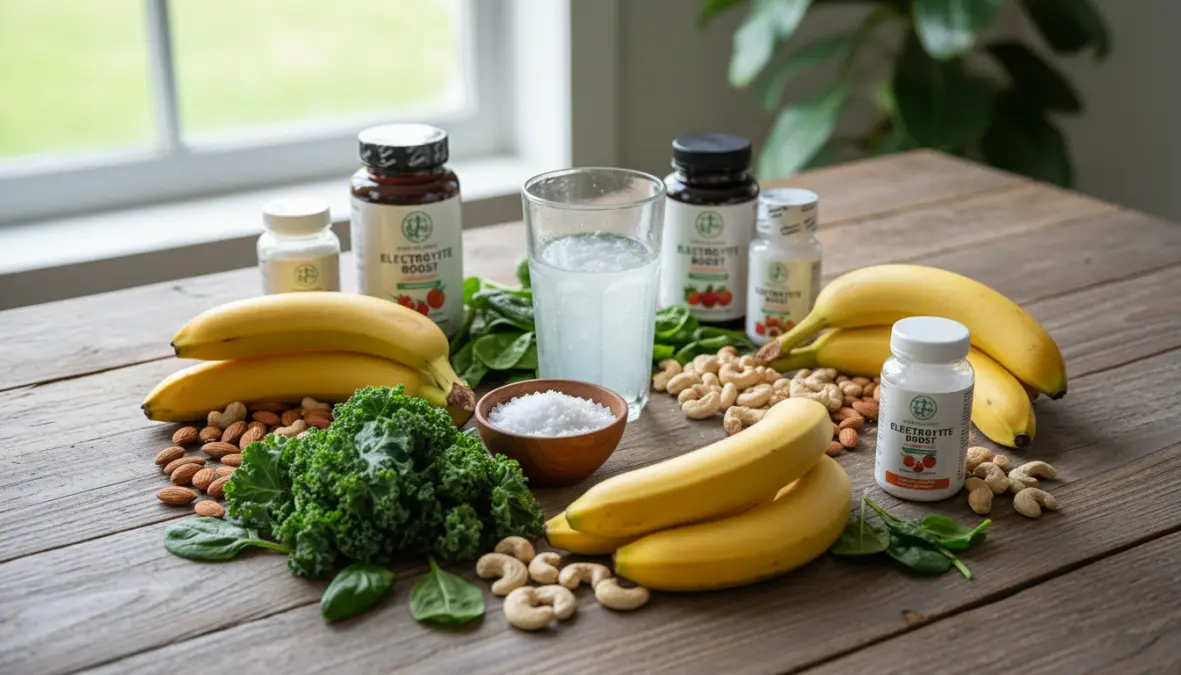
Natural electrolyte sources for athletes include coconut water (high potassium, moderate sodium), bone broth (excellent sodium and minerals), bananas (potassium), leafy greens (magnesium), and nuts/seeds. DIY electrolyte drinks mixing water, sea salt, fresh citrus juice, and a touch of honey work surprisingly well and cost pennies compared to commercial options.
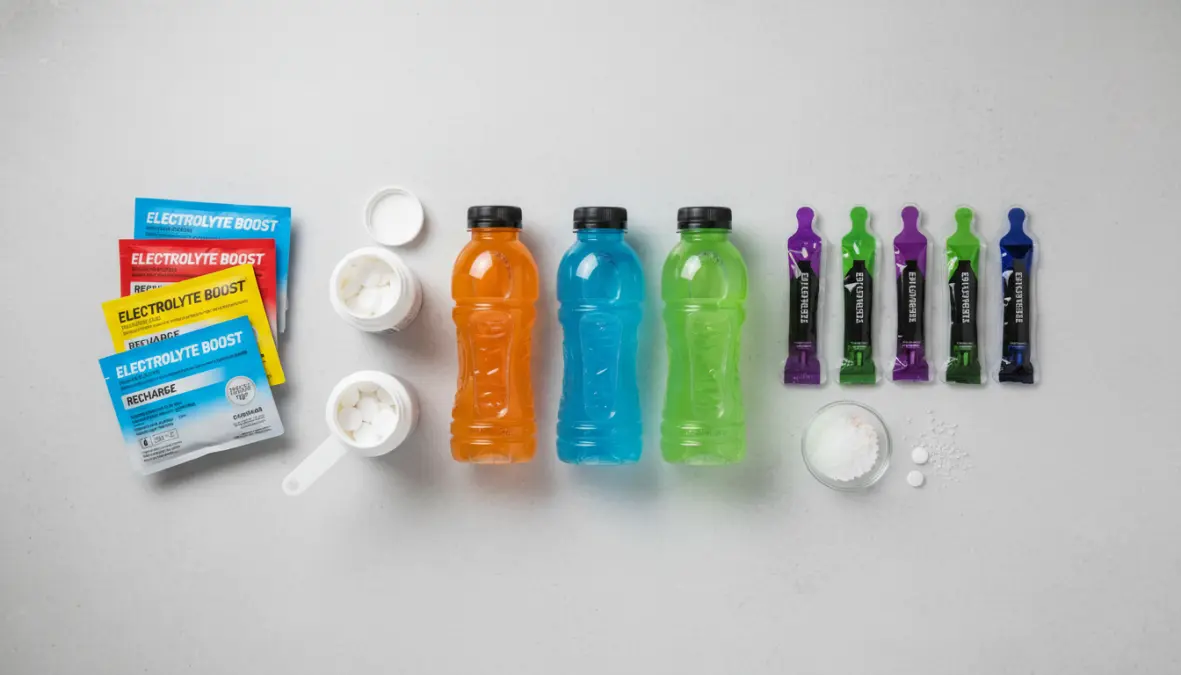
Electrolyte powders, tablets, and gels each have advantages. Powders offer customizable concentration—critical for dialing in your personal needs. Tablets provide portability for travel or race day. Gels combine electrolytes with quick-digesting carbohydrates for endurance training nutrition during events. Whatever you choose, test it during training, never on race day.
The best way to replace electrolytes after workout depends on your sweat loss and dietary preferences. Whole food approaches work well for moderate training loads, while serious endurance athletes often need concentrated supplementation to meet demands efficiently. For athletes focused on performance optimization across multiple training variables, understanding your body’s signals remains paramount—much like the mental awareness discussed in our Mental Training for Athletes guide.
FAQ: Common Questions About Electrolyte Balance for Athletes
How do I know if I need electrolytes or just water?
If your workout lasts under 60 minutes at low-moderate intensity in cool conditions, water is usually sufficient. Beyond 60 minutes, in heat, or during high-intensity training, electrolytes become necessary. Watch for muscle cramps, excessive fatigue, or headaches as indicators you need more than water.
Can you drink too many electrolytes?
Yes, though it’s less common than deficiency. Excessive sodium intake can cause bloating, elevated blood pressure, and in extreme cases, hypernatremia. Most athletes should stay between 300-700mg sodium per hour during exercise. Listen to your body and adjust based on thirst and how you feel.
What’s the best electrolyte drink for endurance athletes?
The best drink matches your individual sweat rate and sodium loss. How much electrolytes do endurance athletes need varies, but look for drinks providing 300-600mg sodium per serving, moderate carbohydrates (4-8%), and additional potassium and magnesium. Test several options during training to find what your stomach tolerates best.
Do electrolytes help with muscle recovery?
Absolutely. Electrolytes support protein synthesis, reduce inflammation, and help restore cellular fluid balance after training. Magnesium specifically aids muscle relaxation and reduces cramp risk. Proper electrolyte replacement accelerates recovery between sessions.
How much sodium do athletes lose in sweat?
Average sodium loss ranges from 500-2000mg per liter of sweat, with significant individual variation. “Salty sweaters” may lose considerably more. Environmental conditions, fitness level, and heat acclimatization all influence these numbers. Professional sweat testing provides personalized data.
Getting your electrolyte balance athletes strategy right can mean the difference between crushing your goals and hitting the wall. Water is essential, but it’s just one piece of the hydration puzzle. By understanding your individual needs, recognizing imbalance symptoms early, and implementing smart supplementation strategies, you’ll maintain optimal performance from start to finish. Start paying attention to what you’re losing through sweat, experiment with different replacement methods, and track how your body responds. Your future self—mid-workout or crossing the finish line—will thank you.