How to Prevent and Treat Saddle Sores: Complete Cyclist Guide
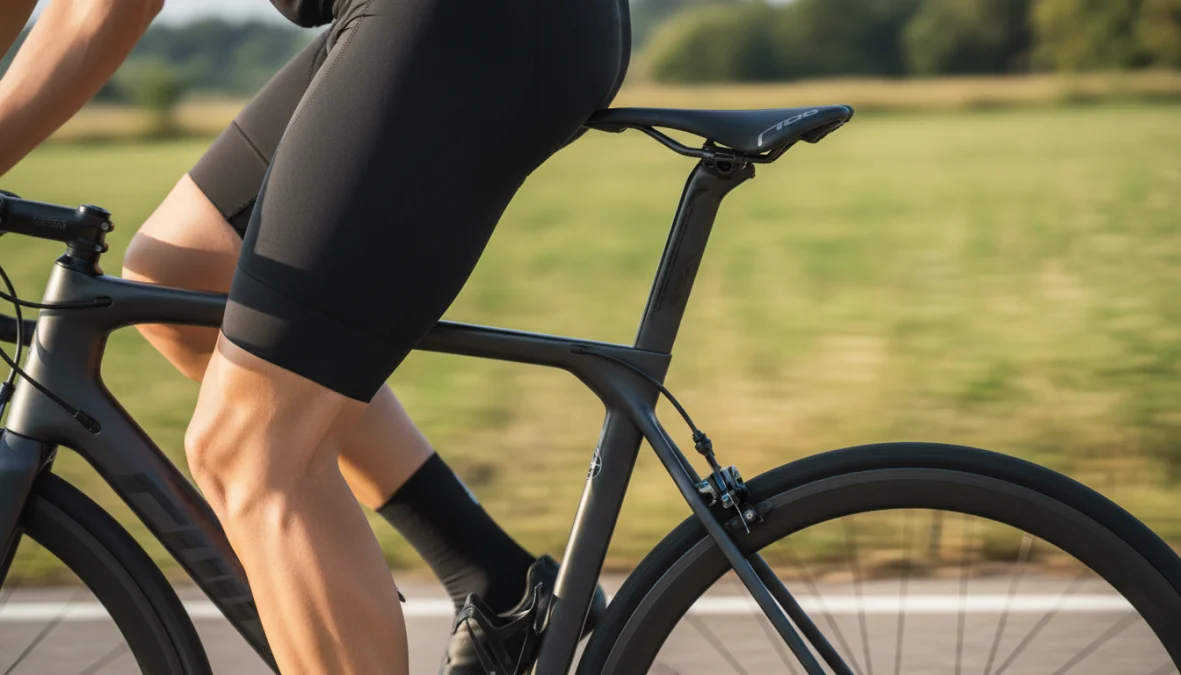
Every cyclist has been there: you’re enjoying a great ride, pushing through those miles, when suddenly you feel that uncomfortable friction. A few days later, you’re dealing with painful saddle sores that make even sitting down a challenge. Whether you’re training for your next century ride or just commuting to work, learning to prevent saddle sores is essential for staying comfortable and consistent on the bike. The good news? Most saddle sores are completely preventable with the right strategies, and even when they do appear, proper treatment can get you back in the saddle quickly.
Understanding Saddle Sores: What Cyclists Need to Know
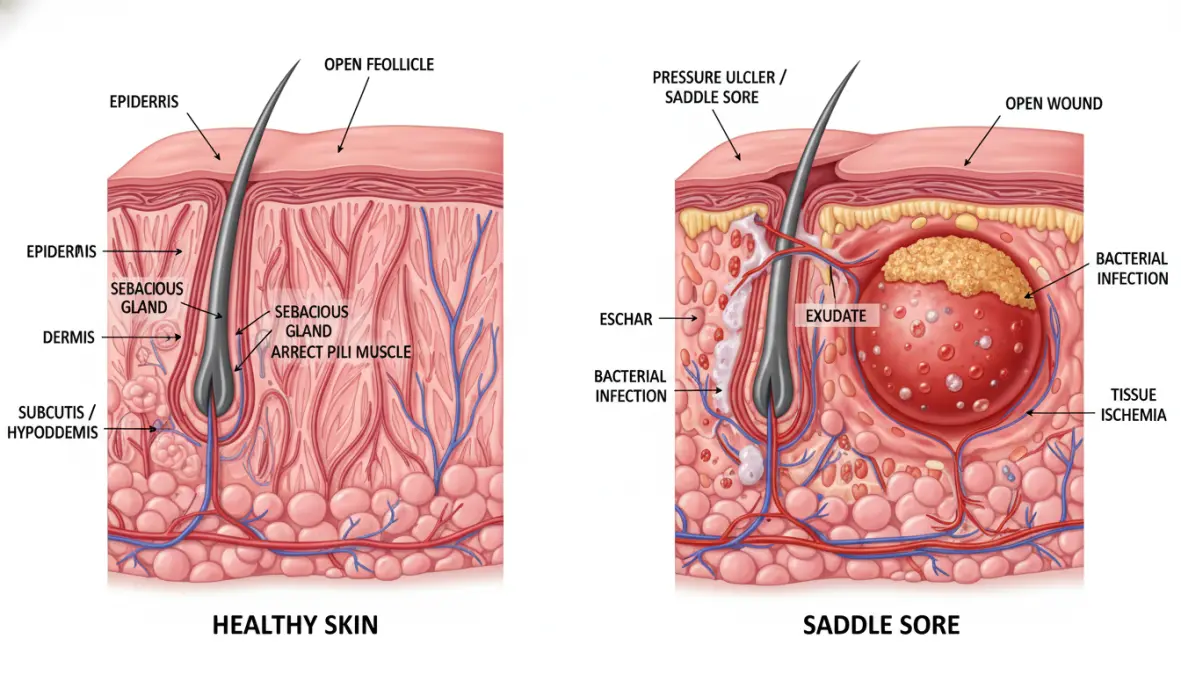
Before we dive into prevention, let’s clarify what we’re actually dealing with. Cycling saddle sores aren’t just simple irritation—they’re a spectrum of skin problems caused by the unique stresses of cycling. At the mildest end, you have basic chafing: red, irritated skin from friction between your body, chamois padding, and saddle. This cycling skin irritation feels raw and burns, especially in the shower, but it’s superficial.
True saddle sores, however, go deeper. These are inflamed, infected hair follicles or oil glands that develop into painful lumps beneath the skin. Think of them as the difference between saddle sores and boils: chafing is surface-level, while actual saddle sores can form cysts or abscesses. They’re caused by a perfect storm of pressure, friction, moisture, and bacteria—all of which are abundant in the cycling environment.
The most vulnerable areas are where your sit bones contact the saddle and anywhere experiencing constant pressure and movement. Men often develop issues along the perineum, while women frequently experience problems on the labia or inner thighs. Bike seat sores can range from minor annoyances to ride-stopping infections that require medical intervention. The key is recognizing the warning signs: persistent pain that doesn’t improve with position changes, visible lumps or swelling, warmth around the affected area, or any drainage—these signal it’s time to take action.
How to Prevent Saddle Sores: Essential Strategies for Cyclists
Prevention is always easier than treatment when it comes to saddle sore prevention. The foundation of avoiding these painful problems lies in three pillars: proper bike fit, quality equipment, and meticulous hygiene. Let’s break down each area with actionable strategies you can implement immediately.
Proper Bike Fit and Saddle Selection
Your saddle is your primary contact point with the bike, and getting this relationship right is non-negotiable. A professional bike fitting isn’t just for performance—it’s injury prevention at its finest. Even a few millimeters difference in proper bike saddle height or saddle tilt can shift pressure points and create friction where there shouldn’t be any.
When selecting a saddle, width matters more than padding. Your sit bones should rest fully on the saddle’s widest part—too narrow and you’ll have excess pressure; too wide and you’ll experience chafing on your inner thighs. Many modern saddles feature cutouts or channels to reduce perineal discomfort by relieving pressure on soft tissue. Don’t assume the most expensive or heavily padded saddle is best; sometimes a firmer saddle that properly supports your sit bones prevents more problems than a squishy one that allows you to sink and shift.
The golden rule for saddle testing: give each new saddle at least three rides before making a final judgment. Your body needs time to adapt, but persistent pain or new hot spots after this period mean the saddle isn’t right for you. Make adjustments gradually, especially when building your base fitness at the beginning of the season.
Hygiene, Clothing, and Chamois Cream
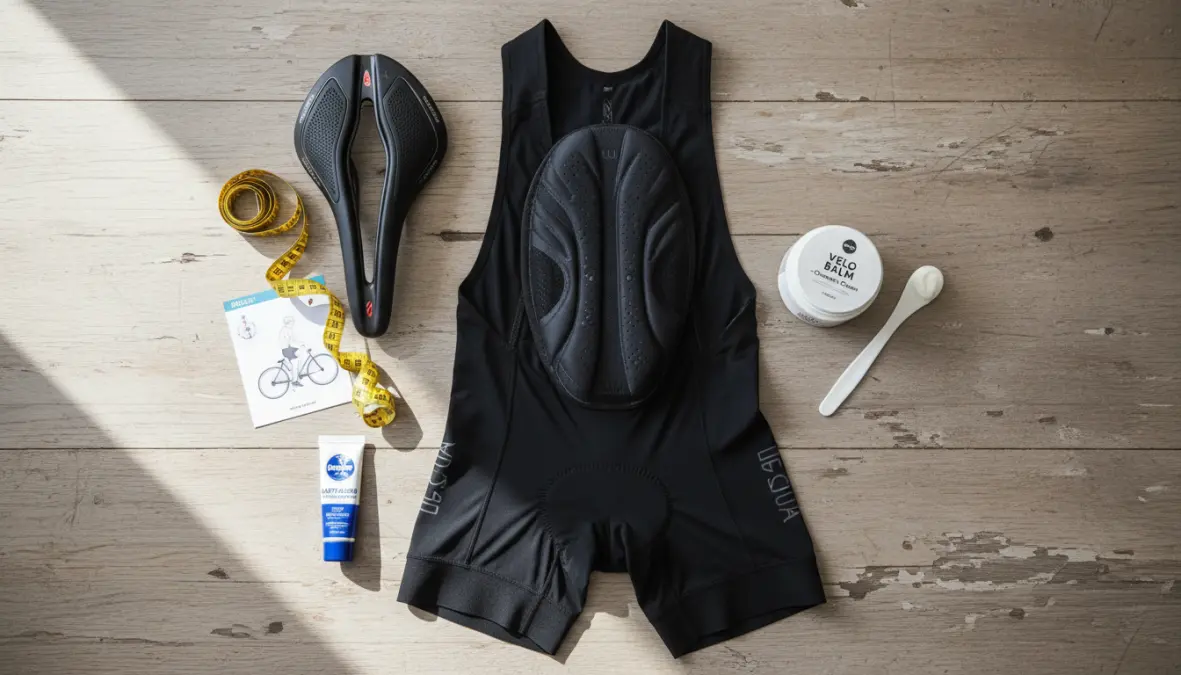
Quality cycling shorts padding is your second line of defense. Invest in shorts with seamless, multi-density chamois padding that wicks moisture and reduces skin friction. The best bike shorts to prevent saddle sores aren’t necessarily the most expensive, but they should fit snugly without bunching and feature antibacterial treatment in the chamois.
Here’s a critical rule: never, ever wear underwear beneath your cycling shorts. The extra seams create friction points, and cotton retains moisture—a recipe for disaster. Speaking of moisture, get out of your kit immediately after riding. Bacteria thrive in warm, damp environments, so shower as soon as possible and let your chamois air dry completely before washing.
Chamois cream benefits are substantial for preventing chafing cycling, especially on longer rides. Apply a generous layer directly to your skin (and some cyclists add a thin layer to the chamois itself) before riding. The cream reduces friction and often contains antibacterial ingredients. For those wondering about the best chamois cream for saddle sores, look for products with natural antibacterial properties like tea tree oil or those specifically formulated with skin protectants.
To learn how to prevent saddle sores on long rides, gradually increase your distance. Your skin needs time to toughen up. Jumping from 30-mile rides to a century is asking for trouble, no matter how good your equipment and hygiene are.
Saddle Sores Treatment: From Home Remedies to Medical Care
Despite your best prevention efforts, sometimes saddle sores happen. Knowing how to treat saddle sores fast can minimize downtime and prevent complications. Treatment approach depends entirely on severity, so let’s break it down step by step.
For mild irritation and early-stage chafing, immediate action includes stopping riding (yes, really—continuing will only make things worse), gently cleaning the area with mild soap, and applying a thin layer of antibacterial ointment. Keep the area dry and wear loose-fitting clothing. Many cyclists find that allowing air circulation accelerates healing significantly.
When you’re dealing with actual saddle sores—those deeper, inflamed bumps—home remedies for cycling saddle sores can be surprisingly effective. Warm compresses applied several times daily help draw out infection and reduce inflammation. Tea tree oil, diluted appropriately, offers natural antibacterial properties. Witch hazel reduces swelling and soothes irritation. Some cyclists swear by sitz baths with Epsom salts to promote healing.
However, if you’re asking “saddle sores won’t heal cycling—what do I do?” it’s time to see a healthcare provider. Warning signs that require medical attention include: severe or increasing pain, visible pus or drainage, fever, red streaks extending from the sore, or any sore that hasn’t improved after a week of home treatment. Infected saddle sores may require prescription antibiotics, and large abscesses sometimes need professional drainage—never attempt to pop or lance them yourself.
Realistic healing time for minor saddle sores is typically 5-7 days with proper care and rest from cycling. More severe cases can take 2-3 weeks. When returning to riding, start with shorter distances, consider a proper recovery approach, and maybe try a different saddle position or equipment setup to prevent recurrence. Just as with other cycling injuries like knee pain, gradual return is key.

FAQ: Common Questions About Preventing and Treating Saddle Sores
How long do saddle sores take to heal?
Minor chafing typically heals within 3-5 days with rest and proper care. Deeper saddle sores usually require 7-14 days, while infected or severe cases can take 2-3 weeks. The healing process depends heavily on whether you continue riding and how diligently you follow treatment protocols.
Can I still ride with saddle sores?
This depends on severity. Mild chafing might tolerate short, easy rides with extra chamois cream and a different saddle position. However, true saddle sores need rest to heal—continuing to ride will prolong recovery and risk worsening the infection. Consider alternative training like swimming or upper body work during healing.
What’s the difference between chafing and saddle sores?
Chafing is superficial skin irritation from friction, appearing as red, raw patches that burn but remain on the surface. Saddle sores are deeper, involving infected hair follicles or glands that create painful lumps beneath the skin. Chafing responds quickly to rest and ointment; saddle sores take longer and sometimes need medical treatment.
Should I pop a saddle sore?
Absolutely not. Popping or lancing a saddle sore yourself risks introducing more bacteria, causing deeper infection, and potentially creating scarring. If a saddle sore needs drainage, it should be done by a healthcare professional in sterile conditions. Apply warm compresses instead to help it drain naturally.
Does chamois cream really work?
Yes, when used properly. Chamois cream reduces friction between skin and fabric, provides a moisture barrier, and often contains antibacterial ingredients. It’s most effective when applied generously before rides, especially those exceeding an hour. Many professional cyclists won’t ride without it, particularly during multi-day events or in hot conditions.
How do professional cyclists avoid saddle sores during stage races?
Pros combine multiple strategies: custom saddles fitted precisely to their anatomy, fresh shorts for every ride, immediate post-ride hygiene routines, liberal chamois cream application, and professional bike fitters who make micro-adjustments throughout the season. They also have team doctors who treat any issues aggressively before they become serious. Building gradual saddle time tolerance is crucial in their training preparation.
Saddle sores don’t have to be an inevitable part of cycling. With proper prevention through bike fit, quality equipment, and meticulous hygiene, most riders can avoid them entirely. When they do occur, prompt and appropriate treatment gets you back to doing what you love—riding—as quickly as possible. Remember, listening to your body and addressing small issues before they become big problems is part of being a smart, sustainable cyclist. Your saddle time should be about the joy of riding, not enduring unnecessary discomfort.