Best Hill Climbing Techniques for Cyclists: Master Your Climbing Power
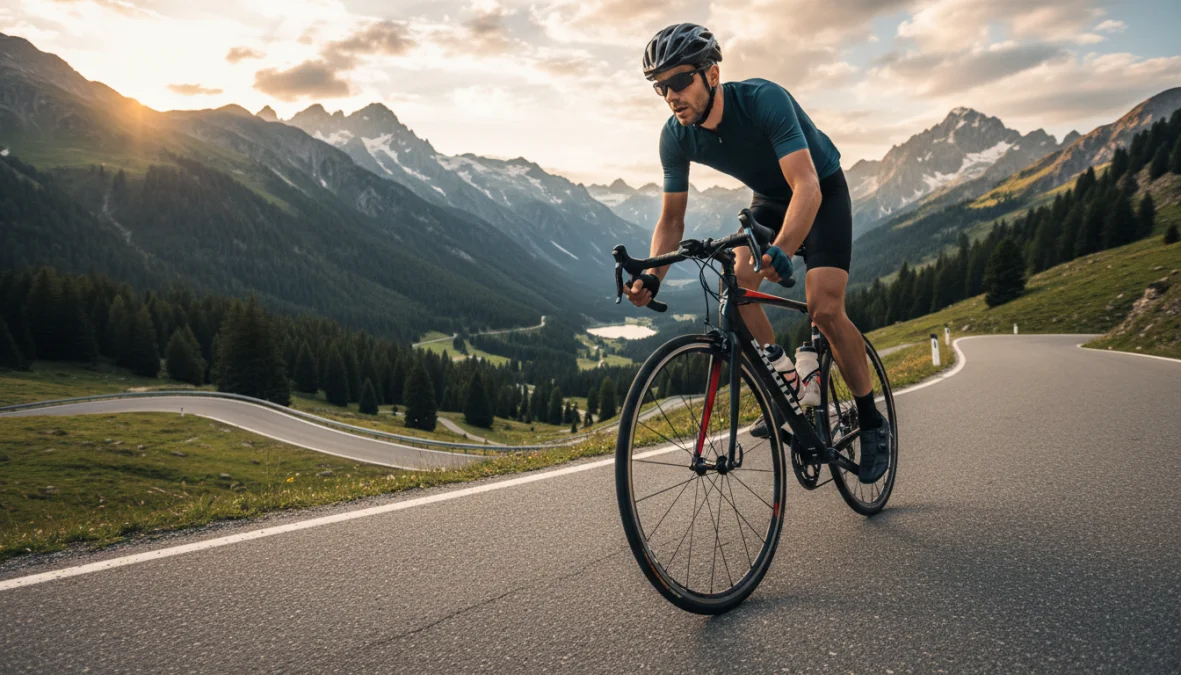
There’s something humbling about hitting a steep climb—your breathing quickens, your legs start to protest, and suddenly that hill looks a lot bigger than it did from the bottom. But here’s the truth: hill climbing techniques cycling isn’t just about raw power or suffering through the pain. It’s a skill you can master through smart positioning, strategic pacing, and targeted training. Whether you’re tackling Alpine giants or local hills, understanding the mechanics of efficient climbing will transform those daunting ascents into your favorite part of the ride.
Mastering Body Position and Pedaling Technique for Efficient Climbing
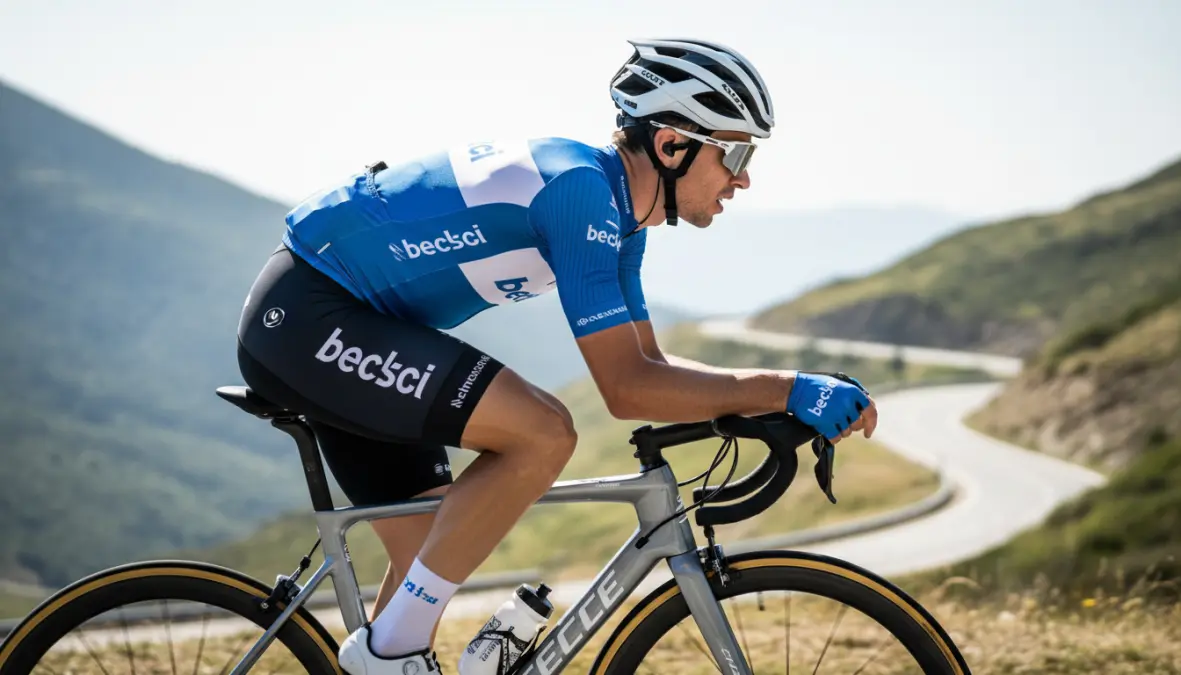
Your bike climbing posture can make or break your efficiency on the slopes. When seated, slide slightly forward on the saddle to engage your glutes and quads more effectively. Keep your hands on the hoods for moderate climbs—this opens up your chest for better breathing and allows natural handlebar sway. Your elbows should stay relaxed, not locked, and your upper body should remain relatively still while your legs do the work.
The eternal question: seated vs standing climbing? Both have their place. Seated climbing is more efficient for sustained efforts and helps maintain a consistent climbing cadence cycling. Standing (or “dancing” on the pedals) gives your seated muscles a break, allows you to generate more power on steep pitches, and helps when you need a sudden acceleration. The key is knowing when to switch. Stand for short, punchy climbs or when the gradient kicks up beyond 10-12%. Stay seated for long, steady ascents where energy conservation is critical.
When it comes to best cadence for climbing hills cycling, aim for 60-80 rpm on steep gradients (10%+) and 70-90 rpm on moderate slopes (5-8%). Lower cadences on extreme gradients prevent you from spinning out in easy gears, while higher cadences on gentler slopes maintain momentum and reduce muscular strain. Focus on pedaling efficiency with a smooth, circular motion—imagine scraping mud off your shoe at the bottom of each stroke and pulling through the upstroke.
Breathing technique matters more than most cyclists realize. Develop a rhythmic breathing pattern—try inhaling for two pedal strokes and exhaling for two. When the effort intensifies, focus on forceful exhalations to fully empty your lungs, which naturally triggers deeper inhalations. Keep your jaw relaxed and your shoulders down, directing all tension away from your core strength cycling muscles that should be stabilizing your position.
Strategic Gear Selection and Pacing for Different Gradients
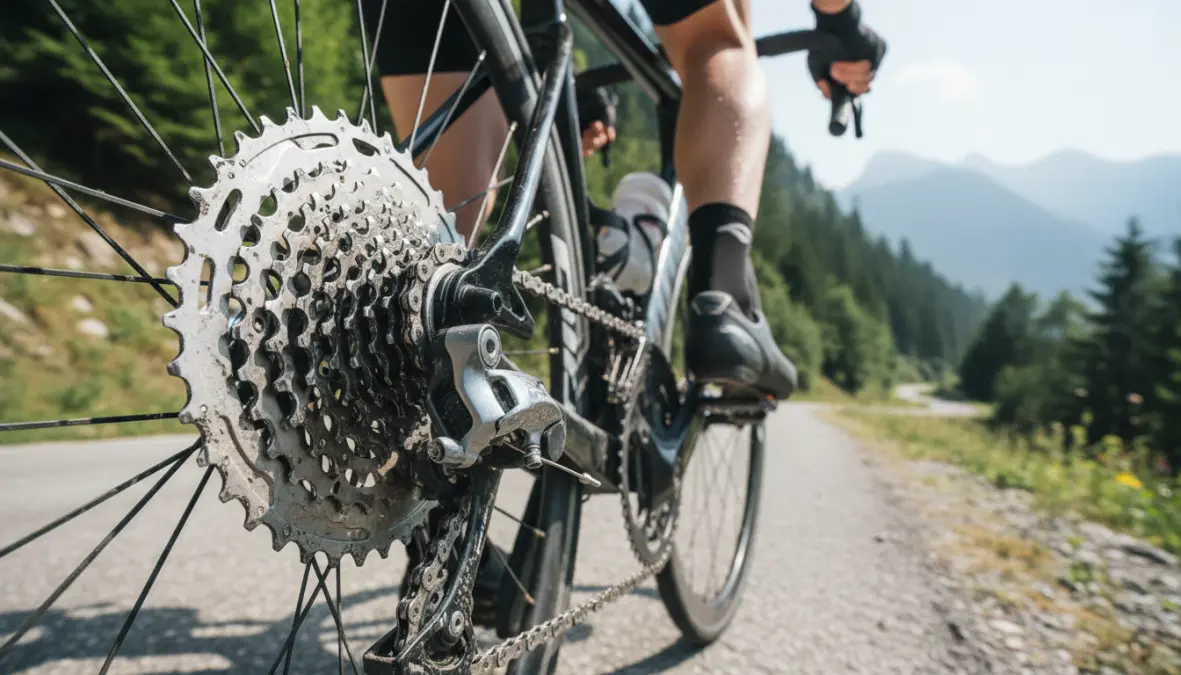
Mastering climbing gear selection is like learning to read the road ahead. The golden rule: shift before you need to. Anticipate gradient changes and drop into an easier gear while you still have momentum. Getting caught in too hard a gear on a steep section breaks your rhythm and wastes precious energy fighting to turn the pedals.
Here’s a practical guide for cycling gradient techniques based on slope percentage:
- 3-5% gradient: Maintain your big chainring with a moderate cassette cog. Keep cadence 80-90 rpm. This is conversation-pace climbing—steady and sustainable.
- 6-9% gradient: Drop to your small chainring or easier gears. Target 70-80 rpm. Focus on smooth power delivery and controlled breathing.
- 10-15% gradient: Use your easiest gears without shame. Cadence drops to 60-75 rpm. Stand periodically to relieve muscle fatigue.
- 15%+ gradient: Survival mode—use your absolute easiest gear, alternate between seated and standing every 30-60 seconds, and focus on just keeping the pedals turning.
Your cycling uphill strategy should vary dramatically between short and long climbs. For climbs under 5 minutes, you can afford to attack harder from the start, reaching 90-95% of your maximum heart rate. For climbs lasting 15-30 minutes or more, start conservatively at 75-80% max heart rate and gradually build intensity in the final third. This prevents the dreaded early blow-up that leaves you crawling up the final slopes.
If you use a power meter, aim to stay within 10-15 watts of your lactate threshold power on long climbs. Don’t have a power meter? Use perceived exertion on a 1-10 scale, staying around 6-7 for most of the climb and pushing to 8-9 only in the final 20%. Learning how to pace yourself on cycling climbs comes with experience, but a good rule is: if you’re breathing too hard to speak in short sentences in the first half of a long climb, you’re going too hard.
Building Climbing Power Through Targeted Training
Improving your hill climbing power requires more than just riding hills—it demands structured training that targets specific physiological adaptations. The foundation of climbing performance rests on your power to weight ratio. A rider producing 250 watts who weighs 70kg (3.57 watts/kg) will climb faster than a rider producing 280 watts who weighs 85kg (3.29 watts/kg). This means both increasing your power output and optimizing your body composition matter.
Here’s a sample weekly climbing-focused training structure:
Monday: Recovery ride (60 minutes easy spinning)
Tuesday: Hill intervals—5×5 minutes at threshold on a 5-7% climb, 3 minutes recovery between efforts
Wednesday: Tempo ride—60-90 minutes with 30-40 minutes at sweet spot (88-93% FTP)
Thursday: Easy ride with 3×1 minute max efforts on steep hills (focus on form and power)
Friday: Rest or yoga/stretching
Saturday: Long ride with sustained climbing—include one 20-40 minute climb at moderate intensity
Sunday: Active recovery or complete rest
Incorporate VO2 max training once or twice weekly during build phases—these are brutal but effective. Try 4-6 repetitions of 3-4 minutes at maximum sustainable effort (you should feel like you can’t continue for another 30 seconds at the end of each interval), with equal recovery time between efforts. These sessions expand your cardiovascular ceiling and teach your body to process oxygen more efficiently.
Cycling intervals specifically on hills beat flat-road intervals for climbing improvement because they force you to maintain power output without relying on momentum. Sweet spot training (88-93% of threshold) is particularly valuable—it’s hard enough to create adaptation but sustainable enough to accumulate significant training volume without excessive fatigue.
Don’t neglect off-bike core strength cycling work. A strong core stabilizes your pelvis and spine during hard climbing efforts, preventing energy waste through excessive movement. Planks, side planks, dead bugs, and bird dogs performed 2-3 times weekly for 15-20 minutes significantly improve climbing efficiency. Single-leg exercises like Bulgarian split squats and step-ups build the functional strength that translates directly to pedaling power.
Mental strategies matter as much as physical preparation when learning how to climb steep hills on a road bike. Break long climbs into segments—focus on reaching the next corner or landmark rather than the summit. Use positive self-talk and established mantras during difficult moments. Visualization before big climbs helps prepare your mind for the challenge ahead. Remember: discomfort is temporary, but the satisfaction of conquering a challenging climb lasts.
FAQ: Common Questions About Hill Climbing Techniques
What is the best cadence for climbing hills?
For most cyclists, 70-90 rpm works well on moderate climbs (5-8% gradient), while 60-80 rpm is more realistic on steep climbs (10%+). The key is finding a cadence that allows you to maintain smooth power without excessive muscular strain or cardiovascular stress. Experiment to find your personal sweet spot—some climbers thrive at higher cadences while others prefer grinding bigger gears.
Should I climb seated or standing?
Primarily seated, with strategic standing intervals. Seated climbing is more efficient for long climbs because it uses less energy. Stand when the gradient suddenly steepens, when you need to accelerate, or every few minutes on long climbs to give your seated muscles a break. Alternate positions to distribute fatigue across different muscle groups and maintain better overall endurance.
What gear ratio is best for steep climbs?
Most riders benefit from a compact crankset (50/34) or even a semi-compact (52/36) paired with an 11-32 or 11-34 cassette for steep climbing. If you regularly tackle gradients above 15%, consider an 11-36 cassette or even exploring gravel bike gearing options. There’s no shame in easier gears—professional climbers use them too. The goal is maintaining cadence and efficiency, not proving toughness.
How can I improve my climbing speed quickly?
Focus on three areas: lose excess weight (if applicable), increase your threshold power through structured interval training, and improve climbing-specific technique. Quick wins come from optimizing your pacing strategy and learning proper body position. However, sustainable improvement takes 8-12 weeks of consistent climbing-focused training. Patience and consistency beat sporadic heroic efforts every time.
Why do my legs burn when climbing?
That burning sensation is lactate accumulation—your muscles are producing it faster than your body can clear it. This happens when you exceed your lactate threshold, the intensity where your aerobic system can no longer handle the workload alone. To reduce burning, pace yourself better in the early climb sections, work on raising your threshold through training, and ensure you’re in an appropriate gear that allows sustainable cadence and power output.
Mastering hill climbing techniques cycling transforms what once seemed like torture into one of cycling’s greatest pleasures. It’s not about becoming a mountain goat overnight—it’s about incremental improvements in position, pacing, and power that compound over weeks and months. Every climb is an opportunity to refine your technique, test your fitness, and prove that with the right approach, any gradient becomes conquerable. Now get out there and find a hill worth climbing.