Sleep Optimization for Athletes: The Ultimate Guide to Recovery and Performance
You’ve nailed your training plan, dialed in your nutrition, and invested in the best gear—but if you’re skimping on sleep, you’re leaving massive gains on the table. For athletes, sleep optimization isn’t just about feeling rested; it’s the secret weapon that separates good performances from podium finishes. While you’re catching Z’s, your body is busy repairing muscle tissue, consolidating motor skills, and priming your nervous system for peak output. Let’s dive into why sleep optimization athletes should prioritize might be the most underrated performance enhancer out there.
Why Sleep Is the Foundation of Athletic Performance
The connection between athletic performance sleep and results isn’t just anecdotal—it’s backed by hard science. Studies on elite athletes consistently show that those who prioritize sleep optimization athletes strategies experience faster reaction times, improved accuracy, and enhanced endurance capacity compared to sleep-deprived competitors. Research on basketball players, for example, found that extending sleep to 10 hours per night improved sprint times by 5% and shooting accuracy by 9%.
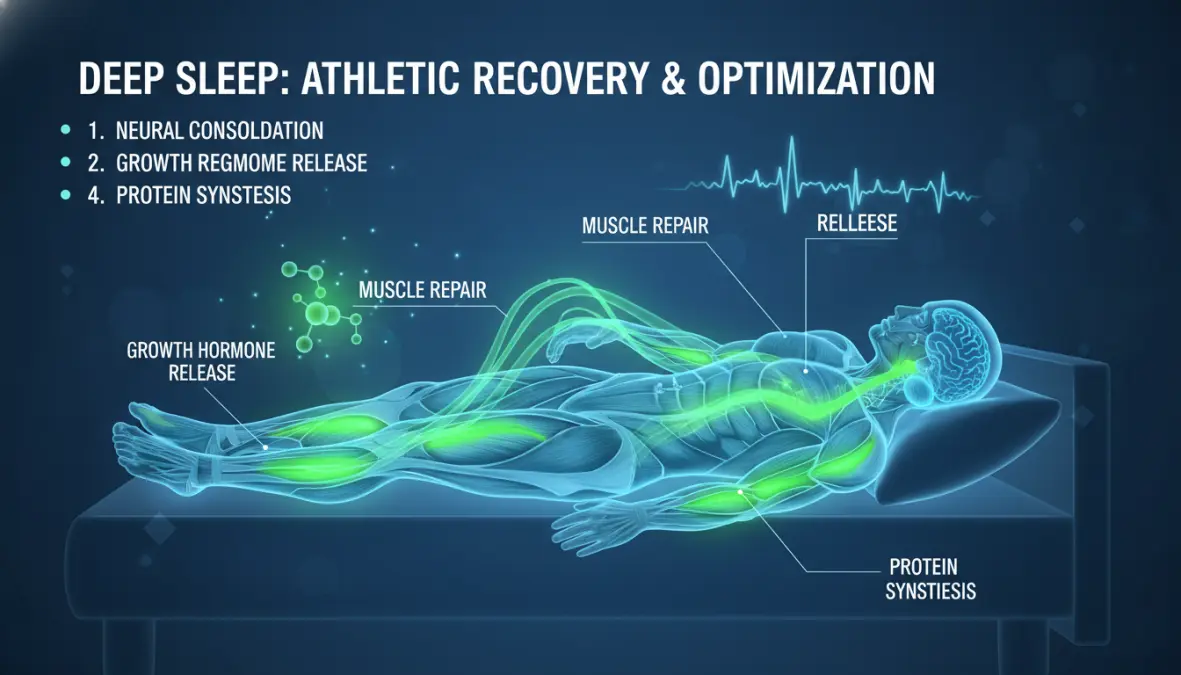
During deep sleep stages, your body releases growth hormone (GH), which drives protein synthesis and muscle recovery. This is when the microscopic tears from training get repaired and strengthened. Meanwhile, REM sleep consolidates motor learning—essentially, your brain is replaying and optimizing the movement patterns you practiced during the day. Skimp on either stage, and you’re compromising both physical adaptation and skill acquisition.
The sports performance sleep relationship extends beyond physical recovery. Sleep deprivation impairs decision-making, increases perceived exertion, and diminishes glycogen replenishment—all critical factors whether you’re navigating a technical descent or executing a game-winning play. Athletes who consistently sleep less than seven hours show higher injury rates and slower recovery between training sessions. Simply put: sleep isn’t passive recovery; it’s active performance enhancement.
Evidence-Based Sleep Optimization Strategies for Athletes
So how much sleep do athletes need for recovery? The answer is more than the average person. While eight hours is the baseline for most adults, serious athletes should aim for 8-10 hours nightly, with some endurance athletes requiring even more during heavy training blocks. This extended duration supports the heightened demands of metabolic restoration and tissue repair.
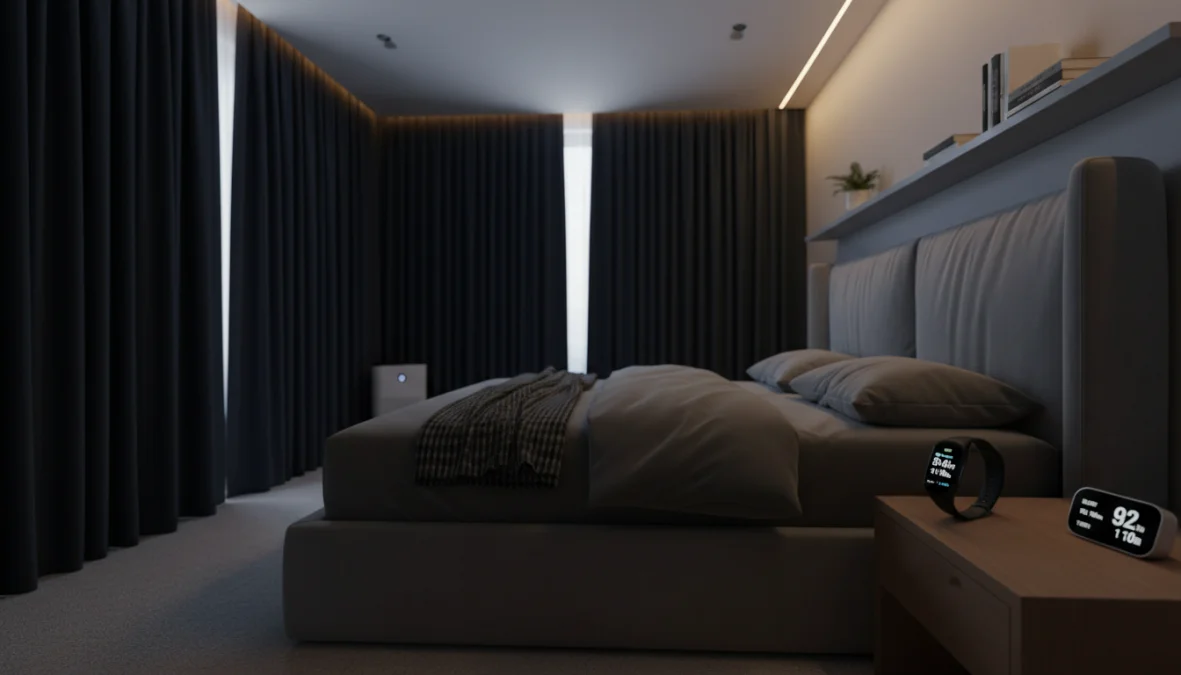
Sleep hygiene for athletes goes beyond basic recommendations. Temperature management is crucial—keeping your bedroom between 60-67°F (15-19°C) promotes optimal sleep architecture by supporting natural thermoregulation. Your core body temperature needs to drop for quality sleep, which is why hot showers 60-90 minutes before bed can actually help: the subsequent cooling triggers drowsiness.
Developing a consistent pre-sleep routine signals your circadian rhythm that it’s time to wind down. This might include dimming lights, avoiding screens (blue light suppresses melatonin), and incorporating relaxation techniques like breathing exercises or light stretching. If you’re interested in maximizing recovery through complementary practices, check out our guide on mobility training for athletes.
Nutrition timing matters significantly for sleep quality. Avoid large meals within three hours of bedtime, but don’t go to bed hungry either—a small protein-rich snack can support overnight muscle protein synthesis. Speaking of nutrition, our recovery nutrition guide explains optimal post-workout timing to support both adaptation and sleep.
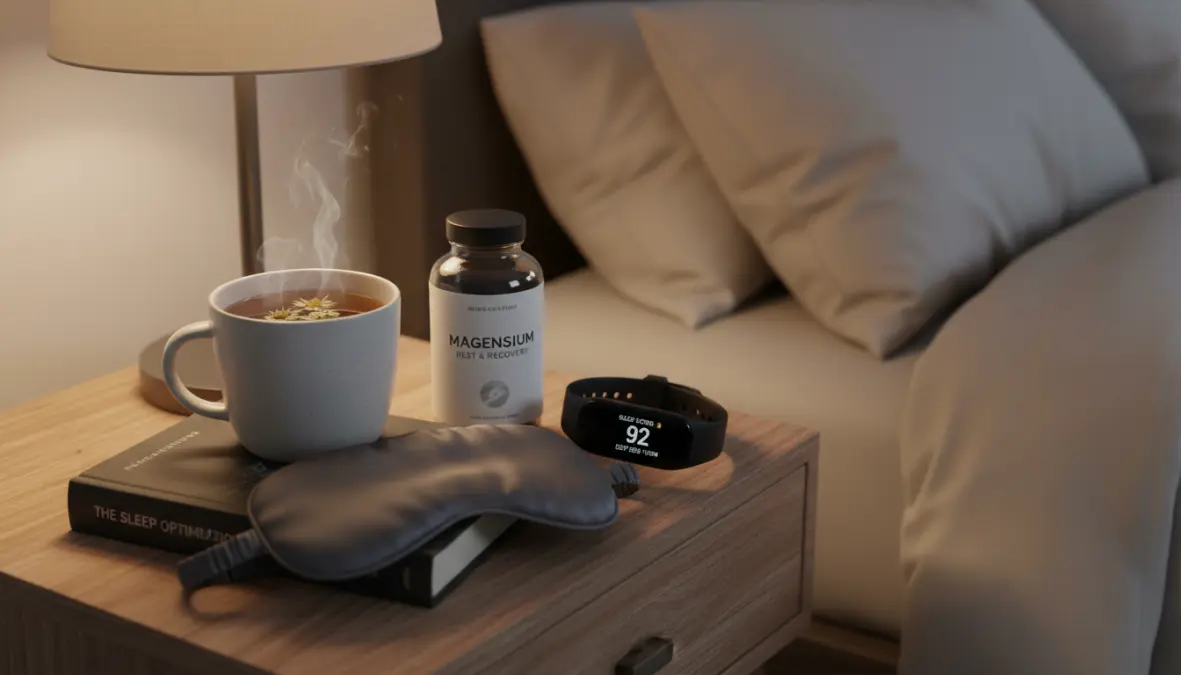
Caffeine has a half-life of 5-6 hours, meaning afternoon coffee can still disrupt sleep onset. Set a caffeine cutoff time (typically 2 PM for most athletes). Conversely, certain supplements may enhance athlete sleep quality: magnesium glycinate (300-400mg) supports muscle relaxation and GABA activity, while low-dose melatonin (0.5-3mg) can help reset circadian rhythms, particularly useful for jet lag during competitions.
Strategic napping deserves special mention in sleep training optimization. A 20-30 minute power nap (avoiding deep sleep stages) can boost alertness and motor performance without interfering with nighttime sleep. For athletes training twice daily, a 90-minute nap between sessions allows a full sleep cycle, including REM, which can partially compensate for restricted nighttime sleep—though it never fully replaces it.
Technology can support your efforts. Fitness trackers for multi-sport athletes now include sophisticated sleep tracking, monitoring sleep stages, heart rate variability, and respiratory rate to assess rest and recovery quality. This data helps identify patterns and optimize your sleep schedule based on training load.
Sleep Recovery Protocols for Training and Competition Phases
Your sleep recovery athletes strategy shouldn’t be static—it needs to adapt to your training periodization. During high-volume training blocks, extending sleep duration by 30-60 minutes supports the increased recovery demands. This is when recovery sleep strategies become non-negotiable; cutting sleep during intense training is like skipping meals and expecting gains.
The best sleep schedule for athletic performance varies by sport type. Endurance athletes experiencing elevated cortisol from long training sessions may benefit from slightly earlier bedtimes to capture more deep sleep in the first half of the night. Strength athletes might prioritize consistent schedules that maximize overnight growth hormone pulses, which peak during deep sleep.
During tapering phases before major competitions, some athletes experience difficulty sleeping due to reduced training load and increased nervous energy. Maintaining consistent wake times, incorporating light activity (like mobility work), and practicing relaxation techniques like those in mental training for athletes can help preserve sleep quality when it matters most.
Post-competition recovery protocols should prioritize sleep extension. After depleting events like marathons or tournaments, elite athletes often sleep 1-2 hours longer for several nights, allowing accelerated tissue repair and immune system recovery. This is also when monitoring metrics like VO2 max and lactate threshold through proper testing can help gauge when you’ve fully recovered.
Travel across time zones demands specific elite athlete sleep strategies. When traveling east (harder to adjust), gradually advance your sleep schedule by 30-60 minutes daily in the days before departure. Upon arrival, immediate exposure to morning light helps reset your circadian rhythm. Strategic caffeine use and melatonin supplementation can accelerate adaptation, critical for maintaining performance during international competitions.
FAQ: Sleep Optimization for Athletes
How many hours of sleep do athletes need?
Athletes require 8-10 hours of sleep per night—significantly more than the general population’s 7-9 hours. During particularly intense training blocks or after competitions, some athletes may need even more to support adequate muscle recovery and metabolic restoration. Individual needs vary based on training volume, sport type, and recovery capacity.
Does sleep improve athletic recovery?
Absolutely. Sleep is when the majority of physical recovery occurs. Deep sleep stages trigger growth hormone release, driving protein synthesis and tissue repair. Sleep also replenishes glycogen stores, reduces inflammation, and supports immune function—all critical for bouncing back from training stress and preventing overtraining syndrome.
What is the best sleep schedule for athletes?
The optimal schedule maintains consistency: going to bed and waking at the same times daily, even on weekends. Most athletes benefit from sleeping between 10 PM-6 AM or 11 PM-7 AM, aligning with natural circadian rhythms. The key is capturing sufficient deep sleep in the first half of the night and REM sleep in the latter portion, which requires adequate total duration.
Can naps replace nighttime sleep for athletes?
While strategic napping supports athletic performance sleep, naps cannot fully replace nighttime sleep. Nighttime sleep provides the consolidated, uninterrupted sleep architecture necessary for complete recovery. However, a 90-minute nap can provide one complete sleep cycle, offering partial recovery benefits during demanding training periods or when nighttime sleep is restricted.
How does poor sleep affect sports performance?
Sleep deprivation significantly impairs reaction time, accuracy, endurance capacity, and strength. It also increases perceived exertion (workouts feel harder), impairs decision-making, elevates injury risk, and slows recovery between sessions. Even modest sleep restriction—just 1-2 hours less than needed—accumulates as sleep debt, progressively degrading performance over time.
Optimizing sleep isn’t glamorous, but it’s arguably the highest-ROI investment you can make in your athletic performance. While the latest training gadget or supplement might offer marginal gains, getting consistent, high-quality sleep delivers massive returns across every performance metric. Treat your sleep with the same seriousness you bring to training, nutrition, and competition prep—because champions are built as much in bed as they are on the field, track, or court.