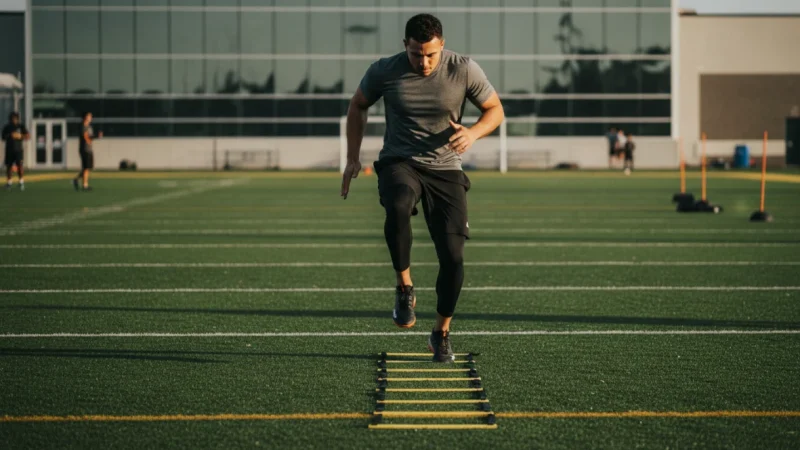
Injury Prevention Exercises for Runners: Bulletproof Your Body

You’re crushing your runs, logging miles, feeling unstoppable… until that nagging pain in your knee starts whispering warnings. Sound familiar? Here’s the reality: running alone doesn’t make you bulletproof. In fact, without a solid foundation of injury prevention exercises runners should be doing religiously, you’re essentially playing Russian roulette with your body. The good news? You don’t need fancy equipment or hours at the gym to build a resilient running machine. Let’s dive into the essential exercises and strategies that’ll keep you on the road and out of the physical therapist’s office.
Why Runners Need a Strategic Injury Prevention Plan
Let’s talk numbers: studies show that roughly 80% of runners experience at least one injury per year. That’s not a typo—four out of five runners will deal with something that sidelines them. The most common culprits? Shin splints, runner’s knee (patellofemoral pain syndrome), IT band syndrome, plantar fasciitis, and achilles tendinitis. These aren’t just random acts of bad luck; they’re usually the result of muscle imbalances, poor biomechanics, and weak stabilizer muscles.
Here’s the thing about running injury prevention: running itself is a repetitive, single-plane movement. You’re basically doing the same motion thousands of times per run, which is fantastic for cardiovascular fitness but terrible for building the supportive strength your body needs. Your stabilizer muscles—those smaller muscles around your hips, core, and ankles—don’t get adequately challenged by running alone. This creates a recipe for compensation patterns and eventual breakdown. Prevention absolutely beats cure when it comes to runner injury prevention. Taking 30 minutes a few times per week to bulletproof your body is way more appealing than sitting out for weeks (or months) nursing an injury.
If you’re already dealing with knee issues, check out our comprehensive guide on knee pain in runners and cyclists for specific treatment protocols.

The Essential Injury Prevention Exercises Runners Can’t Skip
This is where the magic happens. These injury prevention exercises runners should incorporate aren’t optional extras—they’re fundamental to longevity in the sport. Let’s break down the three critical categories of strength training for runners.
Strength Training Essentials
Your hips and glutes are the powerhouse of running efficiency. Weak glutes lead to knee valgus (that inward collapse), IT band issues, and poor hip stability. Here are the non-negotiables:
- Single-Leg Deadlifts: Targets glutes, hamstrings, and hip stabilizers while challenging your balance. Stand on one leg, hinge at the hip, and reach toward the ground while extending your free leg behind you.
- Bulgarian Split Squats: One of the best strength exercises to prevent running injuries. Elevate your back foot on a bench and perform a single-leg squat. This crushes your quads, glutes, and addresses muscle imbalances between legs.
- Clamshells: Lie on your side with knees bent, feet together. Open your top knee while keeping feet touching. This activates your gluteus medius, crucial for hip stability.
- Hip Bridges: Classic glute activation exercise. Lie on your back, feet flat, and lift your hips toward the ceiling. Progress to single-leg versions for extra challenge.
Core Stability Work
A strong core isn’t about six-pack abs—it’s about preventing energy leaks and maintaining proper form when fatigue sets in. Core strengthening prevents the compensatory movements that lead to injury:
- Plank Variations: Standard planks, side planks, and plank with leg lifts. Aim for quality over duration—30 seconds with perfect form beats two minutes of sagging.
- Dead Bugs: Lie on your back, arms extended toward ceiling, knees at 90 degrees. Slowly extend opposite arm and leg while keeping your lower back pressed to the floor. This teaches proper core bracing.
- Bird Dogs: On hands and knees, extend opposite arm and leg. Hold for 5 seconds. This builds anti-rotation strength and spinal stability.
Ankle and Foot Strengthening
Your feet are your foundation. Weak ankles and feet increase your risk of achilles tendinitis and plantar fasciitis. These exercises to prevent shin splints in runners are game-changers:
- Calf Raises: Both straight-leg (gastrocnemius) and bent-knee (soleus) versions. Perform on a step for full range of motion and improved ankle stability.
- Toe Yoga: Lift your big toe while keeping the others down, then reverse. This improves foot intrinsic muscle strength and proprioception.
- Ankle Circles: Simple but effective for mobility and stability. Draw circles with your toes in both directions.
For frequency, aim for 2-3 sessions per week of this injury prevention workout routine for runners. Start with bodyweight and progress by adding resistance, increasing reps, or advancing to single-leg variations. Consistency trumps intensity here. To complement this work with additional mobility training, you’ll address both strength and flexibility simultaneously.

Pre-Run Warm-Up: Dynamic Exercises That Prime Your Body
Let’s clear up a common confusion: pre-run exercises should be dynamic, not static. Static stretching (holding stretches for 30+ seconds) actually decreases muscle power output and can increase injury risk when done before running. Save that for after your run. Instead, your running warm up exercises should activate muscles, increase range of motion, and wake up your nervous system.
Here’s your 5-7 minute pre-run routine that represents some of the best injury prevention exercises for distance runners:
- Leg Swings (Forward/Back): 10 per leg. Hold a wall for balance and swing your leg forward and back, gradually increasing range.
- Lateral Leg Swings: 10 per leg. Swing your leg side to side across your body. This preps your hip abductors and adductors.
- Walking Lunges: 10 per leg. Step forward into a lunge, focusing on an upright torso and knee tracking over toes.
- High Knees: 20 total. Drive your knees up toward your chest while maintaining good posture. This activates hip flexors and warms up your cardiovascular system.
- Butt Kicks: 20 total. Kick your heels toward your glutes. Activates hamstrings and improves leg turnover mechanics.
- A-Skips: 20 total. A more technical drill that improves coordination and proper running mechanics.
- Ankle Bounces: 20 total. Quick, stiff-legged bounces that activate your calves and prep your achilles.
This sequence progressively increases your heart rate, activates the specific muscles you’ll use during your run, and improves your biomechanics from the first step. Think of it as telling your body, “Hey, we’re about to run—get everything ready.” If you’re training for longer distances, these pre-hab exercises for marathon runners become even more critical as fatigue accumulates over training cycles.

FAQ: Running Injury Prevention
How often should runners do strength training?
Aim for 2-3 sessions per week on non-consecutive days. You don’t need to spend hours; 20-30 minutes of focused exercises for runners targeting hips, core, and ankles is sufficient. Schedule these after easy runs or on rest days to avoid compromising harder training sessions.
Can you prevent all running injuries with exercises?
Not entirely, but you can dramatically reduce your risk. Proper training load management, adequate recovery, appropriate footwear, and nutrition all play roles. However, consistent strength work addresses the most common cause of running injuries: muscle imbalances and weak stabilizers. If you’re concerned about overtraining symptoms, read our guide on recognizing and recovering from overtraining.
Should I stretch before or after running?
Dynamic movements before, static stretching after. Your dynamic warm up for injury prevention running should include movements that take joints through their full range of motion. Save the static holds for post-run when muscles are warm and you’re focusing on flexibility and recovery.
What’s the most important muscle group for runners to strengthen?
If forced to choose one, it’s the glutes and hip stabilizers. These muscles control your pelvis and knee alignment during the single-leg stance phase of running. Weak glutes are implicated in nearly every common running injury. They’re essential for understanding how to prevent knee injuries when running.
How long does it take to see injury prevention benefits?
You’ll notice improved stability and strength within 3-4 weeks of consistent work, but building truly resilient tissues takes 8-12 weeks. The key is consistency—sporadic strength sessions won’t cut it. Make these exercises as non-negotiable as your runs themselves. Proper recovery nutrition also supports tissue adaptation and repair.
The bottom line? You can’t out-run a weak foundation. These injury prevention exercises runners should prioritize aren’t glamorous, and they won’t show up on your Strava feed, but they’re the difference between running for decades versus being sidelined repeatedly. Invest 30 minutes a few times per week, stay consistent with your mobility work, and your future running self will thank you. Now get out there and build that bulletproof body.