Outdoor Workout Ideas for Spring and Summer: Take Your Training Outside
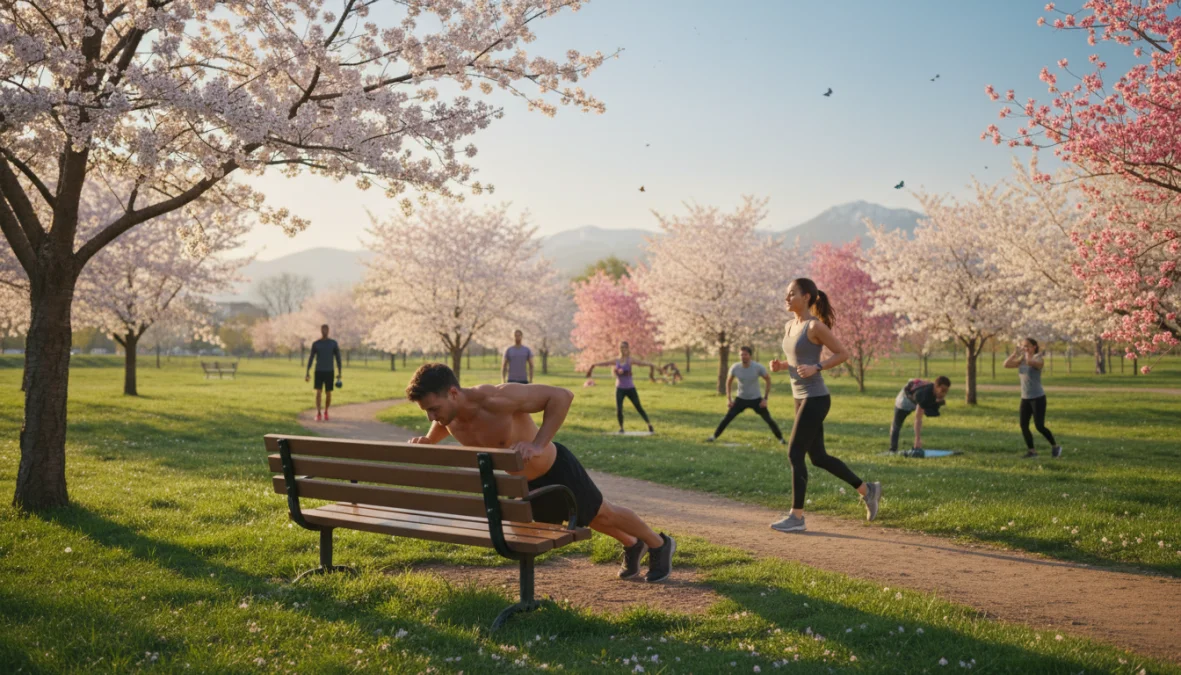
When the weather warms up and the sun starts shining longer, there’s no better time to ditch the stuffy gym and embrace the great outdoors for your fitness routine. Whether you’re a seasoned athlete or just starting your fitness journey, taking your training outside during spring and summer offers incredible benefits that go far beyond just getting in shape. From breathing in fresh air to soaking up natural vitamin D, outdoor workout ideas can transform not only your body but also your mindset and motivation. Let’s explore how you can make the most of the beautiful weather while crushing your fitness goals.
Why Take Your Workouts Outside This Spring and Summer
There’s solid science behind why fresh air workouts feel so much better than indoor training. First, exercising outdoors exposes you to natural sunlight, which triggers vitamin D production in your body—essential for bone health, immune function, and mood regulation. Studies show that people who engage in outdoor fitness routines report higher levels of energy, improved mental clarity, and reduced stress compared to those who stick to indoor gyms.
Beyond the vitamin D exercise benefits, outdoor training provides endless variety. Unlike the repetitive environment of a gym, nature offers changing terrain, fresh scenery, and natural obstacles that challenge your body in new ways. This variety not only prevents boredom but also engages different muscle groups and improves functional fitness. Plus, the psychological boost of being surrounded by greenery—what researchers call “green exercise”—can significantly enhance your motivation and make workouts feel less like a chore.
The adaptability of outdoor training tips for spring and summer means you can adjust your routine based on weather, location, and available time. No gym membership? No problem. Parks, trails, beaches, and even your backyard become your personal training ground. If you’re transitioning from indoor workouts, check out this guide on functional training versus traditional gym workouts to understand how outdoor exercise can complement your fitness goals.
Effective Outdoor Workout Ideas for Every Fitness Level
Ready to get started? Here are some of the best outdoor workout ideas for beginners and experienced fitness enthusiasts alike. These spring workout ideas and summer exercise outdoors options require little to no equipment and can be adapted to any fitness level.
Cardio-Based Outdoor Workouts
Outdoor cardio exercises are perfect for building endurance, burning calories, and enjoying the scenery. Here are some effective options:
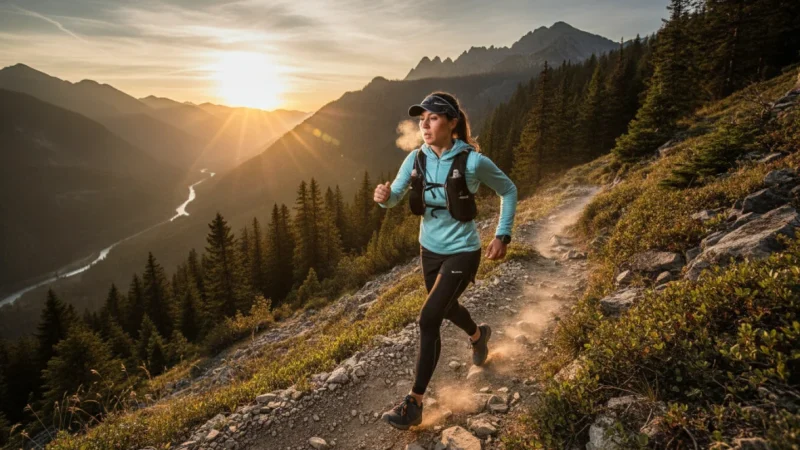
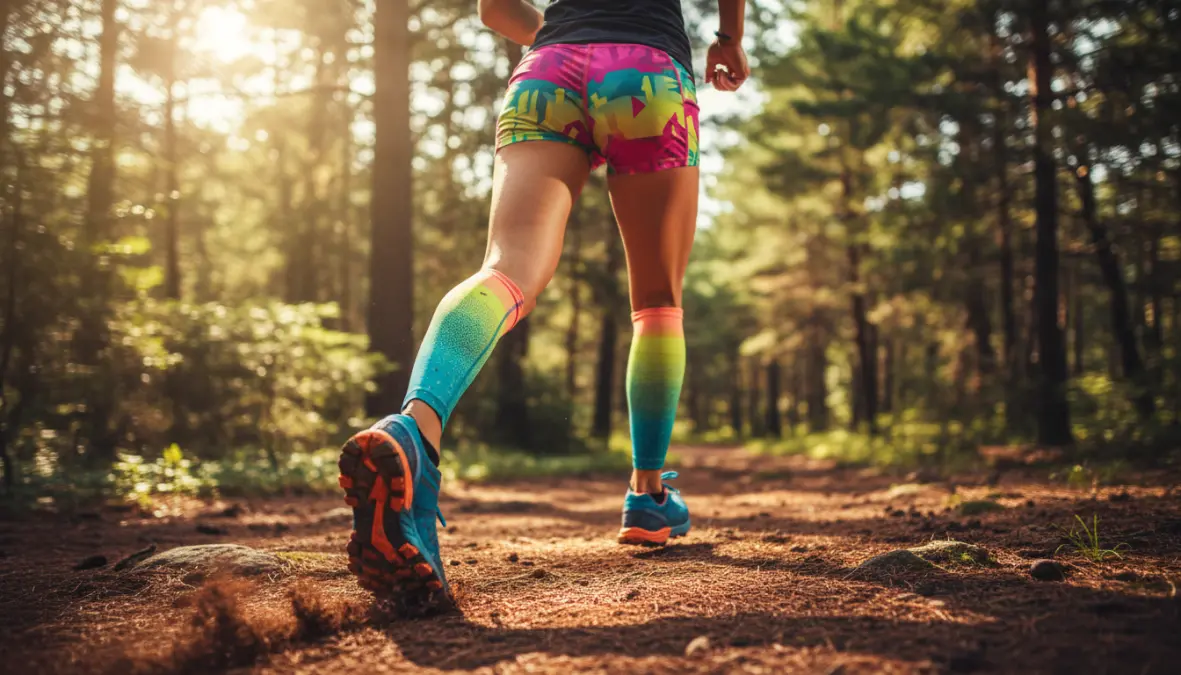
- Trail Running: Unlike treadmill running, trail running challenges your balance and engages stabilizer muscles as you navigate uneven terrain. Start with beginner-friendly trails and gradually progress to more technical paths.
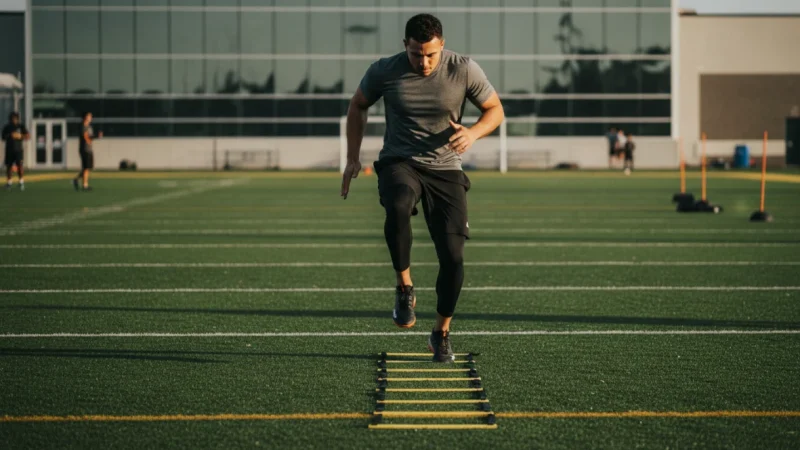
- Interval Sprints: Find a park or open field and incorporate sprint intervals—30 seconds of maximum effort followed by 90 seconds of walking recovery. This creates an effective outdoor HIIT workout routine that torches calories in minimal time.
- Stair Climbing: Look for outdoor stairs in parks, stadiums, or hillside neighborhoods. Climbing stairs builds leg strength while providing serious cardiovascular benefits.
- Beach Sprints: If you’re near the coast, running on sand provides extra resistance, making your muscles work harder while being gentler on joints.
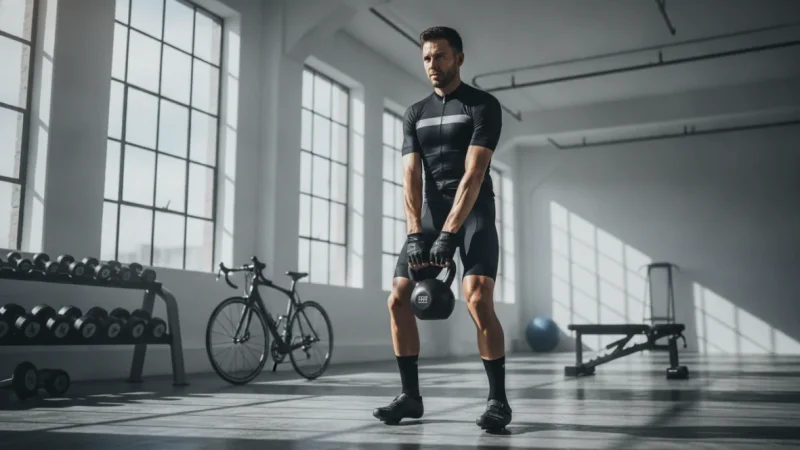
- Cycling Adventures: Spring and summer are ideal for outdoor cycling. For those new to outdoor riding, this complete guide to transitioning from indoor to outdoor cycling offers valuable insights.
- Hiking Intervals: Turn a regular hike into a workout by incorporating faster-paced intervals or finding trails with elevation changes that challenge your cardiovascular system.
Bodyweight and Strength Training Outdoors
Bodyweight outdoor training proves you don’t need fancy equipment to build strength. Park workout routines utilize your environment creatively:
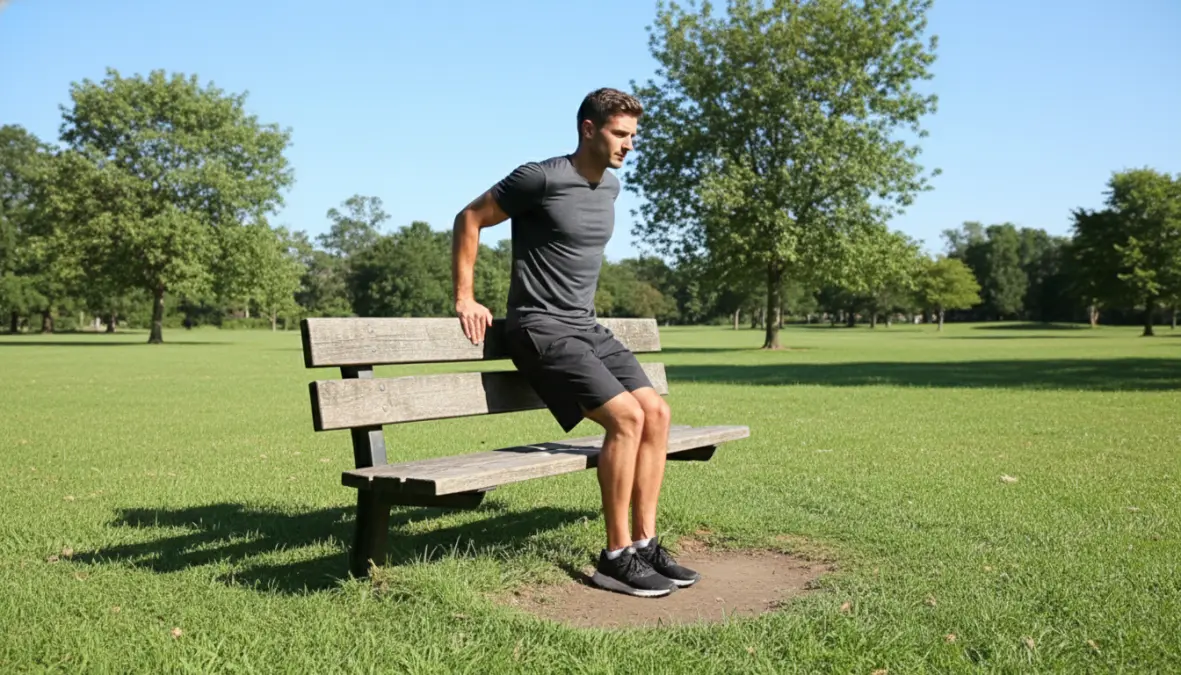
- Park Bench Circuit: Park bench workout exercises include step-ups, tricep dips, incline push-ups, and decline push-ups. Complete 3-4 rounds of 12-15 reps each for a full upper and lower body burn.
- Pull-Up Bar Variations: Most parks have playground equipment or pull-up bars. Use them for pull-ups, chin-ups, hanging leg raises, and flexed-arm hangs to build serious upper body and core strength.
- Outdoor Boot Camp Circuit: An outdoor boot camp style workout might include: 20 jump squats, 15 push-ups, 30-second plank, 20 walking lunges, 15 burpees, and 30 mountain climbers. Rest 60 seconds and repeat 3-5 times.
- Tree-Assisted Exercises: Use trees for single-leg squats (holding the trunk for balance), incline push-ups against the trunk, or as anchor points for resistance band work.
- Functional Fitness Movements: Functional fitness outdoors includes exercises like farmer’s carries (using water jugs or rocks), box jumps on sturdy benches, and bear crawls across grass.
These outdoor exercises without equipment demonstrate that nature-based exercise can be just as effective as any gym session. For more structured programming, consider combining these with principles from spring training guides that focus on building base fitness.
Essential Tips for Safe and Effective Outdoor Training
While sunshine workouts are incredibly rewarding, smart outdoor training tips ensure you stay safe and maximize results. Here’s what you need to know for successful summer exercise outdoors:
Timing matters: When creating outdoor workout routines for spring weather, early morning or evening sessions work best during hot months. Avoid midday heat when temperatures peak, especially when planning outdoor workout ideas for hot weather.
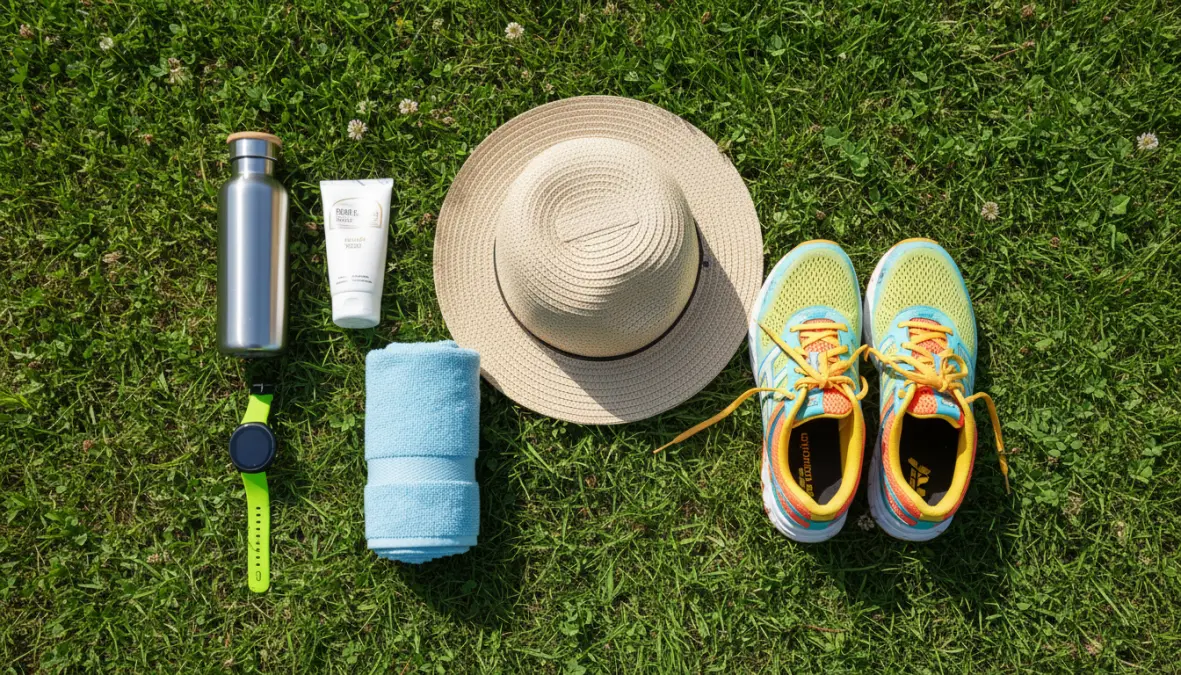
Hydration is critical: Bring water for any workout lasting over 30 minutes. Outdoor exercise increases fluid loss through sweat, so drink before, during, and after your session. Proper pre-workout nutrition and post-workout recovery support your outdoor training efforts.
Sun protection: Apply broad-spectrum SPF 30+ sunscreen 20 minutes before exercising, and reapply if you’re out longer than 80 minutes or sweating heavily. Wear a hat and sunglasses for additional protection.
Appropriate clothing: Choose moisture-wicking, breathable fabrics in light colors that reflect heat. Proper footwear suited to your activity—trail shoes for hiking, quality running shoes for pavement—prevents injuries.
Surface awareness: When learning how to create an outdoor workout plan, consider your training surface. Grass provides cushioning but can be uneven, pavement is consistent but harder on joints, and trails offer variety but require attention to footing.
Warm-up and cool-down: Don’t skip these crucial phases. Spend 5-10 minutes gradually increasing intensity at the start and cooling down at the end to prevent injury and reduce muscle soreness.
Listen to your body: Outdoor conditions can be more demanding than controlled indoor environments. If you experience dizziness, nausea, or excessive fatigue, stop immediately and seek shade. Understanding overtraining symptoms helps you avoid pushing too hard.
FAQ
What are the best times to workout outside in summer?
Early morning (before 10 AM) or evening (after 6 PM) are ideal for summer exercise outdoors. These times offer cooler temperatures and less intense sun exposure, making your workout more comfortable and safer. If you must exercise during midday, choose shaded areas and reduce intensity.
Do I need equipment for outdoor workouts?
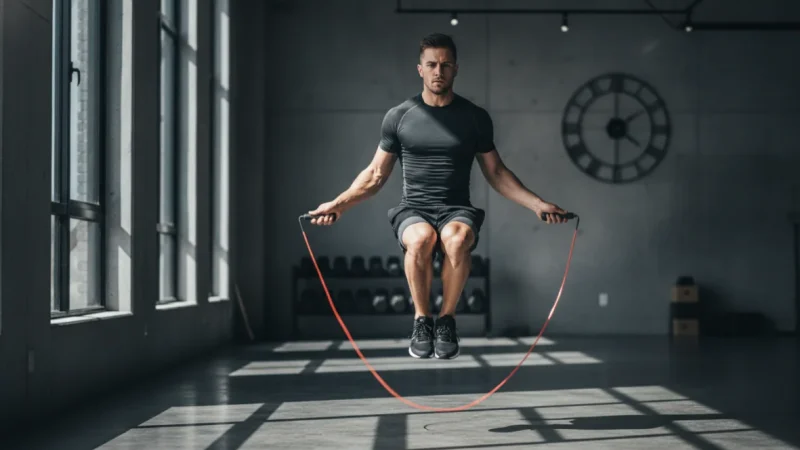
No! Many effective outdoor workout ideas use only bodyweight and natural features like benches, stairs, and playground equipment. However, portable items like resistance bands, a jump rope, or a yoga mat can add variety to your open air training sessions.
How do I stay motivated for outdoor fitness routines?
Variety is key. Rotate between different outdoor fitness routines—try trail running one day, a park circuit the next, and cycling on weekends. Training with a friend, setting specific goals, or using a fitness tracker to monitor progress also boosts motivation. Changing locations keeps things fresh and exciting.
What should I wear for spring and summer outdoor workouts?
Opt for lightweight, moisture-wicking fabrics that keep you cool and dry. Light colors reflect heat better than dark ones. Invest in quality athletic shoes appropriate for your activity, apply sunscreen, and consider a hat or visor for sun protection during your fresh air fitness sessions.
Taking your training outside this spring and summer opens up a world of fitness possibilities that go beyond what any indoor gym can offer. Whether you’re exploring new outdoor cardio exercises, mastering bodyweight outdoor training, or simply enjoying the mental health benefits of nature-based exercise, the warmer months provide the perfect opportunity to refresh your routine. Start with one or two new outdoor workout ideas this week, and you’ll quickly discover why so many people never want to go back inside. Your body, mind, and motivation will thank you for making the switch to fresh air fitness.