Cycling in the Heat: Essential Safety Tips and Performance Strategies
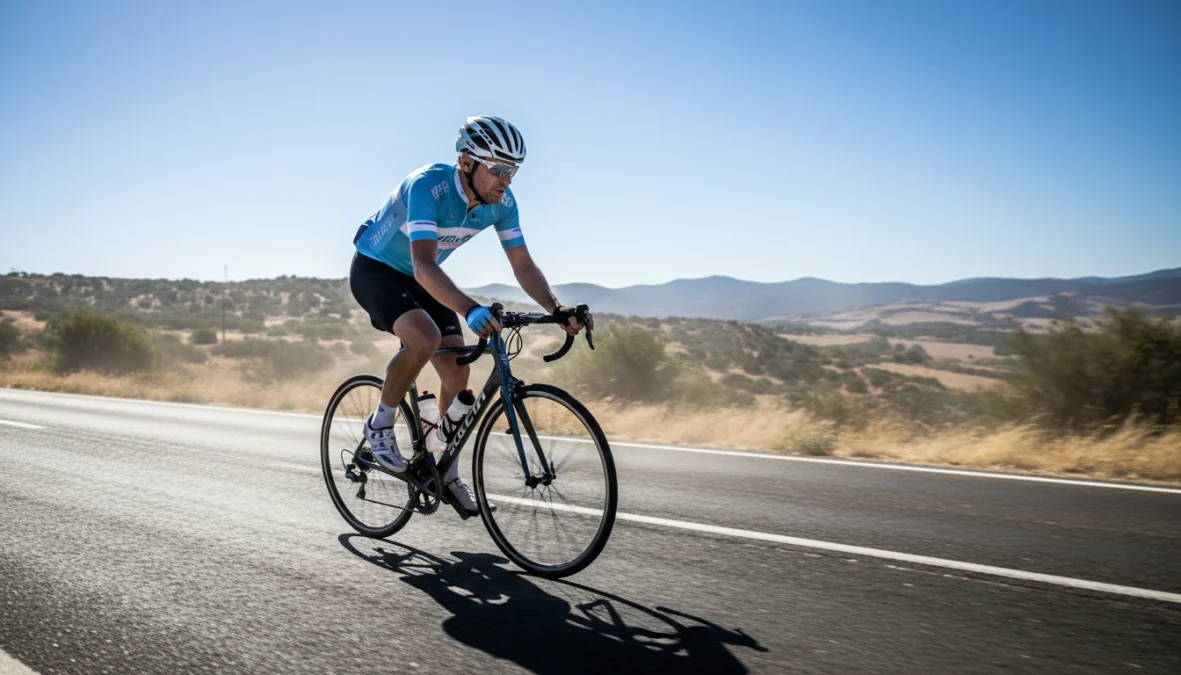
When the mercury rises and summer heat blankets the roads, cycling becomes a completely different challenge. Your usual training routes suddenly feel twice as hard, your heart rate spikes higher than normal, and that water bottle empties way faster than it should. But here’s the thing: cycling in heat doesn’t have to be dangerous or miserable if you know how to handle it properly. Whether you’re training for a race or just trying to maintain your fitness through the summer months, understanding how your body responds to high temperatures and implementing smart strategies can make all the difference between a successful ride and a potentially dangerous situation.
Understanding Heat Stress and Its Impact on Cycling Performance
When you’re cycling in high temperatures, your body faces a serious dilemma: it needs to power your muscles while simultaneously keeping your core temperature from skyrocketing. This dual demand creates what’s known as heat stress cycling, and it significantly impacts your performance in ways you might not expect.
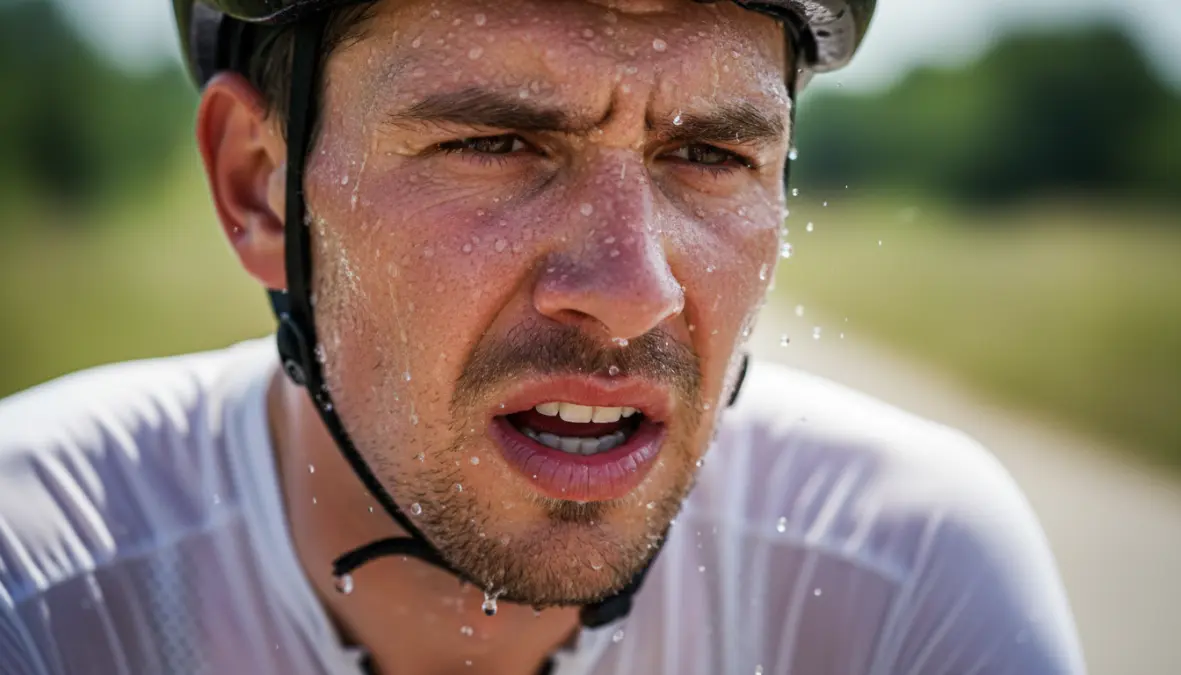
Your body’s thermal regulation system kicks into overdrive when you ride in the heat. Blood flow gets redirected from your working muscles to your skin surface to facilitate cooling through sweating. This means less oxygen-rich blood reaches your legs, forcing your heart to work harder to maintain the same power output. Studies show that cycling performance heat degradation can reach 10-15% when core body temperature exceeds normal levels, even in well-trained athletes.
Your sweat rate can increase dramatically—from around 0.5 liters per hour in moderate conditions to 2-3 liters per hour in extreme heat. This massive fluid loss, if not properly replaced, leads to dehydration that further compromises performance and safety. Watch for warning signs of heat exhaustion: excessive fatigue, dizziness, nausea, muscle cramps, and confusion. Heat stroke—a medical emergency—presents with hot, dry skin, rapid pulse, and altered mental state. If you experience these symptoms, stop immediately, seek shade, and cool down. Understanding how heat affects your body is crucial for both safety and maintaining performance during your training program.
Essential Safety Strategies for Hot Weather Cycling
Smart cycling heat safety starts long before you clip into your pedals. These practical strategies form the foundation of successful and safe hot weather cycling.
Hydration and Nutrition Protocol
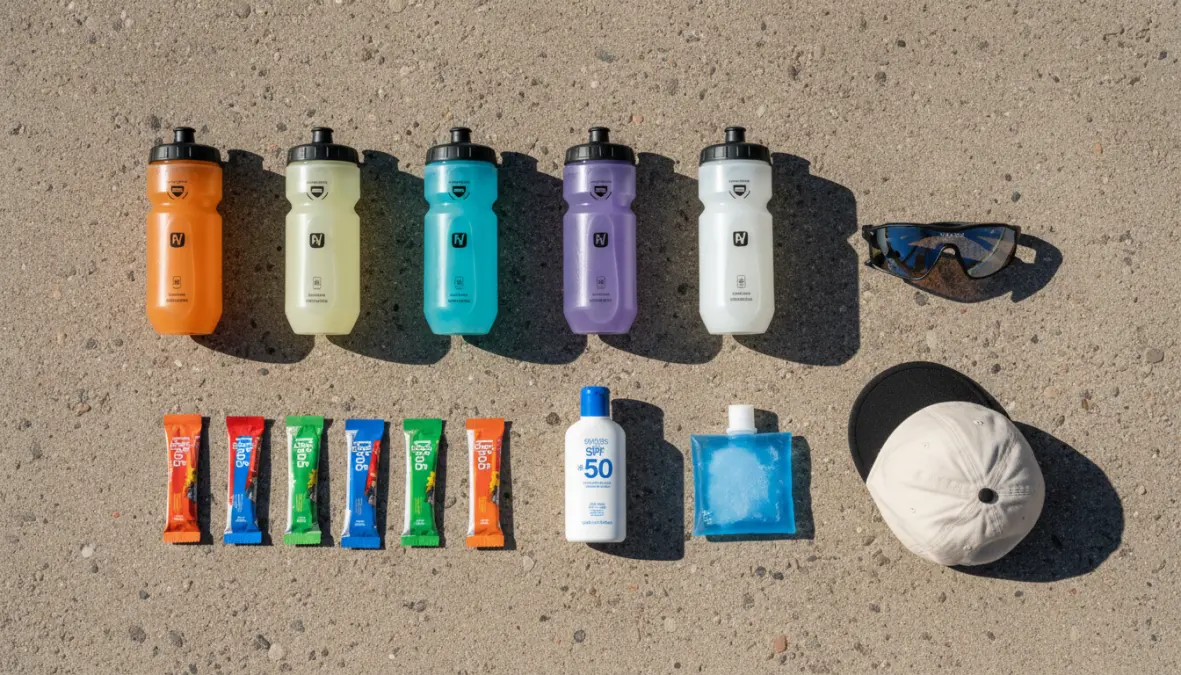
Here’s how to prevent heat exhaustion while cycling through proper hydration: start hydrating 2-3 hours before your ride by drinking 500-750ml of water. During the ride, aim for 750-1000ml per hour depending on your individual sweat rate and conditions. But water alone isn’t enough—you need electrolyte replacement to maintain proper sodium, potassium, and magnesium levels.
For rides longer than 90 minutes in hot weather, use electrolyte drinks or tabs to maintain proper mineral balance. A good rule for hydration strategies: if you’re losing more than 2% of your body weight during a ride, you’re not drinking enough. Weigh yourself before and after training rides to calculate your personal fluid needs.
Nutrition matters too. Consume easily digestible carbs—sports drinks, gels, or energy chews—to fuel your efforts without overtaxing your digestive system, which is already competing for blood flow. Check out proper carbohydrate timing strategies and pre-workout nutrition guidelines to optimize your fueling approach.
Timing, Clothing, and Sun Protection
The best time to cycle in hot weather is early morning (before 9 AM) or evening (after 6 PM) when temperatures are lowest and UV exposure is reduced. If you must ride midday, plan routes with maximum shade coverage and include stops near water fountains or stores where you can refill bottles and cool down.
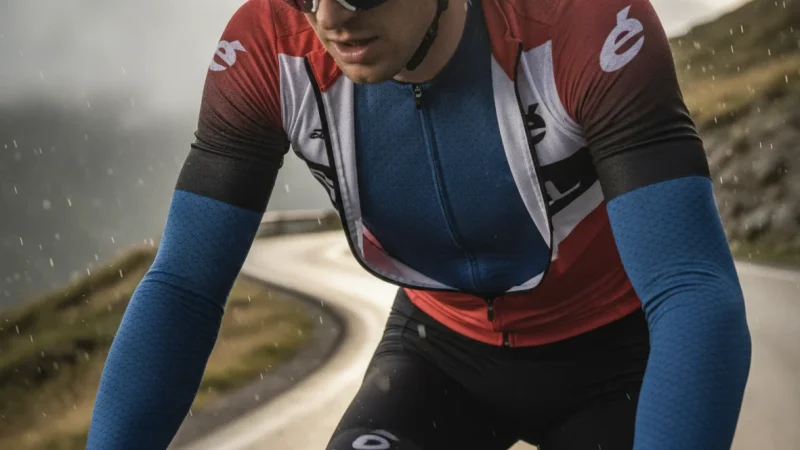
For what to wear cycling in hot weather, choose light-colored, moisture-wicking fabrics that enhance evaporative cooling. Mesh panels in jerseys significantly improve airflow. Don’t skip the sunscreen—apply SPF 30+ liberally to all exposed skin, reapplying every two hours. UV-blocking sunglasses protect your eyes and reduce squinting fatigue, while a lightweight cycling cap under your helmet adds another layer of sun protection. These summer cycling tips become non-negotiable when temperatures climb above 85°F (29°C).
Performance Optimization and Heat Acclimatization
If you’re serious about hot weather training, understanding heat acclimatization is essential. Your body can adapt to perform better in heat, but it requires a systematic approach over 10-14 days. During this period, gradually increase your exposure to hot conditions, starting with shorter, easier rides and progressively building duration and intensity.
The physiological adaptations are impressive: your core body temperature threshold increases, you start sweating earlier and more efficiently, your blood plasma volume expands (improving cardiovascular function), and your body becomes more efficient at conserving electrolytes. But you need to train in the heat to gain these benefits—indoor training in air conditioning won’t cut it.
During the acclimatization phase and throughout cycling in heat conditions, adjust your expectations. Reduce your target power or speed by 10-20% compared to cooler conditions. Use Rate of Perceived Exertion (RPE) alongside power meters or heart rate monitors, as traditional metrics become less reliable in heat. Your heart rate will run 10-15 beats higher for the same effort level, which is completely normal.
Pre-cooling strategies can enhance performance: drink cold fluids, wear an ice vest for 20-30 minutes before hard efforts, or apply cold towels to your neck and wrists. During rides, pour water over your head, neck, and torso—evaporative cooling works wonders. Some cyclists freeze water bottles overnight and use them for cooling as well as hydration. When adapting your cadence and intensity training, remember that heat adds significant stress, so volume and intensity should never both be high simultaneously during hot weather periods. Check out comprehensive hydration strategies for endurance athletes to maximize your heat adaptation.
FAQ: Common Questions About Cycling in Heat
What temperature is too hot for cycling?
There’s no universal cutoff, but most experts suggest extreme caution above 95°F (35°C), especially with high humidity. When the heat index exceeds 105°F (40°C), consider indoor training or rest days. Individual tolerance varies based on acclimatization and fitness level.
How much water should I drink while cycling in heat?
Aim for 750-1000ml per hour as a baseline, adjusting based on your sweat rate, intensity, and conditions. Tips for cycling in 90 degree weather include drinking before you feel thirsty and monitoring urine color—pale yellow indicates good hydration.
Can you build heat tolerance for cycling?
Absolutely. Heat acclimatization takes 10-14 days of consistent exposure to hot conditions. Train during warmer parts of the day, gradually increasing duration and intensity. You’ll notice improved comfort and performance as adaptations occur.
What are the warning signs I should stop cycling?
Stop immediately if you experience dizziness, nausea, confusion, cessation of sweating despite heat, muscle cramps, rapid heartbeat with weakness, or severe headache. These indicate heat exhaustion or potential heat stroke—seek shade and medical attention.
How does humidity affect cycling performance?
High humidity dramatically reduces your body’s ability to cool through sweat evaporation. A 90°F day with 70% humidity feels much worse than 95°F at 30% humidity. Check heat index values, not just temperature, when planning rides.
Mastering cycling in heat isn’t just about surviving summer—it’s about thriving in challenging conditions while keeping yourself safe. By respecting the heat, implementing proper hydration and nutrition protocols, timing your rides strategically, and allowing your body to acclimatize, you can maintain your fitness and even gain a competitive edge. Remember, every rider responds differently to heat stress, so listen to your body, adjust your expectations, and never hesitate to cut a ride short if conditions become dangerous. Stay cool out there!