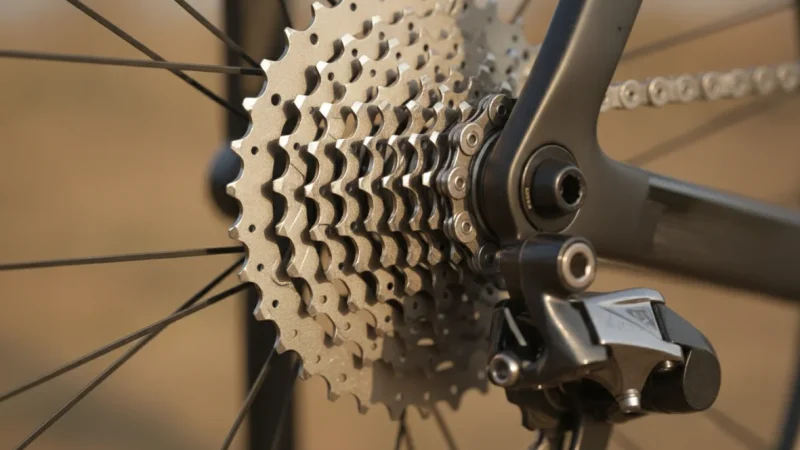
Cycling Cadence Training: How to Find Your Optimal Pedaling Rate
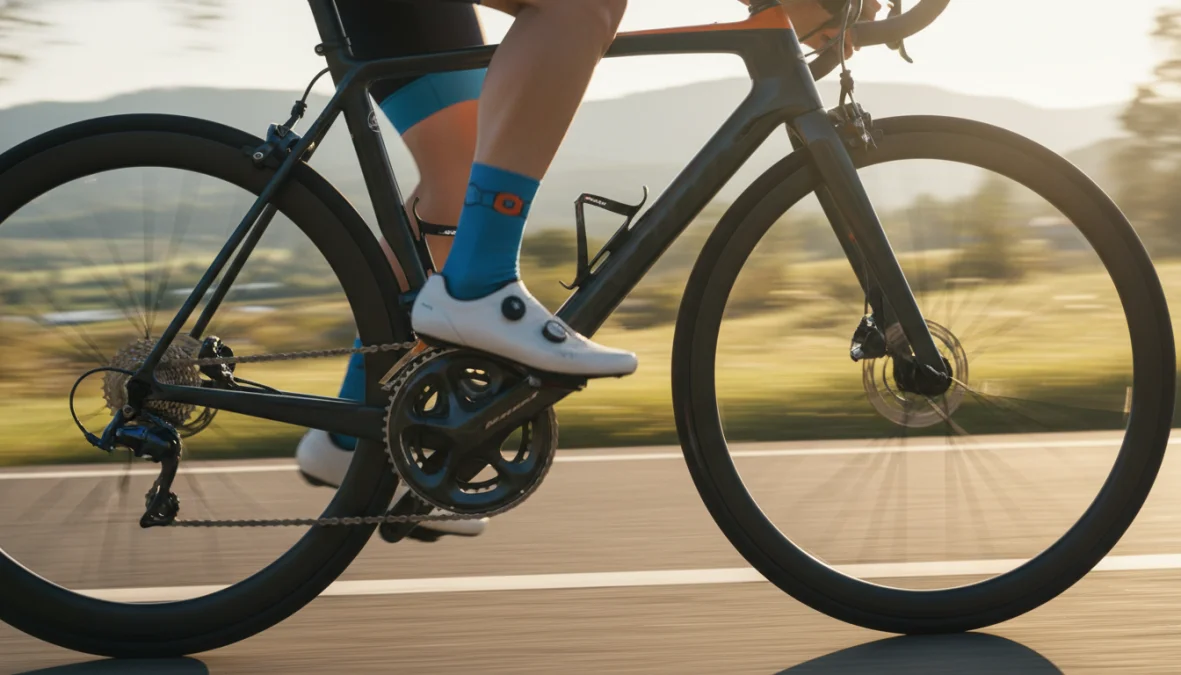
Ever feel like you’re grinding away on your bike, legs burning after just a few miles? Or maybe you’re spinning so fast it feels like you’re pedaling through air without actually going anywhere? The secret to unlocking better cycling performance might not be more hours in the saddle or a lighter bike—it could be finding your sweet spot with cycling cadence training. Let’s dive into how tweaking your pedaling rate can transform your riding efficiency and make every ride feel smoother and stronger.
Understanding Cycling Cadence and Why It Matters
So what exactly is cycling cadence? Simply put, it’s the number of revolutions per minute (rpm) your pedals make while you’re riding. Your cycling rpm is one of those metrics that might seem technical, but it’s actually pretty straightforward—and incredibly important for your overall cycling efficiency.
Most recreational cyclists naturally gravitate toward a cadence between 60-80 rpm, while professional riders typically spin at 80-100 rpm or even higher. Why the difference? It comes down to optimal cadence cycling strategy and how your body distributes effort. Here’s the thing: you can produce the same power output with different combinations of force and cadence, but the physiological cost varies dramatically.
When you push a bigger gear at low cadence, you’re putting more stress on your muscles and joints—think heavy lifting at the gym. This creates more muscle fatigue and can lead to knee problems over time. On the flip side, a higher cadence shifts the workload more toward your cardiovascular system and aerobic capacity. Your heart and lungs work harder, but your muscles stay fresher longer. This is why many coaches recommend finding that sweet spot where you’re not grinding gears but also not spinning out of control. Getting your cycling cadence training right means you’ll ride longer, recover faster, and maintain consistent power without burning out your legs.
How to Determine Your Optimal Cadence
Here’s the truth bomb: there’s no magic number that works for everyone. Your optimal cadence cycling depends on your fitness level, riding style, the terrain you’re tackling, and your specific goals. A sprinter’s ideal rpm looks totally different from an ultra-endurance rider’s preferred spin rate.
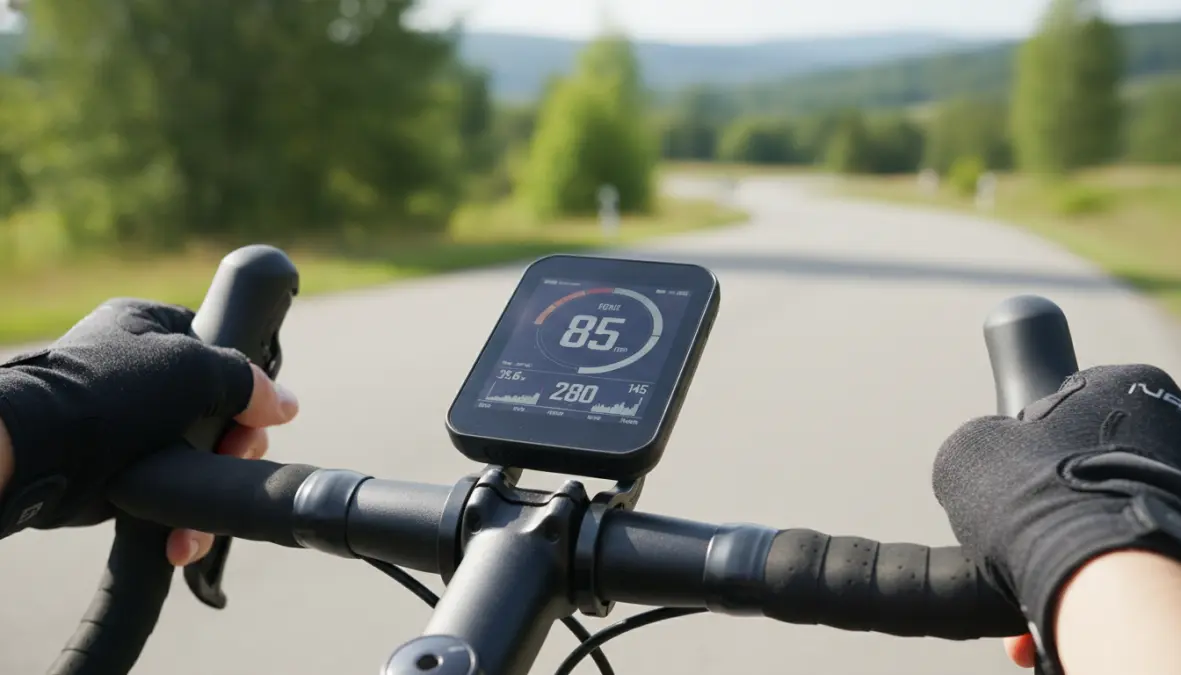
So how to find your optimal cycling cadence? Start with field testing. Go out for a ride and experiment with different cadence zones cycling. Try holding 70 rpm for 10 minutes, then 80 rpm, then 90 rpm, all at the same moderate effort level. Pay attention to how your legs feel, monitor your heart rate, and note which feels most sustainable. Most modern bike computer metrics make tracking this super easy.
If you have a power meter, this becomes even more precise. Look at your power and cadence cycling data together. You might discover that at 85 rpm, you can maintain 200 watts with a heart rate of 150 bpm, but at 70 rpm, the same power pushes your heart rate to 160 bpm—that’s a clear sign the higher cadence is more efficient for you.
Think of cadence zones like training zones. For recovery rides, you might spin at 85-95 rpm with minimal resistance. During endurance rides, settle into your comfortable 80-90 rpm range. When you’re doing tempo or threshold work, your cadence might naturally drop to 75-85 rpm as you push harder gears. And yes, terrain matters—best cadence for climbing hills cycling often sits lower (70-80 rpm) because the steep gradient naturally slows your spin, though some climbers maintain their flat-ground cadence even uphill.
The key to pedaling rate training is listening to your body while using data as a guide. What feels smooth and sustainable? Where can you maintain power without your heart rate spiking or your quads screaming? That’s your personal goldilocks zone, and it might shift as your fitness improves.
Effective Cadence Drills to Improve Your Pedaling
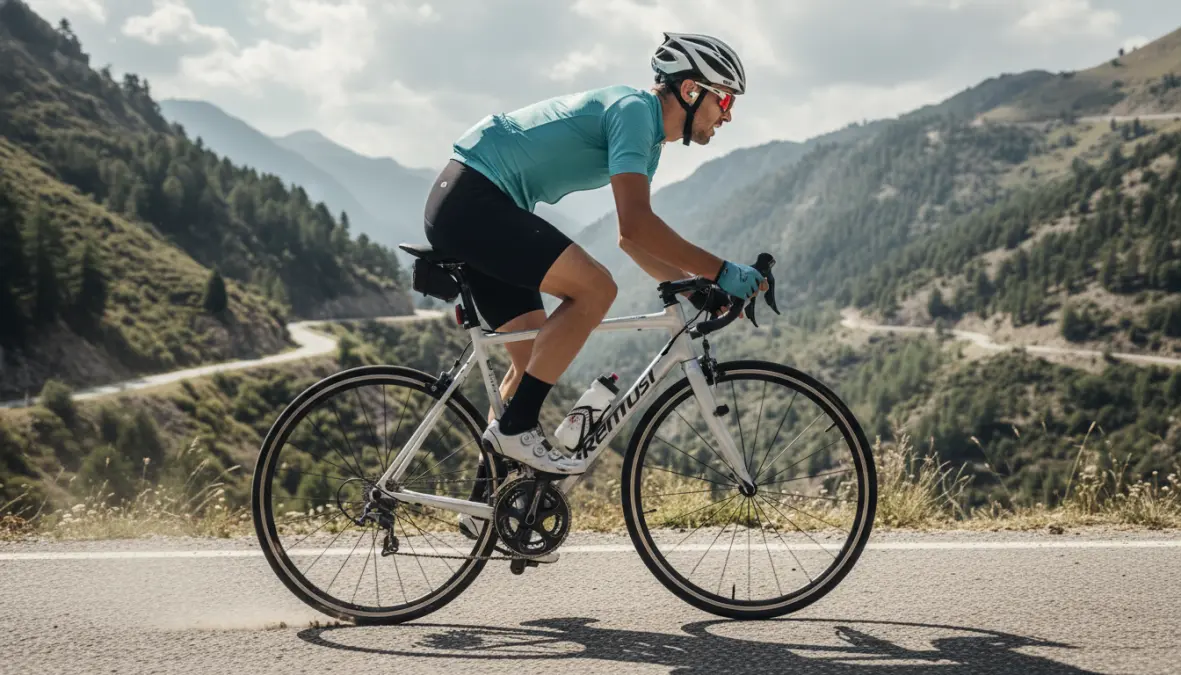
Ready to actually improve cycling cadence and develop better pedaling efficiency? These cadence drills for cyclists will help you become more versatile and comfortable across different rpm ranges. Think of them as strength and flexibility training for your pedal stroke.
Spin-ups (High Cadence Intervals): These are fantastic for developing neuromuscular coordination. On a flat road or slight downhill, gradually increase your cadence from your comfortable baseline to 110-120 rpm over 30 seconds, hold for 30 seconds, then ease back down. Your hips shouldn’t bounce in the saddle—that’s the sign you’ve gone too far. Do 5-8 repeats once or twice weekly. This drill directly answers how to improve pedaling efficiency by teaching your legs to spin smoothly at high speeds.
Low Cadence Strength Work: Find a moderate hill or use a bigger gear on flat terrain. Hold 50-60 rpm while maintaining steady power for 3-5 minutes. This builds muscular endurance and teaches you to push through resistance efficiently. It’s essential practice for when you encounter steep climbs or headwinds. Rest 3-5 minutes between efforts and do 3-4 repeats. This is key for understanding low cadence vs high cadence training benefits.
Single-Leg Drills: On a trainer or quiet road, unclip one foot and pedal with just one leg for 30-60 seconds. This exposes weak spots in your pedal stroke and forces you to pull up through the backstroke, not just push down. Alternate legs for 4-6 rounds. Your power output will improve dramatically once both legs work efficiently through the entire revolution.
Cadence Pyramids: Start at 70 rpm for 2 minutes, then 80 rpm for 2 minutes, 90 rpm for 2 minutes, 100 rpm for 2 minutes, then back down. Keep your power steady throughout. This teaches your body to maintain consistent output regardless of cadence—crucial for real-world riding where terrain constantly changes.
For a complete cycling cadence training plan for beginners, incorporate these drills once or twice weekly into your regular rides. Don’t make every ride a cadence workout—your body needs time to adapt. The best approach for cycling cadence for endurance rides is to stay in your comfortable zone (usually 80-90 rpm) and reserve specific drills for structured training days.
FAQ
What is the best cadence for climbing?
Most cyclists naturally settle into 70-80 rpm on climbs, though stronger riders might maintain 80-85 rpm. The steeper the grade, the more your cadence will drop. Focus on maintaining a rhythm that keeps your legs from burning out while not spiking your heart rate too high.
Should I use different cadences for different types of rides?
Absolutely. Recovery rides benefit from higher cadence (90-95 rpm) with easy gearing, while tempo efforts might see you at 80-85 rpm pushing harder gears. Sprint work often happens at 100+ rpm. Versatility is key to becoming a well-rounded cyclist.
How long does it take to adapt to a new cadence?
Expect 4-6 weeks of consistent practice before a new cadence feels natural. Your neuromuscular system needs time to develop new patterns. Be patient and don’t force dramatic changes overnight.
Does cadence matter more than power?
They’re partners, not competitors. Power tells you how much work you’re doing; cadence tells you how you’re distributing that work. Optimal performance comes from the right combination for your physiology and the situation.
Can cadence training prevent knee pain?
Often, yes. Higher cadences reduce the force applied per pedal stroke, which means less stress on knee joints. If you’re experiencing knee issues, trying a slightly higher cadence (5-10 rpm more) with easier gearing often helps significantly.
Finding your optimal pedaling rate isn’t about copying the pros or hitting some arbitrary number—it’s about discovering what makes your riding more efficient, comfortable, and powerful. Start experimenting with these drills, pay attention to how different cadences feel, and trust that your ideal rpm will reveal itself through consistent practice. Your legs (and your knees) will thank you for it. Now get out there and start spinning smarter, not just harder!