
Cycling Interval Workouts: High-Intensity Sessions to Build Speed and Power

You know that feeling when you’re riding in a group and someone attacks off the front, and you just… can’t respond? Or when you’re climbing and your legs turn to concrete halfway up? Yeah, that’s frustrating. The good news is that cycling interval workouts are your secret weapon to building the speed and power you need to stay competitive and crush your personal goals. Unlike steady-state endurance rides that build your aerobic base, high-intensity intervals push your body into uncomfortable zones where the real magic happens—faster recovery, higher power output, and explosive speed gains.
What Are Cycling Interval Workouts and Why They Work
At their core, cycling interval workouts involve alternating periods of hard effort with recovery periods. Unlike cruising at a comfortable pace for hours, interval training for cyclists deliberately pushes you into intensity zones that create specific physiological adaptations. When you hammer through a high-intensity effort, your body scrambles to deliver oxygen to working muscles, clear lactate buildup, and generate ATP for energy. Over time, these repeated stress-and-recovery cycles force your cardiovascular system, muscles, and metabolic pathways to adapt and become more efficient.
The science is compelling: high intensity cycling workouts improve your VO2 max (the maximum amount of oxygen your body can use during exercise), raise your lactate threshold (the point where lactate accumulates faster than your body can clear it), and increase your functional threshold power (FTP). Research shows that cyclists who incorporate structured intervals see speed improvements 2-3 times faster than those doing only steady-state riding. The key difference is intensity—intervals push you into zones 4-6 on the power zones scale, where steady rides typically hover in zones 2-3.
There are several types of intervals worth knowing: sprint interval cycling focuses on maximum-effort bursts of 10-60 seconds to build explosive power; threshold intervals work at your FTP for 3-20 minutes to raise your sustainable speed; and VO2 max training intervals last 2-8 minutes at near-maximal intensity to expand your aerobic ceiling. Each type targets different energy systems and delivers unique benefits, which is why the best training plans mix them strategically. If you’re building from scratch, check out our complete guide to spring cycling training to establish the foundation you need before diving into intense intervals.
Essential High-Intensity Cycling Workouts for Speed Development
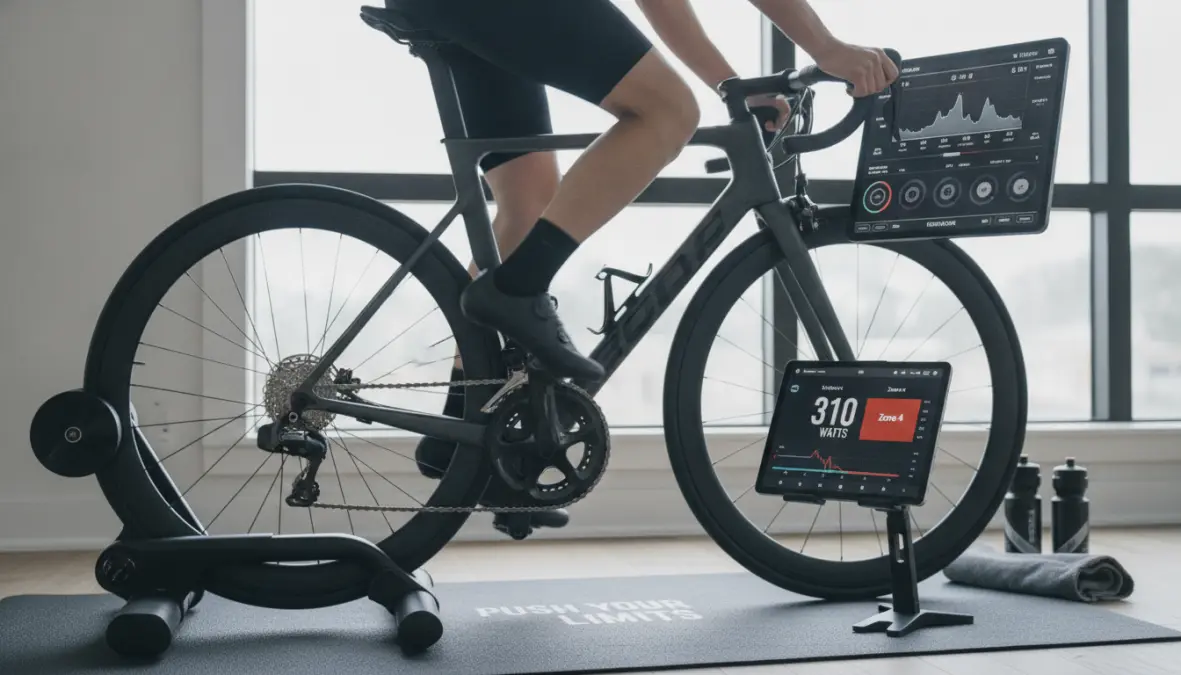
Ready to get specific? Here are proven structured cycling workouts that deliver real results. These sessions work equally well outdoors or as indoor cycling interval workouts for speed on your trainer.
Sprint Interval Sessions
30/30s: After a thorough 15-minute warm-up, perform 30 seconds at maximum effort (think 150-200% of your FTP if you’re using a power meter), followed by 30 seconds of easy spinning. Repeat 10-15 times, then cool down for 10 minutes. This is one of the best interval workouts for cycling speed because it targets neuromuscular power and trains your body to recover quickly between efforts. The short recovery forces your body to clear lactate efficiently—critical for racing scenarios with repeated attacks.
Tabata 20/10: Go absolutely full gas for 20 seconds, then recover for just 10 seconds. Repeat 8 times for a total of 4 minutes of pure suffering. This HIIT cycling session is brutal but incredibly effective for building anaerobic capacity and pain tolerance. Perfect for criterium racers or anyone needing explosive speed. Start with one set and build to 2-3 sets as you adapt.
40/20 Power Bursts: Sprint hard for 40 seconds (around 120-140% FTP), recover for 20 seconds. Do 8-12 repetitions. This sweet-spot interval balances power development with just enough recovery to maintain quality throughout the set. It’s excellent for developing the sustained sprint power needed for breakaways or technical sections with repeated accelerations. For optimal results, focus on maintaining high cycling cadence even during the hard efforts—aim for 100-110 rpm to develop smooth, efficient power delivery.
Threshold and VO2max Intervals
Sweet Spot Intervals (3×10 minutes): Ride at 88-94% of your FTP threshold for 10 minutes, recover for 5 minutes at easy pace, repeat three times. These intervals sit just below your lactate threshold, allowing you to accumulate significant training stress without completely destroying yourself. They’re incredibly effective for building sustainable cycling speed training and raising your FTP over time. For heart rate training enthusiasts, target 85-90% of max heart rate.
VO2max Blocks (5×5 minutes): Push to 106-120% FTP for 5 minutes, then recover for 5 minutes. Repeat 4-5 times. This workout expands your aerobic capacity and trains your body to process oxygen more efficiently at high intensities. You’ll know you’re in the right zone when breathing becomes very hard but you can just barely maintain the effort for the full 5 minutes. This is a cornerstone VO2 max training session for serious racers.
Pyramid VO2 Max: After warming up, do 2 minutes hard (110% FTP), 2 minutes easy, then 3 minutes hard, 3 minutes easy, 4 minutes hard, 4 minutes easy, then descend: 3 hard/3 easy, 2 hard/2 easy. This 30-minute structure keeps your mind engaged while accumulating quality time in zone 5. The varying interval lengths prevent mental staleness while delivering serious fitness gains. This makes an excellent 30 minute cycling interval workout (plus warm-up and cool-down) for busy schedules.

Programming Your Interval Training for Maximum Results
Here’s where many cyclists go wrong: they do intervals randomly without a strategic plan. How to do cycling interval training effectively requires thinking beyond single sessions to weekly structure and long-term periodization. A solid approach includes 2-3 interval sessions per week, never on consecutive days. Your body needs time to absorb the training stress and adapt, so schedule recovery rides or rest days between hard efforts.
For a beginner cycling interval workout plan, start with one quality session per week for 3-4 weeks, then gradually add a second. Begin with shorter intervals (think 30/30s or 2-3 minute efforts) before progressing to longer threshold work. A typical training week might include: Monday rest, Tuesday sprint intervals, Wednesday easy endurance, Thursday threshold or VO2max intervals, Friday recovery ride, Saturday long endurance ride, Sunday rest or easy spin.
Proper periodization matters enormously. During base building phases (typically winter), focus on endurance with minimal intensity. As you move into build phases, add one interval session weekly, then two. Peak phases for racing might include 2-3 quality sessions but with reduced volume. Understanding when to push and when to back off prevents the dreaded overtraining syndrome—if you’re experiencing persistent fatigue, elevated resting heart rate, or declining performance despite training, check out our guide on common overtraining symptoms.
Never skip warm-up and cool-down, especially before HIIT cycling sessions. Spend 15-20 minutes gradually increasing intensity with some cadence drills and a few short bursts to prime your neuromuscular system. After intervals, cool down for 10-15 minutes to help clear metabolic waste products. Nutrition matters too—proper fueling supports intense training and recovery, so consider strategies like carb cycling to optimize your energy availability around hard sessions.
Recovery isn’t just about physical adaptation—the mental training component of pushing through discomfort during intervals builds the psychological resilience that separates good cyclists from great ones. Those final reps when everything hurts? That’s where you build mental toughness alongside physical power.
FAQ
How often should I do interval workouts?
For most cyclists, 2-3 interval sessions per week is optimal. More than that increases injury and overtraining risk, while less won’t provide sufficient stimulus for adaptation. Beginners should start with 1-2 sessions weekly and build gradually. Always allow at least 48 hours between high-intensity sessions for proper recovery.
What’s the difference between HIIT and sprint intervals?
HIIT (High-Intensity Interval Training) is an umbrella term covering any workout with hard efforts followed by recovery intervals. Sprint intervals specifically refer to very short (10-60 second), maximum-effort bursts focusing on anaerobic power. HIIT sessions can include sprints, but also longer VO2max or threshold intervals. Both are valuable but target different energy systems.
Do I need a power meter for interval training?
Not essential, but incredibly helpful. Power meters provide objective, real-time intensity feedback that heart rate can’t match (HR lags behind effort and varies with fatigue, heat, and stress). Without power, you can use perceived exertion or heart rate zones, but pacing becomes trickier. For structured training, power is the gold standard, though many cyclists make excellent progress using RPE (rate of perceived exertion) scales.
How long before I see speed improvements?
Most cyclists notice measurable improvements within 4-6 weeks of consistent interval training. Early gains come from neuromuscular adaptations and improved economy. More significant physiological changes (increased VO2max, raised FTP) typically appear after 8-12 weeks. Remember that adaptation isn’t linear—progress comes in waves with proper periodization.
Can beginners do high-intensity cycling workouts?
Yes, but with caution. If you’re new to cycling, spend 6-8 weeks building an aerobic base with steady endurance rides before adding intervals. Start with shorter, less intense sessions (like 1-minute efforts at moderate intensity) and progress gradually. The cycling interval training for weight loss crowd often jumps straight into HIIT, but building foundation fitness first prevents injury and burnout while delivering better long-term results.
Whether you’re training for cycling interval workouts for race training or simply want to ride faster on your local loops, intervals are non-negotiable for speed development. The key is smart progression, adequate recovery, and consistent execution. Start with one of the sessions above, track your progress, and watch your power numbers climb. Your group ride attackers won’t know what hit them.