Best Cycling Sunglasses: UV Protection and Performance Features Explained
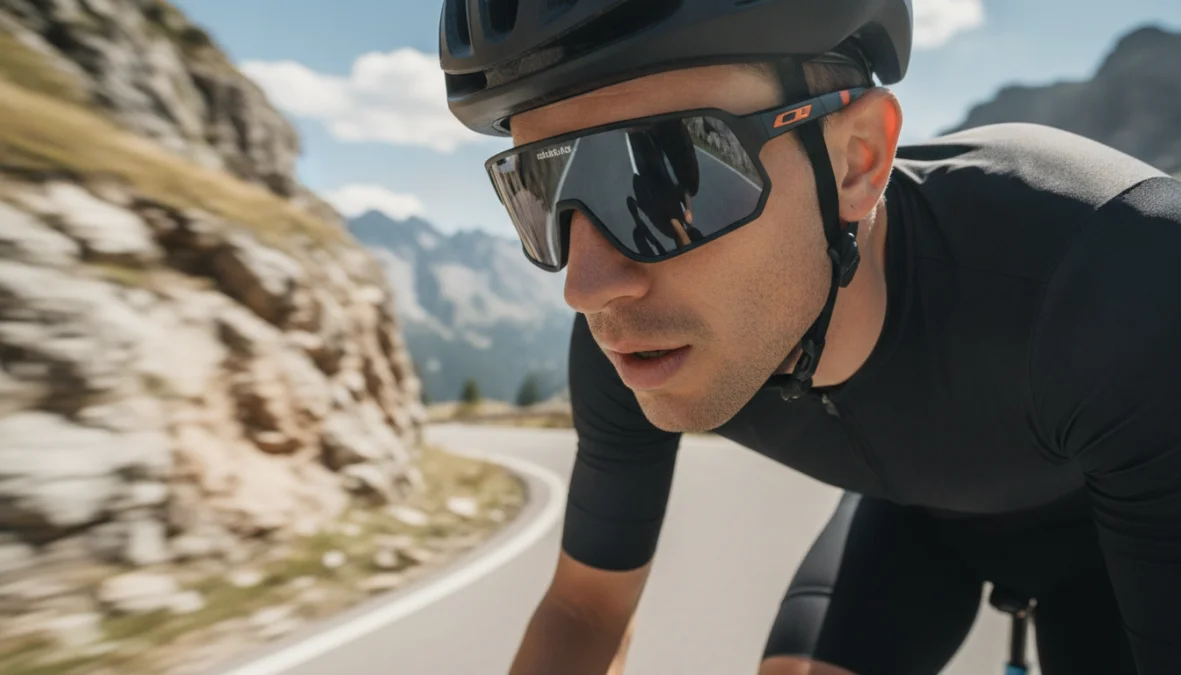
Every cyclist knows that moment when the sun hits your eyes at just the wrong angle, forcing you to squint through a challenging descent or technical section. Beyond the immediate discomfort, you’re exposing your eyes to harmful UV radiation that accumulates over thousands of miles in the saddle. That’s why investing in the best cycling sunglasses isn’t just about looking pro—it’s about protecting your vision and maximizing your performance on every ride.
Why UV Protection and Performance Matter in Cycling Sunglasses
When you’re out on the bike, your eyes face relentless exposure to ultraviolet radiation. Unlike casual outdoor activities, cycling sunglasses UV protection becomes critical because of several unique factors. At higher altitudes during climbs, UV intensity increases by about 10% for every 1,000 meters of elevation. Road surfaces reflect up to 10% of UV rays back toward your face, while water and snow can reflect even more—creating a double-dose effect that standard sunglasses might not adequately address.
The health risks are serious. Prolonged UV exposure without proper sports sunglasses for cycling contributes to cataracts, photokeratitis (essentially sunburn of the cornea), and even macular degeneration over time. But beyond health concerns, performance features directly impact your riding. Quality cycling eyewear reduces eye fatigue during long training rides, improves visibility in varying light conditions, and protects against wind, dust, and debris that can cause dangerous distractions at speed. The right pair of glasses can genuinely make you a safer, more efficient cyclist.
Essential Features to Look for in the Best Cycling Sunglasses
When shopping for performance cycling eyewear, understanding the critical cycling eyewear features helps you separate marketing hype from genuinely useful technology. The best options combine multiple elements that work together to enhance your riding experience.
Lens Technology: Polarized vs Photochromic vs Standard
Cycling glasses lens technology has evolved significantly, offering cyclists several options depending on their specific needs. Polarized cycling glasses use a special filter that blocks horizontally-reflected glare—incredibly helpful when riding near water or on wet roads. However, they can sometimes make it harder to read digital cycling computers or phone screens, and they may reduce your ability to see ice patches on the road. For road cyclists dealing with consistent glare, they’re often the best polarized sunglasses for road cycling, but mountain bikers might find them less essential.
Photochromic cycling sunglasses automatically adjust their tint based on UV exposure, darkening in bright sunlight and lightening in shade or clouds. This adaptive technology makes them incredibly versatile for rides with changing conditions—think early morning starts that transition into bright midday sun, or routes that alternate between shaded forest and open fields. They eliminate the need to swap lenses mid-ride, though they don’t work well inside cars or through windshields since glass blocks the UV that triggers the change.
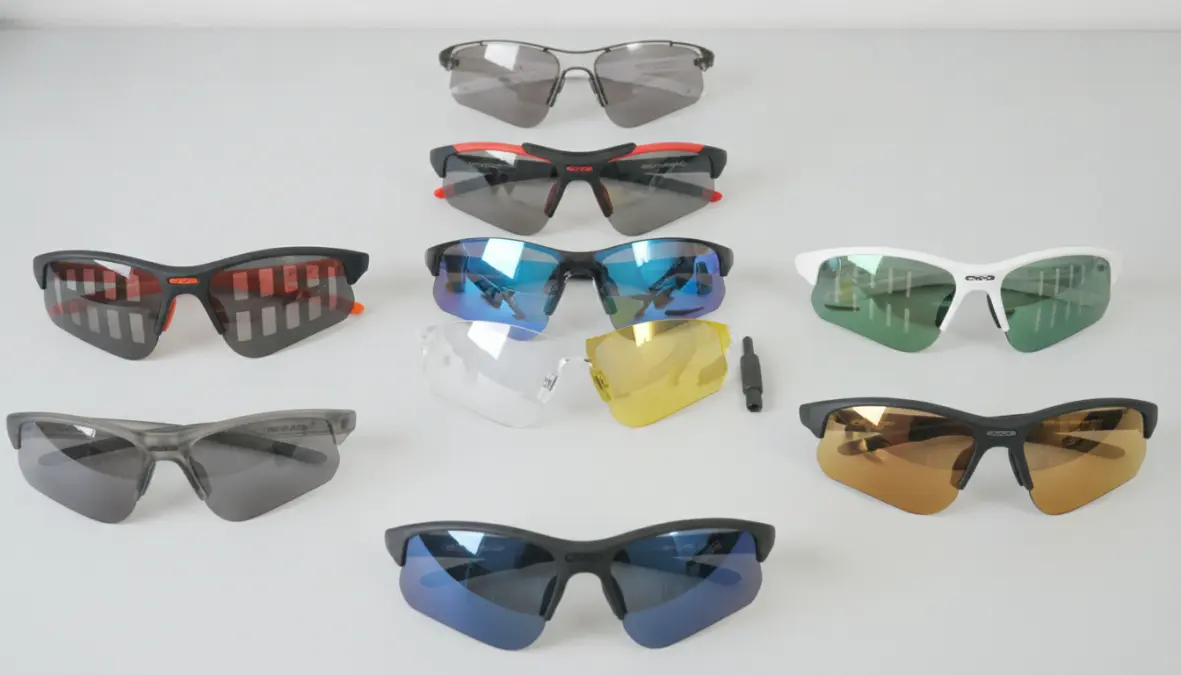
Standard tinted lenses offer consistent lens tint options optimized for specific conditions. Amber and rose tints enhance contrast on overcast days, while darker gray or brown tints work best for cycling sunglasses for bright sunlight. Many cyclists opt for cycling sunglasses with interchangeable lenses to customize their setup for different weather conditions.
Frame Design and Fit Considerations
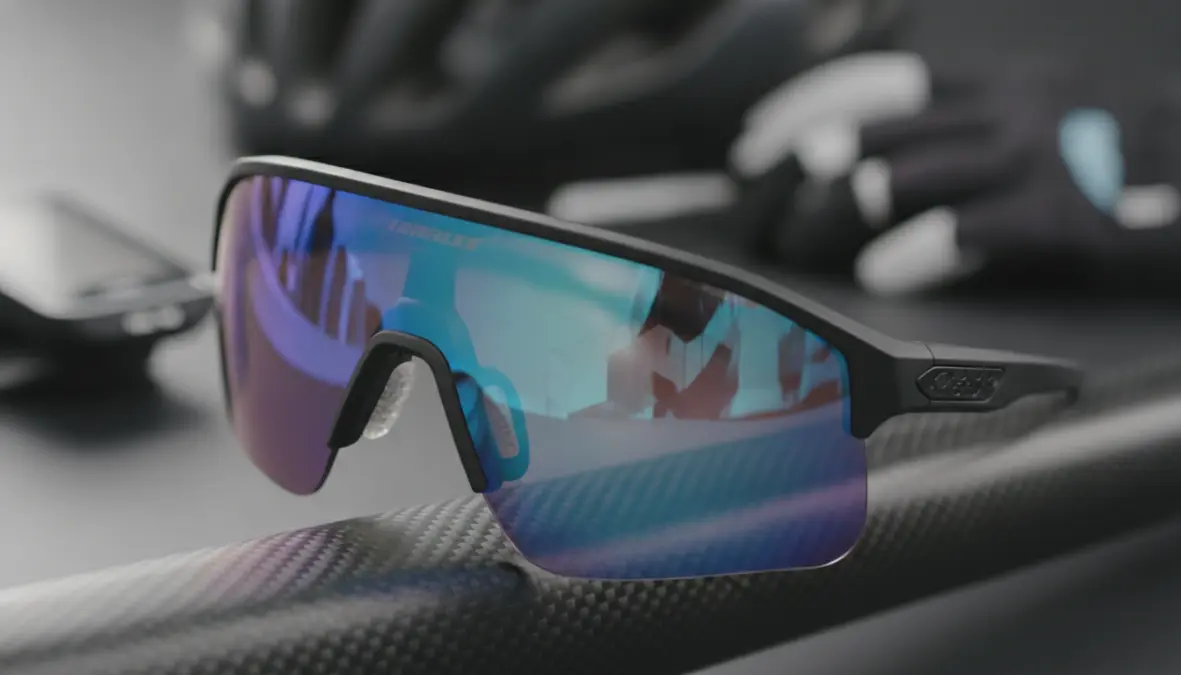
Frame construction directly impacts comfort and functionality. The best cycling sunglasses typically feature a wraparound design that provides peripheral protection from wind and debris while maximizing your field of vision. A proper ventilation system prevents fogging during hard efforts, especially important when climbing or during hot weather riding.
Nose pads comfort becomes crucial on rides lasting several hours. Adjustable rubber or hydrophilic nose pads prevent slipping when you sweat while distributing pressure evenly. Temple tips should grip securely without creating pressure points, and the entire frame must sit compatibly with your helmet straps.
Look for lightweight cycling sunglasses for long rides constructed from modern materials like Grilamid TR90, which offers excellent impact resistance and frame durability without unnecessary weight. Key features include:
- Weight under 30 grams for all-day comfort
- Adjustable temple and nose pieces for custom fit
- Full UV400 protection blocking 100% of UVA and UVB rays
- Scratch-resistant and hydrophobic lens coatings
- Wide field of vision without frame interference
- Secure fit that stays put during rough terrain or sprints
How to Choose the Best Cycling Sunglasses for Your Riding Style
When considering how to choose cycling sunglasses, your primary riding discipline should guide your decision. Road cyclists benefit most from aerodynamic profiles, excellent optical clarity, and lightweight construction that won’t cause fatigue during centuries. Features like anti-reflective coating on the inner lens surface reduce distracting bounced light, while streamlined designs complement your position on the bike.
Mountain bikers need maximum coverage and robust impact resistance to handle flying rocks, branches, and crashes. The wraparound design becomes even more critical when you’re riding technical terrain at varied speeds. Consider options with shatterproof lenses and reinforced frames.
Gravel and adventure riders face the most variable conditions, making photochromic lenses or interchangeable lens systems particularly valuable. You might start before dawn, climb into bright alpine conditions, then descend through shaded forests—all in one ride. Versatility trumps specialization here.
Budget considerations matter, but don’t compromise on UV400 protection regardless of price point. Entry-level options ($30-60) can provide adequate sun protection and basic features, though they typically use lower-quality lens materials that may distort vision or scratch easily. Mid-range glasses ($60-150) often deliver excellent value with quality optics, durable frames, and useful features like cycling glasses with anti-fog coating. Premium options ($150+) justify their cost through superior optical clarity, advanced sports optics technology, lighter weight, and better durability—worthwhile investments if you log serious miles or compete.
Just as you might invest in quality gear for performance optimization, your eyes deserve equipment that enhances rather than hinders your cycling experience.
FAQ
What level of UV protection do I need for cycling?
Always choose sunglasses with UV400 protection, which blocks 100% of UVA and UVB rays up to 400 nanometers. This is the gold standard for eye safety during outdoor sports. Cheaper sunglasses might darken your vision without providing adequate UV blocking, which can actually be worse than no sunglasses since your pupils dilate in the darkness, allowing more harmful rays to enter.
Are polarized lenses good for cycling?
Polarized lenses excel at reducing glare from reflective surfaces like wet roads or water, making them excellent for road cycling in bright conditions. However, they can make it difficult to see LCD displays on cycling computers and may reduce your ability to spot ice patches. They’re generally the best cycling sunglasses for UV protection combined with glare reduction, but may not suit mountain biking where reading terrain texture is critical.
How do photochromic lenses work for cycling?
Photochromic lenses contain molecules that change structure when exposed to UV light, causing the lens to darken automatically. When UV decreases (in shade or clouds), they lighten again. This process typically takes 30 seconds to a few minutes. For cycling, they’re ideal for variable conditions, eliminating lens changes during rides. They work best in temperatures between 40-90°F, with slower transitions in extreme cold or heat.
What’s the difference between cheap and expensive cycling sunglasses?
Premium sunglasses justify higher costs through superior lens materials that provide better optical clarity without distortion, advanced coatings (anti-reflective, hydrophobic, scratch-resistant), lighter and more durable frame materials, better fit adjustability, and often superior warranty coverage. Expensive doesn’t always mean better, but investing more typically delivers noticeable improvements in visual quality and long-term durability that matter during thousands of miles in the saddle.
Choosing the right cycling sunglasses transforms them from simple accessories into essential performance equipment. Whether you’re hammering through indoor training sessions preparing for outdoor rides or logging miles on your favorite routes, protecting your vision with quality eyewear ensures you’ll be seeing clearly for years of cycling ahead.