Cycling Sunglasses Guide: How to Choose the Best Eyewear for Performance
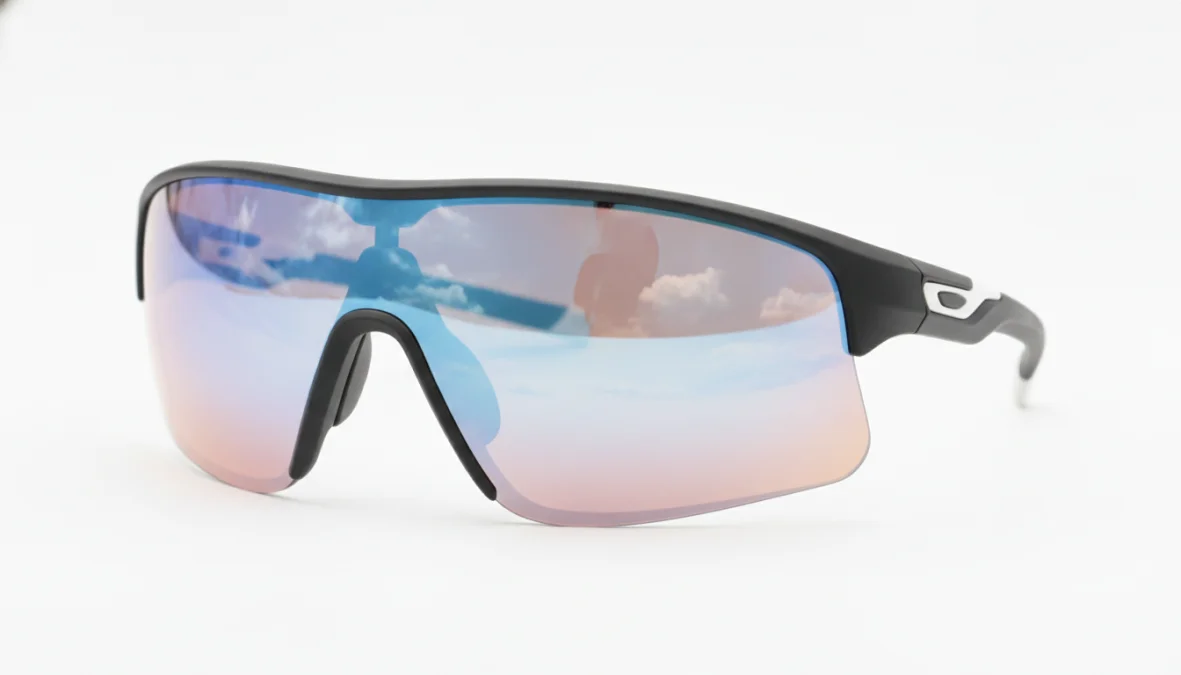
You know that squinting moment when the sun hits just right and you can’t see the pothole ahead? Or when a bug decides your eyeball looks like a great landing spot at 30 mph? Yeah, that’s where proper cycling eyewear comes in clutch. This cycling sunglasses guide breaks down everything you need to know about choosing the right glasses that’ll actually boost your performance, not just make you look pro.
Why Quality Cycling Sunglasses Matter for Performance
Let’s get real: cycling eyewear isn’t just about looking cool in your kit photos. The right performance cycling glasses deliver tangible benefits that directly impact your riding. First off, quality bike sunglasses provide 100% UV protection, shielding your eyes from harmful rays during those long hours in the saddle. Prolonged UV exposure doesn’t just cause immediate discomfort—it can lead to serious long-term eye damage.
But protection goes beyond UV rays. Ever had a stone flicked up from your front wheel? Cycling-specific glasses offer impact resistance that regular sunglasses simply can’t match. They’re designed to protect against debris, wind, and insects at speed. This protection reduces eye fatigue significantly—when your eyes aren’t constantly watering from wind or squinting against glare, you maintain better focus on the road ahead.
Here’s the kicker: proper cycling glasses actually improve visibility in varying light conditions, which directly translates to faster reaction times and safer descents. Regular sunglasses weren’t designed for the wraparound coverage, secure fit, and optical clarity you need when pushing hard. The cost difference between basic and quality cycling eyewear? Usually less than what you’d spend on a new helmet, but with similar safety implications.
Essential Features to Consider When Choosing Cycling Glasses
When you’re figuring out how to choose cycling sunglasses, understanding the key features separates the contenders from the pretenders. This cycling sunglasses buying guide section covers what really matters when you’re dropping cash on new cycling glasses lens technology and frames.
Lens Technology: Photochromic vs Polarized vs Interchangeable
The lens tech decision is probably the biggest choice you’ll make. Photochromic cycling sunglasses automatically adjust their tint based on light conditions—darker in bright sun, lighter in shade or clouds. They’re incredibly versatile, perfect if you hate stopping to swap lenses mid-ride. The downside? They don’t work well behind car windshields (if you’re driving to your ride start), and the transition isn’t instant, taking 30-60 seconds to fully adjust.
Polarized cycling glasses cut glare from reflective surfaces like wet roads or puddles, which sounds great until you realize they can make it harder to spot black ice or oil slicks (since they reduce surface reflection). For road cycling, polarization isn’t always ideal. However, for mountain biking through forests or riding near water, they’re brilliant.
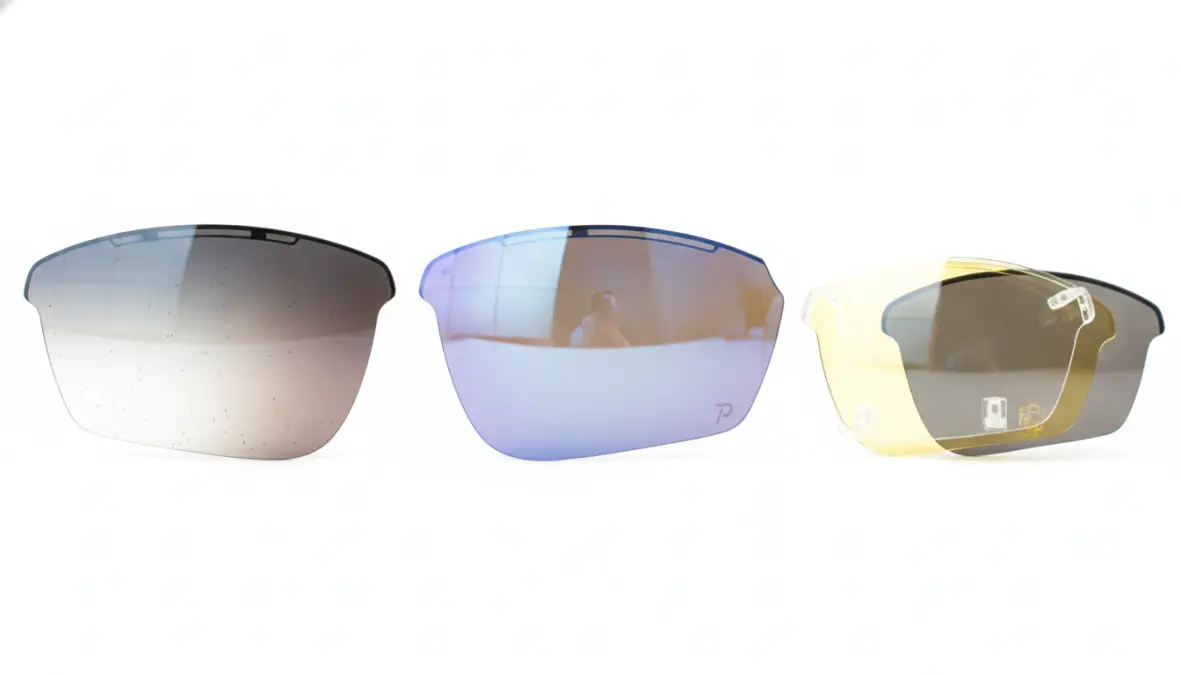
Cycling glasses with interchangeable lenses offer maximum versatility—swap between clear, tinted, and colored lenses based on conditions. The best systems let you change lenses in seconds without tools. This is your best bet if you ride in wildly varying conditions and want optimized vision every time. Just remember: you need to actually carry the extra lenses, which adds a bit of faff.
Fit, Coverage, and Frame Design for Cycling
When considering what to look for in cycling glasses, fit trumps almost everything. A wraparound frame design provides side protection from wind and debris while maximizing your field of view. The best sunglasses for road cycling should feel invisible after the first few minutes—you shouldn’t notice them at all.
Look for adjustable nose pads that grip without pinching, especially when you’re sweating. Temple tips should have rubber or grippy material that holds position even when wet. Weight matters more than you’d think; glasses over 30 grams start feeling heavy on 3-hour rides.
Ventilation is crucial for preventing fogging. Quality frames incorporate vents or use an anti-fog coating on the inside lens surface. Some riders need both for especially humid conditions. Also check helmet compatibility—some glasses sit weird with specific helmet designs. Mountain bikers often prefer slightly smaller frames with more robust coverage, while road cyclists tend toward larger lenses for maximum visibility. Just like choosing the right gear for multi-day cycling adventures, eyewear fit can make or break your comfort.
How to Match Cycling Sunglasses to Your Riding Conditions
Choosing the best cycling sunglasses means matching them to your actual riding patterns. The best lens color for cycling sunglasses varies dramatically based on when and where you ride.
For full sun conditions, dark gray or brown lenses work best, cutting 85-90% of light. Lens tint matters: gray preserves color accuracy (great for spotting traffic signals), while brown enhances contrast on variable terrain. Overcast days call for lighter tints—yellow or orange lenses in the 20-40% darkness range boost contrast in flat light, making road imperfections pop. These are clutch when transitioning from indoor to outdoor cycling in early spring.
Dawn, dusk, or night riders need clear or very light yellow lenses. Yes, cycling sunglasses for different weather is absolutely a thing. If you’re a dawn patrol regular or enjoy evening rides, clear lenses still provide wind and debris protection without dimming your vision.

Road cyclists prioritizing long, steady rides in predictable conditions might invest in photochromic as a one-and-done solution. Mountain bikers tackling variable terrain and tree cover benefit most from interchangeable systems or high-contrast tints. Gravel riders splitting the difference often go photochromic with a clear lens backup.
Commuters riding the same route daily can optimize for their specific conditions—if your commute is always at sunrise, don’t waste money on dark lenses you’ll never use. Multiple pairs sound expensive, but two purpose-built options often outperform one “does everything” compromise. That said, if you only ride weekends in similar conditions, one quality photochromic pair beats multiple cheap ones. Similar to how you’d approach building base fitness, invest smartly in what you’ll actually use.
When riding in intense heat, proper eyewear works alongside other strategies—check out our guide on cycling in the heat for complete performance optimization.
FAQ: Common Questions About Cycling Sunglasses
Are expensive cycling sunglasses worth it?
Yes, if you ride regularly. Quality optics reduce eye strain, better materials last longer, and superior fit means you’ll actually wear them. The jump from $30 to $100 is huge; from $100 to $300 offers diminishing returns unless you’re racing.
Can I use regular sunglasses for cycling?
Technically yes, but you’ll sacrifice coverage, stability, and ventilation. Regular sunglasses slip when sweating, don’t protect from side wind, and often fog up. It’s like using running shoes for cycling—works in a pinch, but not optimal.
How do I prevent fogging?
Choose glasses with good ventilation, use anti-fog treatments, and avoid overdressing (excess heat = more fogging). In really humid conditions, slightly loosening the nose pads increases airflow. Some riders apply a thin layer of dish soap or anti-fog spray before rides.
What lens color is best for cycling?
No single best—it depends on conditions. Gray for bright sun, brown for variable conditions, yellow/orange for overcast, rose/red for dawn/dusk, clear for night. Photochromic covers most bases if you want one pair.
Do I need different glasses for mountain biking vs road cycling?
Not necessarily, but preferences differ. MTB riders often want more coverage and impact protection with contrast-enhancing tints. Road cyclists prioritize lighter weight and maximum field of view. Same glasses can work for both if features overlap.
What about prescription cycling sunglasses options?
Most major brands offer prescription inserts that sit behind the main lens, or you can get prescription lenses made for your frames. Some riders prefer contacts under regular cycling glasses for easier lens swapping.
Choosing the right cycling eyewear isn’t rocket science, but it does require thinking about your specific riding style and conditions. Whether you’re logging base miles, crushing intervals with your power meter, or just commuting, the right glasses make every ride safer and more comfortable. Start with one quality pair that matches your primary riding conditions, then expand your collection as needed. Your eyes will thank you.