
How to Prevent Cycling Tan Lines: Complete Guide to Sun Protection While Training
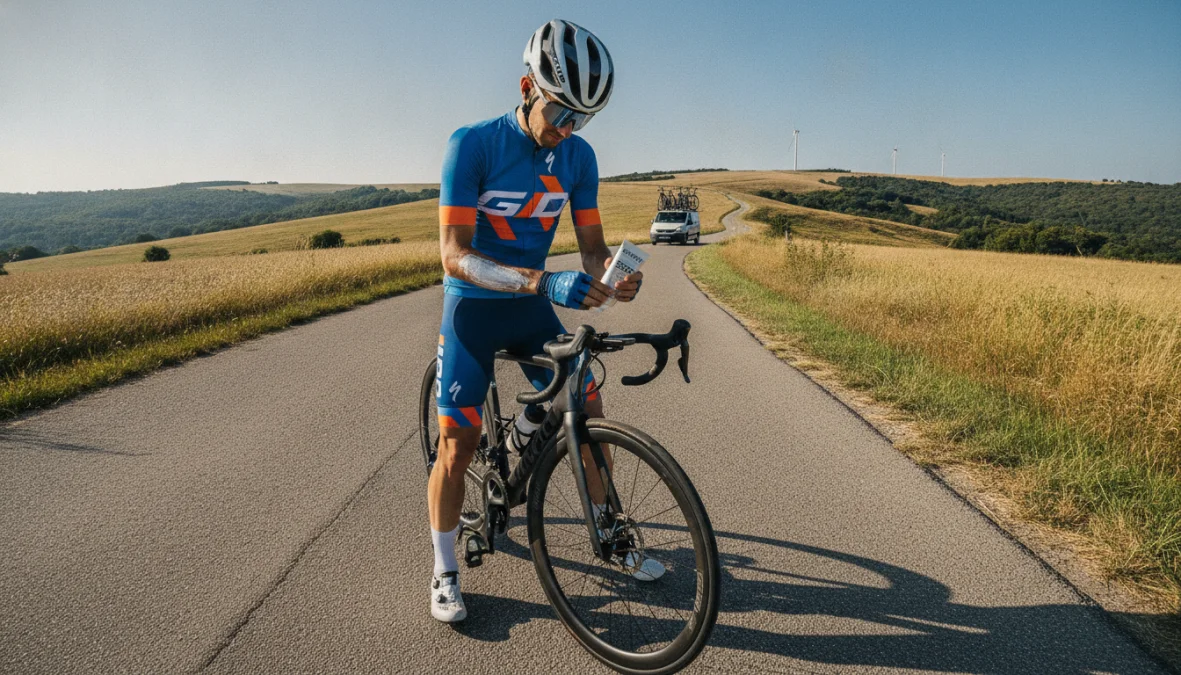
Every serious cyclist knows the telltale signs: those crisp white lines on your thighs where your shorts end, the ghost gloves permanently etched on your hands, or that ridiculous sock line that screams “I spend way too much time on my bike.” While cycling tan lines have become something of a badge of honor in the cycling community, they’re actually a sign of significant sun exposure that goes beyond cosmetic concerns. The good news? You can prevent cycling tan lines while protecting your skin from serious UV damage with the right strategies and habits.
Understanding Cycling Tan Lines and Why Prevention Matters
Cycling tan lines form in predictable patterns: sharp contrasts at mid-thigh or knee (depending on your shorts preference), distinct lines where cycling gloves end, crisp sock lines around your ankles, and that peculiar “farmer’s tan” on your arms. Unlike casual sun exposure, cyclists face prolonged UV exposure during training rides that often last 2-6 hours or more, particularly during peak sun hours. The technical fabrics we wear create perfect barriers that block UV rays in covered areas while leaving exposed skin vulnerable to intense, sustained radiation.
Beyond the aesthetic concerns, the real issue with cycling tan lines is what they represent: cumulative UV damage. Studies show that outdoor athletes, including cyclists, have significantly higher rates of skin cancer compared to the general population. That demarcation line on your leg isn’t just an uneven tan—it’s visible evidence of DNA damage to your skin cells. The exposed areas experience accelerated photoaging (wrinkles, age spots, loss of elasticity) and increased melanoma risk. One Australian study found that outdoor endurance athletes had three times the rate of skin cancers compared to indoor athletes. This makes cyclist tan protection not just about vanity, but genuine health protection.
The unique challenge for cyclists is that wind while riding creates a cooling effect that masks the sensation of burning, so you often don’t realize the damage until hours later. Additionally, reflective surfaces like pavement and water intensify UV exposure by bouncing additional rays onto your skin from below.
Essential Strategies to Prevent Tan Lines While Cycling
Successfully learning how to prevent tan lines when cycling requires a multi-layered approach combining sunscreen application, strategic clothing choices, and smart training decisions. Here’s your comprehensive prevention playbook.
Choose the Right Cycling Sunscreen and Apply It Correctly
Not all sunscreens are created equal when it comes to cycling sunscreen tips. Your ideal sunscreen should be broad-spectrum (protecting against both UVA and UVB rays), water-resistant, and rated SPF 30 minimum—though SPF 50 is preferable for extended rides. The best sunscreen for cycling tan lines prevention has a non-greasy formula that won’t drip into your eyes or make your handlebars slippery when you sweat.
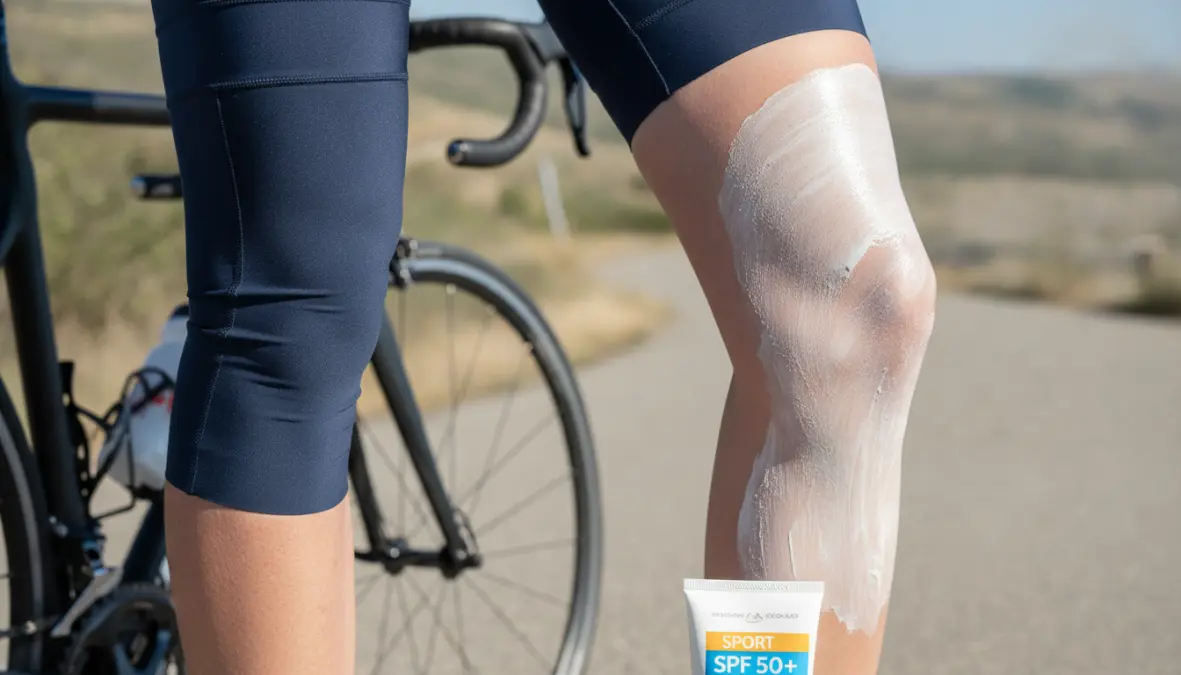
Application technique matters enormously. Apply sunscreen 15-30 minutes before your ride to allow proper absorption. Most people use only 25-50% of the recommended amount—you need approximately one ounce (a full shot glass) to cover your entire body. Pay special attention to high-exposure zones: the backs of your hands, tops of your feet, behind your knees, ears, neck (especially the back), and any exposed scalp if you’re not wearing a cap under your helmet.
For bike tan lines prevention, reapplication is crucial. During rides longer than 90-120 minutes, reapply sunscreen, especially on areas with maximum exposure. Yes, this means carrying a small tube in your jersey pocket. Stick formulas work well for hands and face during brief stops. Don’t forget the often-missed areas where tan lines typically form: apply generously just above where your gloves, socks, and shorts end to create a transition zone rather than a sharp line.
Strategic Clothing Choices and Gear Adjustments
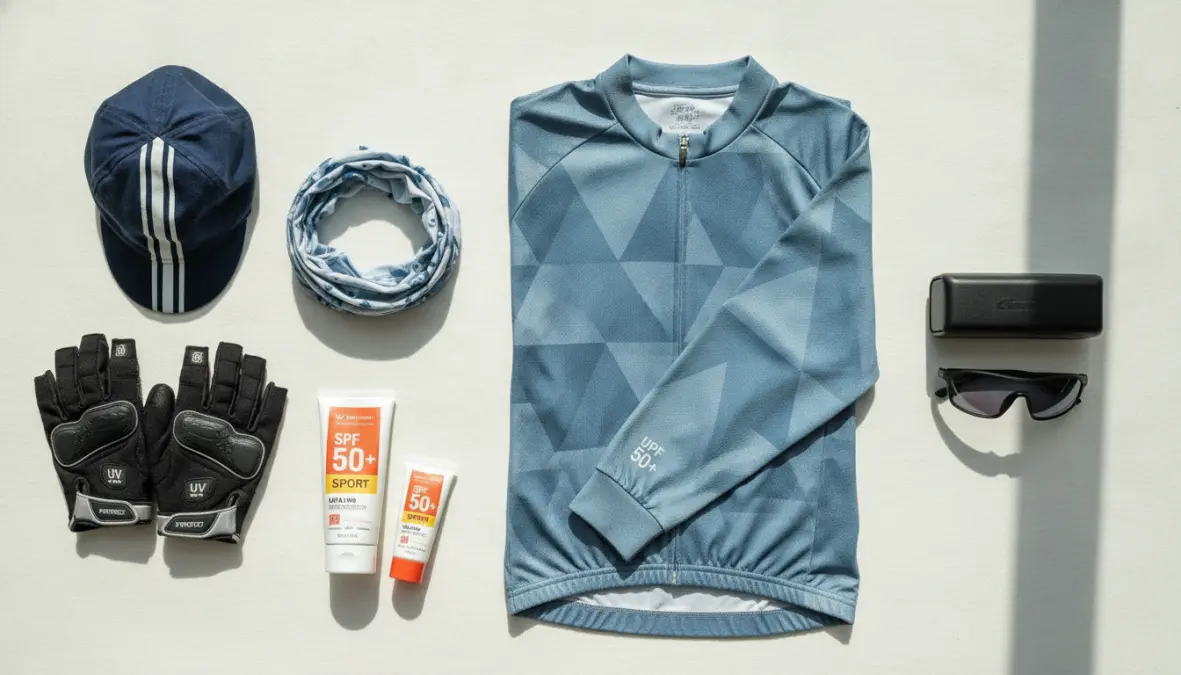
Modern cycling apparel sun protection technology has advanced significantly. Look for clothing with UPF (Ultraviolet Protection Factor) ratings—UPF 50+ blocks approximately 98% of UV radiation. Lightweight, breathable long-sleeve jerseys designed for warm weather provide excellent cycling sun protection without causing overheating. Many brands now incorporate UV-protective fabrics that are actually cooler than riding with bare skin exposed to direct sun.
To avoid cycling tan lines on legs, consider wearing lightweight leg warmers or three-quarter length bibs even during summer rides. If you’re training for performance, you can rotate between different length shorts and bibs throughout the week—this prevents sharp demarcation lines from forming in the same spot repeatedly. The same principle applies to gloves: alternate between full-finger and fingerless gloves, or go gloveless on some rides (though this isn’t recommended for safety reasons).
For UV protection cycling on your neck and face, use a cycling buff or lightweight neck gaiter. These versatile accessories can be pulled up to protect your neck and lower face during high-exposure sections. A cycling cap with a visor worn under your helmet protects your forehead and face, while wrap-around cycling glasses protect the delicate skin around your eyes and reduce squinting-related wrinkles. To prevent sock tan lines cycling, try wearing no-show socks occasionally or apply extra sunscreen to your ankles and lower calves.
Additional Tips and Long-Term Skin Care for Cyclists
Smart training scheduling dramatically reduces UV exposure. Whenever possible, plan long rides for early morning (before 10 AM) or late afternoon/evening (after 4 PM) when UV index is lower. During spring cycling training and transitioning from indoor to outdoor cycling, your skin is especially vulnerable after months of reduced sun exposure, so be extra vigilant with protection.
When planning routes, choose tree-lined paths or routes with natural shade when feasible. While this isn’t always possible for road training, gravel and mountain bike routes often offer more canopy coverage. For cyclists doing structured interval training, consider using indoor cycling apps during peak UV hours and saving outdoor rides for safer sun times.
Post-ride skin care is essential for outdoor training skin care. Immediately after cycling, shower to remove sunscreen, sweat, and environmental pollutants, then apply a soothing after-sun moisturizer containing aloe vera or hyaluronic acid. This helps repair minor UV damage and prevents peeling. Consistent hydration—both topical and internal—supports skin health and resilience. Your pre-workout nutrition and overall diet should include antioxidant-rich foods (berries, leafy greens, nuts) that support skin health from the inside.
If you’re wondering how to get rid of cycling tan lines that have already formed, gradual fading happens naturally with consistent sun protection—usually over 4-8 weeks. Some cyclists use self-tanner on lighter areas to even out the appearance temporarily. However, prevention remains infinitely better than correction.
Schedule annual skin checks with a dermatologist, especially if you log significant outdoor training hours. Early detection of skin abnormalities can be lifesaving. Make it part of your yearly routine along with your bike maintenance schedule—both your bike and your skin need regular professional checkups.
The best way to prevent cycling tan damage is consistency. Make sun protection as routine as checking your tire pressure before rides. Your future self—with healthier, younger-looking skin and reduced cancer risk—will thank you for the effort. After all, true performance isn’t just about optimal cadence or perfect nutrition timing—it’s about sustainable longevity in the sport you love.