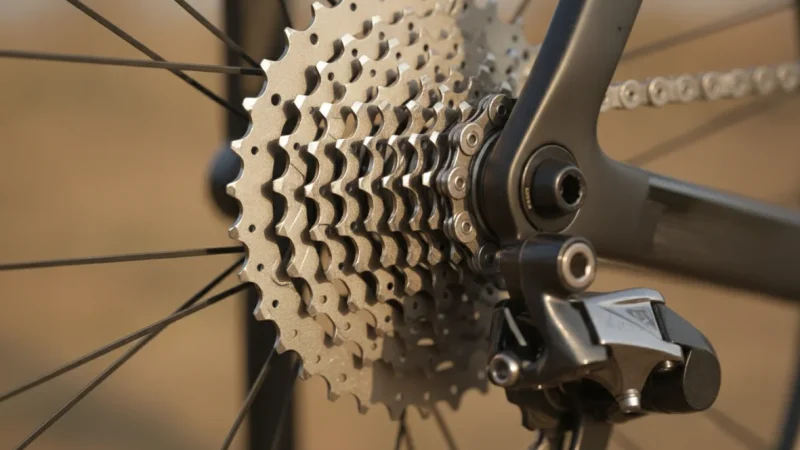
How to Master Cornering on a Road Bike: Essential Turning Techniques for Cyclists
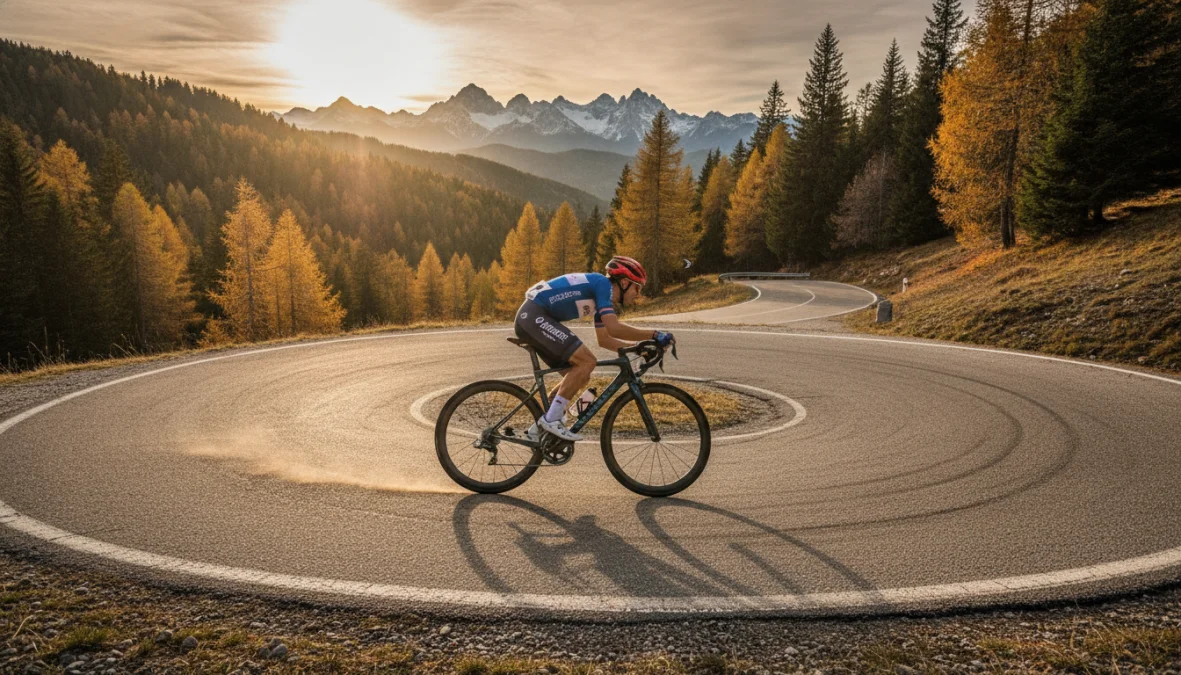
We’ve all been there: approaching a corner a bit too fast, feeling the bike wobble beneath us, and tightening up with uncertainty. Whether you’re navigating a twisty descent or railing through a sharp turn on your local group ride, road bike cornering is one of those skills that separates confident riders from nervous ones. The good news? Proper cornering isn’t some mystical talent reserved for pros—it’s a learnable technique that dramatically improves your speed, safety, and enjoyment on the bike.
Understanding the Fundamentals of Road Bike Cornering
Before diving into techniques, let’s talk physics. When you corner, centrifugal force pushes you outward while tire grip traction keeps you on your intended path. The faster you go, the stronger these forces become. Your bicycle cornering skills essentially come down to managing this balance between speed and available traction.
Understanding corner apex cycling—the innermost point of your turn—is crucial for efficient cornering technique cycling. The apex determines your line through the corner: enter wide, clip the apex, exit wide. This racing line maximizes your radius, allowing higher speeds with less severe lean angles. Compare this to cutting straight across, which requires tighter turning and reduces your margin for error.
Weight distribution plays a massive role too. On a road bike, roughly 60% of your weight sits on the front wheel during cornering. Too much weight forward and your front tire might wash out; too far back and you lose steering precision. The sweet spot comes from proper body positioning, which we’ll cover next.
Common beginner mistakes? Braking mid-corner (reducing available traction), looking down at the road directly in front (rather than through the turn), keeping pedals level (unstable weight distribution), and tensing up instead of staying relaxed. As you develop your road bike cornering abilities, these habits need addressing first. Similar to mastering climbing techniques, cornering requires building proper fundamentals before pushing limits.
Essential Cornering Techniques: Body Position and Bike Handling
Now for the practical stuff—the techniques that actually make you faster and safer in corners. Proper bike handling corners combines several elements working together simultaneously.
Body Positioning Through the Turn
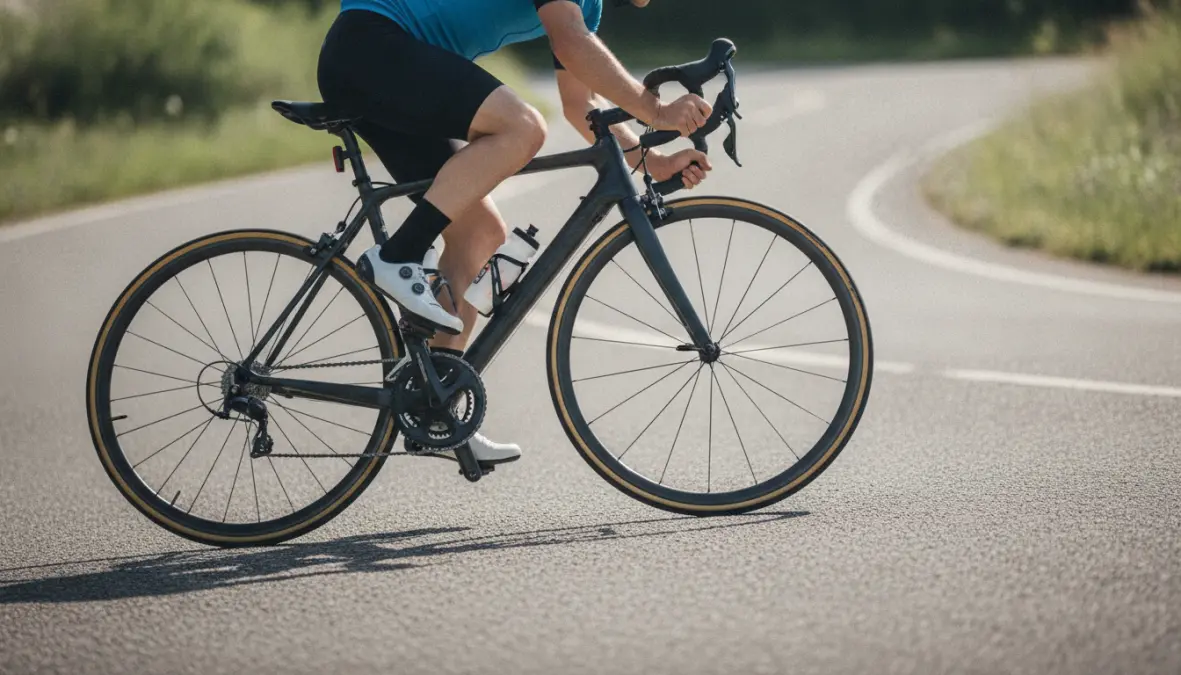
Here’s the golden rule for best body position for cornering road bike: outside pedal down, inside knee out, eyes looking through the exit. Let’s break down why each matters.
Dropping your outside pedal pressure to the six o’clock position accomplishes multiple things. First, it lowers your center of gravity, improving stability. Second, it allows you to weight the outside pedal, pressing your tires into the pavement for better grip. Third, it prevents your inside pedal from striking the ground during lean. Push hard on that outside pedal like you’re trying to stand on it—this dramatically increases your cornering confidence.
Your inside knee should point outward toward the inside of the turn. This subtle shift helps drop your body’s center of gravity even lower while keeping the bike more upright. There’s actually a technique debate here: lean the bike or lean your body? For road cycling cornering on pavement with good traction, leaning the bike while keeping your body more upright (achieved by that inside knee movement) generally provides better control and quicker reactions. Save body-leaning for gravel or loose surfaces where you need the bike to move beneath you.
Head position is arguably most critical. Look where you want to go, not where you are. Your eyes should focus on the exit of the corner or even beyond. Your bike follows your vision—stare at that pothole you’re trying to avoid, and you’ll probably hit it. This visual technique naturally initiates countersteering, the physics principle where you briefly steer opposite your intended direction to initiate lean.
Speed Management and Braking Strategy
Want to know how to corner faster on a road bike? Ironically, it starts with proper braking before turn entry. The mantra is simple: all your braking happens in a straight line before the corner.
Why? When you brake, you’re using your tire’s available traction. When you corner, you’re also using traction. Try to do both simultaneously and you’ll exceed your tires’ grip limit—that’s when things get sketchy. Brake firmly but smoothly as you approach, releasing the brakes completely before you start turning. Your cycling corner speed should feel slightly conservative at first; you can always accelerate through and out of the corner.
Advanced riders sometimes use trail braking—maintaining light brake pressure into the corner’s initial phase—but this requires excellent feel and should only be attempted after mastering basic techniques. For most situations, especially during descents (check out our guide on descending techniques for more), finish braking before turning.
As you apex and begin exiting, gradually apply power. Smooth acceleration out of corners maintains traction and carries speed onto the next straight section. Jerky pedaling can break traction, especially on marginal surfaces.
Advanced Tips for Different Corner Types and Conditions
Not all corners are created equal, and your road bike turning tips need adjusting based on conditions and corner characteristics.
Hairpin turns require different line selection than sweeping bends. For tight hairpins, you’ll need a later apex—enter wide, turn sharply at the corner’s midpoint, and exit wide. This prevents running out of road on exit. For long, sweeping corners, an early apex lets you maintain higher speeds with gentler lean angles.
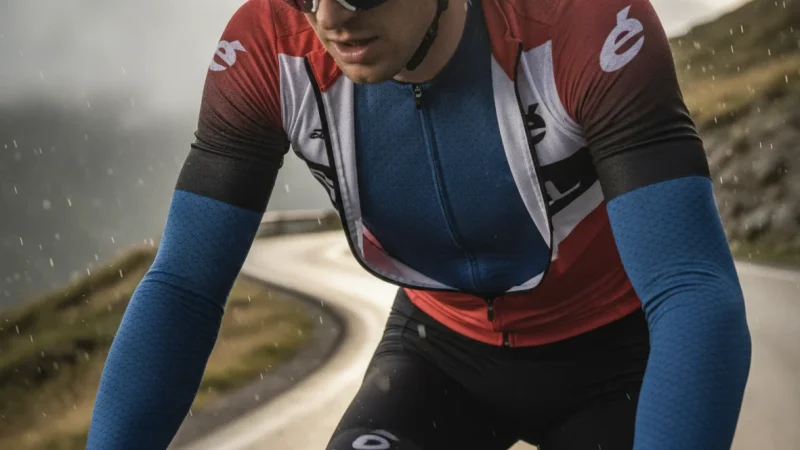
Wet conditions demand respect. Your available traction drops by roughly 20-30% on wet pavement, and painted road markings or metal surfaces become ice rinks. Reduce your corner speed significantly, stay more upright, and be extra smooth with all inputs. Avoid sudden movements that could break traction. Consider checking your bike fit if you’re frequently uncomfortable during technical sections—proper position enhances control.
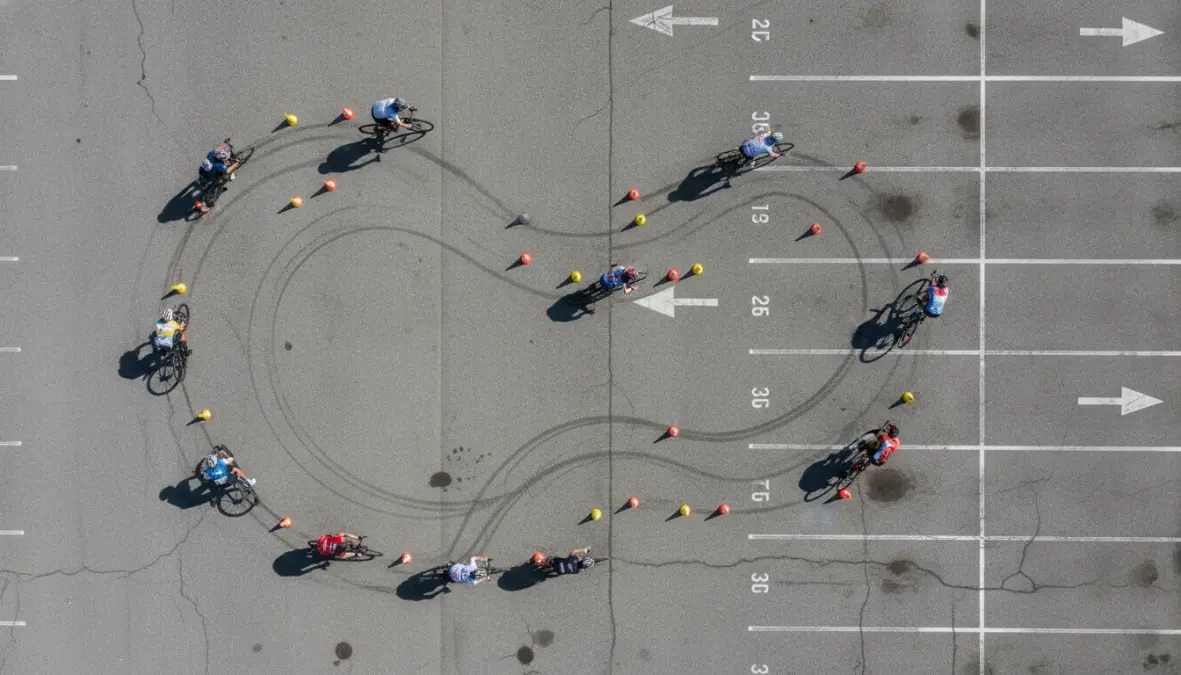
For cornering techniques for beginner cyclists looking to improve, practice is essential. Find an empty parking lot and set up a simple course with cones or water bottles. Practice the same corner repeatedly at gradually increasing speeds, focusing on one technique element at a time: first outside pedal down, then inside knee out, then looking through the turn. This builds muscle memory without the pressure of traffic or descents.
Road bike cornering drills and exercises might include figure-eights to practice both directions, emergency stops before corners to simulate late braking, and riding tighter and tighter circles to understand your bike’s lean limits in a controlled environment. The key is progressive challenge—push your limits incrementally rather than all at once.
When riding in groups, cornering gets trickier. Maintain your line predictably, avoid sudden movements, and give yourself extra space on the inside. The rider on the outside has the longest distance to travel, so inside riders should be especially smooth and consistent.
FAQ: Road Bike Cornering Questions
Should I lean the bike or my body when cornering?
For road cycling on good pavement, lean the bike more than your body. Keep your body relatively upright with your inside knee out while letting the bike lean beneath you. This technique provides better control, quicker recovery if you need to straighten up, and more precise handlebar input. Save body-leaning for loose or unpredictable surfaces where you need the bike to move independently beneath you.
Which pedal should be down in a corner?
Always drop your outside pedal to the bottom (six o’clock) position. This lowers your center of gravity, allows you to weight the outside pedal for better traction, and prevents your inside pedal from scraping the ground during lean. Push firmly on that outside pedal throughout the turn for maximum stability and grip.
How do I corner safely in wet conditions?
Reduce your entry speed by 20-30%, stay more upright with less lean angle, be extra smooth with all steering and braking inputs, and avoid painted lines or metal surfaces that become extremely slippery when wet. Finish all braking before the turn, and be cautious with your exit acceleration. Wet conditions also require increased following distance in groups.
What’s the correct line through a corner?
The ideal line depends on corner type, but generally follows: enter wide (outside of the lane), aim for the apex (inside of the turn at its midpoint or slightly past), and exit wide (outside again). This maximizes your turning radius, allowing higher speeds with less severe lean. For hairpins, use a later apex; for sweeping bends, an earlier apex works better.
How can I increase my cornering speed safely?
Improving cornering confidence on road bike happens gradually. Start by perfecting technique at comfortable speeds: outside pedal down, looking through the turn, smooth braking before entry. Then progressively increase speed on familiar corners in good conditions. Practice drills in parking lots, analyze your lines, and focus on smoothness rather than aggression. Confidence builds naturally as technique improves.
Mastering road bike cornering transforms your riding experience. What once felt sketchy and uncertain becomes fluid and confidence-inspiring. Whether you’re chasing buddies on a group ride, tackling technical descents, or just navigating your daily route more efficiently, these techniques make every corner safer and faster. Start with the fundamentals, practice deliberately, and gradually push your limits. Your future self—railing through corners with a grin—will thank you for the effort invested today.