Functional Training vs Traditional Gym: Which Workout Style Is Right for You?
Walking into a gym for the first time can feel overwhelming. Rows of shiny machines, free weights scattered about, and people doing everything from bicep curls to burpees—it’s a fitness jungle out there. But here’s the real question that’s been dividing the fitness world: should you focus on functional training vs gym workouts? Both approaches promise results, but they take dramatically different paths to get you there. Let’s break down what each style offers and help you figure out which one deserves your time and sweat.
Understanding Functional Training and Traditional Gym Workouts
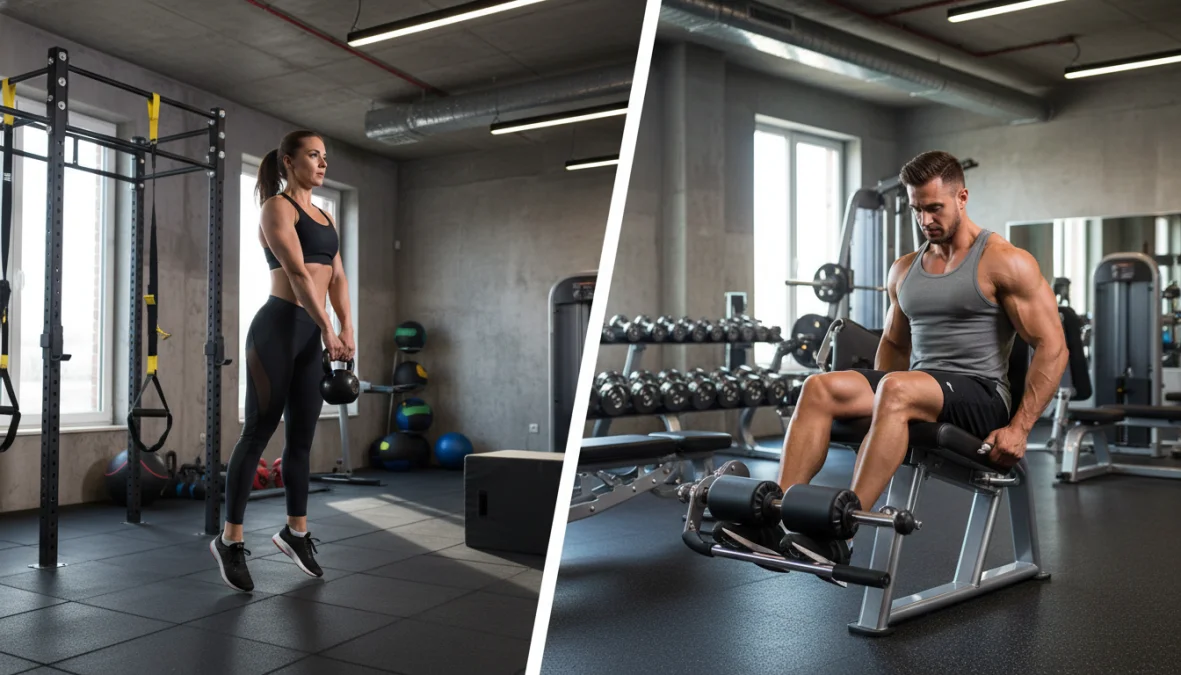
Before we dive into the functional training vs gym debate, let’s get clear on what we’re actually comparing. Traditional gym workouts typically revolve around isolation exercises—think bicep curls, leg extensions, and chest presses on machines. This approach, deeply rooted in bodybuilding culture, focuses on targeting specific muscle groups one at a time. You’ll find plenty of guided machines, structured routines, and a methodical approach to building strength and size.
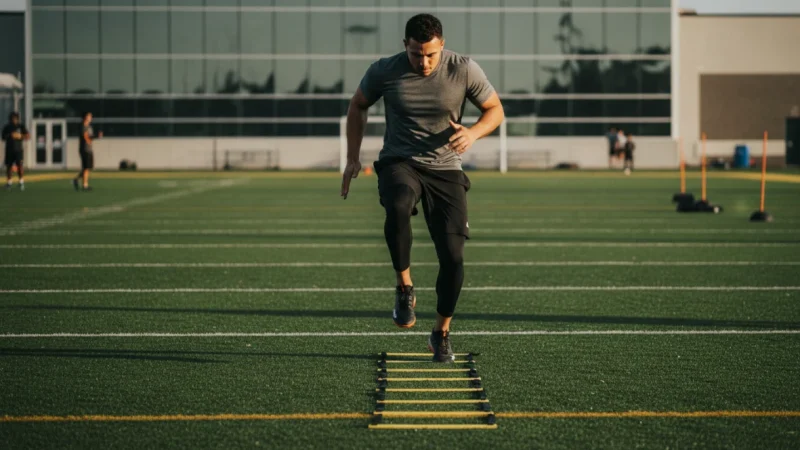
On the flip side, functional training takes a completely different philosophy. It’s all about real world movements that mimic activities you do in daily life or sports. Instead of isolating your bicep, you might do a kettlebell clean that engages your legs, core, shoulders, and arms simultaneously. Functional training exercises emphasize multi-joint movements, balance, coordination, and the ability to move efficiently through space. The goal isn’t just to look strong—it’s to be strong in ways that actually matter outside the gym. This is why gym vs functional fitness isn’t just about exercises; it’s about completely different training philosophies.

Key Benefits and Differences: Functional Training vs Traditional Gym
Now that we’ve established the basics, let’s dig into what makes each approach special. The functional training benefits versus what traditional gyms offer reveals some fascinating differences that might just make your decision easier.
Functional Training Benefits and Ideal Use Cases
Functional training shines when it comes to improving how your body works as a complete system. Core stability gets built naturally because almost every movement requires you to brace and stabilize your midsection. When you’re performing compound movements like kettlebell swings, TRX rows, or medicine ball slams, your body learns to coordinate multiple muscle groups simultaneously—exactly how you move in real life.
The athletic performance benefits are hard to ignore. Athletes across every sport use functional training because it directly translates to better performance on the field, court, or track. A basketball player benefits more from rotational medicine ball throws than from seated bicep curls. CrossFit vs gym comparisons often highlight this: CrossFit (a popular functional training approach) builds people who can lift, run, jump, and move with impressive versatility.
Mobility training is naturally woven into functional workouts. Movements like Turkish get-ups, lunges with rotation, and overhead squats force your joints through full ranges of motion, keeping you flexible and reducing injury risk. This makes functional training ideal for active individuals, weekend warriors, athletes, and anyone who wants fitness that actually improves their quality of life. The benefits of functional training over traditional gym work really shine for injury prevention—teaching your body to move correctly under load protects you during everyday activities.
Traditional Gym Benefits and When to Choose It
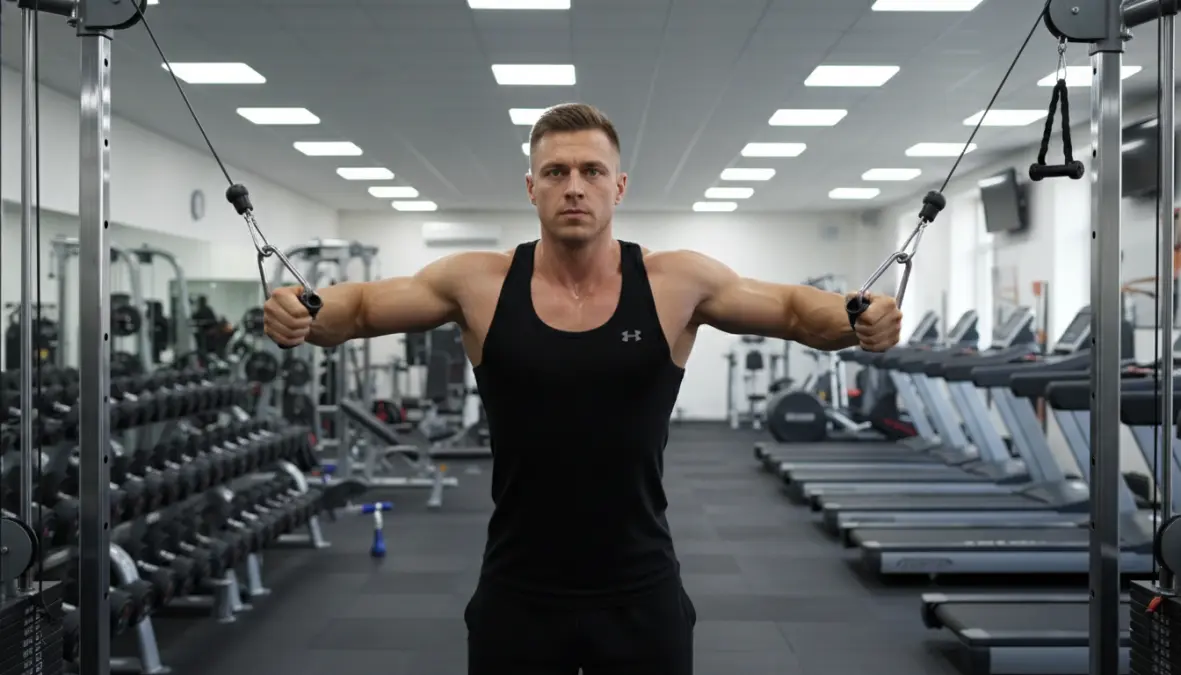
Don’t count out traditional gyms just yet. When it comes to pure muscle hypertrophy (building size), bodybuilding vs functional training isn’t even close—traditional approaches win hands down. The ability to isolate specific muscles, apply progressive overload with precision, and really exhaust individual muscle groups makes traditional resistance training unbeatable for aesthetic goals.
Isolation exercises aren’t just about vanity, though. They’re incredibly valuable for correcting muscular imbalances, rehabilitating injuries, and bringing up lagging body parts. If your left shoulder is weaker than your right, machine work lets you address that specifically. For beginners, the guided nature of gym machines provides a safe learning environment where form is easier to maintain.
The functional vs strength training debate often misses this point: traditional gyms excel at building raw strength in specific movements. Want a bigger bench press? A structured program with barbells and dumbbells will get you there faster than functional circuits. Bodybuilders, physique competitors, and anyone focused primarily on muscle size and aesthetics will find traditional gym approaches more aligned with their goals. Plus, for people recovering from injuries, the controlled environment of machines offers a safer path back to full strength.
Which Approach Is Right for Your Fitness Goals?
So, is functional training better than gym workouts? The honest answer: it depends entirely on what you’re after. If your goal is to look like a bodybuilder with maximum muscle size, traditional gym training with plenty of isolation work is your best bet. But if you’re training for a sport, want to move better in daily life, or care more about performance than appearance, functional training deserves serious consideration.
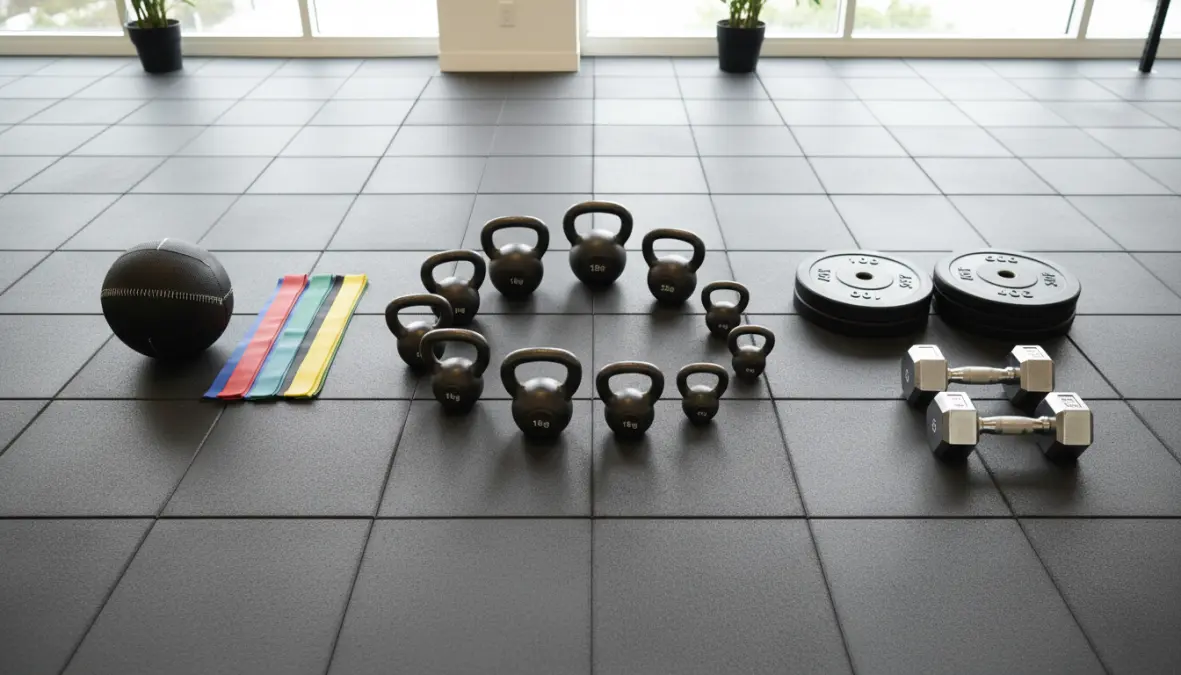
Here’s the thing many people miss: should i do functional training or go to gym isn’t really an either-or question. The smartest approach for most people is actually a hybrid model. You can absolutely combine barbell strength work with functional movement patterns. Deadlifts and squats are both traditional gym staples AND functional movements. Adding some kettlebell work, mobility drills, and unilateral exercises to your traditional routine gives you the best of both worlds.
For beginners wondering about functional training vs gym for beginners, traditional gyms might offer more structure initially, with guided machines and clear progression paths. However, functional training with proper coaching can be equally accessible—and might keep you more engaged with its variety. When it comes to functional training vs gym for weight loss, functional training often wins due to higher calorie burn from full-body movements, but both approaches work if you’re consistent.
Consider practical factors too: functional training often requires less equipment (great for home workouts), while gyms offer more variety and social motivation. Your budget, schedule, and personal preferences matter as much as the training philosophy. The best workout is always the one you’ll actually stick with long-term.
FAQ
Is functional training better than gym?
Neither is universally “better”—it depends on your goals. Functional training excels for athletic performance, injury prevention, and real-world strength. Traditional gym training is superior for muscle hypertrophy and aesthetic development. Most people benefit from combining elements of both approaches for balanced fitness.
Can you build muscle with functional training?
Yes, functional training builds muscle, but typically not as much as traditional bodybuilding approaches. Compound movements in functional training do stimulate muscle growth, but the focus on performance over isolation means you won’t maximize hypertrophy the way dedicated bodybuilding programs can.
What’s the difference between CrossFit and traditional gym?
CrossFit emphasizes constantly varied functional movements performed at high intensity, combining weightlifting, gymnastics, and cardio. Traditional gyms typically focus on isolated strength training with machines and free weights, structured around bodybuilding or powerlifting principles with less emphasis on metabolic conditioning.
Can you combine functional training and gym workouts?
Absolutely! Many effective programs blend both approaches. You might do traditional strength work (squats, deadlifts, bench press) for 3-4 days weekly, then add functional elements like kettlebells, mobility work, and plyometrics. This hybrid approach gives you strength, size, and real-world performance capabilities.
The bottom line? Whether you’re drawn to the structured progression of traditional gym training or the dynamic, movement-focused world of functional fitness, both paths can take you to impressive places. Understanding what is the difference between functional training and gym helps you make an informed choice—or better yet, cherry-pick the best elements from each to build a program that’s perfectly suited to your unique goals and lifestyle.