Altitude Training for Endurance Athletes: The Complete Guide to Living High, Training Low
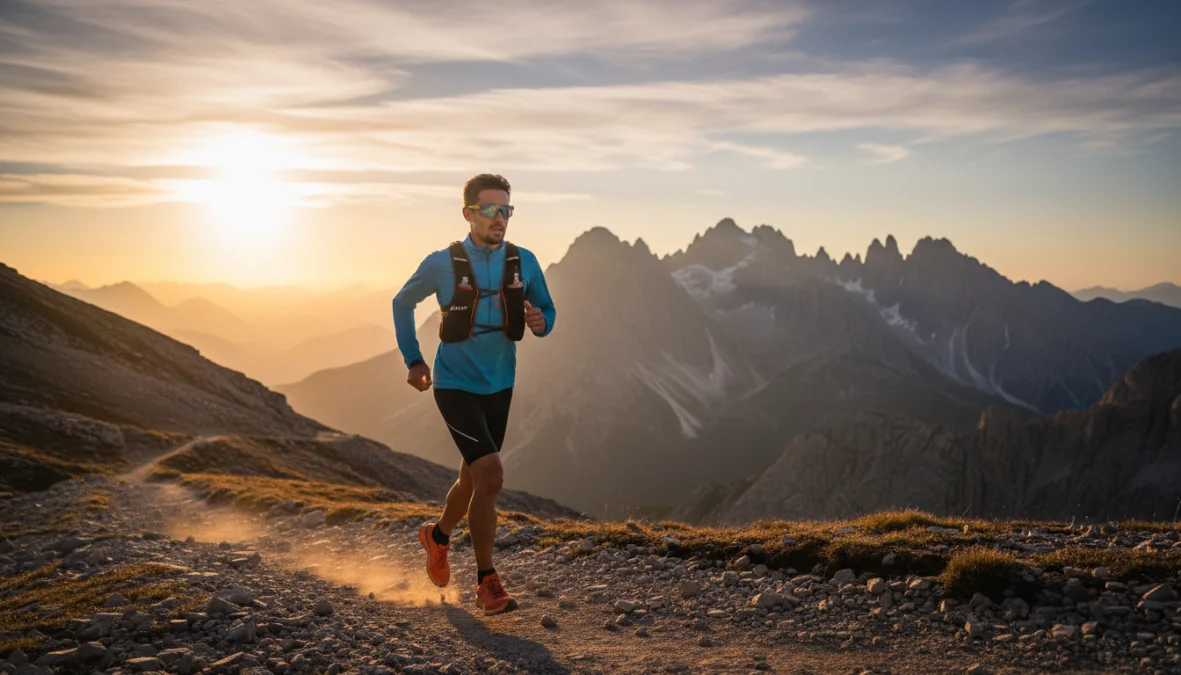
Ever wondered why elite marathoners and cyclists disappear to remote mountain camps weeks before major competitions? The secret lies in altitude training endurance protocols that have revolutionized how athletes prepare for peak performance. By manipulating oxygen availability, endurance athletes can trigger powerful physiological adaptations that translate into faster times and improved stamina at sea level. But here’s the catch: not all altitude training methods are created equal, and doing it wrong can actually harm your performance more than help it.
Understanding Altitude Training and Its Impact on Endurance Performance
At its core, altitude training endurance protocols exploit your body’s natural response to reduced oxygen availability. When you’re exposed to hypoxia exposure at elevations above 2,000 meters, your body kickstarts a survival response that endurance athletes have learned to harness brilliantly.
The magic happens through several interconnected mechanisms. First, EPO production (erythropoietin) ramps up significantly within hours of altitude exposure. This hormone signals your bone marrow to produce more red blood cells, effectively increasing your blood’s oxygen-carrying capacity. Within 2-3 weeks, you’ll see measurable increases in red blood cell count and hemoglobin concentration, which directly translates to better oxygen delivery to working muscles.
The result? Improved VO2 max and enhanced endurance performance altitude gains that persist even when you return to sea level. Studies show elite athletes can gain 1-3% performance improvements—the difference between podium finishes and also-rans in competitive racing.
There’s an important distinction between natural vs simulated altitude training. Natural altitude involves actually traveling to mountainous regions, while simulated methods use hypoxic chambers or tents that reduce oxygen concentration artificially. Both trigger high altitude adaptation, though with different practical considerations.
Three main approaches dominate altitude training: live high-train high (traditional mountain training), live high-train low (LHTL—the gold standard), and live low-train high (intermittent hypoxic training). Each has distinct advantages, but research consistently points to one clear winner for most endurance athletes.

Living High, Training Low: The Gold Standard Method
The living high training low protocol represents the sweet spot where science meets practicality. This method allows athletes to sleep and rest at altitude (triggering those crucial adaptations) while training at or near sea level where they can maintain workout intensity without the performance-sapping effects of thin air.
Here’s why LHTL dominates professional altitude camps athletes use worldwide: you get maximum adaptive stimulus during recovery while preserving training quality. When you try to train hard at altitude, reduced oxygen saturation means you simply can’t hit the same power outputs or paces as at sea level. This compromises training quality over weeks, potentially eroding the fitness you’ve built.
The living high training low science explained is straightforward: sleep at 2,000-2,500 meters elevation for 10-12 hours nightly to maximize EPO response and red blood cell production. Then descend to below 1,200 meters for training sessions where oxygen availability supports high-intensity efforts. This protocol requires a minimum of 3-4 weeks to produce measurable altitude training benefits, with many elite programs running 4-6 week camps.
Professional cyclists, marathoners, and triathletes routinely use LHTL before major competitions. The logistics typically involve either traveling to locations with convenient altitude differentials (like training in Boulder, Colorado while sleeping higher in the mountains) or using simulated altitude training setups with hypoxic sleeping tents at home while training normally.
The best altitude for endurance training sleeping is 2,200-2,500 meters—high enough to trigger adaptation but not so high that recovery suffers or altitude sickness becomes a concern. Training should happen below 1,200 meters ideally, though 1,500 meters is acceptable for moderate-intensity sessions. As with all endurance training, proper hydration strategies become even more critical at altitude where fluid losses increase significantly.
Natural vs Simulated Altitude Training
The debate between traditional altitude camps athletes attend in mountain locations versus simulated altitude training using technology boils down to effectiveness, convenience, and budget.
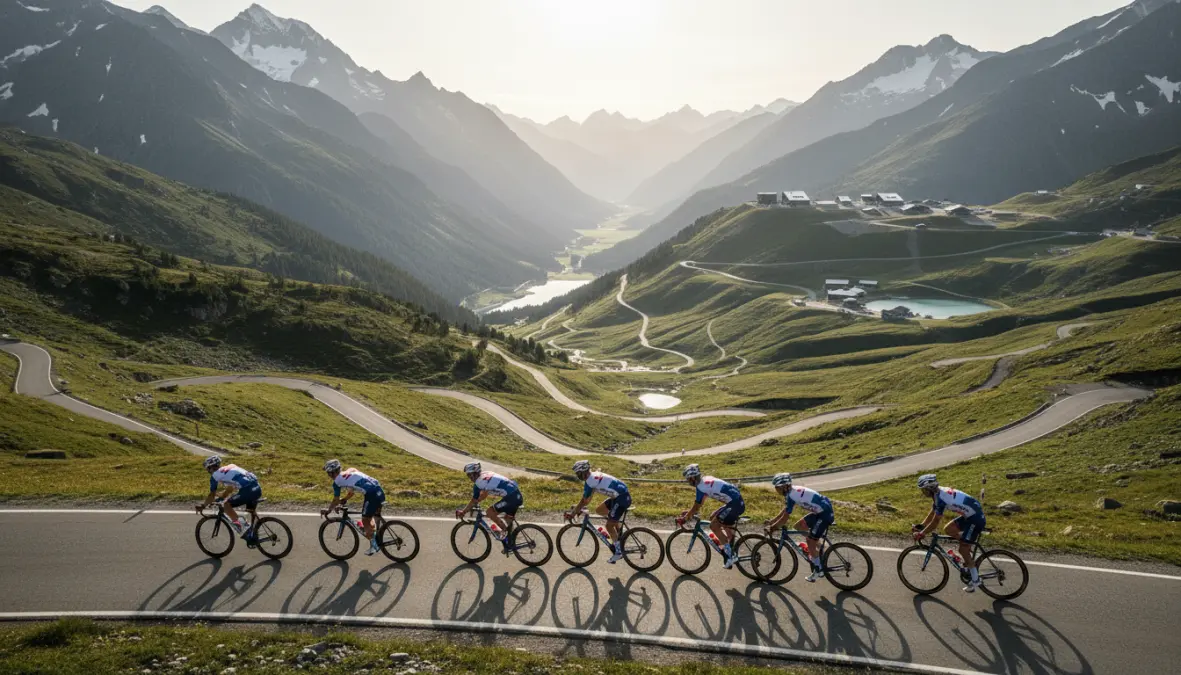
Natural altitude camps offer the complete package: real altitude exposure, training venues at various elevations, and often professional support systems. Locations like Font Romeu in France, Flagstaff in Arizona, or Iten in Kenya have become legendary training grounds. However, they require significant time away from home, can cost thousands of dollars, and disrupt normal life routines.
Simulated altitude through hypoxic tents or chambers brings altitude to you. Modern systems can accurately replicate oxygen levels equivalent to 2,000-3,000 meters while you sleep in your own bed. The convenience factor is huge—no travel, maintain work schedules, train on familiar routes. Costs range from $3,000-$8,000 for quality systems, but that’s often cheaper than a month-long mountain camp.
Research shows both methods produce similar physiological adaptations when protocols match. The key is achieving sufficient hypoxia exposure duration—at least 10-12 hours daily for 3+ weeks. Where natural altitude has an edge is environmental consistency (you can’t accidentally unplug the mountains), while simulated systems offer precise control and flexibility.
Optimizing Your Altitude Training Protocol
Success with hypoxic training methods demands attention to detail and careful monitoring. Altitude training camp preparation endurance athletes should follow includes several critical elements.
Timing matters enormously. Plan your altitude block to end 2-3 weeks before your key competition. The peak sea level performance benefits typically appear 12-21 days after returning to sea level, as newly produced red blood cells fully mature and plasma volume normalizes. Going straight from altitude to racing often backfires due to fatigue accumulation.
The question of how long to train at altitude for benefits has a clear answer: minimum 3 weeks, with 4-5 weeks being optimal. Shorter exposures (under 14 days) may provide minimal benefit and aren’t worth the disruption and expense. Your acclimatization protocol should include easier training during the first 3-5 days as your body adjusts to reduced oxygen.
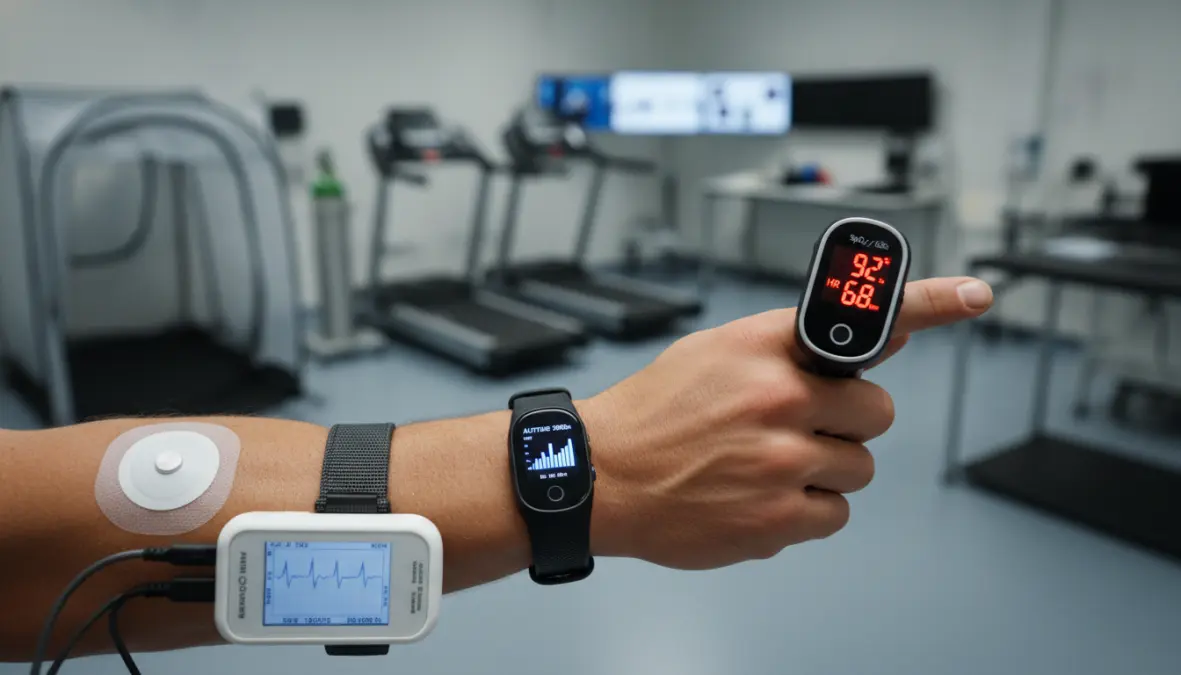
Monitor your adaptation carefully through morning heart rate, oxygen saturation readings, and perceived exertion during standard workouts. Warning signs of maladaptation include persistent fatigue, declining performance, or inability to hit normal training paces at sea level. Building mental toughness helps enormously during the challenging first week when workouts feel harder than usual.
Common mistakes include going too high (over 3,000m sleep elevation increases illness risk and compromises recovery), training too hard during acclimatization, and insufficient attention to recovery and overtraining prevention. Using fitness trackers to monitor heart rate variability and sleep quality provides valuable feedback on how you’re adapting.
Regarding altitude training masks effectiveness endurance: these training masks that restrict breathing do NOT replicate true altitude exposure. They make breathing harder but don’t reduce oxygen concentration in the air, so they don’t trigger the EPO and red blood cell responses that make altitude training effective. Save your money.
FAQ: Common Questions About Altitude Training for Endurance
How long do altitude training benefits last? Peak altitude training benefits persist for 2-4 weeks after returning to sea level, with measurable advantages gradually declining over 4-6 weeks as red blood cell counts normalize. Elite athletes often time multiple altitude camps throughout their competitive season.
Is altitude training safe for all athletes? While generally safe, altitude training isn’t recommended for athletes with heart conditions, certain respiratory issues, or those prone to altitude sickness. Always consult a sports physician before attempting altitude training endurance protocols, especially your first time.
Can recreational athletes benefit from altitude training? Absolutely! While the absolute performance gains may be smaller than for elites, recreational athletes can still see 1-3% improvements in race times. The logistics and cost are bigger barriers than effectiveness. Complement altitude work with proper nutrition strategies and sport-specific training like strength work for cyclists.
What’s the minimum altitude for training benefits? Research indicates 2,000 meters is the minimum sleeping elevation to trigger meaningful EPO response and red blood cell production. Below this threshold, adaptations are minimal or nonexistent.
How much does altitude training improve performance? Well-executed hypoxic training methods typically improve endurance performance by 1-3% at sea level. For a 3-hour marathoner, that’s 2-5 minutes—potentially transformative for competitive goals.
Whether you’re preparing for your first triathlon or chasing a personal best, altitude training offers a legitimate, science-backed edge. The key is approaching it systematically, respecting the protocols that research has validated, and integrating it thoughtfully into your broader training plan. Combined with proper mobility work and recovery strategies, altitude training can unlock new levels of endurance performance you didn’t think possible.