Citrulline Malate for Athletes: Science-Backed Benefits for Endurance and Muscle Pump

If you’ve ever felt that satisfying muscle pump during a killer workout or wondered how some athletes seem to power through grueling endurance sessions with less fatigue, you might want to pay attention to citrulline malate. This amino acid compound has become a staple in pre-workout supplements, and for good reason. Whether you’re grinding out high-rep sets in the gym or tackling a century ride on your bike, citrulline malate athletes swear by it for boosting performance, enhancing blood flow, and delaying that dreaded muscle burn.
What is Citrulline Malate and How Does It Work for Athletes?
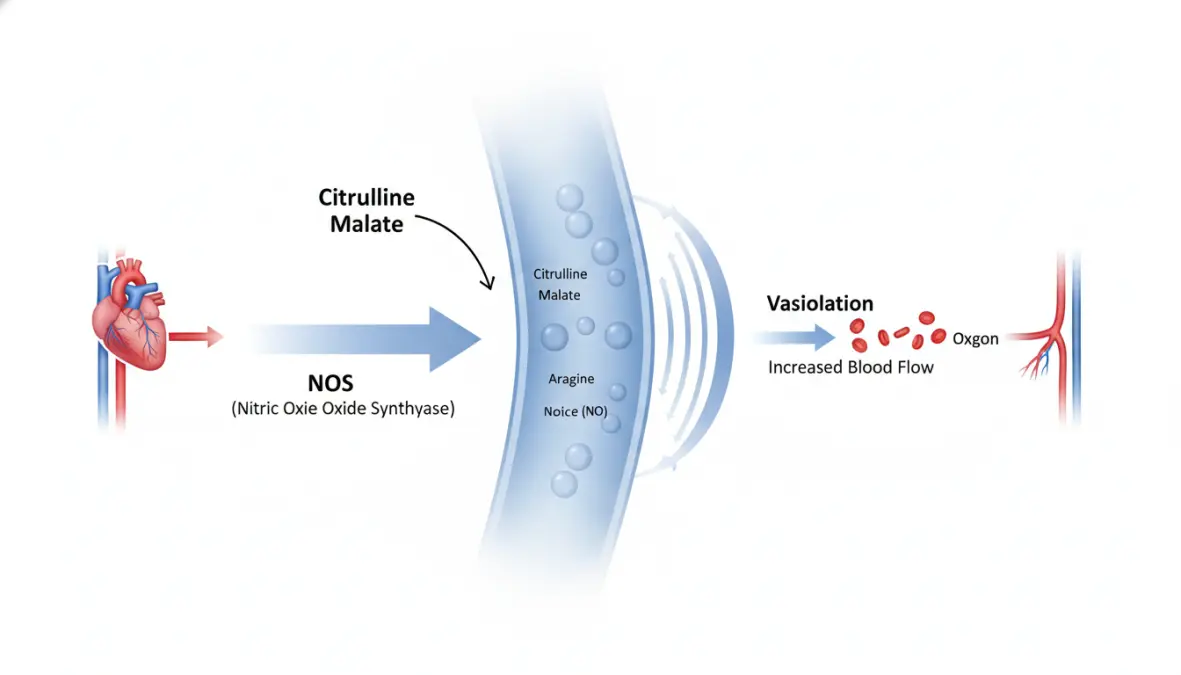
Citrulline malate is a combination of L-citrulline, a non-essential amino acid found naturally in watermelon, and malic acid, an organic compound involved in energy production. When you take citrulline malate supplementation, your body converts L-citrulline into arginine, which then triggers the production of nitric oxide—a powerful molecule that dilates your blood vessels and enhances circulation.
This process of arginine conversion and subsequent nitric oxide production is what makes citrulline malate so effective for athletes. Better blood flow means more oxygen and nutrients reaching your working muscles, while the malic acid component plays a crucial role in ATP synthesis and ammonia clearance during intense exercise. This dual-action mechanism helps both strength athletes looking for that coveted muscle pump and endurance athletes seeking improved aerobic capacity.
The beauty of citrulline malate lies in its efficiency. Unlike direct arginine supplementation, which gets broken down in the gut, citrulline bypasses this degradation and converts to arginine in the kidneys, leading to higher and more sustained plasma arginine levels. That’s why citrulline malate athletes from powerlifters to marathoners have made it a go-to supplement in their performance arsenal.
Key Performance Benefits of Citrulline Malate for Athletes
The science behind citrulline malate benefits is compelling, with research demonstrating measurable improvements across multiple performance markers. Let’s break down exactly how this supplement can elevate your training.
Enhanced Endurance and Reduced Fatigue
When it comes to citrulline malate endurance, the research is impressive. Studies have shown that supplementation can increase exercise performance by 12-15% and reduce muscle fatigue during high-intensity training. One landmark study found that participants taking 8 grams of citrulline malate performed 53% more repetitions during chest exercises compared to placebo.
The mechanism behind muscle fatigue reduction involves improved ATP production and enhanced ammonia clearance. During intense exercise, ammonia accumulates as a byproduct of protein metabolism, contributing to that familiar burning sensation and performance decline. Citrulline malate helps shuttle this ammonia through the urea cycle more efficiently, allowing you to push harder for longer.
For endurance athletes wondering how much citrulline malate for endurance training, the benefits extend to aerobic capacity and lactate threshold improvements. Research indicates that citrulline malate can enhance oxygen uptake during exercise, making it valuable for cyclists, runners, and triathletes. If you’re serious about tracking these performance metrics, check out our guide on Sports Performance Testing: VO2 Max, FTP, and Lactate Threshold Explained.
Beyond immediate performance gains, citrulline malate also reduces DOMS (delayed onset muscle soreness) by up to 40% in some studies, meaning faster recovery between training sessions—a game-changer for athletes following intense training schedules.
Improved Muscle Pump and Blood Flow
The citrulline malate muscle pump is legendary among bodybuilders and strength athletes, and it’s not just cosmetic. Through enhanced vasodilation, citrulline malate increases blood vessel diameter, allowing for greater blood flow enhancement to working muscles. This translates to better nutrient and oxygen delivery during your workout and more efficient waste removal.
That tight, full feeling you get in your muscles during high-volume training isn’t just for show—it’s a sign that your muscles are engorged with blood, bringing the raw materials needed for growth and performance. The increased cellular swelling may also trigger anabolic signaling pathways that contribute to muscle protein synthesis.
For athletes performing high-rep resistance training or circuit workouts, the sustained nitric oxide production from citrulline malate keeps blood flowing throughout your session, maintaining that pump effect longer than you’d experience naturally. This makes it particularly valuable when combined with other performance strategies, similar to how proper hydration strategies optimize athletic output.
Citrulline Malate Dosage and Timing for Optimal Results
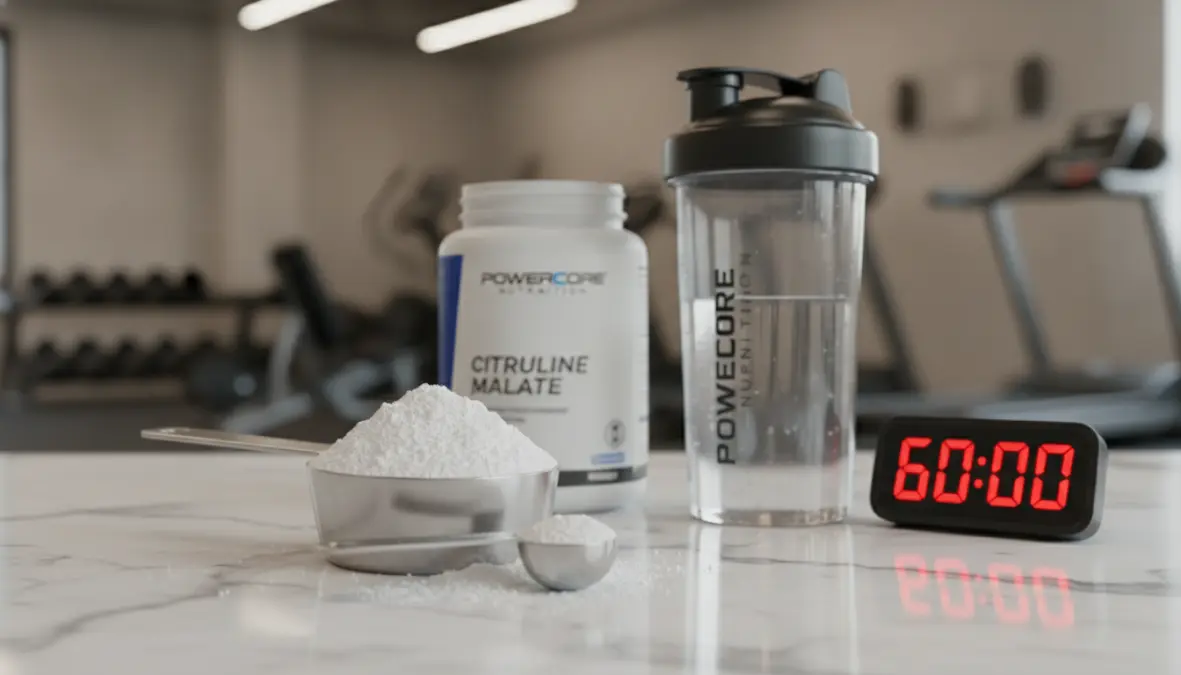
Getting the most from citrulline malate supplementation requires understanding proper dosing and timing. Research consistently shows that citrulline malate dosage in the range of 6-8 grams taken as a citrulline malate pre workout supplement delivers the best results for exercise performance. Some studies have used doses as low as 3 grams or as high as 10 grams, but the 6-8g sweet spot seems to maximize benefits without excessive cost.
For those wondering about the best time to take citrulline malate for performance, aim for 60-90 minutes before your training session. This timing allows for peak plasma levels during your workout. The effects typically last 3-4 hours, perfectly covering most training sessions.
When comparing citrulline malate vs l-citrulline for athletes, pure L-citrulline requires a lower dose (about 5-6g) since it’s more concentrated, while citrulline malate typically comes in a 2:1 ratio (two parts citrulline to one part malate). Both are effective, but many athletes prefer citrulline malate for the added malic acid benefits on energy production.
Unlike some supplements, citrulline malate doesn’t require cycling—you can use it daily without diminishing returns. It stacks well with other ergogenic aids like beta-alanine for buffering lactic acid or caffeine for enhanced focus and performance. The question of citrulline malate before or after workout is clear: pre-workout timing delivers superior benefits.
FAQ: Common Questions About Citrulline Malate for Athletes
Is citrulline malate safe for daily use?
Yes, citrulline malate is considered safe for daily use with minimal side effects. Some users report mild gastrointestinal discomfort at higher doses, but this is uncommon at the recommended 6-8g range. Research shows no adverse effects from long-term supplementation.
How long does it take to feel the effects?
You’ll typically notice the muscle pump and performance benefits within 60-90 minutes after taking citrulline malate. Some athletes report feeling effects within 30-45 minutes, while endurance adaptations may become more noticeable after 1-2 weeks of consistent use.
Can I take citrulline malate with other pre-workout supplements?
Absolutely. Citrulline malate synergizes well with caffeine, beta-alanine, creatine, and other common pre-workout ingredients. Just check your pre-workout formula to avoid double-dosing—many already contain citrulline malate.
What’s the difference between citrulline malate 2:1 and 1:1?
The ratio refers to the proportion of L-citrulline to malic acid. A 2:1 ratio means 2 parts citrulline to 1 part malate (most common), while 1:1 has equal parts. For performance, 2:1 delivers more active citrulline per gram, though both ratios are effective.
Does citrulline malate improve athletic performance across all sports?
Research supports benefits for both resistance training and endurance activities. Whether you’re focused on strength, power, or aerobic performance, citrulline malate’s effects on blood flow, fatigue resistance, and ATP production translate to measurable improvements. Combined with proper training methods like core strength work and mental training, it becomes a powerful tool in your performance toolkit.
If you’re serious about optimizing your athletic performance, citrulline malate deserves a spot in your supplement regimen. The science is solid, the benefits are real, and the risk is minimal. Start with 6-8 grams about an hour before your next workout and see how your body responds—that pump and those extra reps might just become your new normal.