Summer Hydration Mistakes Athletes Make and How to Avoid Them
Picture this: you’re crushing your summer training session, feeling unstoppable, when suddenly your legs cramp up, your head starts pounding, and your performance tanks. Sound familiar? You’re not alone. Summer hydration mistakes are incredibly common among athletes, and they can seriously sabotage your training and competition results. The thing is, most athletes think they’ve got hydration figured out—drink water, stay cool, you’re good, right? Wrong. The reality is way more nuanced, especially when temperatures soar and your body’s thermoregulation system works overtime. Let’s dive into the most common athletic hydration errors you might be making and, more importantly, how to fix them before they derail your summer performance.
The Most Common Summer Hydration Mistakes Athletes Make
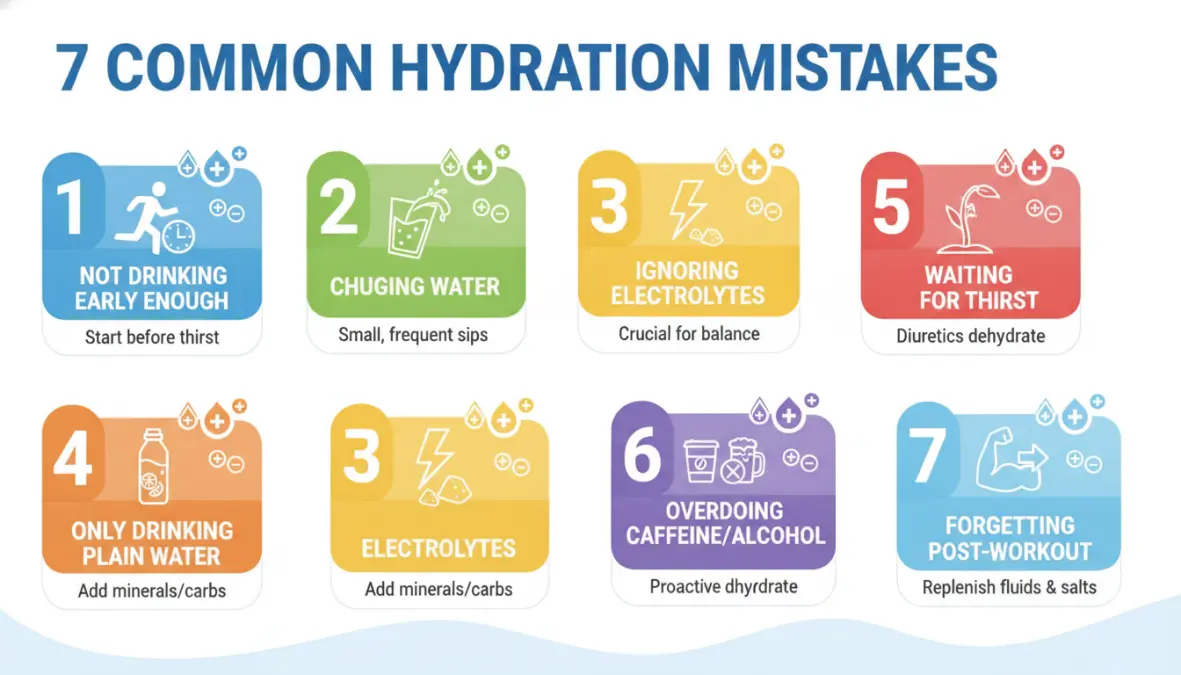
Understanding dehydration in athletes starts with recognizing these seven critical summer hydration mistakes that sabotage performance:
- Waiting Until You’re Thirsty: By the time thirst kicks in, you’re already 2-3% dehydrated. That’s enough to cause a noticeable performance decline, especially in endurance activities. Your body’s thirst mechanism lags behind actual hydration needs.
- Drinking Only Water: During intense summer workouts lasting over 60 minutes, plain water doesn’t cut it. You’re losing sodium, potassium, and other electrolytes through sweat that water alone can’t replace, leading to potential electrolyte imbalance sports issues.
- Ignoring Your Sweat Rate: Not all athletes sweat equally. Failing to monitor your individual sweat rate means you’re either over or under-hydrating. This personalized data is crucial for proper hydration for athletes.
- Overlooking Urine Color: Your urine is literally telling you a story about your hydration status, but most athletes ignore this simple, free indicator.
- Only Hydrating During Workouts: Pre-workout hydration and post-workout recovery hydration are just as critical as what you drink mid-session. Starting dehydrated means you’re playing catch-up from the first minute.
- Chugging Too Much Too Fast: Your body can only absorb about 800-1000ml of fluid per hour. Drinking more creates stomach discomfort without hydration benefits, and can even lead to hyponatremia risk.
- Using the Same Strategy Year-Round: Your winter hydration plan won’t work in July. Heat exhaustion prevention requires adapting fluid intake to temperature, humidity, and increased sweat losses.
These athletic hydration errors are often interconnected, creating a cascade effect that compounds dehydration. Recognizing them is your first step toward better summer workout hydration strategies. If you’re serious about summer training, fixing these mistakes isn’t optional—it’s essential.
Understanding Electrolyte Balance and Proper Hydration Strategies
Here’s what many athletes miss: electrolyte imbalance sports performance issues aren’t just about dehydration—they’re about what’s in your fluids. When you sweat, you’re losing sodium (the primary electrolyte in sweat), chloride, potassium, magnesium, and calcium. These minerals are essential for muscle contraction, nerve function, and fluid balance. Lose too many without replacement, and you’ll experience cramping, fatigue, confusion, and even dangerous conditions like hyponatremia.
The symptoms of electrolyte imbalance include muscle cramps, nausea, headaches, mental fog, irregular heartbeat, and severe fatigue. In extreme cases, drinking excessive water without electrolytes during prolonged exercise can dilute blood sodium levels dangerously low—a condition called hyponatremia that’s potentially life-threatening.
So when should you choose sports drinks vs water? For workouts under 60 minutes at moderate intensity, water is generally sufficient. But for intense summer sessions exceeding an hour, especially in heat, you need electrolyte replacement. Sports drinks containing 20-30 mmol/L of sodium and 4-8% carbohydrates optimize both fluid replacement and performance.
How to Calculate Your Personal Hydration Needs
Wondering how much water should athletes drink in hot weather? There’s no one-size-fits-all answer, but you can calculate your personal needs through sweat rate monitoring:
Sweat Rate Formula:
1. Weigh yourself naked before exercise (in kg)
2. Exercise for 1 hour at typical intensity
3. Weigh yourself again (dry off first)
4. Sweat loss (L) = pre-weight – post-weight + fluid consumed during exercise
5. Add any urine output during exercise
Practical Example: Sarah weighs 65kg pre-run and 64kg post-run. She drank 500ml during her hour-long session. Her sweat rate = (65-64) + 0.5L = 1.5L/hour. To maintain proper athlete water intake, she should aim to drink 1.2-1.5L per hour during similar conditions (replacing 80-100% of losses).
As a general baseline, aim for 30-40ml per kg of body weight daily, increasing to 40-50ml/kg during heavy training periods. During exercise, target 150-250ml every 15-20 minutes, adjusted based on your calculated sweat rate. For more advanced strategies, check out our guide on hydration strategies for endurance athletes.
Signs You’re Getting It Right (or Wrong)
Your body constantly broadcasts hydration signals—you just need to know what to watch for. Here’s your sports hydration tips checklist:
Positive Indicators (You’re Doing It Right):
- Pale yellow urine (like lemonade, not water-clear or dark)
- Urinating every 2-4 hours
- Maintaining consistent performance throughout training
- No excessive cramping or muscle spasms
- Mental clarity and focus during workouts
- Consistent body weight pre/post exercise (within 1-2%)
Warning Signs (You’re Dehydrated or Imbalanced):
- Dark yellow or amber urine
- Fewer than 3-4 urinations daily
- Persistent headaches, especially after training
- Muscle cramps or spasms
- Dizziness or lightheadedness
- Excessive fatigue or performance decline
- Weight loss exceeding 2% of body weight post-workout
Practical Summer Workout Hydration Plan for Athletes
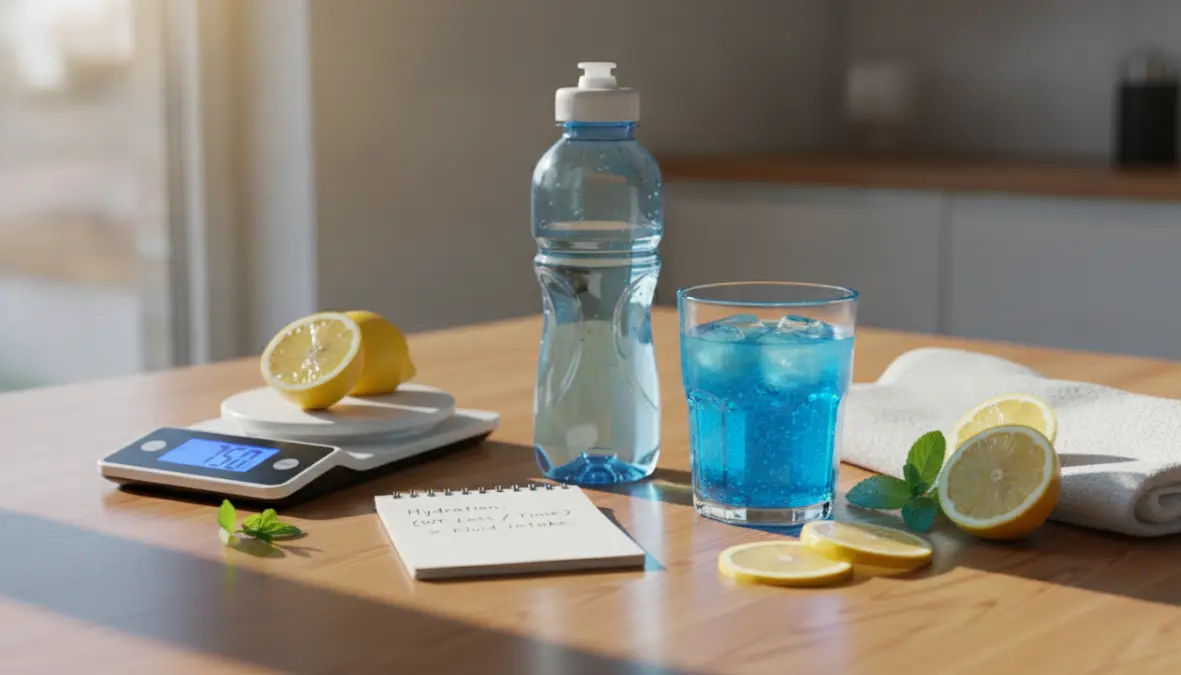
Ready to implement proper hydration for athletes? Here’s your step-by-step summer workout hydration protocol:
24 Hours Before: Focus on consistent hydration throughout the day. Aim for pale yellow urine. Avoid excessive alcohol or caffeine. If you’re training in extreme heat, consider slightly increasing sodium intake through meals.
2-3 Hours Before: Drink 5-7ml per kg body weight (350-500ml for a 70kg athlete). This allows time for absorption and bathroom visits before training. Include some sodium if it’s a particularly long or intense session planned.
During Exercise: Start drinking early—within the first 15 minutes. Target 150-250ml every 15-20 minutes, adjusted for your sweat rate. For sessions under 60 minutes, water works. Over 60 minutes, switch to sports drinks or electrolyte solutions. Keep fluids cool (15-20°C) for better absorption and cooling benefits.
Post-Workout Recovery: This is crucial for fluid replacement. Drink 150% of fluid lost (if you lost 1kg = 1L, drink 1.5L over the next 2-4 hours). Include sodium (1.5g per liter lost) to enhance retention. Pair with protein and carbohydrates for complete recovery.
Sport-Specific Adjustments: Endurance athletes (runners, cyclists, triathletes) need consistent intake throughout activity. Strength athletes can focus more on pre and post-workout hydration. For those doing summer cycling, carry multiple bottles and plan refill points.
Timing Matters: Morning workouts require aggressive pre-hydration since you’re naturally dehydrated from sleep. Evening sessions in peak heat demand extra vigilance and possibly pre-cooling strategies. Monitoring your performance metrics can help identify hydration-related issues.
FAQ
How much water should athletes drink in summer?
Athletes should drink 30-50ml per kg of body weight daily during summer, adjusted for training intensity. During exercise, target 150-250ml every 15-20 minutes based on individual sweat rate. Calculate personal needs by weighing before and after training to determine sweat losses.
What are the signs of dehydration in athletes?
Key signs include dark urine, reduced urination frequency, persistent headaches, muscle cramps, dizziness, excessive fatigue, and performance decline. Weight loss exceeding 2% of body weight post-workout indicates significant dehydration. Monitor urine color as your primary daily indicator.
Can you drink too much water during exercise?
Yes, overhydration can cause hyponatremia—dangerously low blood sodium levels. Your body absorbs only 800-1000ml fluid per hour. Drinking excessively without electrolytes, especially during ultra-endurance events, dilutes sodium concentration. Symptoms include nausea, confusion, and swelling. Balance water with electrolyte intake.
What’s better for hydration: water or sports drinks?
For workouts under 60 minutes, water suffices. Beyond 60 minutes in heat, sports drinks containing sodium (20-30 mmol/L) and carbohydrates (4-8%) optimize fluid absorption and performance. The electrolytes enhance retention while carbs maintain energy levels during prolonged summer training sessions.
How do I prevent electrolyte imbalance in hot weather?
Use electrolyte-containing beverages for sessions over 60 minutes. Consume sodium-rich foods or supplements (1.5g sodium per liter sweat lost). Monitor for cramping, nausea, or confusion. Calculate your sweat rate and replace both fluids and electrolytes proportionally. Consider salt tablets for ultra-endurance activities.
Mastering summer hydration mistakes isn’t just about drinking more—it’s about drinking smarter. By understanding your individual needs, monitoring key indicators, and implementing a personalized hydration strategy, you’ll maintain peak performance even in brutal heat. Remember, every athlete’s hydration needs differ based on sweat rate, intensity, and environmental conditions. Start tracking your patterns now, adjust your approach based on real data, and watch your summer performance soar. Your body is an incredible machine, but even the best engines need the right fuel mix. Make hydration your competitive advantage this summer, and don’t let preventable mistakes hold you back from your potential. Staying properly hydrated isn’t just about avoiding problems—it’s about unlocking your best performance when it matters most.