Threshold Intervals vs Tempo Training: Which Builds More FTP?
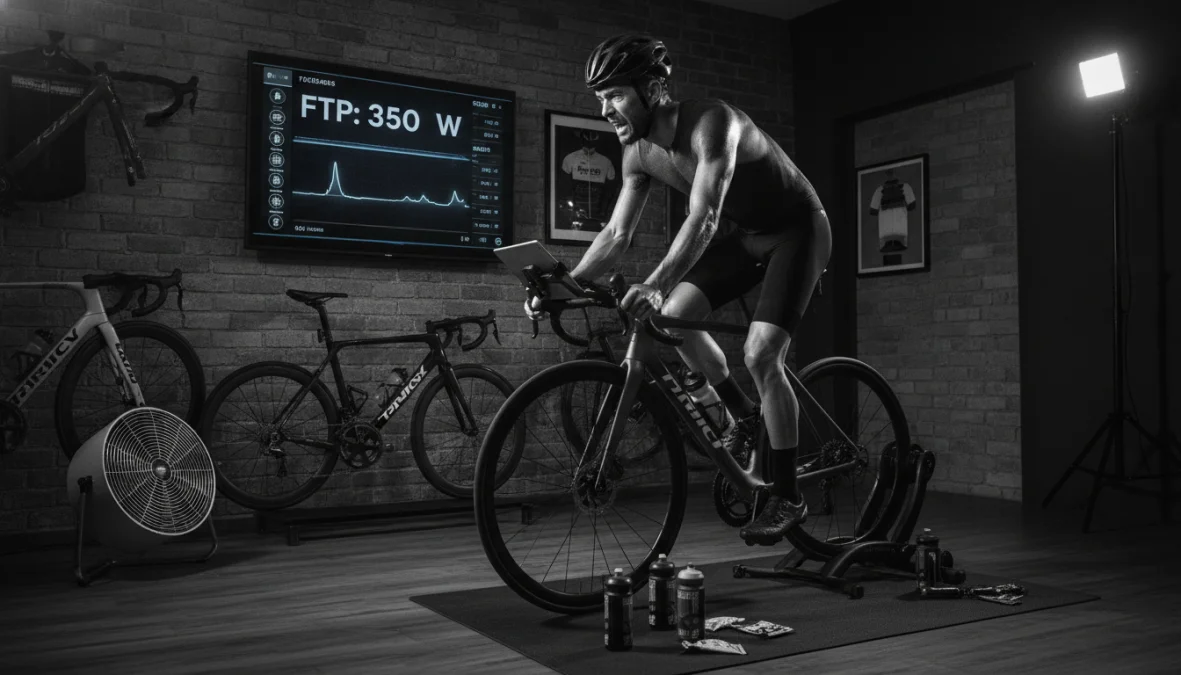
You’re hammering out intervals on your bike, watching your power meter like a hawk, and wondering: should you be crushing yourself at threshold or holding steady at tempo? It’s the eternal debate that keeps cyclists scrolling through training forums at midnight. The truth is, both threshold intervals vs tempo training have their place in building your functional threshold power, but they work in fundamentally different ways. Let’s cut through the noise and figure out which approach actually delivers the FTP gains you’re chasing.
Understanding Threshold Intervals and Tempo Training: Key Differences
Before we dive into which method wins the FTP battle, let’s get crystal clear on what we’re actually comparing when we talk about threshold intervals vs tempo cycling.
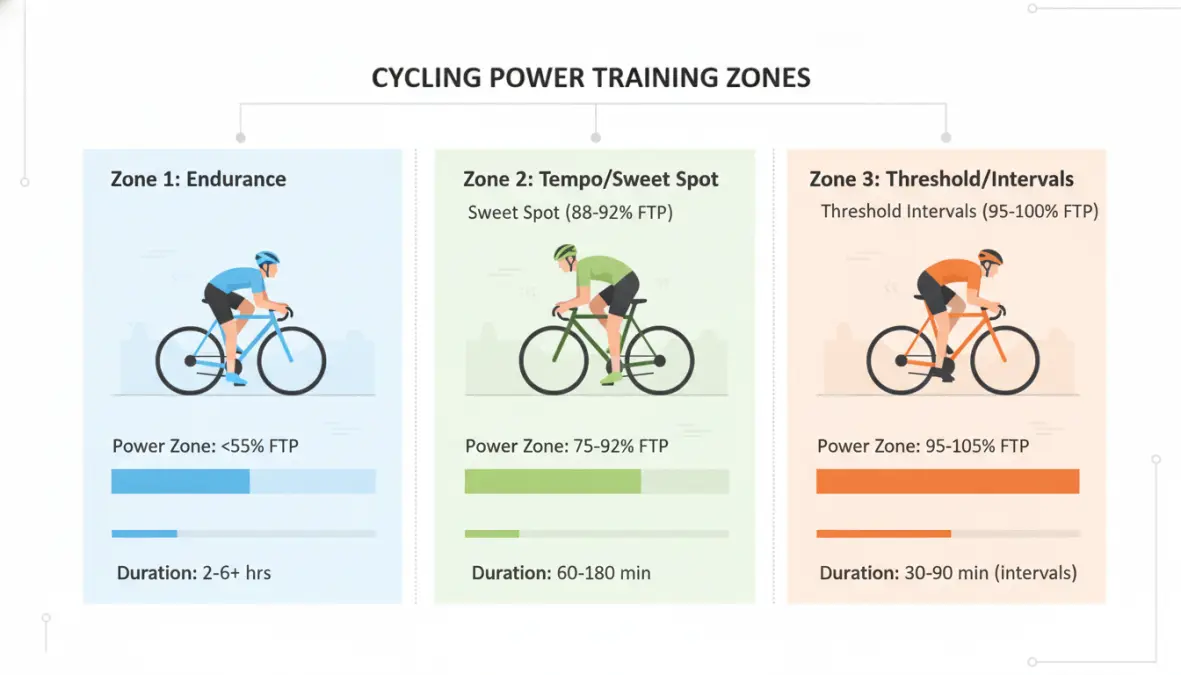
Threshold intervals are high-intensity efforts performed at 95-105% of your FTP, typically lasting 8-20 minutes per interval. These sessions push you right to the edge of your lactate threshold—that uncomfortable zone where your legs start screaming and breathing gets seriously labored. The physiological stress here is substantial: you’re forcing your body to process lactate faster and improve your anaerobic threshold capacity.
Tempo training, on the other hand, sits comfortably at 75-85% FTP for longer durations of 20-60 minutes. It’s often called “steady state training” because you can maintain a conversation (albeit a choppy one) while building serious aerobic endurance. The metabolic stress is lower, lactate accumulation is minimal, and you’re primarily targeting mitochondrial density and capillary development.
Worth mentioning is sweet spot training, which lives between these two at 88-94% FTP—hard enough to drive adaptations but sustainable enough to accumulate significant training volume. For detailed insights into how these zones relate to your overall performance metrics, check out our guide on Sports Performance Testing: VO2 Max, FTP, and Lactate Threshold Explained.
| Training Type | Intensity (%FTP) | Duration | RPE (1-10) | Primary Adaptations |
|---|---|---|---|---|
| Tempo | 75-85% | 20-60 min | 5-6 | Aerobic base, fat oxidation, mitochondrial density |
| Sweet Spot | 88-94% | 10-30 min | 7-8 | FTP gains, lactate clearance, time efficiency |
| Threshold | 95-105% | 8-20 min | 8-9 | Lactate tolerance, VO2 max, anaerobic capacity |
Which Training Method Builds FTP More Effectively?
Here’s where things get interesting. When we look at FTP building workouts, the science doesn’t give us a simple winner—it depends on your training age, current fitness, and timeline.
Research on lactate threshold intervals shows they produce faster FTP gains in the short term, particularly for trained athletes. A study comparing different training intensities found that threshold work elevated functional threshold power by 5-8% over 8 weeks in experienced cyclists. The mechanism? You’re literally teaching your body to tolerate higher lactate levels and clear it more efficiently.
However, tempo training builds a more sustainable aerobic foundation. While the immediate FTP bumps might be smaller (3-5% over the same period), the aerobic adaptations—increased mitochondrial density, improved capillary networks, enhanced fat oxidation—create a platform for long-term gains. Think of tempo as building the engine, while threshold tunes the turbo.
The polarized training vs threshold debate adds another layer. Polarized approaches advocate spending 80% of training time at low intensity and 20% at high intensity (including VO2 max intervals), with minimal time at threshold. This method has shown impressive results for elite athletes, suggesting that the middle ground might not always be optimal.
For beginners, tempo work is typically more appropriate. Your body needs to develop basic aerobic machinery before hammering threshold intervals makes sense. Advanced athletes, conversely, often need the specific stimulus of threshold work to break through plateaus. Understanding your Heart Rate Zones Training helps determine which approach suits your current fitness level.

When to Use Threshold Intervals
So, how to increase FTP with threshold intervals? Timing is everything. Deploy threshold work during your build phase—typically 8-12 weeks before your target event. These sessions are perfect when you have limited training time but need maximum stimulus, or when you’re preparing for races that demand sustained power at or near threshold.
Sample threshold workouts that deliver results:
- 3 x 12 minutes at 95-100% FTP with 5-minute recovery—a classic that builds both physical and mental toughness
- 2 x 20 minutes at FTP with 10-minute recovery—the gold standard for threshold development
- 4 x 10 minutes at 100-105% FTP with 5-minute recovery—for advanced athletes pushing boundaries
Frequency matters: limit threshold sessions to 1-2 per week maximum. These workouts are metabolically expensive and require 48-72 hours for proper recovery. Push beyond this, and you’re flirting with overtraining rather than adaptation.
When to Use Tempo Training
Tempo work shines during base-building phases, particularly during Spring Cycling Training when you’re establishing fitness foundations. It’s also ideal when recovering from intense training blocks, allowing you to maintain fitness without digging deep into recovery reserves.
For beginners asking about the difference between tempo and threshold workouts, tempo provides training stimulus without the crushing fatigue that can derail consistency.
Effective tempo sessions include:
- 2 x 30 minutes at 80% FTP with 5-minute recovery—sustainable yet effective
- 60 minutes steady at 75-85% FTP—builds aerobic endurance without excessive fatigue
- 90 minutes progressive from 75-85% FTP—mimics race pacing and builds mental resilience
Tempo integrates beautifully with other training. You can perform tempo work 2-3 times weekly, often combining it with technique drills or cadence work. Speaking of which, pairing tempo sessions with Cycling Cadence Training optimizes neuromuscular efficiency alongside aerobic development.
FAQ: Threshold Intervals vs Tempo Training
Can I do both threshold and tempo in the same week?
Absolutely, and many effective training plans combine both. A typical week might include one threshold session, one tempo ride, and one easy recovery day. The key is allowing adequate recovery between high-intensity efforts. Balance is crucial—similar to Concurrent Training principles when mixing different training stimuli.
How long before I see FTP gains from each method?
Threshold intervals typically produce noticeable FTP improvements within 3-4 weeks, with peak gains around 6-8 weeks. Tempo training works more gradually, with meaningful changes appearing after 6-8 weeks but continuing to build over months. Consistency trumps intensity for long-term development, so patience pays dividends.
Is sweet spot training better than threshold or tempo?
Sweet spot offers an excellent middle ground, providing significant FTP stimulus without the recovery cost of true threshold work. It’s particularly effective when you need time-efficient training or during periods when recovery is limited. However, it doesn’t replace the specific adaptations from either tempo or threshold—it complements them.
How does tempo vs threshold running differ from cycling?
The concepts translate, but the impact stress of running means recovery demands are higher. Threshold running intervals are typically shorter (10-15 minutes) than cycling equivalents, while tempo runs might be 30-40 minutes rather than 60. The physiological zones remain similar, but musculoskeletal stress requires more conservative programming for runners.
What’s the ideal ratio of threshold to tempo training?
For most cyclists, a 1:2 or 1:3 ratio of threshold to tempo sessions works well during base and build periods. For example, one threshold session and 2-3 tempo rides per week. During peak phases, this might shift to equal amounts, while off-season emphasizes tempo. Individual response varies, so monitoring fatigue and performance trends is essential.
The real answer to threshold intervals vs tempo isn’t picking a winner—it’s understanding when each tool serves your goals. Threshold intervals deliver rapid, specific FTP gains when you need them, while tempo builds the endurance foundation that supports long-term performance. The smartest approach? Periodize both throughout your training year, emphasizing tempo during base phases and ramping threshold work as events approach. Your FTP will thank you for the variety.